

There’s a specific kind of quiet that shows up after the last day of work, the one where nobody needs you at nine and nobody expects you at five.
That quiet feels like freedom at first. Underneath it, though, something else is happening: the small routines that used to protect your heart without you noticing are slipping away one by one.
This article is written for seniors, especially those over 50, who want simple, doable heart attack prevention habits without overhauling their whole life.
By the end, you will know five specific daily habits worth rebuilding, and why each one matters more than it looks like it does.
Why the Risk Creeps Up After the Workday Ends
You didn’t do anything wrong. That’s the part that catches people off guard, the idea that heart attack risk can climb even when you haven’t changed a single conscious habit.
Here’s the direct answer: in the United States, someone has a heart attack about every 40 seconds, and roughly 805,000 people have one every year.

Most of those are first-time attacks, not repeat events. For seniors and especially those over 50, the risk isn’t just about the candles on the cake. It’s about what quietly disappeared from the calendar.
A job, even one you didn’t love, built structure around you. It got you walking to a parking lot, eating lunch near other people, waking up at a set time, and sometimes even getting your blood pressure checked at a workplace health fair.
When that structure goes, so does its protection, and nobody warns you about that part.
The first piece of that lost structure shows up the moment you stop needing to leave the house every morning, and rebuilding it is where heart attack prevention actually starts.
The Walk You Used to Take Without Thinking
Think about the last job you had, or the one you still have. There was probably a walk to the train, a walk across the parking lot, a walk to a coworker’s desk instead of a phone call. None of it felt like exercise. All of it counted.
A large study following adults 50 and older found that physical activity levels dropped in the years after they retired, compared with people the same age who kept working.
That drop wasn’t dramatic or sudden. It was gradual, the kind of change you don’t notice until your knees do.

Your heart didn’t get riskier the day you retired, it got riskier the day nothing else was scheduled around it.
That sentence is worth sitting with, because it points to the fix. You don’t need a gym membership or a new identity as an “exerciser.” You need a walk that’s scheduled the same way your old commute was, ideally at the same time each day, so your body starts expecting it again.
Talk to your doctor before making major changes to your exercise or daily activity routine if you have a heart condition, joint problems, or another chronic illness that affects how much you can safely do.
Try this simple swap:
- Pick one daily task, like getting the mail or checking on a neighbor, and turn it into a 10-minute walk instead of a two-minute errand
- Set a fixed time for it, the way your old commute had a fixed time
- Walk with someone else at least twice a week if you can, since that solves two problems at once
The walk matters. But what’s missing from most people’s day after retirement isn’t just movement, it’s company, and that turns out to carry its own risk.
The Lunch You Used to Eat With Other People
Picture the last time you ate a meal at a table with someone else, not in front of a screen, not standing at the counter. If that’s harder to picture than it used to be, you’re not alone, and your heart is paying attention to that too.
Heart attack prevention isn’t just about what’s on the plate. A meta-analysis pooling 19 studies found that social isolation and loneliness were associated with a higher risk of cardiovascular disease in adults in midlife and older.
The research doesn’t pin this on diet or exercise habits alone. It’s the isolation itself that shows up as a risk factor, independent of what else is going on.

Here’s something worth doing today: call one person you haven’t talked to in a while and ask if they want to grab lunch this week. Not next month. This week. A standing lunch, even once every week or two, rebuilds a piece of structure that a job used to hand you automatically.
Daytime connection matters, but so does what happens after the sun goes down, and that part of the day has quietly changed too.
The Bedtime Your Body Used to Keep on Its Own
A job forces a bedtime whether you like it or not. You had to be up by a certain hour, so you went to bed by a certain hour, and your body learned the pattern. Retirement removes the deadline, and with it, the pattern often goes too.
A review of research in older adults, average age 50 and up, found that irregular sleep, not just short sleep, was consistently linked to higher cardiovascular risk.
This is about sleep regularity [going to bed and waking up at roughly the same time each day], not just how many hours you get.
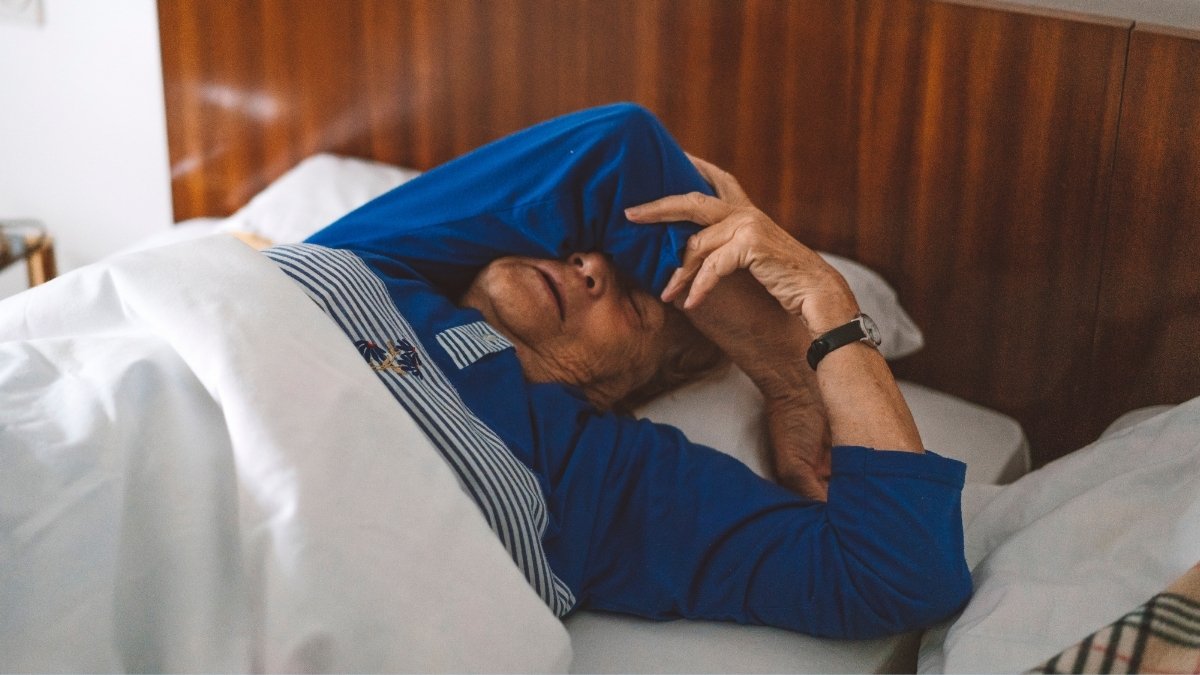
That’s a different target than most sleep advice gives you. You don’t need eight perfect hours. You need a bedtime and wake time that barely move from one day to the next, weekends included.
A simple way to start: pick a wake-up time you can hold seven days a week, even on days with nowhere to be. The bedtime tends to follow once the wake time is locked in.
Your sleep schedule used to be enforced from the outside. The next piece of structure worked the same way, and it’s just as easy to let slide.
The Numbers Your Workplace Used to Track for You
Somewhere in your working years, there was probably a wellness fair, an office blood pressure cuff, or an annual physical your job nudged you toward. Nobody’s tracking that for you anymore, and that silence can feel like nothing is wrong.
In a study of men aged 55 to 74, blood pressure and cholesterol levels showed a modest average increase in the years after retirement, compared with peers who kept working.
The researchers noted this study looked specifically at men in that age range, so it may not tell the full story for everyone, but the pattern is worth taking seriously either way.

This doesn’t mean retirement is dangerous. It means the numbers can drift quietly when nobody outside your own household is watching them. The fix isn’t complicated:
- Get your blood pressure checked on a set schedule, not just when you happen to think of it
- Ask your doctor how often your cholesterol should be checked given your history
- Write the next appointment on the calendar before you leave the last one
None of this requires a major lifestyle change, heart attack prevention here is mostly about consistency. It just requires putting a checkup back on a calendar the way your employer used to.
You’ve now seen four pieces of structure that quietly slipped away. Here’s how to put the most important one back today.
Heart Attack Prevention: Putting One Piece of Structure Back Today
You don’t need to fix all five things this afternoon. You need to pick one and start it before the day ends, because the habit that actually protects you is the one you keep, not the one you plan perfectly.
Here are the five daily habits worth rebuilding for heart attack prevention:
- Take a scheduled 10-minute walk at the same time each day
- Share one meal a week with another person, in person
- Keep a fixed wake-up time, seven days a week
- Check your blood pressure on a set schedule, not randomly
- Put your next doctor’s appointment on the calendar before you leave the last one
Pick whichever one feels easiest to start today. Easiest beats best, every time, when the goal is a habit that lasts.
At the Last,
Pick one heart-protective habit from this list and start it today, before the day ends. Choose the one that feels easiest to keep, not the one that feels most impressive, because a small habit you actually keep will protect your heart more than a big one you abandon in a week.

Rebuilding structure, one piece at a time, is one of the most practical forms of heart attack prevention available to seniors. Start with the walk, the lunch, the bedtime, or the checkup, and let the rest follow.
DISCLAIMER⚠️:
This article is for informational purposes only and does not constitute medical advice, diagnosis, or treatment. The content addresses daily habits for heart attack prevention in seniors and is intended for general educational purposes only. Health conditions vary significantly between individuals — always consult a licensed physician or qualified healthcare provider before making any decisions about your health or medical care.