
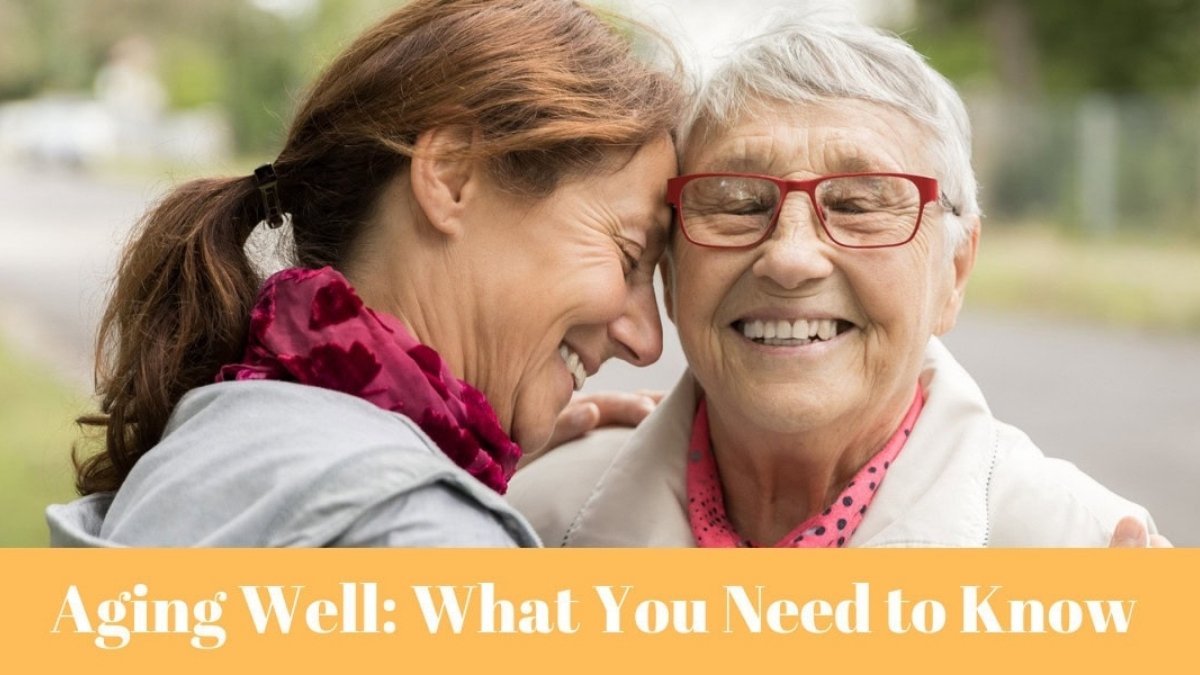
You are spending money fighting something that fights back harder the more you resist it.
Most people think aging well means resistance. Buy the cream. Dread the birthday. Hide the gray hair. But research from 2025 and 2026 is showing something different — and it is uncomfortable.
The fear of aging is not just a feeling. It shows up in your blood. It changes your cells. It speeds up the very process you are trying to slow down.
This article is not about giving up. It is about switching to a strategy that actually works.
You will learn why your beliefs about aging matter more than any product, what real science says about slowing decline, and five practical habits you can start today.
No hype. No expensive programs. Just clear, honest information backed by current research.
Point One: The Industry Selling You the Wrong Solution
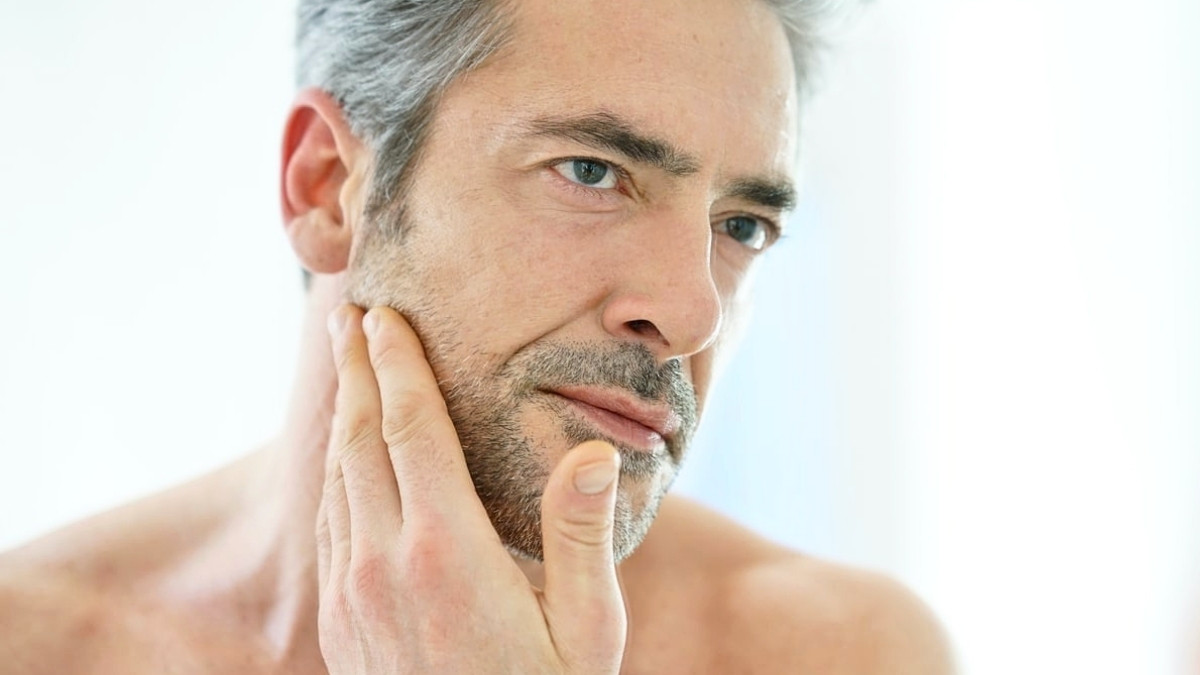
Over $55 billion. That is how much people spent in 2025 on products designed to fight aging. By 2033, that number is expected to pass $107 billion.
The market is growing. But people are not getting younger.
A 2025 Ipsos survey across 32 countries found that 57% of people said they are not looking forward to old age. Fear is the engine driving this entire market. Liv Hospital
Here is the problem. Some products genuinely help. But the emotion behind most anti-aging spending is panic. And panic, as you will see in the next section, is biologically destructive.
The industry frames aging as a war. If you believe that framing, you lose before you start. You spend money chasing a battle that cannot be won on those terms.
The most powerful tool for aging better is not in a bottle. It is in your belief system. That is not a motivational line. It is what the science from 2025 and 2026 actually says.
The industry is not wrong that you can influence aging. It is wrong about which lever matters most.
3 Quick Tips:
- Before buying an anti-aging product, ask: “Am I buying this out of fear or genuine benefit?”
- Write down your top three aging fears. Naming them reduces their automatic power over your choices.
- Unfollow social media accounts that make you feel worse about your age. This is a health decision.
Point Two: What Science Says Happens When You Fear Getting Older
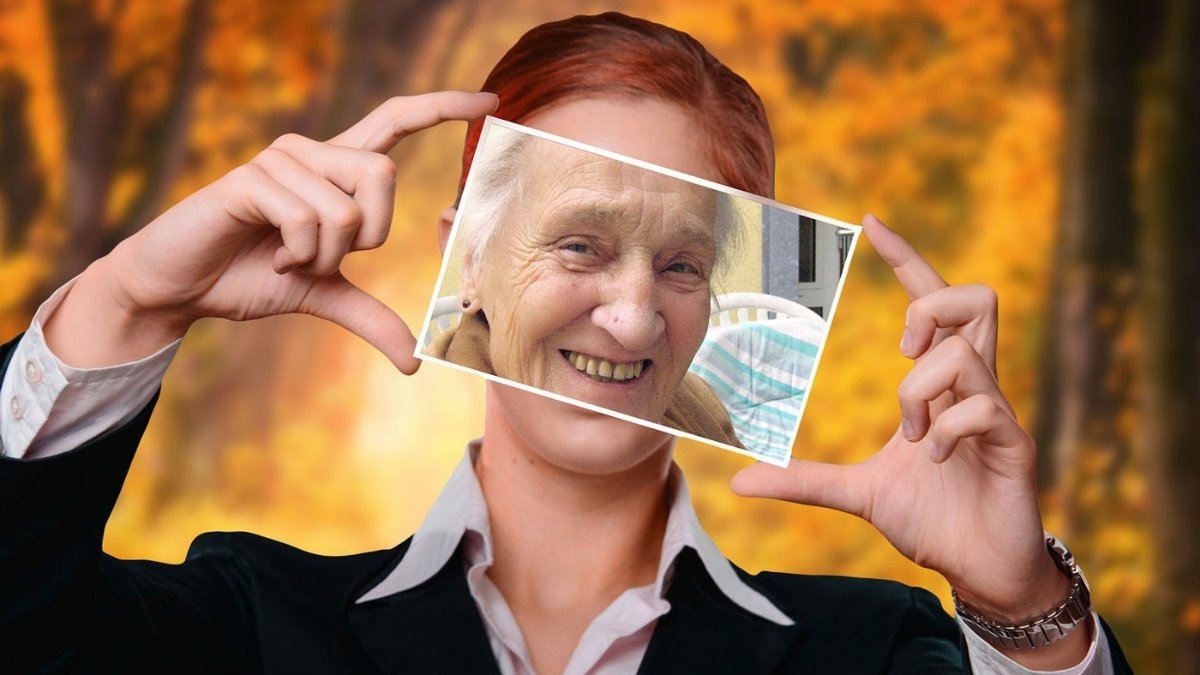
Your fear of aging is not just in your head. It is in your blood.
A 2026 study from NYU School of Global Public Health found that women who worried more about getting older showed signs of faster biological aging in their blood, measured using cutting-edge epigenetic clocks. ScienceDaily
The tool used was called the DunedinPACE clock. It measures how fast your body is aging at the cellular level. The results were clear.
Fears about declining health had the strongest link to faster biological aging. Concerns about appearance or fertility did not show the same impact. ScienceDaily
Lead researcher Mariana Rodrigues said: “Our research suggests that subjective experiences may be driving objective measures of ageing. Ageing-related anxiety is not merely a psychological concern, but may leave a mark on the body.” New Kerala
Worrying about aging also pushes people toward harmful coping habits — smoking more, drinking more, moving less. Those habits then speed up the biological clock further. It becomes a cycle.
Your fear is not passive. It is biologically active. Managing it is physical health work, not just emotional work.
3 Quick Tips:
- When aging anxiety hits, name it out loud or write it down. Research shows this reduces its automatic physical response.
- Replace “I’m getting old” with “my body is changing.” One triggers fear. The other triggers curiosity.
- Talk to someone about aging fears instead of suppressing them. Suppressed stress causes more cortisol damage than expressed stress.
Point Three: The Yale Discovery That Changes Everything
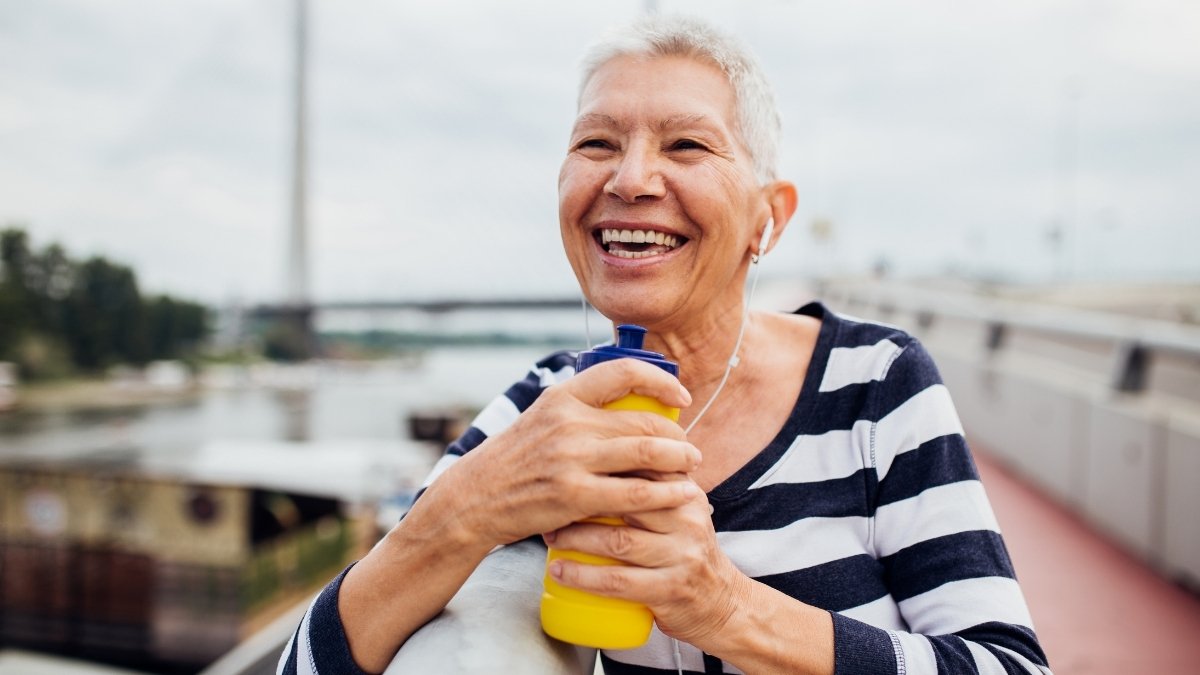
Most people believe aging means steady, inevitable decline. Yale University’s 2026 research says that belief is simply wrong.
A study led by Professor Becca R. Levy followed over 11,000 Americans for more than a decade and found that nearly half of adults aged 65 and older showed measurable improvement in cognitive function, physical function, or both, over time. yale
Approximately 32% of participants showed cognitive gains and 28% showed measurable physical improvements over the study period. ColombiaOne
Levy said: “Many people equate aging with an inevitable and continuous loss of physical and cognitive abilities. What we found is that improvement in later life is not rare, it’s common.” Yahoo!
And here is the part that changes everything. Only about 25% of aging outcomes are determined by genes. The other 75% comes from environmental and psychological factors — including what you believe about aging. KERA
That means the story you tell yourself about getting older is doing real work in your body. It is not poetic. It is biological.
The data is not saying you can reverse time. It is saying that tens of thousands of real people aged better because of how they thought.
3 Quick Tips:
- Read one story per week about an older adult doing something active or creative. It rewires your mental picture of aging.
- Write down one thing you have gotten better at in the last five years. Use that as evidence against decline thinking.
- Share Levy’s research with someone you know who dreads aging. Changing their belief may literally help their health.
Point Four: The Self-Fulfilling Prophecy Quietly Aging You Faster

Here is something that should make you stop and think.
A Yale study followed people aged 18 to 49 for 40 years. Those who held negative views about aging were significantly more likely to have cardiovascular events — chest pain, heart attacks, and strokes — and had those events earlier in life. Next Avenue
These were not old people. They were young adults. Their beliefs about aging decades in the future were already damaging their hearts.
Yale’s Becca Levy identified three pathways through which this happens. First, psychological: negative beliefs lead to worse mental performance. Second, behavioral: people stop exercising and eating well because they think “what’s the point at my age.” Third, physiological: repeated stereotype-triggered stress causes direct cardiovascular damage.
Research also shows that in cultures where aging is respected and valued, older adults perform better on cognitive tests and report higher life satisfaction than in cultures that devalue age. GoodTherapy
The belief came first. The biology followed.
The good news is that negative stereotypes about aging are modifiable. They can be changed or adjusted to make them more accurate. Psychology Today
3 Quick Tips:
- When you catch yourself saying “I’m too old for that,” replace it with “I haven’t tried that recently.”
- Notice how media you consume talks about older adults. If it is mostly decline and jokes, that is shaping your beliefs.
- Find one older person you genuinely admire. Study their habits, not just their attitude.
Point Five: What People Who Age Best Actually Do Differently
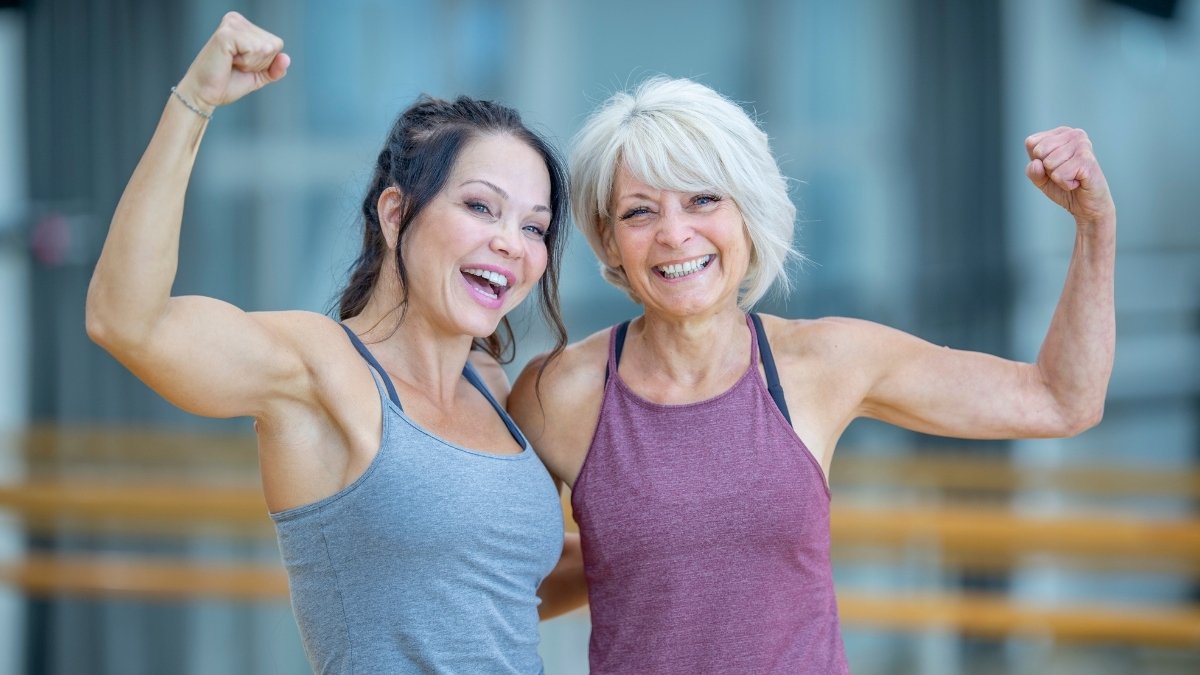
Let us look at people who actually live past 100 in good health.
The five validated Blue Zones — Sardinia, Okinawa, Nicoya, Ikaria, and Martinique — share lifestyle patterns that remain highly relevant for healthy aging. New peer-reviewed research published in December 2025 confirmed the scientific validity of the longevity data from these regions. MDPIBlue Zones
None of these communities fight aging. They do not obsess over wrinkles or count steps. Instead, they build lives where healthy aging is the default.
Dan Buettner’s Power 9 framework identifies what they share: natural daily movement, clear life purpose, stress-reduction rituals, strong social bonds, and eating to 80% fullness.
Okinawans call their life purpose “ikigai” — their reason for getting up. Nicoyans call it “plan de vida” — their life plan. Both groups live with a clear answer to “why am I here today?”
“In Blue Zones, people don’t try to be healthy — they just live in environments that make healthy living easy,” Buettner explains. HealthCity
That is the key. They are not fighting aging. They are building a life that makes aging easier.
3 Quick Tips:
- Write one sentence that answers: “What would I do this week even if no one paid or praised me for it?” That is your ikigai starting point.
- Walk somewhere you normally drive. Natural movement beats forced gym sessions for long-term adherence.
- Eat your next meal without a screen. Slower eating supports the 80% fullness principle without any extra effort.
Point Six: The Social Connection Factor Most People Underestimate
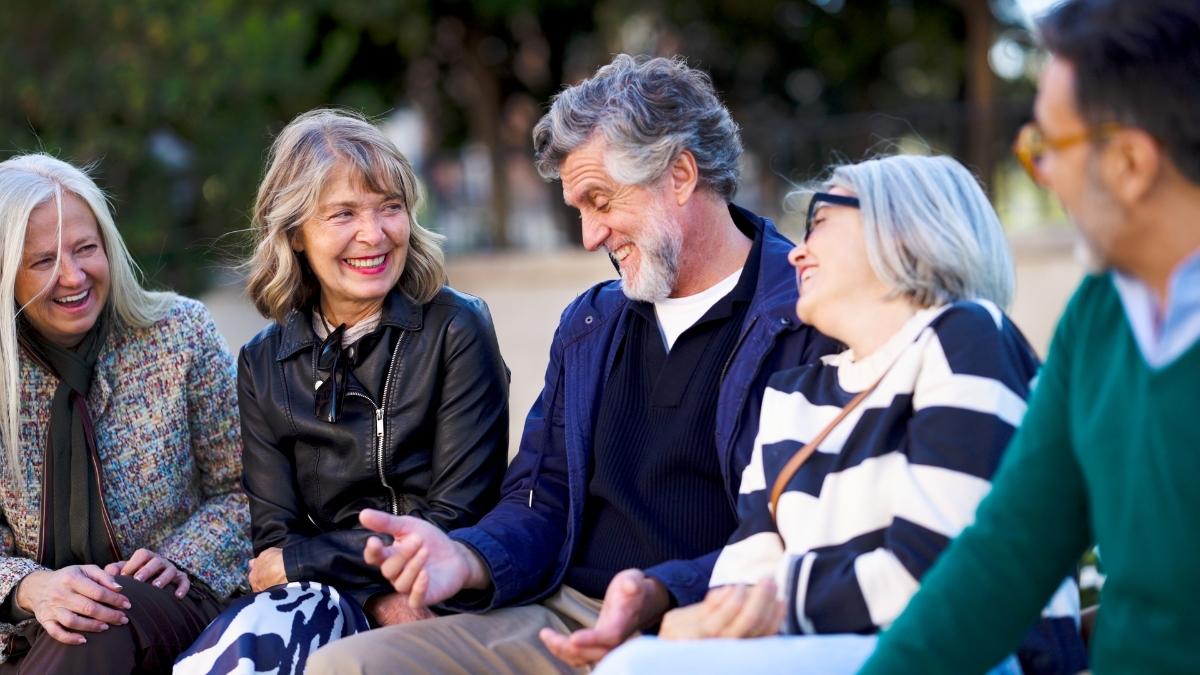
Most people fighting aging focus on their body. They forget the one factor that may matter most: other people.
The 2025 WHO Commission on Social Connection found that 1 in 6 people worldwide is affected by loneliness. Loneliness is linked to an estimated 100 deaths every hour — more than 871,000 deaths annually. who
Social isolation and loneliness increase the risk of premature death by 26% and 29% respectively — comparable to smoking 15 cigarettes a day. Palm Springs Life
A meta-analysis of 148 studies found that people with strong social ties were over 50% more likely to survive across the study periods compared to those with weak or absent connections. Healthspan
A 2025 WHO report also confirmed that social connection reduces cellular inflammation — one of the main drivers of accelerated biological aging. InsideHook
When you fight aging alone — obsessing over supplements, checking your face in mirrors, worrying in silence — you remove the one biological shield your body needs most.
Longevity is not a solo project. The WHO data, the Blue Zones data, and the Yale data all say the same thing.
3 Quick Tips:
- Commit to one shared meal per week with another person. Put it in your calendar like a doctor’s appointment.
- Join one group activity that puts you around people of different ages. Intergenerational connection is specifically linked to longer, healthier lives.
- Volunteer for something local. It reduces isolation and adds purpose at the same time.
Point Seven: How to Shift from Fear-Based to Acceptance-Based Aging Right Now
Acceptance does not mean giving up. It means switching from panic-driven action to purpose-driven action.
Here are five specific steps you can start this week.
5 Ways to Rethink
Aging
Audit Your Age Beliefs
Spend one week writing down every age-related belief you encounter — in media, conversation, and your own thoughts. Identifying these is the first step to weakening them.
Purpose-Driven Habits
Ask: “Am I doing this because I’m scared, or because it makes me feel good?” Fear-driven habits collapse under pressure. Purpose-driven habits stick.
Name Your Reason
Write one sentence: “What would I do this week even if no one rewarded me for it?” Return to that sentence whenever aging anxiety rises.
Curate Your Media
Every account you follow that sells fear of aging is injecting negative age beliefs into your daily life. Unfollow deliberately.
Practice Body Gratitude
Focus on what your body does today, not what it used to do. Gratitude practices reduce cortisol, improve sleep, and lower inflammation — three direct factors in how fast you age.
None of these cost money. All of them require a decision.
3 Quick Tips:
- Set a phone reminder once daily that says “What is my body doing right today?” Answer it in one sentence.
- Review your social media following list monthly and remove accounts that increase aging anxiety.
- Read one page of Becca Levy’s Breaking the Age Code per day. It is the most evidence-backed book on this topic available.
Point Eight: The Compound Effect of Aging With Intention
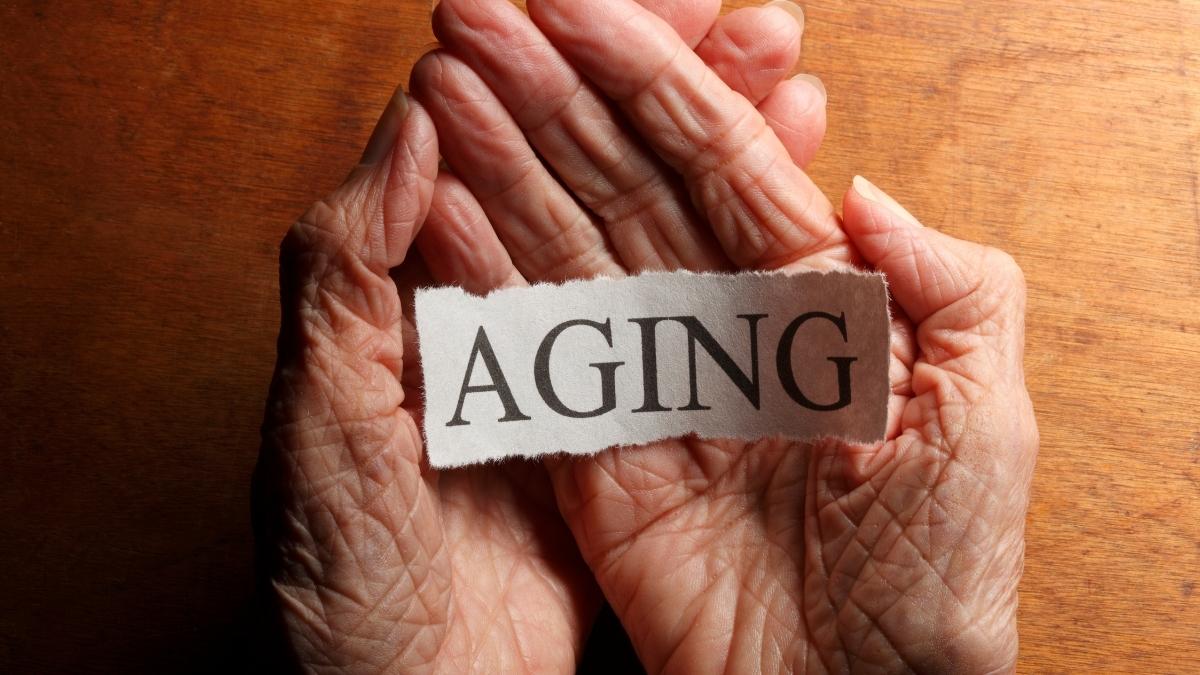
Every choice you make today about how you think about aging compounds over time.
A 2026 study confirmed that positive age beliefs predicted measurable improvement in both cognitive and physical function in older adults. Not in one month. Over years. Psychology Today
People with more positive age beliefs showed lower levels of brain biomarkers linked to Alzheimer’s disease and less shrinkage of the hippocampus — the part of the brain central to memory and learning. RejuveAI
The reverse also compounds. The 40-year Yale cardiovascular study showed that negative beliefs about aging build damage slowly and silently for decades, then show up as a heart attack or stroke.
You are not choosing between aging and not aging. You are choosing which direction you compound in.
Research shows that people who embrace aging rather than fight it can gain up to 7.5 years of additional life — with significantly better quality. GoodTherapy
The right question is not “how do I stop aging?” The right question is “how do I build the factors that make aging better?” Those factors are mindset, social bonds, daily movement, purpose, and lower anxiety.
Start one. Then add another. That is how compounding works.
3 Quick Tips:
- Pick one habit from Point Seven and do it for 14 straight days. Track it in writing. Consistency builds belief.
- Once a month, write down one thing your mind or body did this month that surprised you positively.
- Share this article with someone who is currently fighting aging with fear. Changing one person’s belief system may add years to their life.
Lastly,

Stop fighting aging and you do not lose. You actually start winning.
The 2026 science is clear: your aging beliefs shape your biology, your choices, and your lifespan. Acceptance is the most powerful aging strategy available. Pick one action from Point Seven today. Your future self is already being built by what you do next.
DISCLAIMER⚠️:
This article is for informational purposes only and does not constitute medical advice or an endorsement of any longevity intervention. The content addresses how aging mindset and acceptance-based habits influence biological aging and lifespan and is intended for general educational purposes only. Individual health, genetics, and medical history significantly affect outcomes — consult a qualified physician before adopting any protocol discussed in this article.