

Your body might be 10 years older than your birth certificate says. And the reason is almost certainly sitting in your kitchen right now.
Most people think aging is just about time. They think wrinkles come from getting older, and that is that. But science tells a very different story. Your daily food choices are actively pushing your biological clock forward — often by years.
The habit doing the most damage? Eating ultra-processed foods every single day. Chips, protein bars, instant noodles, packaged bread, flavored yogurt. Foods that feel normal. Foods that feel harmless.
They are not harmless.
They Shorten Your Cells’ Lifespan At A Predictable Rate
You can slow this down.
Point One: What Biological Age Actually Means (And Why It Matters More Than Your Birthday)

Your birthday tells you how many years you have been alive. Your biological age tells you how fast your cells are aging. These two numbers are often very different — and the second one matters far more for your health.
In 2013, geneticist Steve Horvath discovered something called the epigenetic clock. It reads patterns in your DNA called methylation marks. These marks change as your body responds to what you eat, how you sleep, and how much stress you carry. Scientists can measure them and calculate your true biological age.
Later, researchers built even more precise tools — the PhenoAge and GrimAge clocks. These are used today in large population studies, including one involving 16,055 Americans. A large UK study of nearly 200,000 people found shift workers were biologically almost one full year older than people working normal hours.
Same age on paper. Older in their cells.
Your biological age predicts your real risk of disease — heart problems, cancer, dementia. It is not about how you look. It is about how your cells are actually functioning right now.
Quick Tips:
- Search “biological age test” to find free online assessments based on lifestyle habits
- The PhenoAge calculator is available online — it uses blood markers to estimate your biological age
- Focus on habits that move your biological age younger, not just your weight
Point Two: The Hidden Habit — You Are Eating Ultra-Processed Food Every Single Day

Here is a number that should stop you cold: Americans get 55% of all daily calories from ultra-processed foods. That is straight from a CDC report published in August 2025.
Ultra-processed foods — or UPFs — are not just junk food. They are any product made in a factory using industrial ingredients you would never find in a home kitchen. Emulsifiers, artificial flavors, modified starches, synthetic colorants.
The NOVA classification system, developed by scientist Carlos Monteiro at the University of São Paulo, groups all foods into four categories. Group 4 is ultra-processed — and most packaged products fall there.
The tricky part? Many of these foods are marketed as healthy. Protein bars. Flavored oatmeal packets. Low-fat yogurt with fruit. Whole-grain cereal. Diet soda. These all qualify as ultra-processed under NOVA standards.
Adults aged 19–39 get 54.4% of their calories from UPFs. The US leads the entire world in UPF consumption — at roughly 60% of daily calories — compared to just 14–44% across European countries.
Quick Tips:
- Download the free Open Food Facts app and scan your pantry items today
- If an ingredient list has more than five items you cannot picture in nature, it is likely ultra-processed
- Check for these label red flags: “natural flavors,” “modified starch,” “glucose syrup,” “emulsifier”
Point Three: The Science — Exactly How Ultra-Processed Foods Are Aging Your Cells
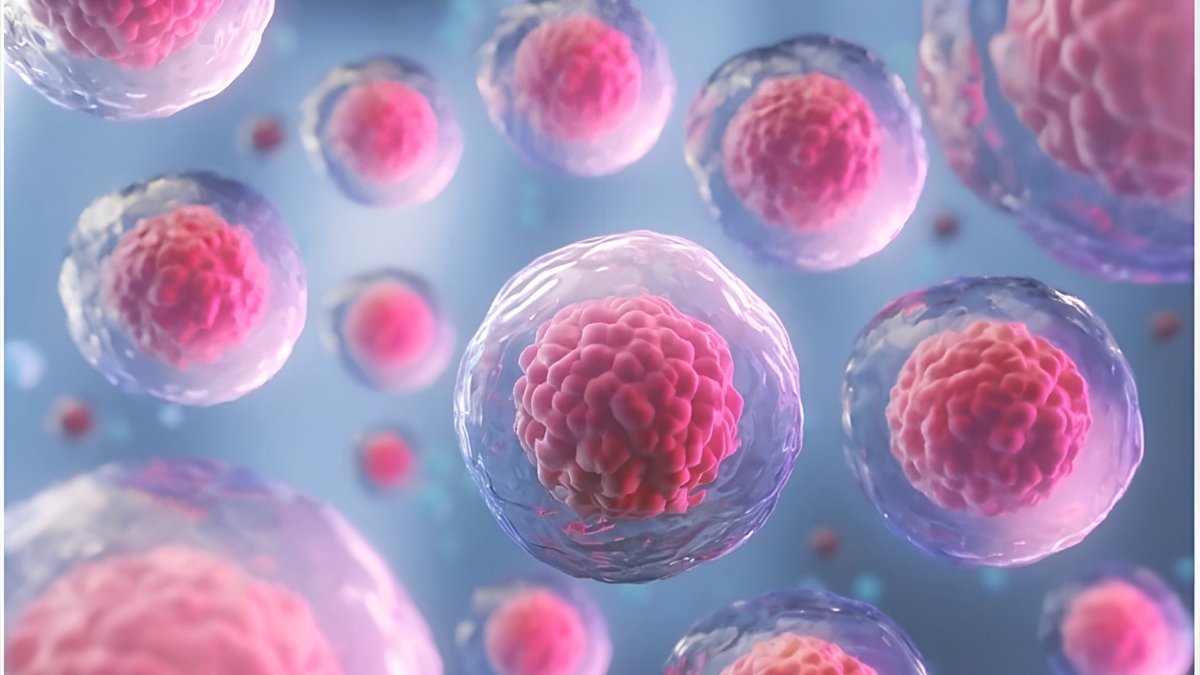
Think of your telomeres like the plastic caps at the end of a shoelace. Every time your cells divide, those caps get a little shorter. When they get too short, the cell breaks down. Ultra-processed foods speed up that shortening process — and science has measured exactly how much.
A study from the University of Navarra tracked 886 adults over 20 years. People eating four or more daily servings of UPFs had significantly shorter telomeres than those eating fewer than two. The highest consumers had double the risk of critically short telomeres compared to the lowest consumers.
Dr. Maira Bes-Rastrollo, professor of preventive medicine at the University of Navarra, explained it clearly: “These risk factors produce oxidative stress and inflammation, which are some of the mechanisms inducing telomere attrition and further cardiovascular and neurodegenerative diseases or cancer.”
UPFs also push your epigenetic clock forward by altering gene expression through DNA methylation. On top of that, chemicals in UPF packaging — called endocrine-disrupting chemicals — create a separate aging pathway. Your cells are being hit from multiple directions at once.
Quick Tips:
- Reduce fried and packaged snacks first — they are the highest drivers of oxidative stress
- Add berries, green tea, and olive oil daily — these contain polyphenols that help protect telomeres
- Avoid reheating food in plastic containers — EDCs leach from plastic into food when heated
Point Four: The Numbers Do Not Lie — Your UPF Habit Is Measurably Stealing Your Years

Monash University published a major study in November 2024 in the journal Age and Ageing. It covered 16,055 Americans aged 20–79. The finding was precise and alarming: every 10% increase in UPF consumption widened the gap between biological and chronological age by 2.4 months.
People in the highest UPF group — those getting 68–100% of energy from ultra-processed foods — were biologically 0.86 years older than those in the lowest group. That is nearly a full extra year of aging, just from food choices.
Now compare this to other known aging accelerators. Smoking ages lung cells by up to 4.3 years. Drinking 32 units of alcohol per week adds about three extra years of biological age, according to a 2022 Oxford University genetic study of 245,000 people. Working more than 40 hours per week adds around two years. UPFs now rank in the same category as these — habits most people take very seriously.
The compounding effect is the part people miss. Eating high UPFs for 20 or 30 years does not just add years linearly. The damage builds on itself.
Quick Tips:
- Start tracking your UPF intake for just three days using Open Food Facts — the results will surprise you
- Aim to reduce your UPF calorie share by 10% in the first month — that alone can narrow your biological age gap
- Treat UPF reduction with the same seriousness you would treat quitting smoking
Point Five: Why This Habit Feels Invisible — The Food Industry’s Role

This is not a willpower problem. Ultra-processed foods are built — with real scientific precision — to feel like normal food. They are engineered to taste good, look healthy, and be impossible to stop eating. That is not an accident. It is the business model.
The labeling system makes it worse. Words like “whole grain,” “probiotic,” “clean label,” “plant-based,” and “no artificial preservatives” appear on products that are fully ultra-processed by NOVA standards. None of these terms prevent a product from being Group 4. None of them mean anything for biological age.
Roughly 70% of total packaged products in US supermarkets are ultra-processed, according to 2025 reporting. UPFs are also cheaper and faster than whole foods — by design. The system is built to make them the default choice.
The 2025–2030 US Dietary Guidelines, released January 7, 2026, are the first in history to explicitly recommend reducing ultra-processed food. That is a significant shift. But there are still no mandatory warning labels, no legal restrictions, and no binding rules for manufacturers.
Quick Tips:
- Ignore front-of-package claims entirely — flip the product over and read the full ingredient list
- Countries like Brazil and Chile now put warning labels on UPFs — use their criteria as your own guide
- Shop the perimeter of the grocery store first — that is where whole, minimally processed foods live
Point Six: What Happens to Your Body When You Start Cutting Ultra-Processed Foods
Here is what the science actually shows when people reduce their UPF intake — not vague promises, but specific results from controlled research.
An NIH-funded feeding trial, published in January 2026, found that when participants ate fewer ultra-processed foods, they naturally consumed fewer calories — without counting anything. They lost total body fat and abdominal fat.
Their insulin sensitivity improved. Cholesterol levels moved in the right direction. Inflammation markers dropped. And the hormones that control hunger and fullness reset.
A separate clinical study published in Clinical Nutrition in November 2025 followed older adults for one year. When they replaced UPFs with minimally processed foods, their metabolic health improved significantly. When their UPF intake crept back up at the one-year mark, the improvements faded.
The benefits are real — but they require you to keep going.
Adding just 1g of omega-3 daily was shown to slow biological aging by almost four months, according to research published in Nature Aging in February 2025. One small, consistent daily action produces measurable results.
Quick Tips:
- Replace one UPF meal per day with a whole-food version — this alone creates a meaningful calorie and inflammation reduction
- Add one omega-3 source daily: sardines, walnuts, flaxseed, or a basic fish oil supplement
- Do not try to change everything at once — a single sustained swap beats a dramatic week-long reset
Point Seven: Your 2026 Action Plan — Eight Practical Steps to Stop the Habit Starting Today
You now know the problem and the science behind it. Here are eight steps you can actually use.
8 Steps to Eat Clean
& Slow Aging
Learn NOVA System
If a food has 5 or fewer whole ingredients, it’s likely safe.
The Picture Test
Can’t picture every ingredient in its natural form? It’s ultra-processed.
Pantry Audit
Stop repurchasing packaged chips, sweetened drinks, and instant junk.
Replace, Don’t Remove
Swap chips for roasted chickpeas and instant noodles for rice & veggies.
Batch Cook 2x/Week
Prep oats and roasted veggies to eliminate the convenience excuse.
Mediterranean Base
The most research-backed pattern for slowing epigenetic aging.
Omega-3s & Vitamins
Green tea, olive oil, and oily fish daily to protect your telomeres.
Track Your Inputs
Use Cronometer. You simply cannot fix what you cannot see.
Quick Tips:
- Start with Step 3 — the pantry audit takes 15 minutes and creates immediate awareness
- Cook grains in bulk on Sunday: one batch feeds you whole-food meals all week
- Use the Open Food Facts barcode scanner before buying any new packaged product
Point Eight: The Bigger Picture — Stacking Habits for Maximum Biological Age Reversal

Cutting ultra-processed foods is the most powerful single change you can make. But it works better when you stack it with other proven habits.
Sleep is the second most important lever. People who sleep fewer than six hours per night after age 50 have a 30–40% higher risk of developing multiple chronic diseases, including dementia, according to a 2022 study from University College London.
The NIH has also linked short midlife sleep directly to dementia risk. Poor sleep compounds UPF damage — both increase inflammation at the same time.
Chronic stress adds about two years of biological age for people working 40+ hours per week, according to ScienceAlert citing 2025 research. A 2021 Yale University study found that emotion regulation skills are direct predictors of how fast you age biologically.
Physical activity is the third pillar. Research published in Nature Communications Medicine found that higher activity levels consistently predicted younger biological age — independent of diet.
And alcohol: a 2022 Oxford University genetic study of 245,000 UK Biobank participants found that 32 units per week adds approximately three years of biological age. These habits stack — for better or worse.
Quick Tips:
- Aim for 7–9 hours of sleep nightly — this is not optional for biological age management
- Add a 20-minute daily walk minimum — it is the most evidence-backed activity for longevity
- Replace one alcoholic drink per week with sparkling water and track how your energy changes
Conclusion:

Ultra-processed foods are not just bad for your waistline. They are stealing measurable years from your biological age — silently, every single day. The research is clear, the damage is real, and the fix is actionable.
Start with one swap today. One real food instead of one packaged product. Your epigenetic clock is running right now. You choose which direction it moves.