
Your liver works every minute of every day, and most people never think about it until something goes wrong. Right now, an estimated 1.8 billion people worldwide could have fatty liver disease by 2050, a 42% jump from 2023. The tricky part is that fatty liver disease symptoms often don’t show up until real damage has already happened.
Maybe you’ve seen liver detox teas all over Pinterest and TikTok and wondered if any of it works. Here’s the truth: most of it doesn’t. But real ways to heal your liver naturally do exist, and they’re backed by solid research, not hype. This guide walks you through 8 steps that actually work, starting today.
Longevity Tipping Point Calculator
Calculate the 90-day compounding effect of small daily habits. Adjust your targets below to see how consistency reduces mortality risk and accelerates cellular repair.
Your 90-Day Input Targets
Set your realistic daily and weekly targets. Do not aim for perfection—aim for consistency.
Calculating Compound Yield…
Evaluating your targets against clinical mortality risk reduction data.
Baseline Status
Detailed text here.
Your Tipping Point Roadmap
Based on your inputted targets, here is exactly how your body will compound these habits over the next 90 days.
📖 MUST READ: The Full Science
To fully understand why just 15 minutes of walking works, and why the “Valley of Disappointment” causes most people to quit before day 60, please read the entire article below.
Point One: Why Your Liver Health Affects Your Whole Body
Your liver does more work than almost any other organ. It filters your blood. It breaks down what you eat and drink, and clears out waste your body doesn’t need.
Most people don’t think about their liver until a doctor mentions it. That’s because your liver rarely complains. It can lose a lot of function before you feel anything at all.
This quiet behavior is part of why fatty liver disease has become such a big problem. Researchers project that 1.8 billion people worldwide will have MASLD by 2050, a 42% increase from 2023.
The stakes are personal too. People with fatty liver disease face roughly 4 fewer years of life expectancy compared to people without the condition. That’s not a small difference. –
So why does this matter to you? Because liver damage builds slowly, often for years, before a test catches it. The good news is that it’s also one of the more reversible conditions out there, if you catch it early and change the right things. That’s what the rest of this guide covers.
Point Two: Know the Warning Signs Before It’s a Diagnosis
Most people find out they have fatty liver disease by accident. A routine blood test flags high liver enzymes, or a scan for something else spots it.
Early fatty liver disease often causes no clear symptoms. Some people notice mild fatigue. Others feel a dull ache under the right ribs.
Neither sign is reliable on its own. Fatigue can mean a hundred different things, which is exactly why checkups matter more than waiting for a red flag.
Here’s what should raise your guard: carrying extra weight, having prediabetes or type 2 diabetes, sitting most of the day, or having high triglycerides. These raise your risk the most.
The trend is getting more serious, not less. Between 2017 and 2023, overall fatty liver prevalence in the US actually dropped slightly, but rates of significant liver scarring kept rising, especially among people with diabetes, where clinically significant fibrosis reached about 27% and cirrhosis reached about 10%.
If any of this sounds like you, don’t panic. Ask your doctor for a simple liver panel at your next visit. Catching this early gives you the most options.
Point Three: Stop Wasting Money on Liver “Detox” Products
Let’s clear something up. Your liver doesn’t need a tea, a juice cleanse, or a 7-day reset to detox. It already does that job every single day, for free.
Most liver detox myths sound convincing until you check the research behind them. Stanford hepatologist Dr. Paul Kwo has stated there’s no scientific evidence that special cleanses or detox diets actually cleanse the liver or improve its function, and some can even be harmful.
Here’s the part that surprises people: natural doesn’t mean safe. A 2024 survey of nearly 9,700 adults, published in JAMA, looked at herbal and dietary supplement use, including turmeric and green tea, both of which have been linked to liver damage.
So what should you do instead of buying another detox kit? Save your money. Put it toward real food. A head of broccoli does more for your liver than a $40 bottle of “liver support” pills ever will.
If you’re currently taking a liver supplement for a diagnosed condition, don’t stop cold on your own. Talk to your doctor first. For general prevention, skip the supplement aisle and stick to the habits in the rest of this guide.
Point Four: Move Your Body Enough to Heal Your Liver Naturally
Exercise is one of the few things science backs almost across the board for liver health. And you don’t need hours at the gym to see results.
Research shows that 150 to 240 minutes of moderate-intensity exercise a week, like brisk walking, can reduce liver fat by about 2 to 4%. Even as little as 135 minutes a week has shown benefits.
A closer look from researchers found something even more useful. People who hit roughly 750 MET-minutes a week, about 150 minutes of brisk walking, were 3.5 times more likely to see a meaningful, 30% drop in liver fat.

Here’s the detail that matters most: this worked even in people who didn’t lose much weight. Your liver responds to movement itself, not just the number on the scale.
So what does this look like in real life? Thirty minutes of brisk walking, five days a week. That’s it. No gym membership required, and no need to run marathons. If you’re new to exercise, start smaller and build up.
Point Five: Eat the Best Foods for Liver Health
If you’re going to change one thing about how you eat, make it this. The Mediterranean diet has more solid research behind it than any other eating pattern for liver health.
This isn’t about eating “Mediterranean food” exactly. It’s about a pattern: lots of olive oil, fish, nuts, whole grains, vegetables, and fruit.
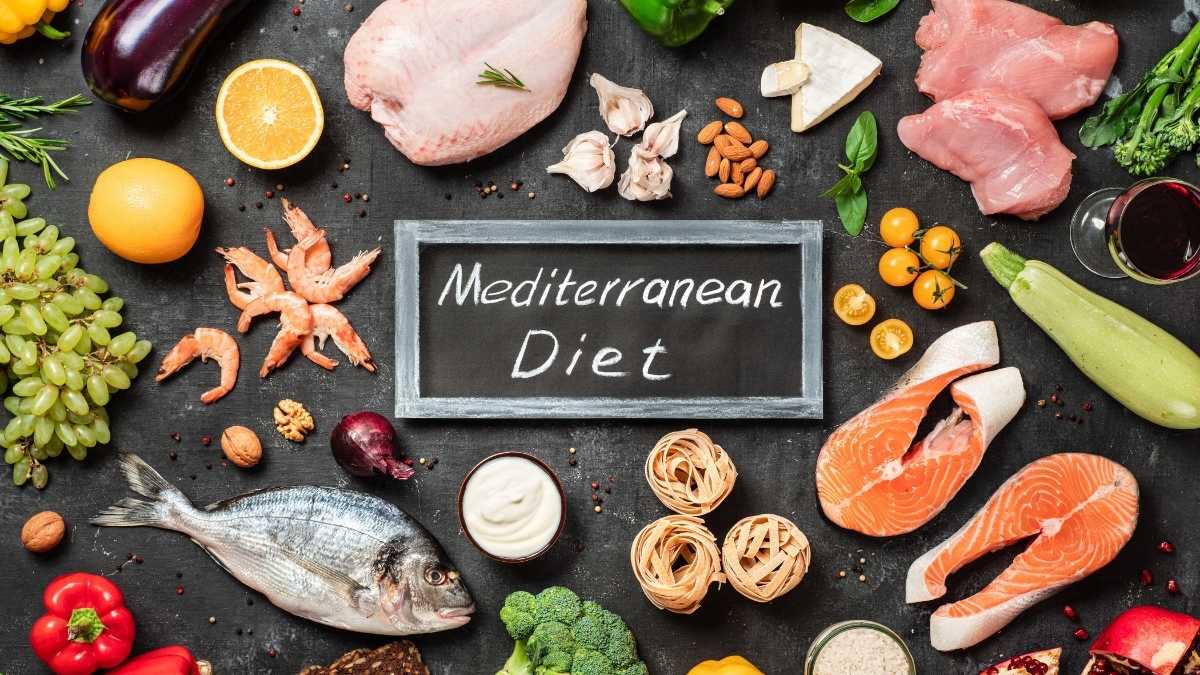
Studies link olive oil, fish, nuts, whole grains, fruits, and vegetables to lower fatty liver risk, while diets high in soft drinks, fructose, red meat, and saturated fat are linked to worse liver outcomes.
Here’s something encouraging. Clinical trials show the Mediterranean diet can reduce liver fat and improve insulin sensitivity even without weight loss. That means the food choices themselves are doing real work, not just the calorie cut.
You don’t have to overhaul your whole kitchen tonight. Swap butter for olive oil this week. Add fish twice a week. Small changes, kept up consistently, add up.
Point Six: Rethink Your Alcohol Habits, the Guidelines Just Changed
Here’s something worth knowing if you drink at all. In January 2026, US health officials updated the Dietary Guidelines for Americans and removed the specific daily alcohol limits.
For years, the guidance was clear. The old limits were two drinks a day or less for men and one drink a day or less for women. The new guidelines just say to consume less alcohol, with no specific numbers attached.

Liver doctors aren’t happy about this. The American Association for the Study of Liver Diseases has raised concern that the new guidelines don’t establish clear daily limits and don’t account for how differently men and women process alcohol.
Understanding what counts as a standard drink is important because many people underestimate how much alcohol they consume. A standard drink contains roughly the same amount of pure alcohol, whether it comes from about 12 ounces of regular beer, 5 ounces of wine, or 1.5 ounces of spirits. However, avoiding alcohol completely remains the safest choice for protecting your liver, heart, brain, and overall health.
Less alcohol is better, even without an official number. If you drink, consider quitting, as avoiding alcohol is the safest option for long-term health. If you already have any liver condition, the safest amount is none. Talk to your doctor about what’s right for you.
Point Seven: Hit the Weight-Loss Number That Actually Reverses Damage
Losing “some” weight helps a little. But research points to a specific number where things really start to turn around.
In a study of 293 people with NASH, a more advanced form of fatty liver disease, those who lost at least 10% of their body weight over a year saw the biggest improvements in liver scarring and disease activity.
The gap between effort levels is striking. Among people who lost 10% or more of their body weight, 90% saw their NASH fully resolve and 45% saw their liver scarring improve, compared with only 10% and 16% among those who lost 5% or less.
That’s a big difference for a modest, steady effort. Even smaller losses help. Multiple trials show that losing just 5 to 10% of body weight leads to real improvement in liver fat.
If weight loss is part of your plan, set a real number based on your current weight, and give yourself months, not weeks, to get there. Slow and steady wins here.
Point Eight: Add One Habit With Real Backing, Your Coffee Cup
Most liver advice tells you to cut things out. This one’s about adding something in, and it might already be in your kitchen.
A 2026 study following more than 350,000 people through the UK Biobank found that drinking five or more cups of coffee a day was linked to a 32% lower risk of cirrhosis, a 47% lower risk of liver cancer, and a 42% lower risk of liver-related death.

You don’t need five cups to benefit, though. Researchers noted the protective effect showed up even at 1 to 2 cups a day and looked strongest around 3 to 4 cups. Similar benefits appeared with decaf coffee, suggesting caffeine isn’t the only helpful ingredient.
This doesn’t mean you should chug coffee all day, especially if it affects your sleep or makes you anxious. But if you already enjoy a cup or two, you’re doing your liver a favor without even trying.
Final Words,
Healing your liver isn’t about a 3-day cleanse. It’s about 8 small, steady habits: moving more, eating real food, watching alcohol, and reaching a real weight-loss number if needed. Pick one step from this list and start this week. Your liver rebuilds itself when you give it the chance.