

In one study of women who had a heart attack, 95% said they had felt something was wrong for weeks before it happened. Most of them did not act on it right away.
You probably picture a heart attack as sudden. Sharp chest pain, then collapse. For a lot of people, it does not work that way.
Doctors call these early signals prodromal symptoms, signs that show up before a major health event. They can appear a month or more before the attack itself.
This guide covers the 7 signs of a heart attack a month before it hits, and how they can look different in men and women.
One note first. This article is educational, not a diagnostic tool. Sudden chest pain, pain down your arm, or trouble breathing means call 911 now, not wait and see.
Point One: Unusual Fatigue That Doesn’t Match Your Day
You feel drained in a way that sleep does not fix. Carrying grocery bags feels harder than it should. Walking to your car leaves you winded.
This is not the tiredness you get after a long week. Normal tiredness goes away with rest. This kind sticks around, even after a full night of sleep, and there is no clear reason for it. No cold, no flu, no late nights.

In a study of 515 women published in Circulation, 70.7% reported unusual fatigue more than a month before their heart attack. That number was higher than any other symptom in the study, including chest discomfort, which only 29.7% reported.
Fatigue rarely shows up alone. It often comes with shortness of breath or trouble sleeping, which we cover next.
Point Two: Chest Discomfort That Comes and Goes
Chest discomfort does not always feel like sharp pain. For a lot of people, it feels like pressure, squeezing, or a strange fullness.
It also does not stick around all day. It might show up for a few minutes, fade, then come back later. That pattern has a name. Doctors call it angina, chest discomfort caused by reduced blood flow to the heart.
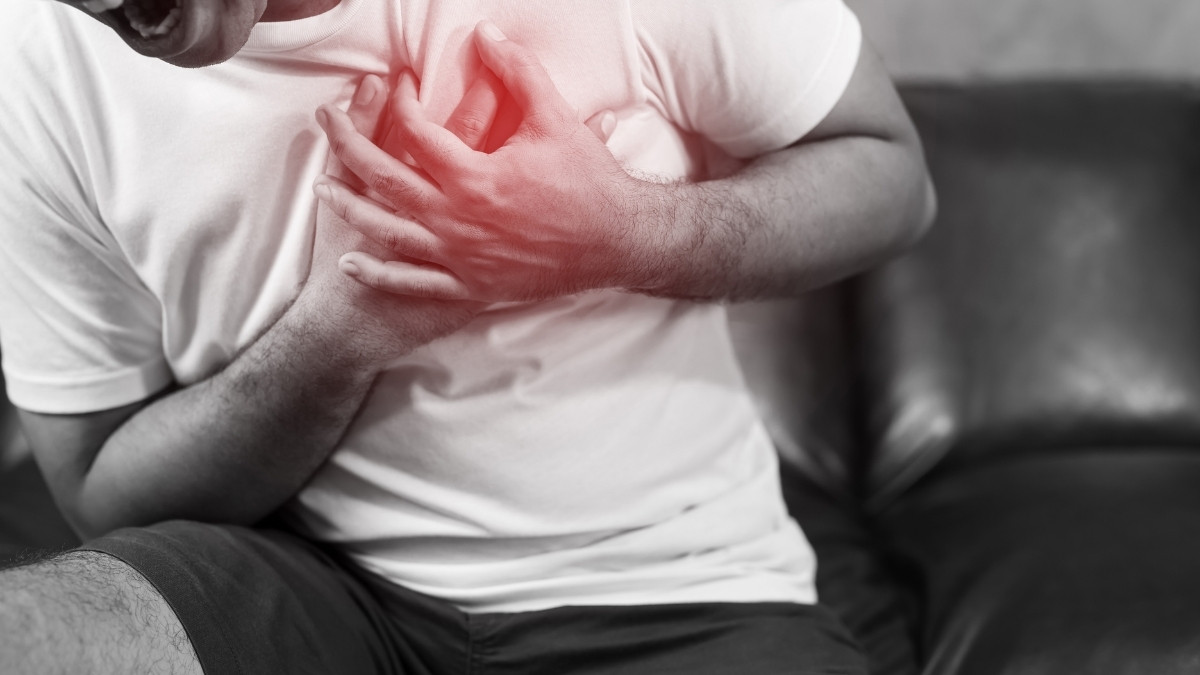
That on-and-off feeling is exactly why people ignore it. If it goes away, it feels like nothing.
In a 2023 study of 242 heart attack patients in Pakistan, chest discomfort was the most common prodromal symptom, reported by 68% of those with early warning signs. These numbers come from a specific patient group, not everyone, so treat them as a guide.
If chest discomfort shows up alongside fatigue or shortness of breath, that combination is worth a call to your doctor.
Point Three: Shortness of Breath With Ordinary Activity
Stairs that used to be easy now leave you catching your breath. A short walk feels like a workout.
This happens because your heart is not moving blood as well as it should. Less oxygen reaches your muscles, so simple tasks feel harder.
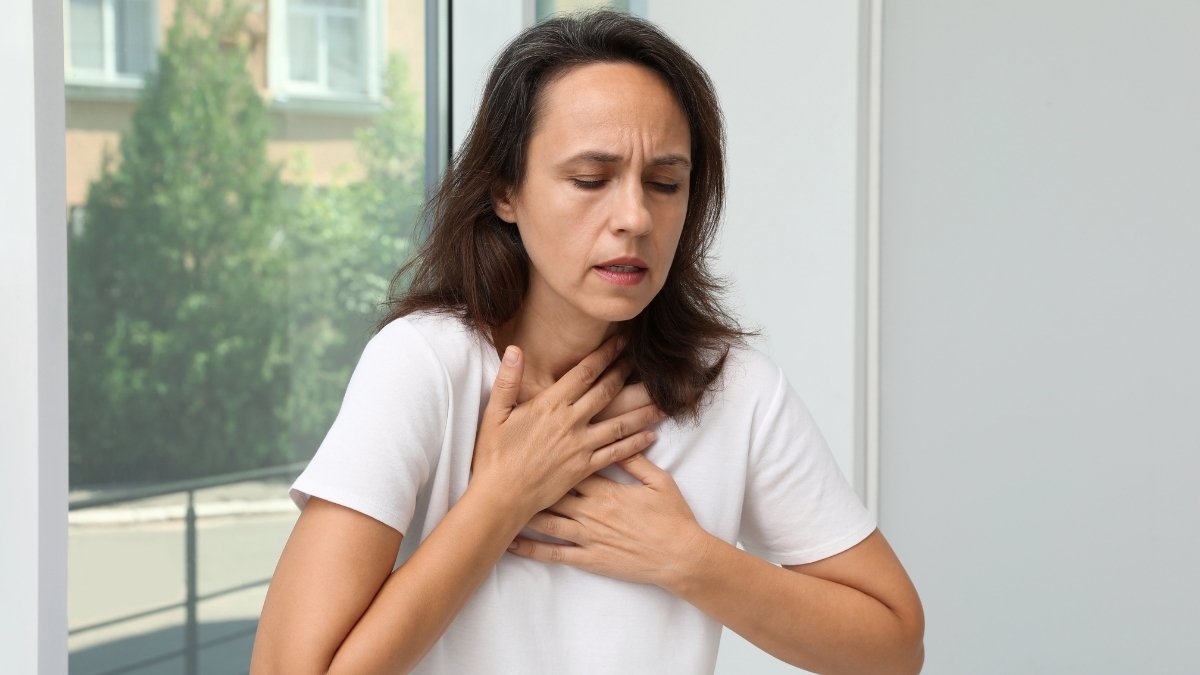
In the same study on women, 42.1% reported shortness of breath more than a month before their heart attack. That makes it one of the top three warning signs in that research, right behind fatigue and sleep trouble.
It is easy to blame this on being out of shape or the weather. But if it is new, and it keeps happening with activities that used to be easy, it deserves attention. It often pairs with fatigue and poor sleep, and together they paint a clearer picture than any one sign alone.
Point Four: Trouble Sleeping or Waking Up Exhausted
You go to bed and cannot get comfortable. Or you wake up after eight hours feeling like you never slept.
This is different from one bad night. It is a pattern, night after night, with no clear cause like stress or a new mattress.

In the same women’s study, 47.8% reported sleep disturbance in the month before their heart attack. That puts it right behind fatigue as one of the most common early signs in that research.
Poor sleep alone does not explain this kind of exhaustion. If you are sleeping enough hours but still waking up drained, and it is paired with fatigue during the day, mention it to a doctor.
Point Five: Dizziness, Lightheadedness, or Unexplained Cold Sweat
You stand up and the room tilts for a second. Or you break into a cold sweat with no clear reason, not heat, not exercise, not nerves.
These moments are usually brief. That is part of why they get brushed aside so easily.

Dizziness showed up as a recurring warning sign across a large share of the research reviewed in a systematic review of prodromal symptoms, appearing in roughly 43% of the studies examined.
It is easy to blame dizziness on dehydration or low blood sugar, and sometimes that is exactly what it is. But if it happens more than once with no clear trigger, do not just wait it out.
Point Six: Pain in the Jaw, Neck, Shoulder, or Upper Back
Your jaw aches. Your shoulder feels sore. Your upper back tightens up, and you cannot point to anything that caused it.
This is called referred pain, pain felt in a spot away from where the actual problem is. Nerve pathways overlap in the body, so trouble in the heart can show up as pain somewhere else entirely.
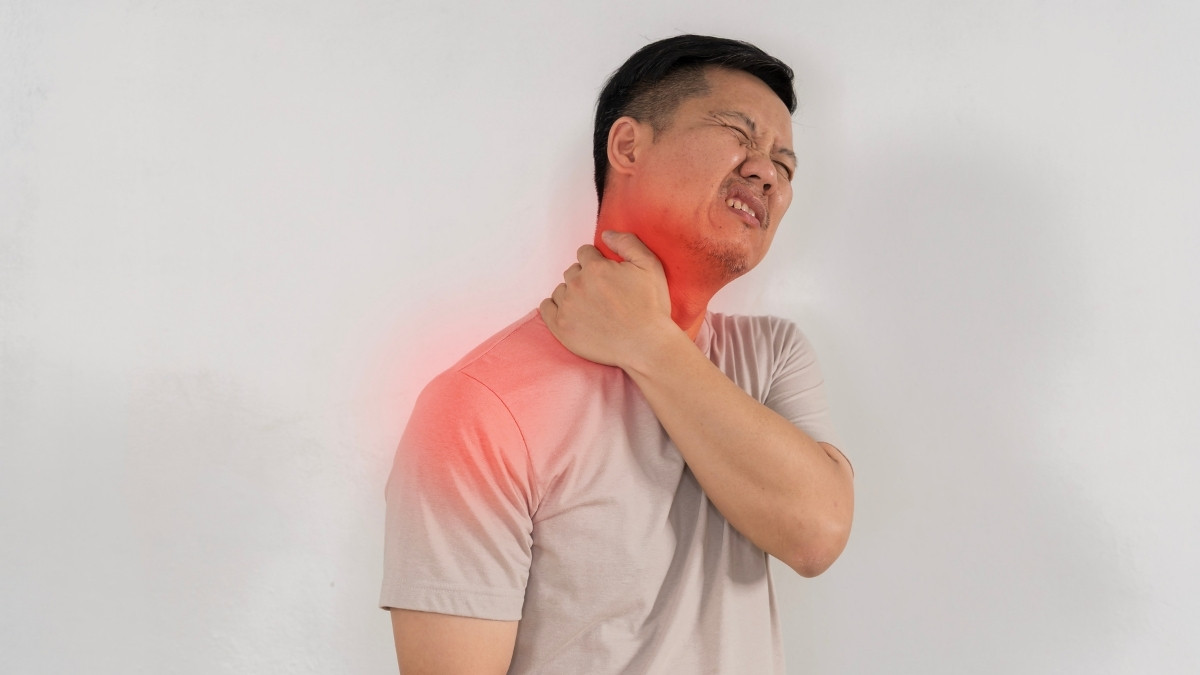
It is easy to mistake this for a dental issue, bad posture, or a pulled muscle, and that mix-up is one reason this sign gets missed.
Across the studies in that same systematic review, arm pain showed up in 86% of the research, while jaw pain and back or shoulder pain each appeared in 43%.³ These study groups were not evenly split by sex or age, so use these numbers as a guide, not a rule.
On its own, this pain is easy to dismiss. Paired with fatigue or shortness of breath, it is worth a conversation with your doctor.
Point Seven: Nausea, Indigestion, or Unexplained Stomach Discomfort
Your stomach feels off. Maybe it is nausea, maybe it feels like indigestion, and antacids do not seem to help.
This symptom rarely gets connected to the heart because it does not feel like a heart problem. It feels like a stomach problem, so that is where most people look for a fix.

In the systematic review covering multiple studies, gastrointestinal complaints, including nausea, vomiting, and indigestion, showed up in 71% of the research reviewed. That is a higher rate than several symptoms people associate more closely with heart trouble.
Here is the important part. If stomach discomfort shows up alongside chest pressure, fatigue, or shortness of breath, do not self-treat it at home and wait to see if it passes. That combination deserves medical attention.
Final Words,
These 7 signs rarely show up alone. They cluster, fatigue with poor sleep, chest pressure with stomach upset.
If you notice several together, call your doctor. If any symptom is sudden or severe, call 911. Do not wait on the signs of a heart attack a month before it strikes.