

Your hands feel cold most days. You reach for a sweater even when everyone else is fine. Maybe you checked your temperature once and it read a little lower than 98.6°F, so you shrugged it off.
Here’s the thing. A low body temperature causes more than a chilly feeling. It can point to your thyroid, your blood sugar, a medication you take, or even a hidden infection.
Most people never connect the dots. They just think they run cold.
This guide breaks down six real, checkable reasons why your body temperature might sit low. You’ll also learn why is my body temperature low is not always as simple as it sounds, and when a low reading actually means something serious.
Thermoregulation Vulnerability Auditor
Assess your low body temperature against clinical markers to identify potential underlying causes, from sluggish thyroids to dangerous hidden infections.
⚠️ Step 1: Emergency Triage
A core body temperature under 95°F (35°C) is classified as hypothermia. Furthermore, low temperatures can mask sepsis in older adults. Are you or the person you are checking experiencing ANY of the following?
- Temperature reading officially below 95°F (35°C)
- Sudden confusion, slurred speech, or extreme drowsiness
- Cold, clammy skin accompanied by severe shakiness
- A weak pulse or sudden loss of physical coordination
Call Emergency Services Immediately
A temperature below 95°F combined with confusion, weakness, or a sudden change in function is not a “wait and see” situation. It may indicate severe hypothermia, a critical blood sugar crash, or sepsis (a dangerous hidden infection). Do not attempt to self-diagnose or merely warm the person up. Seek emergency medical care right now.
Step 2: Clinical Profiling
Since we have ruled out an immediate emergency, let’s identify the underlying cause of your low temperature reading. Select all that apply to your current situation:
Cross-Referencing Symptoms…
Evaluating your profile against known thermoregulation disruptors.
Diagnostic Result
Description goes here.
📖 The Science of Body Temperature
To fully understand why the old 98.6°F standard is outdated, and why older adults can develop hypothermia sitting in a 60°F living room, please read the full article below.

Point One: How to Tell If Your Body Temperature Is Actually Low
Most of us grew up learning that 98.6°F is normal. That number came from a German doctor named Carl Wunderlich, back in 1851. He got it from thousands of patients, and it stuck.
But research from Stanford Medicine found something different. Average body temperature today is closer to 97.9°F, not 98.6°F. It has dropped by about 0.05°F every decade since the 1860s.
Men born in the 2000s run about 1.06°F cooler than men born in the 1800s. Women’s average dropped by about 0.58°F over that same time. So if your temperature reads a little under 98.6°F, that’s not automatically a problem.

Normal also depends on you. Your age, your sex, the time of day, and even your weight all shift where your normal sits.
Here’s how to check yourself the right way. Use an oral thermometer. Take your reading at the same time each day, ideally before eating or drinking anything hot or cold. Do this a few times over a week to find your own baseline.
One low reading is not a reason to worry. But a temperature that drops below 95°F (35°C) is hypothermia. That’s a medical emergency, not something to track and wait on.
Point Two: Why an Underactive Thyroid Makes You Feel Cold
Your thyroid [a small gland in your neck] controls how much heat your body makes. When it slows down, your whole system slows down with it.
Doctors call this hypothyroidism, meaning your thyroid does not make enough hormone. It is directly linked to a lower body temperature.
A recent study of 200 adults found real numbers behind this. People with hypothyroidism had a core temperature of about 36.1°C. Healthy adults in the same study averaged 36.7°C. That’s a real, measurable difference, not just a feeling.

Another study found something interesting. Even when core temperature looked normal, hand temperature was still lower in people with hypothyroidism. So cold hands specifically can be a clue.
Other signs travel with this one. Watch for tiredness that does not go away, weight gain you cannot explain, and dry skin along with feeling cold in a warm room.
Here’s the simple next step. Ask your doctor for a TSH blood test. It is the standard way to check thyroid function.
Some doctors also track basal body temperature at home as an extra clue. This method is debated, and it should never replace a blood test. Even people on thyroid medication can still feel cold sometimes. Around 5 to 10 percent of treated patients report this.
Point Three: Why Getting Older Messes With Your Body’s Thermostat
Your body has built in tools to stay warm. You shiver. Your blood vessels tighten to keep heat inside. As you age, both of these tools get weaker.
Research shows your sweat and shiver responses start changing around age 40. The changes become much more noticeable after 60 or 70.
Here’s what that means in real life. An older adult takes almost twice as long as a younger person to get back to a normal temperature after being cold. Their body just cannot bounce back as fast.
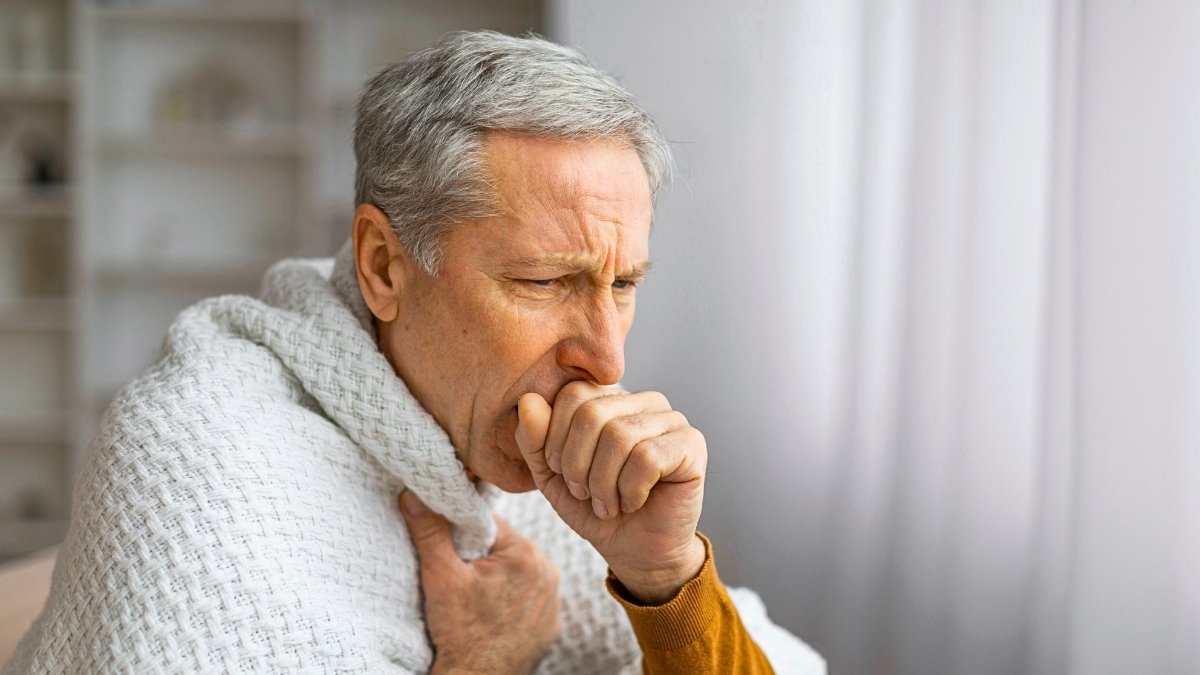
This is not just about the weather outside. A frail older adult sitting in a house at 60°F after a power outage can develop mild hypothermia overnight. They never even step outside.
This matters if you are checking on an older parent or relative. Do not just check their coat closet. Check the temperature inside their home too, especially in winter.
If someone you love always seems cold at home, do not brush it off as just getting older. It is worth a conversation with their doctor, especially if it comes with confusion or tiredness.
Point Four: How Low Blood Sugar Drops Your Temperature Too
Your brain needs glucose to help control your body temperature. When your blood sugar crashes, that control system weakens too.
This mostly affects people with diabetes, especially those using insulin or other blood sugar medication. A drop in blood sugar can bring a drop in temperature right along with it.
One study looked at patients with severe low blood sugar, with glucose between 18 and 54 mg/dL. Nearly 23 percent of them also had hypothermia, meaning a temperature under 95°F.
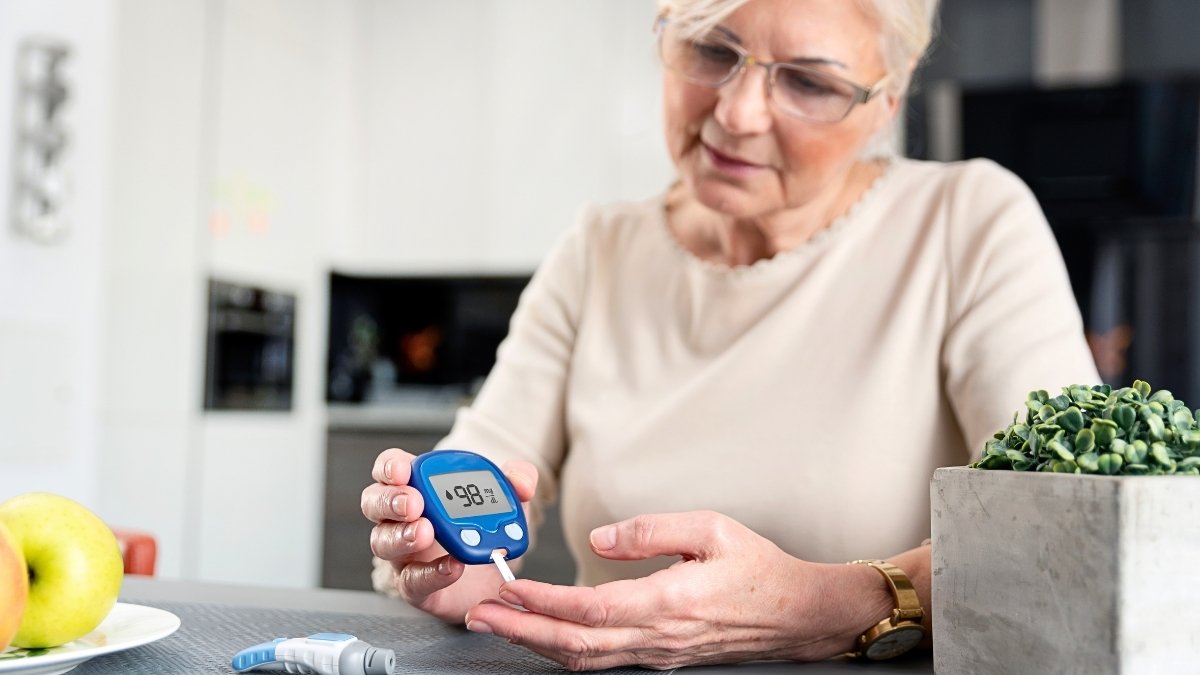
Watch for these signs together. Cold, clammy skin. Shakiness. Confusion. A lower than normal reading on the thermometer.
Important safety note before anything else. If someone shows confusion or faints along with a low temperature, treat the blood sugar first and get help right away. Do not wait to see if it passes.
A single low reading tied to a skipped meal is not alarming. A repeating pattern is what needs attention. Check your blood sugar with a home glucose meter and bring the pattern to your doctor.
Point Five: Why a Hidden Infection Can Lower Your Temperature Instead of Raising It
Here’s the one that surprises most people. You expect an infection to cause a fever. Sometimes it does the opposite.
Sepsis [your body’s extreme and dangerous reaction to an infection] can actually push your temperature down instead of up. This is especially true in older adults, whose immune systems do not fight back the same way younger bodies do.
Research backs this up. In one large study, elderly sepsis patients with a temperature below 36°C did not show the same fever pattern seen in younger patients. Their bodies responded differently, which made the low reading harder to catch.

This does not mean every low temperature means sepsis. But it does mean a low reading should never be brushed off as nothing, especially in someone older or already sick.
Before anything else, know this. A temperature below 96°F combined with confusion, weakness, or a sudden change in how someone functions is not a wait and see situation. It needs emergency care right away.
Knowing this pattern matters. It means catching something serious before it gets worse, instead of dismissing it as just feeling a bit off.
Point Six: Which Medications Can Make You Run Cold
Some medications interfere with your hypothalamus [the part of your brain that controls temperature]. When that control center gets thrown off, your temperature can drop.
Several types of medication are linked to this. Antipsychotics. Benzodiazepines. Opioids. Some antidepressants. Beta-blockers used for blood pressure or heart conditions.
Timing matters here. Research shows the highest risk shows up in the first week after starting a new medication or increasing a dose. After that, the risk tends to settle down.
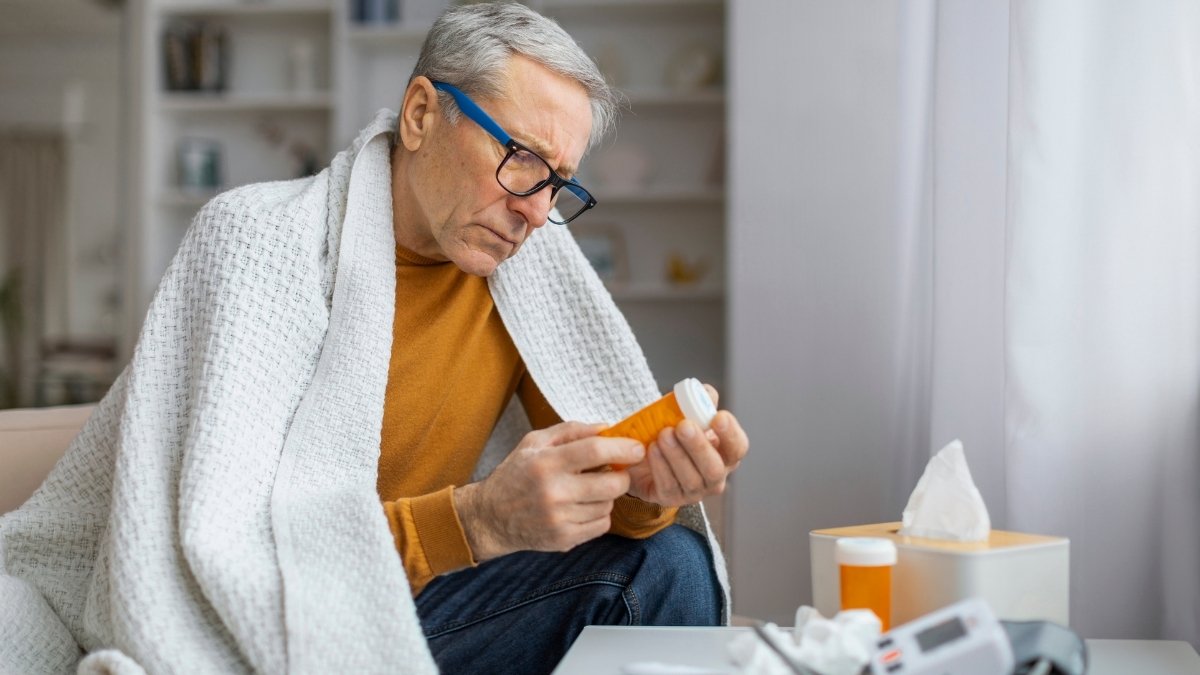
This risk goes up if you are also older or already dealing with a thyroid problem. The combination adds up.
Here’s what to do, and what not to do. Do not stop any medication on your own. Do mention a consistently low temperature reading to whoever prescribed it. That is their call to make, not yours to guess at.
It is easy to blame the weather or a bad night’s sleep. But a new medication is often the simpler answer, especially if the cold feeling started right after a prescription change.
Point Seven: Why Not Eating Enough Lowers Your Body Temperature
Your body needs fuel to make heat. When you consistently eat too little, your metabolism slows down to save energy. Your temperature can drop right along with it.
Mayo Clinic lists poor nutrition as a recognized risk factor for hypothermia, right alongside thyroid problems and other medical conditions.
This is not about a single skipped breakfast. It shows up with crash diets or regularly skipping meals, a pattern that lasts weeks, not one missed lunch.

Cold hands paired with low energy is often the first sign people notice, long before anything shows up on a scale. If your eating has been lighter than usual lately and you feel colder than normal, that combination is worth paying attention to.
The fix here is simple, not extreme. Eat consistent, adequate meals instead of restrictive ones. If cold intolerance shows up alongside noticeable weight loss, talk to your doctor rather than trying to figure it out on your own.
Point Eight: When a Low Temperature Means Call for Help Now
Everything above matters, but this section matters most. Here’s when a low temperature stops being something to track, and becomes an emergency.
Before anything else, know the warning signs. A temperature below 95°F. Confusion. Slurred speech. A weak pulse. Extreme drowsiness. Trouble with coordination.
If you see any of these signs together with a low reading, call emergency services right away. Do not try to warm the person up and wait to see if it helps first.

Go back to Point One for a second. A single low reading on its own is not a crisis. It might just be your normal. But a low reading paired with any of the signs above is different. That combination means it is time to act, not observe.
This is the line worth remembering. Checking your temperature is useful. Ignoring these signs is not.
Final Words,
A low body temperature causes more concern when it comes with confusion, extreme tiredness, or a reading under 95°F. On its own, a slightly low number is often just your normal.
Take a baseline reading this week. Notice any pattern. Bring it to your doctor instead of guessing at the cause yourself.