
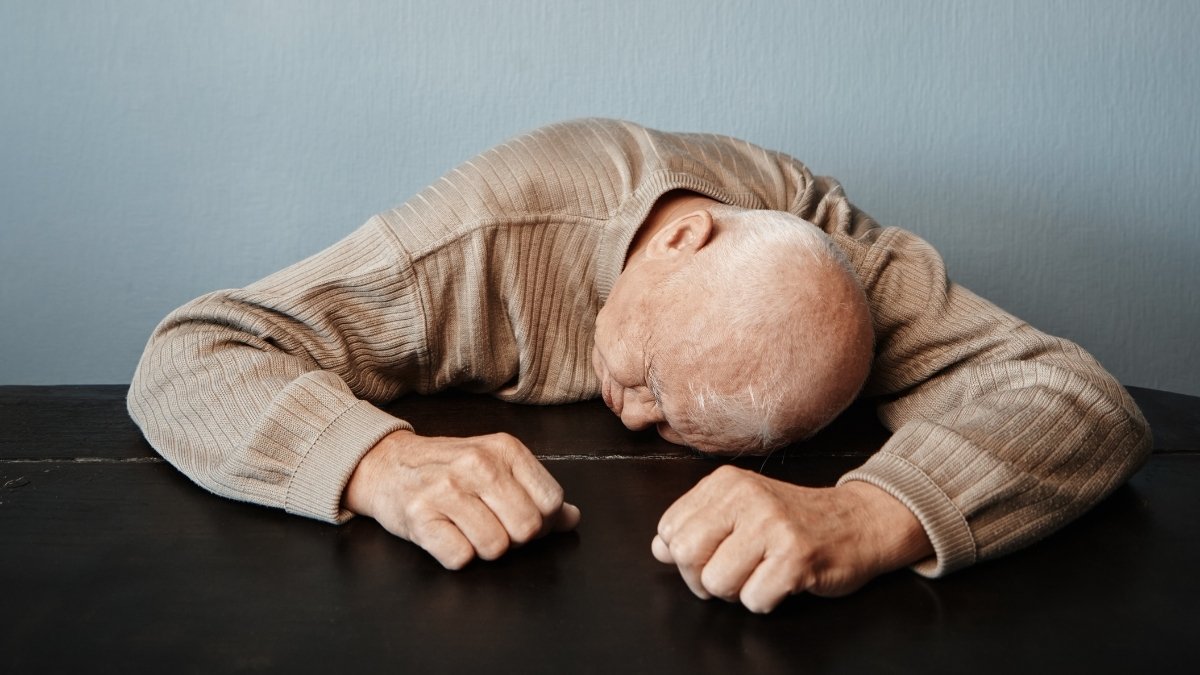
You feel it on the stairs, carrying groceries, or getting up off the floor. It takes more effort than it used to. Most people treat that weakness as an unavoidable part of getting older, never realizing it’s actually the engine driving the aging process itself.
What makes this harder at 40, 50, or 60 is that weakness feels like a verdict. But it is one of the most reversible conditions your body can produce.
Adults who feel physically weaker than they used to are not just losing strength. They’re losing years. The connection between muscle weakness and aging runs deeper than most people know. The path back is closer than you think.
Muscle Age Reversal
Interactive biological clock protocol. Discover if weakness is aging you faster, and calculate your exact reversal steps.
Aging muscle suffers from anabolic resistance. You need 1.0 – 1.6g of protein per kg of bodyweight.
Daily Protein Target
Why Muscle Weakness Is Actually What Ages You, Not the Other Way Around
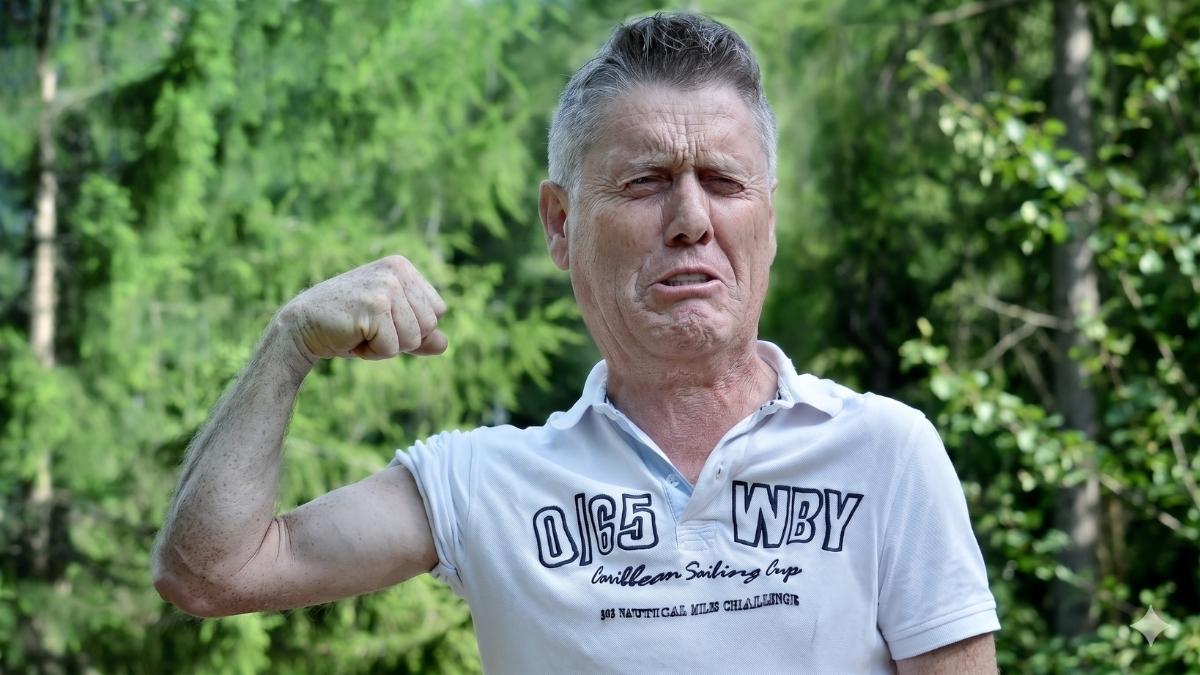
You’ve been told that aging makes you weak. That’s the wrong way to look at it. The good news is that you can actually change this.
Muscle weakness and aging are connected, but muscle is the driver. When your muscle shrinks, everything else follows.
Muscle is the largest metabolic organ in your body.
It controls your blood sugar. It fights inflammation. It helps protect your heart and other organs. When muscle disappears, every one of those jobs gets harder.
Your muscle mass drops 3 to 8 percent every ten years after age 30. After 60, that rate speeds up.
By the time most people notice something is off, they’ve already lost a decade of muscle.
Someone in their mid-50s who skipped strength training for ten years may have lost 15 to 20 percent of their peak muscle. They’re not weaker because they’re older.
They’re older because they’re weaker.
That’s biology, not a word game.
You can reverse this. Not all of it. But enough to change the direction. The first step is knowing what signs are already showing up in your body.
6 Signs Your Body Is Aging Faster Than Your Age
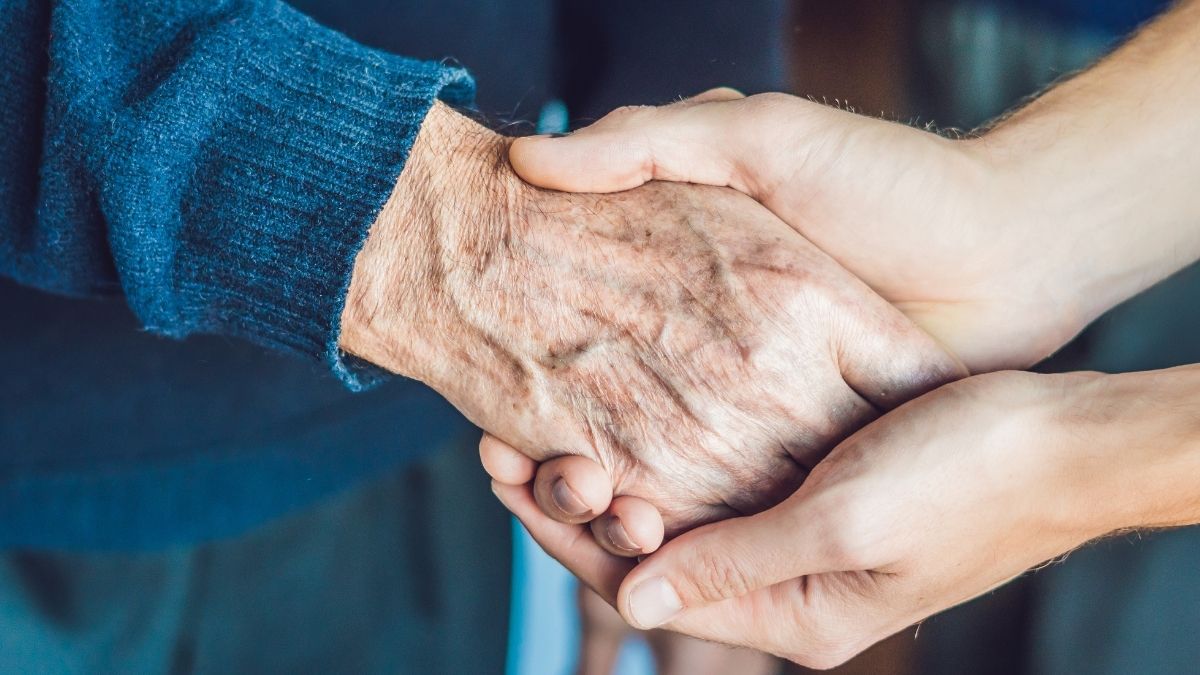
You may already have some of these and not realize it.
These six sarcopenia signs and symptoms are how age-related muscle loss shows up in daily life. [sarcopenia: the gradual, progressive loss of muscle mass and strength with age]
Signs of
Muscle Decline
Sign 01
Weaker Grip
Grip strength is one of the strongest predictors of early death. Weak grip raises the risk of dying sooner, independently of body weight, activity level, or other health conditions.
Sign 02
Slower Recovery
You take longer to recover from effort. A hard day on your feet or a long walk wipes you out more than it should. That is your muscle struggling to rebuild.
Sign 03
Unsteady Balance
Your balance is less steady. You stumble more and catch yourself more often. Muscle loss reduces how fast your body corrects its position.
Sign 04
Harder Everyday Tasks
Everyday tasks feel harder than they should. Carrying bags, climbing stairs, and getting off the floor all cost more effort than they used to.
Sign 05
Midsection Changes
Your midsection has changed without weight gain. You may weigh the same, but fat is quietly replacing the muscle you have lost over time.
Sign 06
Slowed Walking Pace
Your walking pace has slowed. Researchers use a walking speed below 0.8 meters per second as a clinical marker for identifying muscle decline.
If three or more of these describe you, muscle loss is already happening, and the only question is how far it has gone.
What Happens Inside Your Body When Muscle Disappears
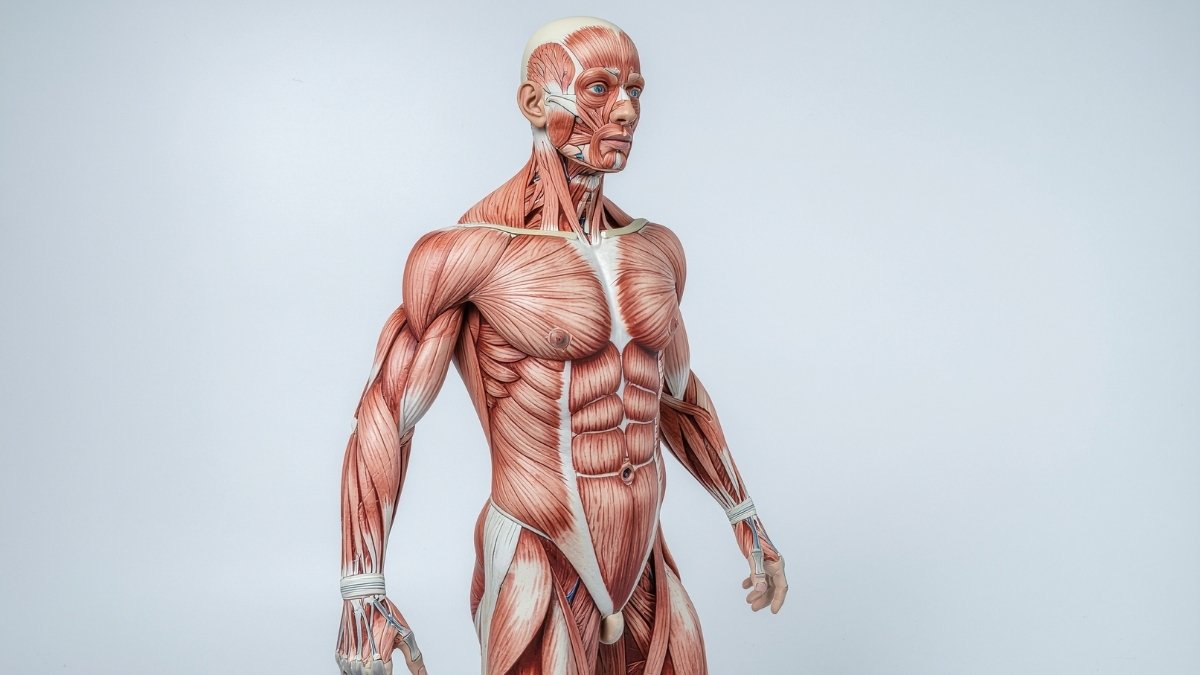
Your body doesn’t just get weaker when muscle disappears. It gets sicker.
Skeletal muscle handles up to 80 percent of your blood sugar after eating. When it shrinks, that control breaks. Your risk of diabetes and heart disease rises.
But blood sugar is only the start.
Muscle sends chemical signals that lower inflammation throughout your body. [myokines: anti-inflammatory messengers released by working muscle] When you lose muscle, those signals drop off. Chronic inflammation fills the gap. That inflammation speeds up cellular aging.
Your muscle also holds most of your body’s power generators. [mitochondria: structures inside cells that produce energy] When muscle shrinks, you have fewer of them. Your heart, brain, and immune system all run on less fuel.
You feel that as a fatigue that goes deeper than being tired.
The first muscle fibers you lose are your fast-twitch fibers. [Type II fibers: the ones that power quick moves and catch you mid-fall] Without them, your reflexes can’t keep up. A stumble becomes a fall.
Every one of these losses sets up the next one. None of them correct on their own.
Why Most Fitness Advice Makes This Problem Worse

You’ve probably been doing what you were told. Exercise more. Watch what you eat. Cut calories.
These are good habits. But for stopping muscle loss, most of them miss the mark.
Cardio alone doesn’t stop muscle aging.
Doing cardio and skipping weights is the most common mistake adults over 40 make. Walking, cycling, and swimming are great for your heart.
But none of them give your muscles the resistance they need to stop shrinking. Without that resistance, your muscle fibers keep disappearing no matter how often you work out.
Protein is the second problem.
Most adults eat roughly 0.8 grams of protein per kilogram of body weight each day. That amount was set for younger adults. It’s not enough for aging muscle.
Aging muscle doesn’t respond to protein the way it used to. [anabolic resistance: the reduced ability of older muscle to respond to protein or exercise stimulus] Researchers now recommend 1.0 to 1.6 grams per kilogram per day for adults over 50.
Cutting calories without a plan is the third mistake.
When you eat less without lifting weights, your body burns muscle along with fat. The scale might go down, but you’re losing the wrong thing.
Talk to your doctor before changing your diet or starting a new exercise program, especially if you take medication or manage a chronic condition.
Two workouts a week is the fix, and it’s nothing like what most people expect.
The Reversal Protocol: How to Stop and Roll Back the Clock
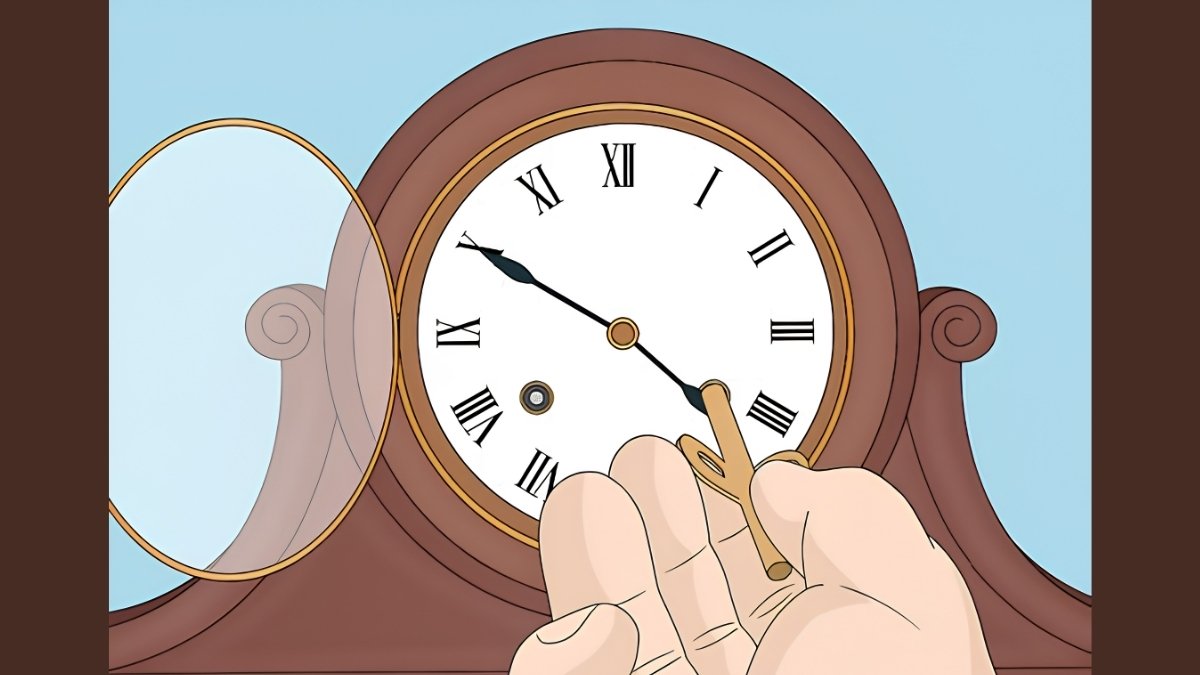
You can reverse muscle loss. Stopping the link between muscle weakness and aging starts with one thing: resistance training. Research confirms that adults in their 70s and 80s can rebuild meaningful muscle and shift measurable markers of aging.
Strength training for aging adults is the main tool. You need at least two sessions per week, using movements that challenge major muscle groups.
You don’t need a gym to start.
Resistance bands and bodyweight exercises done consistently will produce real results. The goal isn’t to become an athlete. It’s to give your muscle a reason to stay.
Save This: The 4-Step Protocol to Reverse Muscle Loss
1. Lift at least twice a week. Use compound moves: squats, presses, rows, lunges. Resistance bands and bodyweight count.
2. Add more resistance each week. Muscle grows when challenged. A load that never changes won’t build anything.
3. Eat more protein. Aim for 1.0 to 1.6 grams per kilogram of body weight per day. After 50, target 30 to 40 grams per meal.
4. Rest between sessions. Muscle is built during recovery, not during the workout itself.
Your protein intake matters just as much as the training itself.
Most adults over 50 don’t eat enough protein to support muscle growth. Aging muscle needs more per meal than younger muscle does.
After six months of consistent resistance training, older adults’ muscle genes began behaving like those of younger people. Researchers measured this directly in tissue biopsies.
The biological clock inside the muscle moved backward.
There is only one thing that cancels this entirely.
The One Mistake That Resets All Your Progress
You start training. You feel stronger. Then life gets busy, and you stop for two weeks. When you come back, it’s harder than it should be.
That’s not in your head. It’s biology.
Every time you stop, your muscle starts losing what you built.
Older adults lose muscle during inactivity faster than younger adults do. Muscle strength declines roughly 3 percent per year without training.
Muscle power, the kind that catches you mid-fall, drops at roughly 8 percent per year. That is almost three times faster than strength loss alone.
Two weeks off can erase weeks of progress for someone over 50.
The damage isn’t just the loss. Rebuilding after a break takes longer than it took to lose. Most people restart, struggle sooner than expected, and quit again.
The fix is to never fully stop. On difficult weeks, do one session instead of two. A ten-minute bodyweight workout is enough to protect what you’ve built.
That is not ideal, but it keeps the progress alive.
Consistency beats intensity every time. One imperfect session per week beats two perfect ones that never happen.
Strength training for aging adults only works if it stays in your life. Stop and restart enough times, and muscle weakness keeps aging your body faster than it needs to.
Final Words,

The connection between muscle weakness and aging is a chain you can break. Start a resistance-based strength routine at least two days per week. Begin this week, not next month. Your muscles don’t care how old you are. They respond to challenge at any age. The direction changes the moment you start.