
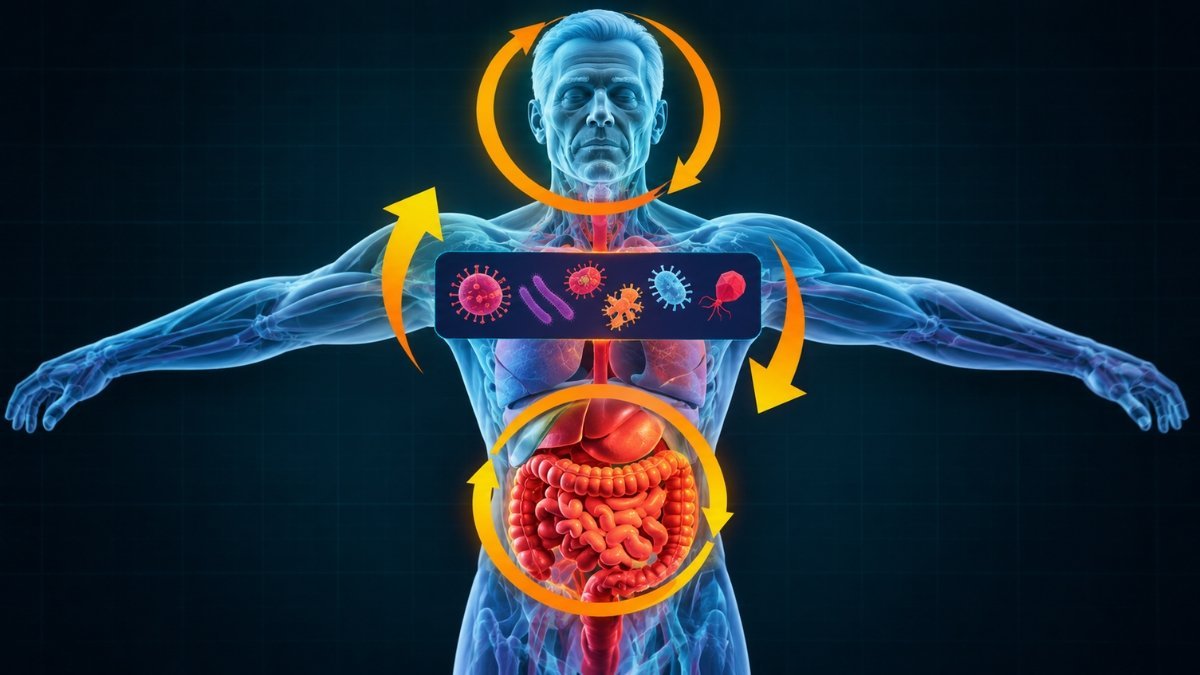
Your gut microbiome after 60 is shaping your brain every single day.
Trillions of bacteria are making chemicals that either calm inflammation or feed it. You never feel it happening, but your memory sits downstream of that choice.
Studies of older adults now show that people with memory problems tend to carry a different mix of gut bacteria than people who stay sharp. Their brains can even scan as older than their actual age.
That is the unsettling part. A gut that drifts in the wrong direction may be quietly speeding up the very decline most people fear, and most people never think about it until memory starts slipping.
The encouraging part is that you can influence it three times a day, with a fork. Here is what the research really shows, what it does not prove yet, and the food changes with the best evidence behind them. No miracle claims, just the evidence.
How Your Gut Microbiome After 60 Talks To Your Brain
Your gut and brain are in constant conversation. Scientists call this the gut brain axis, a two way network that runs through nerves, hormones and immune signals.
The most important messengers are made by bacteria. When gut microbes ferment fiber, they produce short chain fatty acids such as butyrate, acetate and propionate.
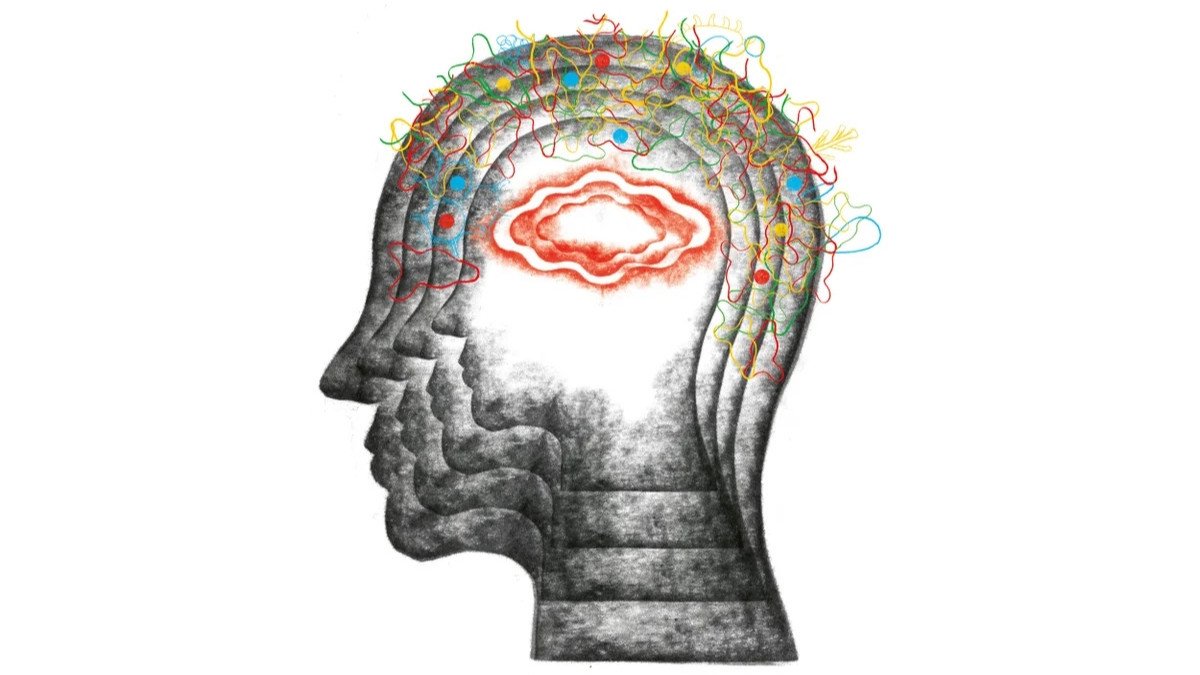
These compounds can cross the blood brain barrier, which is why researchers keep studying them in connection with Alzheimer’s and Parkinson’s disease. Butyrate in particular has shown protective effects on brain function in animal studies.
Age changes the balance. The mix of microbes tends to shift toward species that promote chronic inflammation, and away from the ones that supply protective compounds.
That imbalance is called dysbiosis. It has also been linked to a more permeable gut lining, which can let inflammatory signals spread through the body and reach the brain.
In plain terms, a varied gut makes brain friendly chemicals. A depleted gut makes fewer of them and leaks more trouble.
Before making any changes based on this article, talk to your doctor, especially if you take medication or have a diagnosed condition.
What Studies Of Older Adults Actually Found
Researchers in South Korea recruited 292 people from memory clinics and combined brain MRI scans with stool samples. Greater gut imbalance was linked to worse cognitive scores, and part of that effect was explained by a higher “brain age.”

Another study of 229 adults aged 60 and older found that those with cognitive impairment had less diverse gut bacteria than those without.
A study published in Molecular Psychiatry followed a large group of older adults over time. It suggested the gut microbiome may help predict future cognitive decline and depressive symptoms.
Protective Gut Versus Troubled Gut
Microbiome Patterns & Neurological Aging
Comparing protective microbial ecosystems against troubled gut-brain patterns linked to cognitive decline.
Higher diversity
Lower diversity (seen in cognitive impairment)
More butyrate-producing bacteria
Fewer butyrate producers
Intact barrier
Increased intestinal permeability
Lower inflammatory signaling
Chronic, low-level inflammation
Brain age close to real age
Brain age older than chronological age
Does This Prove Your Gut Causes Memory Loss?
Not yet. Most of this research shows a link, not a cause.
The strongest hints come from animals. Harvard Health reported on a 2023 study in which healthy rats developed Alzheimer’s type changes after receiving gut microbes from people with Alzheimer’s.
In another study, moving gut microbes from young mice into older mice slowed age related cognitive decline. Both findings are early, and people are far more complicated than lab animals.

A mouse model of Alzheimer’s added a timing clue. Butyrate producing bacteria declined with age, and those gut changes appeared before memory problems and other brain changes showed up.
A 2026 study in Nature, also in mice, pointed to the vagus nerve as a possible route. Gut microbes may disrupt signaling along that nerve in ways that contribute to age related memory decline.
These are clues worth following, not instructions for your dinner plate. The human trials below are where the practical advice comes from.
The Eating Pattern With The Best Evidence
The most convincing human trial so far is called NU AGE. It followed 612 people aged 65 to 79 across five European countries.
Half kept their usual diet. The other half followed a Mediterranean diet for 12 months, rich in fruits, vegetables, nuts, legumes, olive oil and fish, and low in red meat and saturated fat.
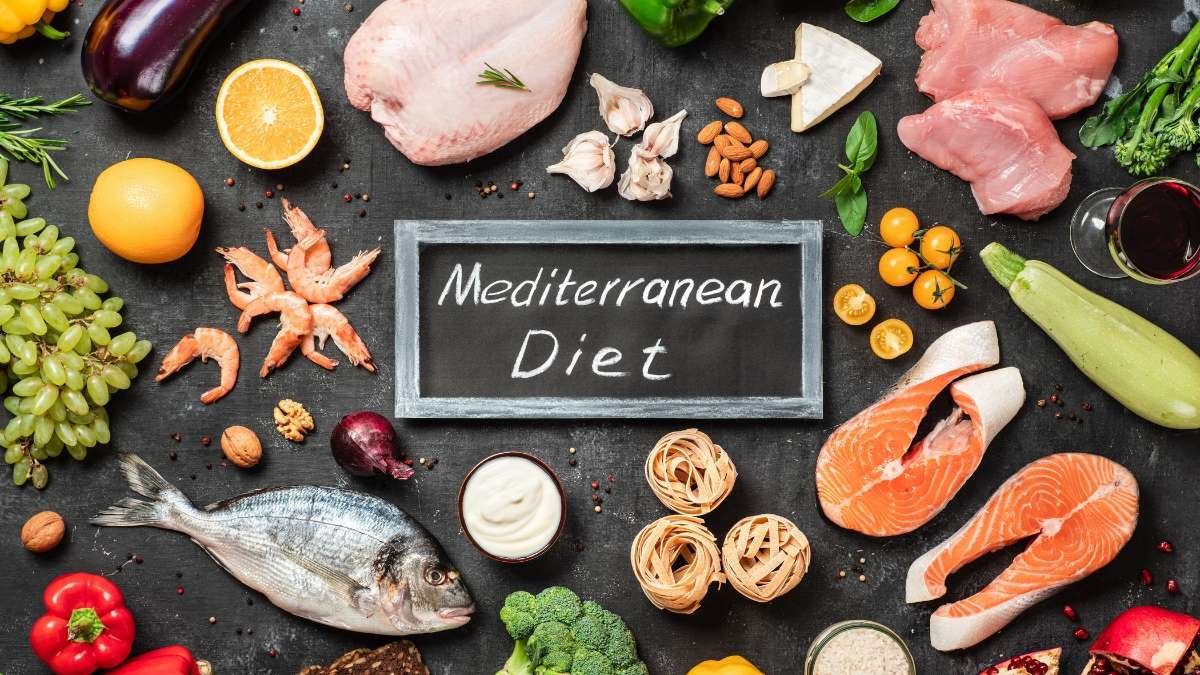
The Mediterranean group showed beneficial shifts in gut bacteria. The microbes that grew acted as keystone species, meaning they help hold the gut ecosystem together and crowd out microbes tied to frailty.
Over the year, people who stayed on their usual diet became frailer. Those on the Mediterranean diet did not.
Related NU AGE research linked stronger adherence to better global cognition and episodic memory. A larger review of trials covering 4,275 adults over 45 also found that people eating a Mediterranean diet with olive oil or mixed nuts scored better on cognitive tests than low fat controls.
The review authors called the overall evidence preliminary, and that is the honest way to read it. Promising, not proven.
Why Fiber Alone May Not Be Enough
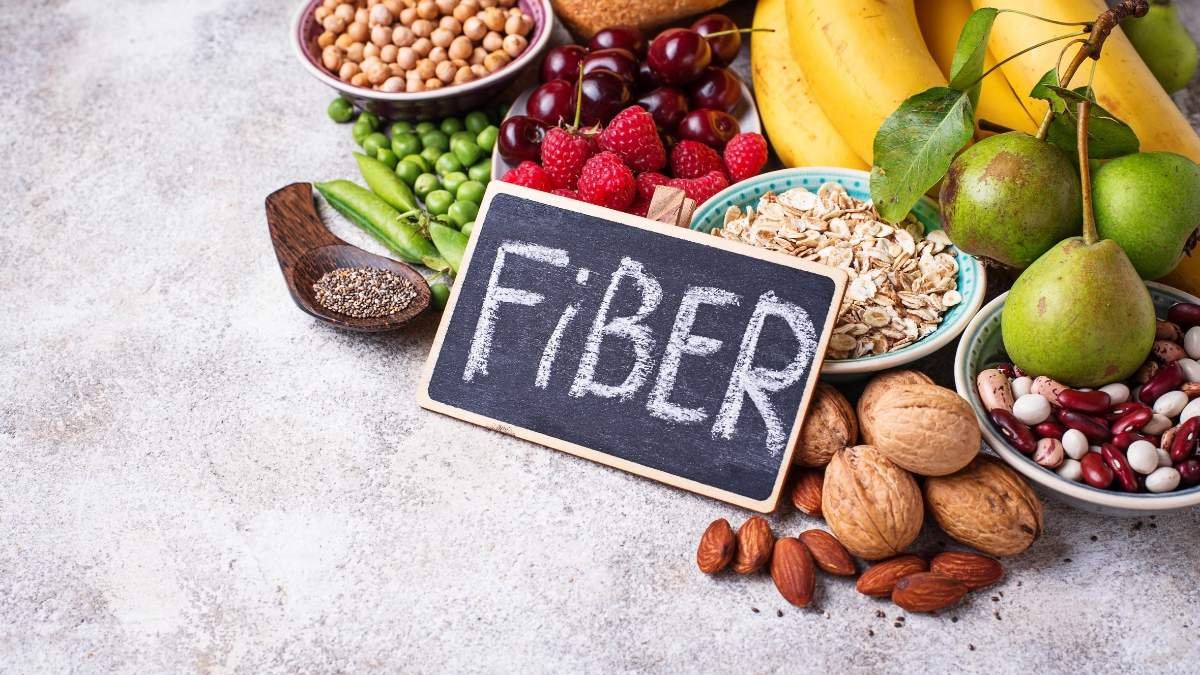
Fiber feeds the bacteria that make butyrate, and most people fall short. Adults over 50 are generally advised to get about 21 grams a day for women and 30 grams for men, yet the average American eats roughly 15 grams.
A US survey of adults aged 60 and older found that higher dietary butyrate intake was linked to better cognitive scores. That was a snapshot in time, so it cannot show cause and effect.
Here is the twist. In a Stanford trial of 36 healthy adults, 10 weeks of eating more fermented foods increased gut microbial diversity and lowered 19 inflammatory proteins, including interleukin 6.
The high fiber group, on average, did not see diversity rise over that period. The researchers suggested fiber may simply need more time to reshape the gut.
That trial studied healthy adults, not a group of seniors, so it points a direction rather than settling the question. The practical takeaway is to do both: fiber to feed your gut bacteria, and fermented foods to add live microbes.
Raise fiber slowly over a few weeks and drink water with it. A sudden jump tends to cause gas, bloating and cramping.
The numbers here are general guidelines, and everyone’s body responds differently. Check with your doctor before big diet changes if you have a digestive condition, kidney disease, or take medication.
A Gut-Friendly Shopping List
High-fiber staples, live fermented microbes, and polyphenol-rich fats to nourish your gut ecosystem.
1 cup (~15 grams of fiber)
1 cup cooked (~4 grams of fiber)
1 serving a day
A small side portion
Drizzle on salad, handful as snack
The Small Daily Habit Box
Try This Today
- Add one cup of beans or lentils to lunch or dinner.
- Swap white rice for brown rice. A cup of brown rice has about 3.2 grams of fiber, versus 0.6 for white.
- Eat one fermented food such as plain yogurt, kefir or kimchi.
- Cook with olive oil and keep a small handful of nuts within reach.
- Add fiber gradually over a few weeks, with a glass of water alongside.
Questions Readers Ask Next
Do probiotic pills protect memory?
Some small studies in older adults have reported cognitive gains alongside shifts in the gut microbiome. Research is still early, so food comes first.
How long before anything changes?
Gut bacteria can shift within weeks, and the Stanford trial saw changes in 10 weeks. The NU AGE benefits showed up over a full year, so think of this as a long game.
Should I take a fiber supplement?
Some people do need one, but it is not a replacement for real food. The Mayo Clinic advises checking with your doctor before starting a fiber supplement.
When To Stop Reading And Call A Doctor

Gut changes and memory changes can both signal something serious. Do not wait on a diet fix if you notice any of these:
- Memory loss that disrupts daily life, such as missed bills, repeated questions or getting lost on familiar routes.
- Sudden confusion or a sharp change in personality or mood.
- Blood in your stool, black stools, or unexplained weight loss.
- Ongoing changes in bowel habits that last more than a couple of weeks.
The Bottom Line For Your Gut And Your Memory
Your gut microbiome after 60 is not a fixed hand of cards. It responds to what you eat, and early evidence suggests that a Mediterranean style pattern, plenty of fiber and regular fermented foods point it in the right direction.
The science is still catching up, and nobody can promise that food alone will protect your memory. But these changes cost little, carry low risk for most people, and support your heart and digestion along the way.
This article is for informational purposes only and is not a substitute for professional medical advice, diagnosis, or treatment. Always consult your doctor or a qualified healthcare provider before changing your diet, exercise routine, or medications, especially if you have an existing health condition or concerns about your memory.