
You already know something is different. You can feel it, even if you can’t name it yet. Most people over 50 are blindsided by real physical changes happening inside their body because no one explains these changes in plain language before they start.
This article is for women in their 50s who feel like their body is changing and want clear answers, not medical jargon. You won’t find a list of things to fear here. By the end, you’ll know exactly which body changes after 50 matter most, in what order, and what to do first.
The First Thing That Shifts: Your Muscles Start Losing Ground Before You Feel It
You might notice it as fatigue after climbing stairs, or groceries feeling heavier than they used to. That’s your body signaling a change that actually started years ago, and it’s the first domino in nearly every other body change after 50.
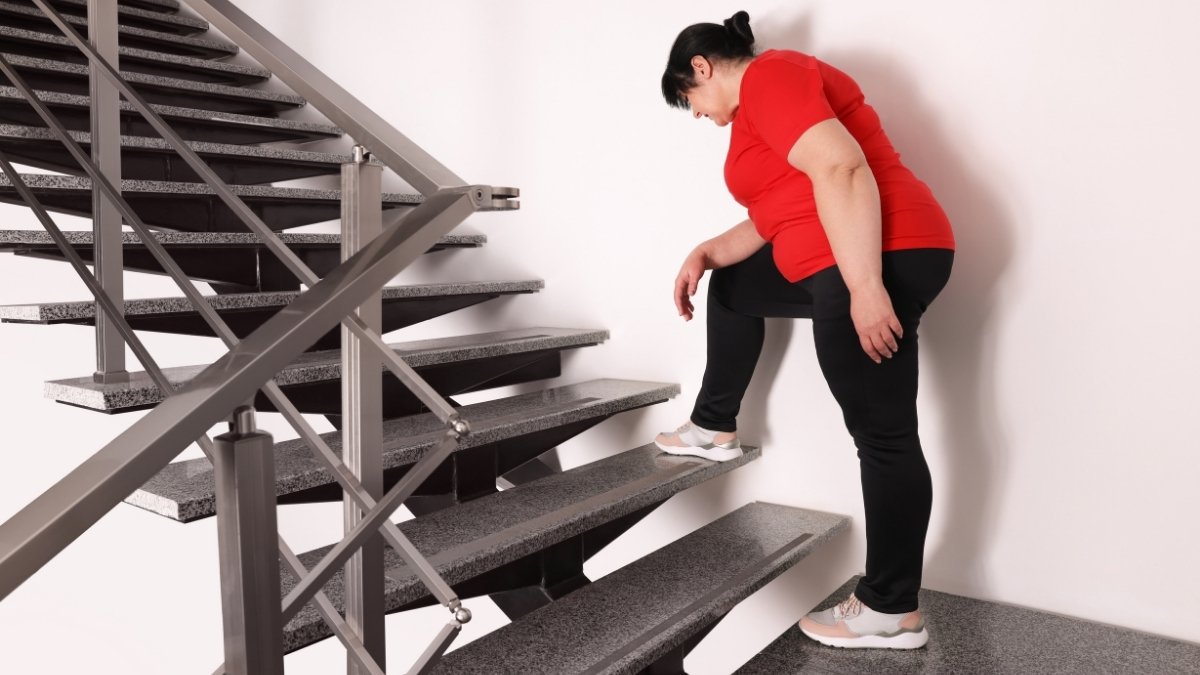
Muscle loss is silent. After age 50, muscle mass decreases at a rate of 1 to 2 percent every year. Strength declines by 1.5 percent per year between ages 50 and 60, and by 3 percent per year after that.
This process has a clinical name: sarcopenia [the age-related loss of muscle mass and strength that affects the ability to do everyday tasks]. It’s not a rare diagnosis. It begins in your 30s and picks up speed in your 50s.
Here’s what makes it the first change to address. Muscle is the body’s most metabolically active tissue, meaning it burns more calories at rest than fat tissue. Muscle also pulls on bone during movement, which signals bone cells to stay active and rebuild. Lose enough muscle and almost every other system in your body feels the effect.
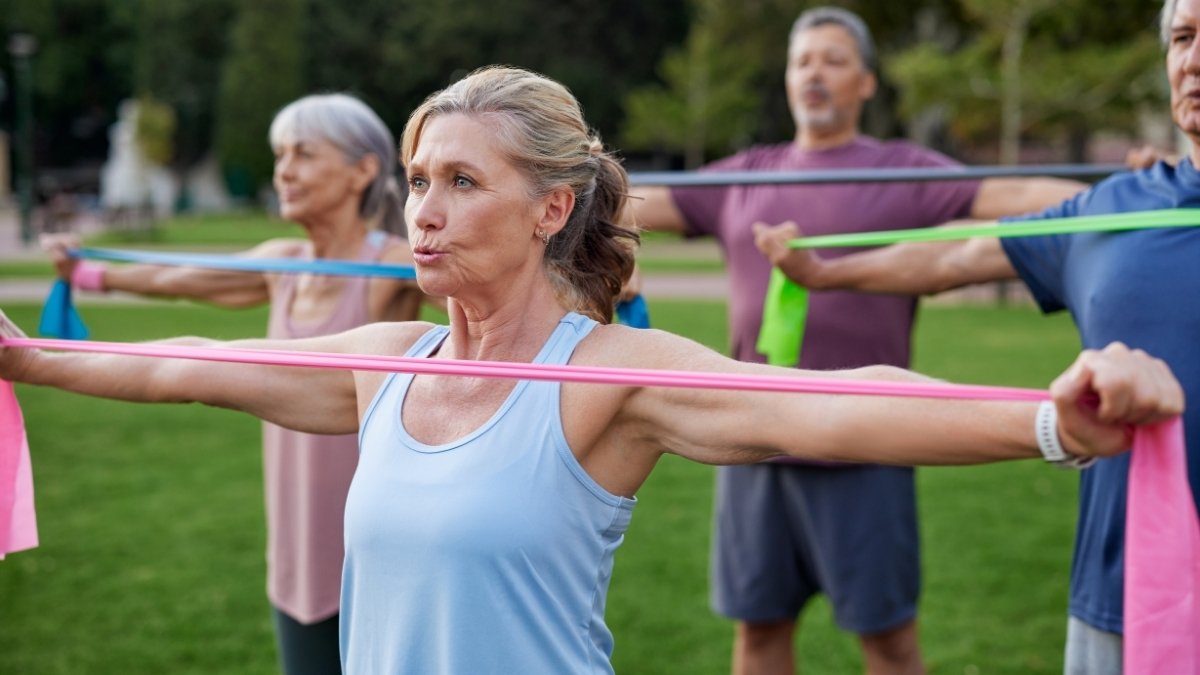
Resistance training is effective at countering the muscle loss that comes with age and menopause in women aged 40 to 60. It doesn’t need to be heavy or complicated. Twice a week with consistent effort is enough to make a measurable difference in strength.
Talk to your doctor before starting a new exercise routine if you’re managing a chronic condition, recovering from surgery, or taking medication that affects your bones or blood pressure.
Three things worth knowing right now:
- Muscle loss accelerates during any period of bed rest or illness — recovery in your 50s takes longer than it did at 35
- Fast-twitch fibers [the muscle fibers used for quick, powerful movements like catching yourself when you trip] decline faster than slow-twitch fibers, which is why balance and reaction time change
- You don’t need a gym — home-based bodyweight exercise counts
Muscle is the foundation. What happens to your bones next explains why protecting that foundation matters so much.
What Happens to Your Bones While You Are Busy Watching Your Weight
You feel nothing. That’s the problem. Bone density after 50 can decline for years without a single symptom, and by the time most women find out, the loss is already significant.
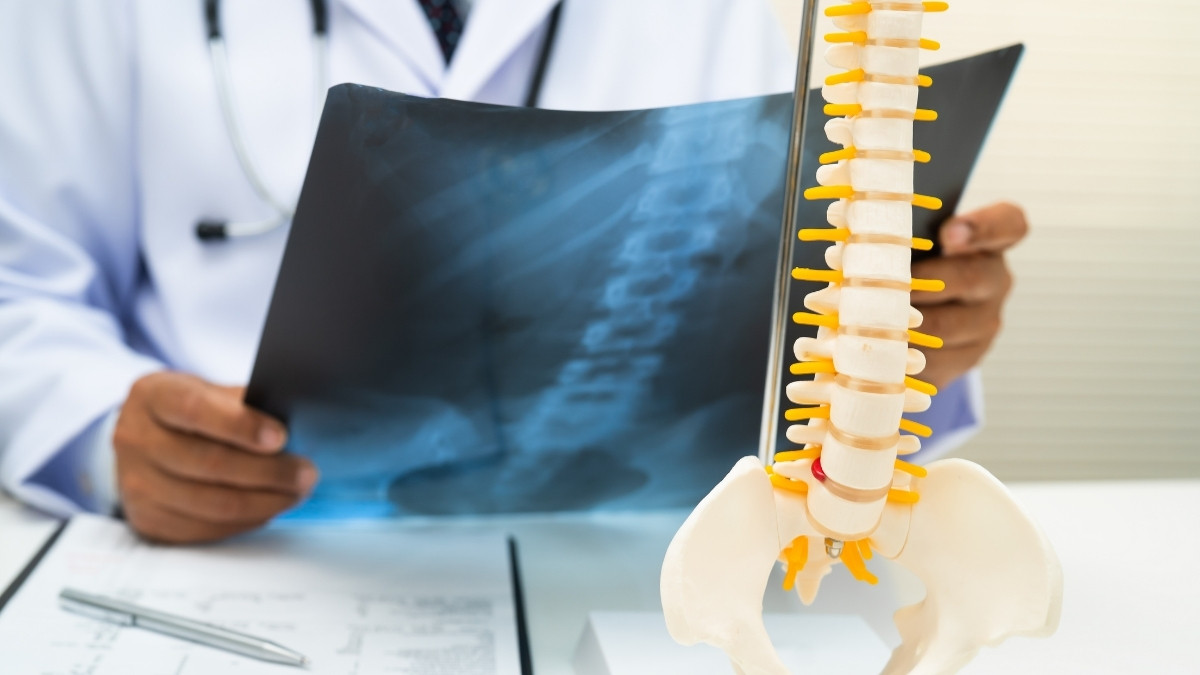
The order in which your body changes after 50 is not random, and knowing what changes first changes what you should do first. Muscle loss makes bones more vulnerable. Then the estrogen drop that comes with menopause accelerates bone loss directly.
Your bones are living tissue. They rebuild constantly. But after 50, the breakdown rate outpaces the rebuild rate, and for women the drop in estrogen makes that gap wider. Osteoporosis [a condition where bones lose density and become fragile, making fractures far more likely] affects about one in five women over age 50.
During the five to six years surrounding menopause, some women lose 10 to 20 percent of their bone density. Between menopause and age 75, around 22 percent of total body bone mineral can be lost. Most of that loss happens without pain.
Two facts worth knowing:
- A bone density scan [a low-radiation imaging test that measures how solid your bones are, also called a DEXA scan] is the only way to know where you stand — no symptoms predict it
- Research shows that lean muscle mass is a stronger predictor of bone mineral density than most other factors, across all ages and ethnic groups
Bone health and sleep are connected in ways most articles leave out. What changes in your sleep after 50 helps explain why the body’s overnight repair work slows down too.
The Sleep Change Nobody Warns You About
You’re getting hours of sleep, but you’re waking up tired. The amount of time you spend in bed isn’t the issue. What’s changing is what’s happening inside that sleep.

Sleep has distinct stages. The deepest one has a name: slow-wave sleep [the stage of non-REM sleep where the body carries out tissue repair and regulates key hormones]. Research shows this stage starts shrinking in middle age and keeps declining.
More than 2,500 adults between the ages of 37 and 92 were studied, and increasing age was consistently linked to less slow-wave sleep, more time spent awake after falling asleep, and more movement into lighter sleep stages during the night. Men over 70 showed a 50 percent reduction in slow-wave sleep compared to men under 55. Women showed a different but still meaningful shift in sleep quality.
When slow-wave sleep shrinks, the body gets less of the overnight recovery that keeps muscle and hormones in balance. This is not just a sleep story. It connects directly to why muscle recovery feels slower, and why some days the body feels older than the calendar says it should.
One practical note:
- Alcohol is linked to disruptions in slow-wave sleep, even when it helps you fall asleep faster.⁸ That connection becomes more relevant after 50 because the body processes alcohol more slowly with age
- Research shows that the body’s internal clock shifts with age, becoming more fragmented and harder to regulate. Consistent sleep and wake times help support it
What happens in the gut during these years affects energy, immunity, and even mood. It’s a change most women never connect to aging at all.
Your Gut Is Changing Too, And It Affects More Than Your Stomach
Your digestion might feel different. Foods that were fine before might not sit as well now. What’s behind that shift goes well beyond stomach comfort.
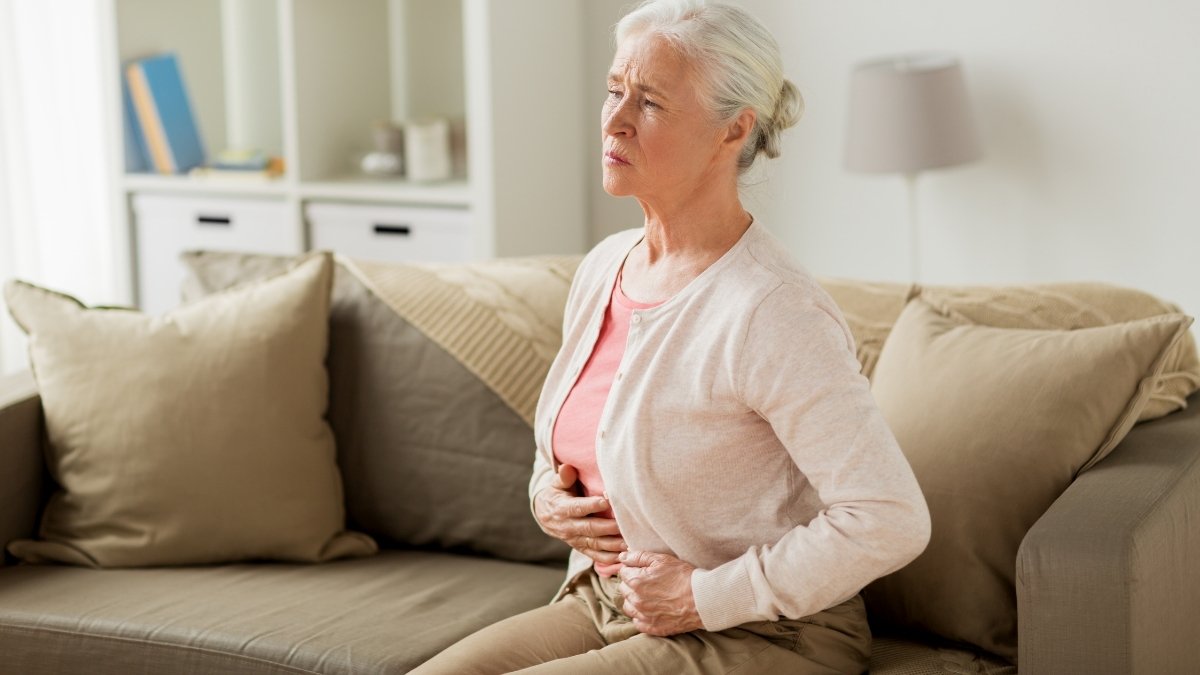
You carry trillions of bacteria in your gut that help process food, support your immune system, and send signals throughout the body. After middle age, the mix of those bacteria changes. This process has a name: dysbiosis [an imbalance in the gut’s bacterial community where harmful bacteria begin to outnumber the helpful ones].
Older adults with less diverse gut bacteria used more medications and were nearly twice as likely to die during the study period compared to those with more diverse gut profiles. That finding came from a National Institute on Aging study that tracked more than 9,000 people between the ages of 18 and 101.
That’s not a digestion finding. It’s a whole-body health finding.

Gut health after 50 is directly shaped by what you eat. Three practical connections:
- Fiber-rich foods — vegetables, legumes, fruits, and seeds — support the bacteria that produce short-chain fatty acids [compounds made by gut bacteria that protect the gut lining and reduce inflammation]
- Processed foods [packaged products high in sugar, salt, or refined ingredients] are linked to damage in the gut environment that beneficial bacteria need to survive
- Physical activity supports gut diversity independently of diet
The gut connects to skin. The same systemic inflammation that shifts in the gut also affects how skin ages, and the skin story is more concrete than most people expect.
Skin Changes That Have Nothing to Do With Skincare Products
Most women in their 50s blame their skincare routine when their skin starts thinning, losing firmness, or bruising more easily. The real cause is happening below the surface, and no product reaches it.
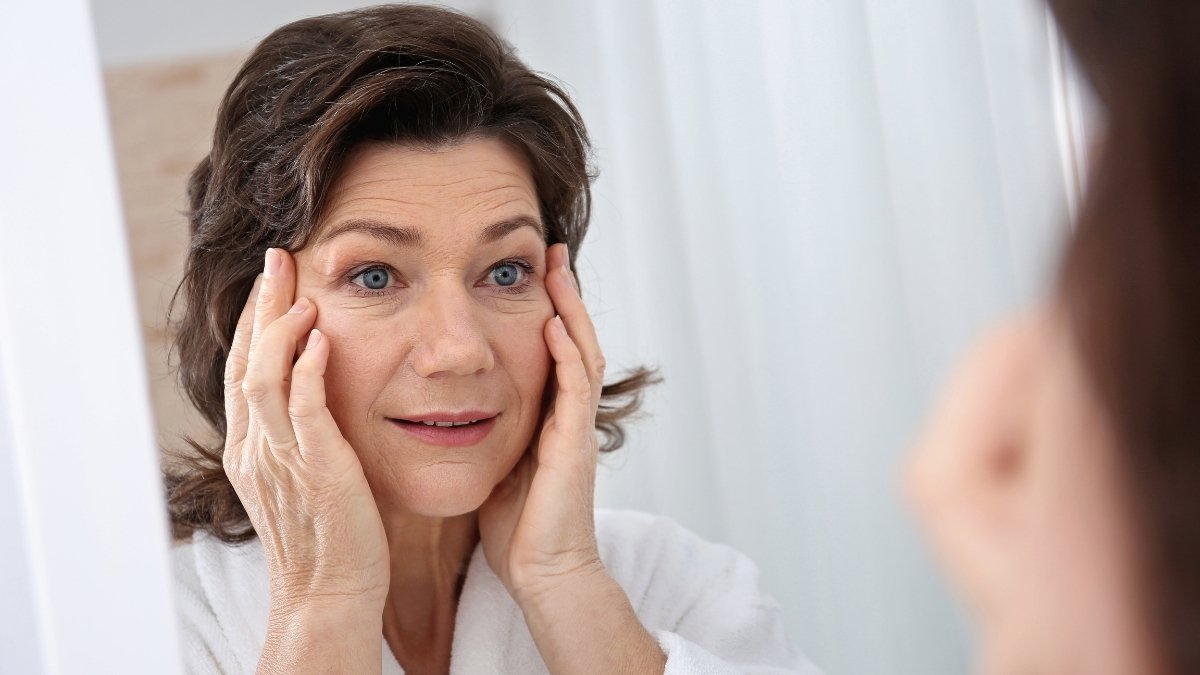
Collagen gives skin its structure. It also holds joints together and forms the flexible framework that keeps bones strong. After menopause, collagen production drops sharply.
Women can lose up to 30 percent of their skin collagen in the first five years after menopause. This tied directly to falling estrogen levels, which signal the cells that make collagen to slow production significantly.
Here’s what that looks like in real life. Skin becomes thinner. It bruises more easily. It feels drier and less elastic. Wound healing slows. None of these changes are caused by the wrong moisturizer.
Fibroblasts [the cells in the skin responsible for making collagen and elastin, the two proteins that keep skin firm and flexible] become less active as estrogen declines.
Research published in the Journal of Integrative Dermatology in 2026 described this as a structural change in the skin’s architecture, not a cosmetic one.
Three facts that connect this to the rest of your body:
- The same collagen that supports skin also makes up the flexible matrix inside your bones, so collagen loss is linked to bone fragility too
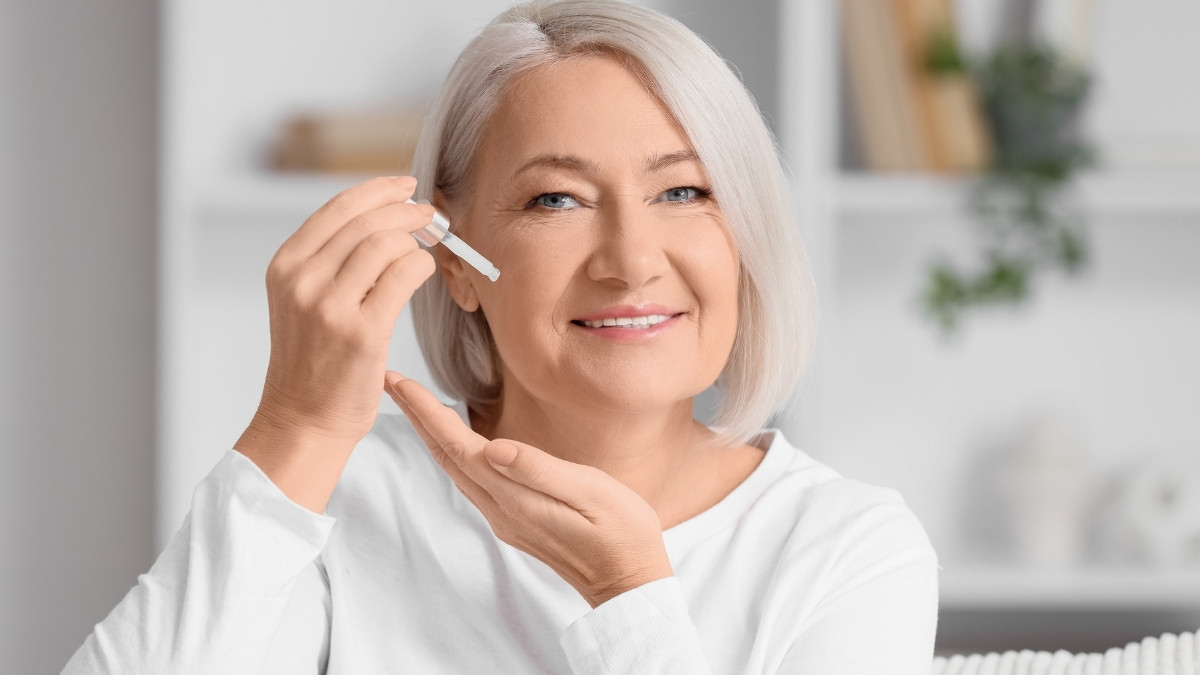
- Retinoids [vitamin A-based compounds shown in clinical studies to increase collagen production in skin] are the most studied topical option for supporting skin collagen
- UVA rays [ultraviolet rays that penetrate deeply into the skin] are linked to accelerated collagen breakdown on top of the age-related loss that’s already happening
Skin changes are not vanity. They’re a signal from inside the body about what estrogen loss is doing at a tissue level. The metabolism shift works the same way: the visible result points to a deeper cause.
The Metabolism Shift: Why Eating Less Is Not Always the Answer
You haven’t changed much about how you eat, but the weight is creeping up anyway. You cut back, and it barely moves. If this sounds familiar, you’re not imagining it, and the problem is not willpower.

Your metabolism after 50 slows primarily because muscle is shrinking. The basal metabolic rate [the number of calories your body burns while completely at rest, just to keep your organs working] is closely linked to how much muscle tissue you carry. Since muscle tissue burns more calories at rest than fat tissue, less muscle is associated with fewer calories burned around the clock.
A review published in the European Journal of Clinical Nutrition found that all components of energy expenditure decline with aging, including the body’s ability to adapt when calorie intake shifts.
Research in older adults found that dietary calorie restriction is linked to increased muscle breakdown through a process called proteolysis [the breakdown of muscle protein for energy when calories are too low]. This is why eating less alone often stalls progress rather than creating it.
What actually helps:
- Resistance training builds and preserves muscle, which raises resting calorie burn
- Protein intake of around 30 grams per meal is cited by some researchers as a target to compensate for the reduced efficiency with which the body uses protein after 50
- Consistency matters more than intensity — a regular schedule of light to moderate strength training beats occasional intense sessions
The metabolism shift is the last change in this sequence, but it’s the one most women try to fix first. It responds better when you address it last, after muscle and bone and sleep have been given attention.
What You Should Do With This Information
The single most important thing you can do today is start protecting your muscle, because everything else in this article is connected to it.
Talk to your doctor about getting a bone density scan, a muscle health check, and a sleep quality review at your next appointment, and start strength training at least twice a week.
These body changes after 50 are real and documented, but they are not fixed. You’re not too late. You’re exactly on time.
DISCLAIMER⚠️:
This article is for informational purposes only and does not constitute medical advice, diagnosis, or treatment. The content addresses physical changes that occur inside the body after age 50 and is intended for general educational purposes only. Health conditions vary significantly between individuals — always consult a licensed physician or qualified healthcare provider before making any decisions about your health or medical care.