

You already know the feeling. You eat dinner late, go to bed, and wake up puffy, congested, foggy, or wide awake at 3 a.m. for no reason you can name.
Here’s the thing. After 55, your body handles a late meal very differently than it did at 30, and it is not just about weight or digestion. Ignore this pattern long enough and it quietly chips away at your blood sugar, your sleep architecture, and how rested you actually feel the next day.
There is one specific window, the three hours before you lie down, where a late meal sets off a chain reaction most people have never heard of. Once you see the mechanism, the fix is almost embarrassingly simple.
Before making any changes based on this article, talk to your doctor, especially if you are currently taking medication or have a diagnosed condition.
What’s Actually Happening When You Eat Close To Bedtime
Your body is not equally good at processing food all day long. Insulin sensitivity, meaning how well your body responds to insulin and clears sugar from your blood, naturally declines as the day goes on. DZD
That is not a minor detail. Research comparing early and late eaters has found that late eaters show significantly higher blood glucose levels 30 and 60 minutes after eating, a sign of impaired glucose metabolism. Saxena Lab
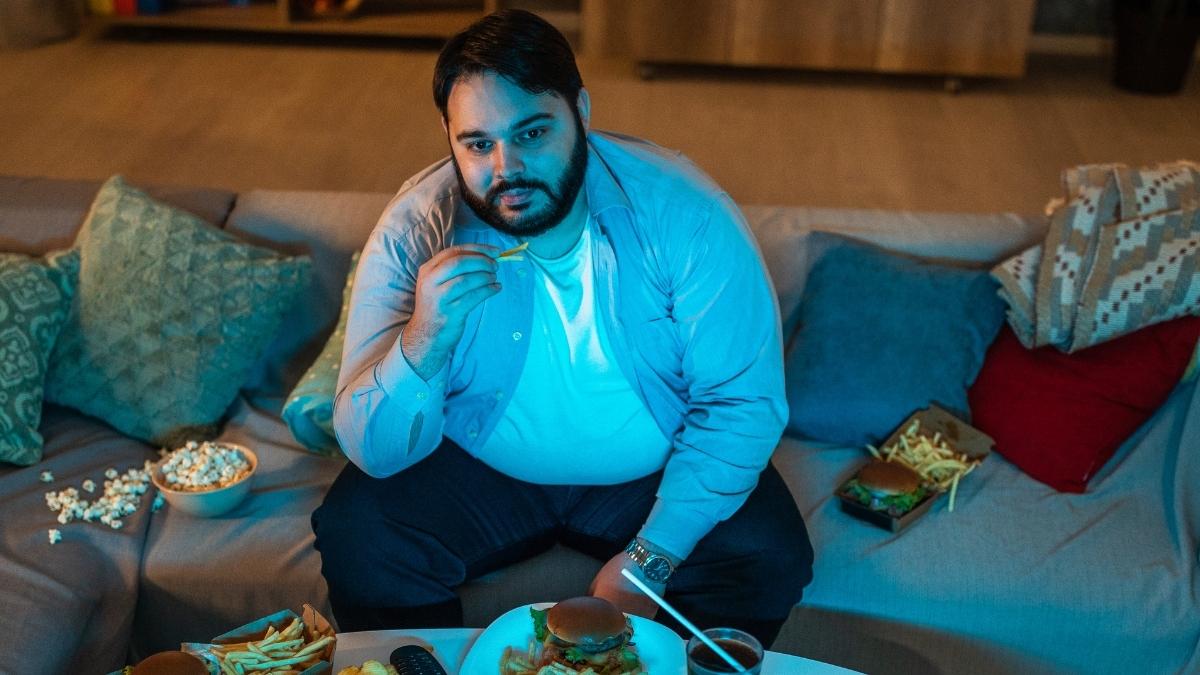
A twin study out of Germany adds another layer. People whose final meal fell later in the day and closer to bedtime showed less effective blood sugar metabolism at the end of the day, measured as lower insulin sensitivity. clinicaltrials
Even meal timing alone, independent of what you eat, matters. In one controlled trial, researchers shifted a group’s meals later over eight days, pushing dinner all the way to 11 p.m. Even though participants ate nutritionally identical meals, the delayed schedule produced a higher average glucose level over 24 hours than the earlier eating schedule. EMJ
For adults over 55, especially those managing prediabetes, borderline cholesterol, or a family history of type 2 diabetes, that repeated nightly spike adds up. Timing alone shifted the pattern of blood sugar across the whole day.
Sleep Science · Timing Matters
What Time You Eat Changes How You Sleep
The same meal, timed differently, shows up very differently by morning.
Blood Sugar Response
Sleep Architecture
Reflux Risk
Morning Grogginess or Congestion
Everyone’s body responds differently, so check with your doctor before trying this if you have an existing condition or take medication.
The Surprising Chain Reaction: Sodium, Cortisol, And That Groggy Feeling
Here is what most articles on this topic leave out entirely. A 2025 narrative review in the journal Clocks and Sleep proposed a detailed mechanism connecting late meals to exactly the symptoms so many people over 55 report the next morning: feeding after 8:00 pm, when evening insulin secretion and sensitivity are already low, is defined as late night feeding, and it disrupts far more than blood sugar alone. Nature
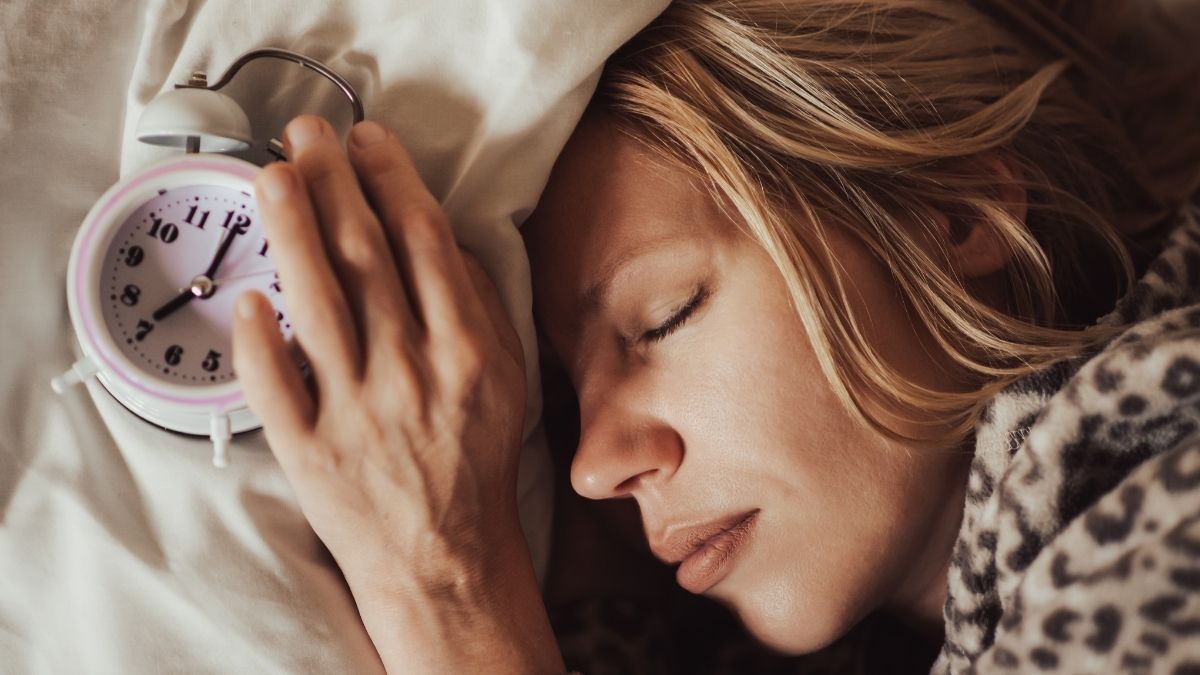
The chain works like this. The circadian decline in insulin sensitivity amplifies the glucose surge that follows a late meal. That elevated glucose then drives the kidneys to reabsorb it, a process that pulls sodium along with it, independent of insulin. NatureNature
Retained sodium raises the concentration of your blood, and this shift is detected by fluid sensing regions in the hypothalamus, which respond by triggering a hormonal cascade that ends in cortisol release. Cortisol promotes alertness and disrupts sleep architecture, producing the combination of exhaustion and wired restlessness sometimes described as feeling tired but wired. NatureNature
The same fluid retention has a second effect once you lie flat. Fluid redistributes toward the head and neck during sleep, contributing to nasal and sinus congestion, and in some cases narrowing the airway enough to worsen snoring or fragment breathing during the night. Nature

This is not a fringe theory. A separate randomized trial found that a late dinner eaten after 10 p.m. produced measurable nocturnal glucose intolerance, higher evening cortisol, and reduced fat burning in otherwise healthy volunteers. And a 2024 analysis of national health survey data found an association worth taking seriously:
Eating late in the evening after 10 pm was linked to higher rates of death from any cause, cancer, and diabetes in the years that followed, which researchers attributed to circadian disruption. This is an observed association from population data, not proof that late eating alone causes those outcomes, but it lines up with everything else the research shows. NatureNature
Why This Hits Harder After 55
Your digestive system itself changes with age, and that is precisely why this habit becomes more consequential later in life rather than less.
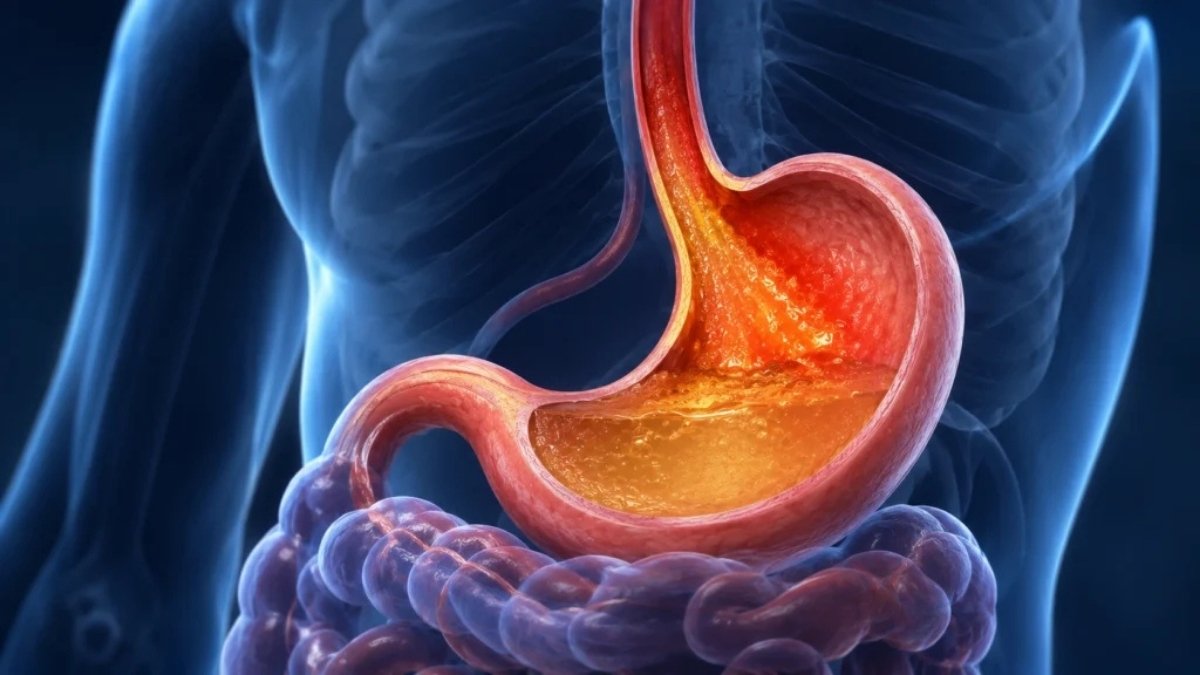
The lower esophageal sphincter, the muscular valve that normally keeps stomach acid where it belongs, tends to weaken with age, allowing acid to escape more easily. At the same time, the stomach takes longer to empty its contents as people get older, which means food and acid sit there longer, raising the odds of reflux. PubMed CentralPubMed Central
Reflux prevalence sits around 14 to 20 percent among older adults, and when it does occur in this age group, it tends to be more severe, with a higher rate of complications like esophagitis. Layer that on top of a body that is already less efficient at processing an evening meal, and eating close to bedtime becomes a habit with a real physiological cost, not just an occasional inconvenience. Frontiers
The reflux research backs this up directly. Eating too close to bedtime is tied to gastroesophageal reflux disease, since lying down soon after a meal lets stomach contents press against a weakened valve and back up into the esophagus. Sleep experts generally recommend finishing eating up to two hours before bed to avoid this, and given the age related changes above, adults over 55 may benefit from an even wider buffer. DrooracleDrooracle
Try This Tonight
- Finish your last real meal at least three hours before you plan to sleep.
- If you truly need something in that window, keep it small, low fat, and low sugar (a few almonds or plain yogurt, not a full plate).
- Avoid lying down for at least 30 minutes after eating, even for a snack.
- Keep your evening sodium intake modest, since sodium and glucose work together in the retention process described above.
- Notice your mornings for one week. Congestion, puffiness, and grogginess are useful signals, not just annoyances.
Morning Symptoms · Timing Check
Symptoms That Might Just Be Dinner Timing
Before assuming something’s wrong, it’s worth checking when you last ate.
Waking Congested or Puffy
Often ReversibleLikely cause: fluid and sodium retention from a late glucose spike.
Waking Wired Around 2–4 AM
Often ReversibleLikely cause: cortisol released via the sodium and osmolarity cascade.
Heartburn or a Sour Taste Overnight
Often ReversibleLikely cause: reflux from lying down soon after eating.
Daytime Fatigue Despite Enough Sleep
Often ReversibleLikely cause: fragmented sleep architecture, not necessarily short sleep.
Frequent Nighttime Urination
SometimesMultiple contributors — sometimes fluid shifts tied to evening intake. Worth a doctor visit if persistent.
This article is for informational purposes only and is not a substitute for professional medical advice, diagnosis, or treatment. Always consult your doctor or a qualified healthcare provider before making changes to your diet, exercise routine, or medications, especially if you have an existing health condition.
Common Mistakes People Make Even When They Know This
The most common misstep is treating “dinner” and “the danger window” as the same thing. A 9 p.m. handful of chips or a bowl of ice cream in front of the television counts just as much as a full late dinner. The mechanism responds to glucose load close to sleep, not to whether you called it a meal.
The second mistake is assuming a lighter late snack is automatically safe. Data from the American Time Use Survey found that eating less than an hour before bed was linked to slightly longer total sleep duration, but it also increased wakefulness after sleep onset, meaning more time spent awake after initially falling asleep. In other words, the clock on your sleep tracker might look fine while your actual sleep quality quietly suffers. ResearchGate
The third mistake is ignoring alcohol in this window. A glass of wine with a late dinner adds sugar and relaxes the same valve that is already weakening with age, compounding the reflux risk described earlier.
How Long Until You Notice A Difference
Most people who shift their last meal earlier notice a change within three to seven nights, particularly in morning congestion and how quickly they fall into deep sleep. The blood sugar benefits tend to show up even faster since timing changes were shown to shift 24 hour glucose patterns in as little as eight days in controlled research. EMJ
If you take medication timed around meals, do not change your eating schedule without checking with your doctor or pharmacist first, since some medications are dosed specifically around food intake.
When To See A Doctor
- Heartburn or chest discomfort that wakes you regularly, especially if it radiates to the arm, jaw, or back (this needs to be ruled out as cardiac, not just reflux).
- Difficulty swallowing, or a sensation of food getting stuck.
- Unintentional weight loss alongside reflux symptoms.
- Loud snoring with gasping or breathing pauses noticed by a partner, which can signal sleep apnea and deserves its own evaluation.
| Do | Don’t |
|---|---|
| Finish eating 3+ hours before bed | Eat a full meal within an hour of sleep |
| Choose a small, low sugar snack if truly hungry | Reach for chips, ice cream, or sweets late at night |
| Sit upright for 30+ minutes after eating | Lie down immediately after a late meal |
| Keep evening sodium moderate | Add extra salt to a late dinner |
| Track your mornings for a week | Assume grogginess is just “getting older” |
Quick FAQ:
Does this mean I can never eat dinner late? No. Occasional late meals are not the concern. It is the nightly pattern that compounds over time.
What if I only have time to eat late because of work or family schedules? Shift the composition instead of the timing where you can, favoring protein and vegetables over refined carbohydrates and sugar in that window, since the glucose spike is the primary driver of the cascade above.
Is this different for people already on blood pressure or diabetes medication? It can be. Sodium and fluid retention interact with several common medications, which is exactly why a doctor should weigh in before you make significant changes.
Will cutting out late eating fix sleep apnea? Not on its own, but reducing nighttime fluid retention and congestion may ease mild symptoms. Diagnosed sleep apnea still needs proper medical evaluation.
Aligning your last meal with your body’s own daily rhythm rather than fighting against it is one of the simplest levers available after 55. Not because it is trendy, but because the science on insulin sensitivity, reflux physiology, and this newly mapped sodium and cortisol cascade all point in the same direction.