

You probably think of aging as something that starts showing up in your forties or fifties. It doesn’t. One organ in your body ages first, quietly shrinking since before you could walk, and nobody ever told you.
This article is for adults thinking seriously about aging well for the first time, and by the end you’ll know exactly which organ starts the clock, why it matters for how sick you get later, and what actually slows it down.
Talk to your doctor before changing your exercise routine or supplement habits if you’re pregnant, on medication, or managing a chronic condition.
H2-1: The Organ That Ages First
You’ve never worried about this organ, and that’s exactly the problem. The thymus, a small gland tucked behind your breastbone and above your heart, is the organ that ages first in your body, starting its decline in early childhood rather than in midlife like everyone assumes.
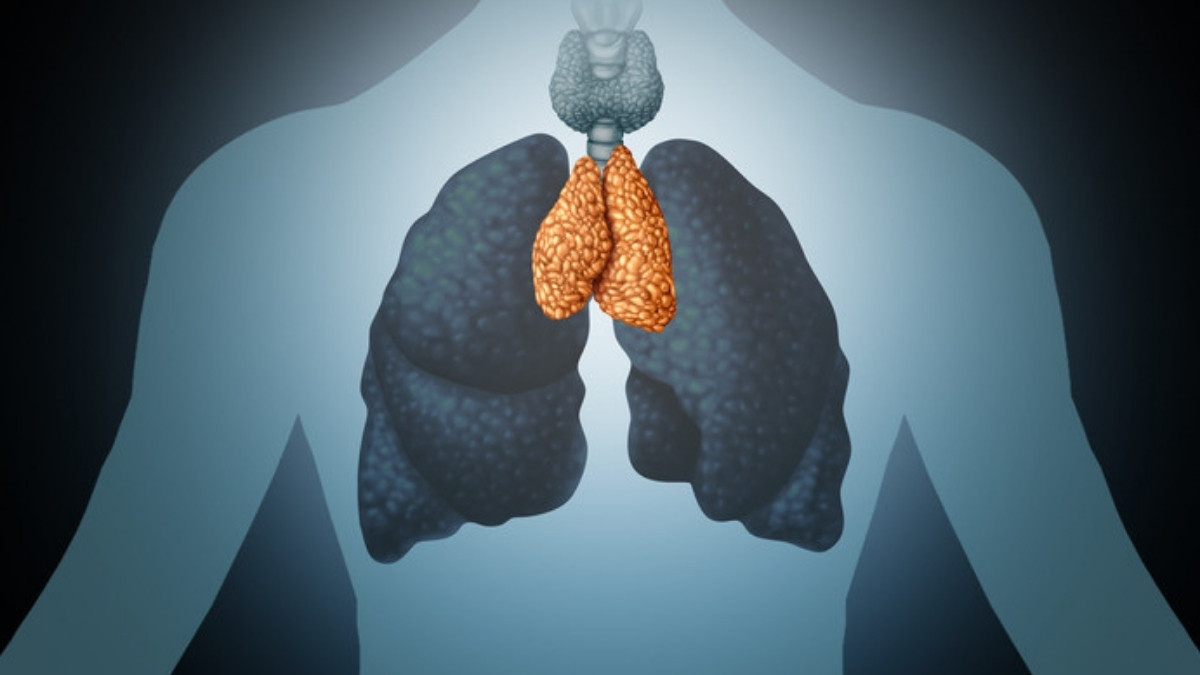
The thymus [a small gland behind your breastbone that trains your immune cells to recognize new threats] doesn’t get much attention because it doesn’t hurt, doesn’t show up on a scale, and doesn’t show up in the mirror.
It just quietly does its job: turning out fresh immune cells called T cells that learn to recognize infections you haven’t met yet.
Most people picture organ aging as a heart that gets stiffer or skin that gets thinner. Those changes happen.
But research on organ-specific aging in adults shows that different organs decline at very different rates and on very different timelines, and the thymus starts its decline earlier than any organ typically discussed in aging research.
What that gap actually costs you shows up later, and it starts earlier than you’d expect.
H2-2: Why It Starts So Early
Nobody warns you that your immune system already has some mileage on it before you finish elementary school. That’s not a typo. It’s just how the thymus works.
Thymic involution [the gradual shrinking of the thymus gland with age] begins during infancy and early childhood, and the process actually peaks around puberty, long before most people think about aging at all.

This is not a slow ramp that starts in your thirties. It’s already underway while you’re still growing.
Your immune system’s aging clock didn’t start at your last birthday. It started before your first one.
Researchers who study this describe the thymus as unique among organs precisely because of how early it begins this process compared to everything else in the body.
Scientists don’t fully agree on why this happens so early, but one leading idea is that a hyperactive thymus earlier in life may come with real benefits, and the tradeoff shows up later. The thymus keeps working after this early decline starts. It just does less of the job over time.
H2-3: What It Costs You Later
You’ve probably noticed that a cold hits you harder than it used to, or that a new bug seems to knock you flat while it barely touches someone younger. That’s not bad luck. That’s the bill coming due from decades of a shrinking thymus.

A smaller, less active thymus means fewer new T cells entering circulation, and this decline in fresh T cell output is associated with reduced protection against infections you haven’t encountered before, weaker vaccine responses, and higher rates of certain age-related immune problems.
This doesn’t mean your immune system stops working. It means it leans harder on old memory cells trained on old threats and produces fewer new recruits trained on new ones.
That’s a real cost, and it’s one most people never connect back to a gland they’ve never heard of.
The good news is this decline is not something you’re powerless against. The next two sections cover what actually has evidence behind it.
H2-4: The One Thing With Real Human Proof
If you’ve ever wondered whether exercise really does anything for your immune system, or if that’s just something people say, here’s an answer with actual human data behind it, not a guess.
Researchers compared older adults who had cycled regularly for years against sedentary adults of the same age, and the cyclists had significantly higher levels of naive T cells and freshly made immune cells than their inactive peers, with levels close to those of young adults who didn’t exercise at all.

This was a real study in real people between the ages of 55 and 79, not a lab experiment on animals.
What this suggests, in plain terms: staying consistently active for years may help your thymus keep producing usable immune cells even as you age, rather than reversing damage after the fact.
Nobody is claiming exercise regrows a shrunken thymus. What the data actually shows is that staying active is linked to an immune profile that looks meaningfully younger than the sedentary alternative.
H2-5: The Nutrient Piece (With a Catch)

If you’re the type who wants to know what to eat, there is a real connection here, but it comes with an important caveat that most articles skip.
Here’s why zinc matters for your immune system:
Here’s the catch. The most dramatic result, where zinc supplementation actually reversed thymic shrinkage, came from a study in old mice, not people.
Animal research suggests zinc may play a similar role in humans, but human studies have not confirmed that supplementation reverses thymic decline the way it did in that mouse study.
That doesn’t make zinc irrelevant. It means the honest answer is that good zinc status appears to support immune aging in humans, while the more exciting reversal result still needs confirmation in people before anyone should treat it as proven.
There’s one more piece worth knowing before you decide what to actually do with all of this.
Conclusion:
Start with the one habit that has real human evidence behind it: consistent moderate cardio, most days of the week. Add one 20 to 30 minute moderate cardio session, most days of the week, as a standing habit.

This is the single intervention shown in real adults, not lab animals, to be linked with stronger immune output as you age. Your thymus is the organ that ages first, starting before you could talk. That doesn’t mean you have no say in how your immune aging unfolds from here.