

Most people think a long life comes down to genetics or luck. New research says otherwise. Small daily habits move the needle more than people realize, and you don’t need a total life overhaul to start.
These 9 habits to live longer are backed by real studies from 2024 through 2026, not trends or guesswork. Some take two minutes. None require special equipment. Pick one, start today, and build from there.
Point One: Walk for 10 Minutes After Meals
Sitting down right after you eat feels natural. But it’s a missed chance.
A 2025 study in Scientific Reports found something surprising. A 10-minute walk taken right after eating controlled blood sugar better than a longer 30-minute walk taken later. Timing beat duration.

Here’s why that matters. Blood sugar spikes after meals add up over time. Repeated spikes are linked to a higher risk of heart disease. A short walk blunts that spike before it happens.
You don’t need workout clothes. Walk to the mailbox. Do laps around your kitchen. Ten minutes, right after you eat, is the whole habit.
Point Two: Do Two Minutes of Grip or Strength Work Most Days
Your handshake says more about your health than you’d think.
Doctors use grip strength as a marker of aging, and the research backing it is strong. One large study found that people in the weakest 20% for grip strength had more than double the risk of death compared to people with stronger grip.
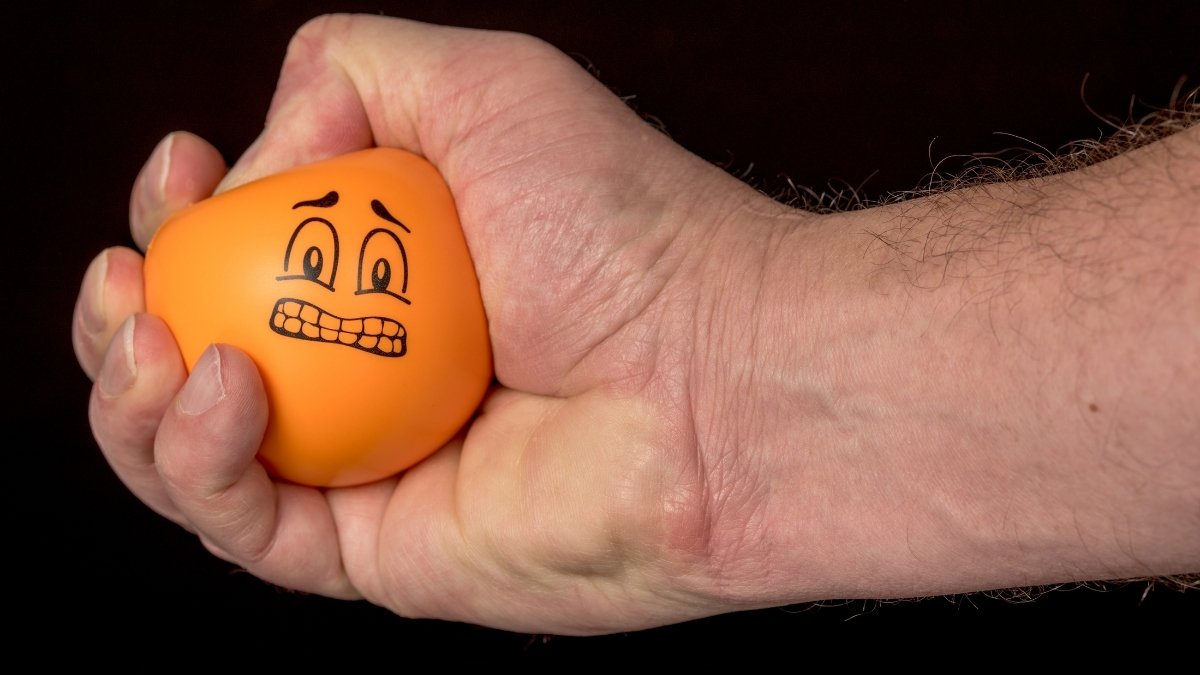
A 2025 to 2026 study out of the University at Buffalo followed over 5,000 women aged 63 to 99. Simple strength tests, including grip and the ability to stand up from a chair without using your hands, predicted who lived longer over the next eight years.
Grip strength isn’t really about your hand. It’s a stand-in for your overall muscle mass, which affects nearly every system in your body.
Start small. Squeeze a stress ball while you watch TV. Carry your groceries instead of using a cart. Do a few wall push-ups. Build from there.
Point Three: Swap One Ultra-Processed Snack for a Whole-Food One Each Day
You don’t need a perfect diet. You need one better swap a day.
Ultra-processed food [packaged food made mostly from industrial ingredients, with little resemblance to the whole food it started from, think chips, packaged pastries, and sugary cereal] has a real cost.

A 2025 review of over 1.1 million people found that the highest eaters of ultra-processed food had a 15% higher risk of dying from any cause compared to the lowest eaters. A separate 2025 study estimated that in countries with the highest intake, including the US, ultra-processed food may account for up to 14% of early deaths.
This isn’t about eating perfectly. It’s about the direction you move in.
Swap one thing today. Trade the afternoon chips for a handful of nuts. Trade the sugary cereal for oatmeal. One swap, repeated daily, adds up over a year.
Point Four: Break Up Long Sitting Every 30 Minutes
Here’s something that surprises most people. Exercising once a day doesn’t cancel out ten hours of sitting.
A 2026 study from UC San Diego tracked women aged 63 to 99 for eight years. Women who sat for 11.7 hours a day or more had a 30% higher risk of death, no matter how much they exercised. Sitting time and exercise seem to affect your body through different paths.

So a gym session in the morning doesn’t erase a full day at a desk. Your body needs breaks scattered through the day, not just one block of movement.
Set a timer for every 30 minutes. Stand when it goes off. Stretch, refill your water, or just stand for a minute before sitting back down. Small breaks count.
Point Five: Keep the Same Sleep and Wake Time Every Day
Chasing eight perfect hours of sleep misses the bigger point.
A UK Biobank study followed nearly 61,000 adults and looked at something most people ignore: sleep consistency. People with the steadiest sleep and wake times had up to a 48% lower risk of dying compared to people with the most erratic patterns. Consistency predicted survival better than total sleep hours did.

That means your 11pm to 7am routine, repeated daily, may matter more than squeezing in an extra hour some nights.
Set one wake-up time and stick to it, weekends included. Your body settles into a rhythm when you give it one.
Point Six: Do One Small Thing With Purpose Each Day
Purpose sounds like a big, abstract idea. It isn’t.
A Harvard T.H. Chan School of Public Health study tracked over 13,000 US adults aged 50 and older for eight years. People with the highest sense of purpose had a 15.2% chance of dying during that time.
People with the lowest sense of purpose had a 36.5% chance, more than double. This held true even after accounting for income, health, and depression.
Purpose doesn’t require a grand mission. It can be a role you show up for, a task someone counts on you for, or a person you check in on.
Pick one small thing today that only you can do for someone else. Do it again tomorrow.
Point Seven: Stay Connected to People Who Know You Well
Loneliness isn’t just an emotional problem. It’s a physical one.
The US Surgeon General’s advisory on loneliness found that people with poor social connection face a 29% higher risk of coronary heart disease. Separate research links chronic loneliness in older adults to about a 50% higher risk of dementia. Your relationships affect your heart and your brain, not just your mood.

You don’t need a packed social calendar. One steady connection, someone who actually knows what’s going on in your life, does more than a wide circle of surface-level contacts.
Call one person today. Not a text. A real conversation.
Point Eight: Avoid Alcohol
Skipping alcohol is one of the best choices you can make for your health.
Quick note: This is general guidance, not medical advice. If you have questions about your health or medications, consult your doctor.
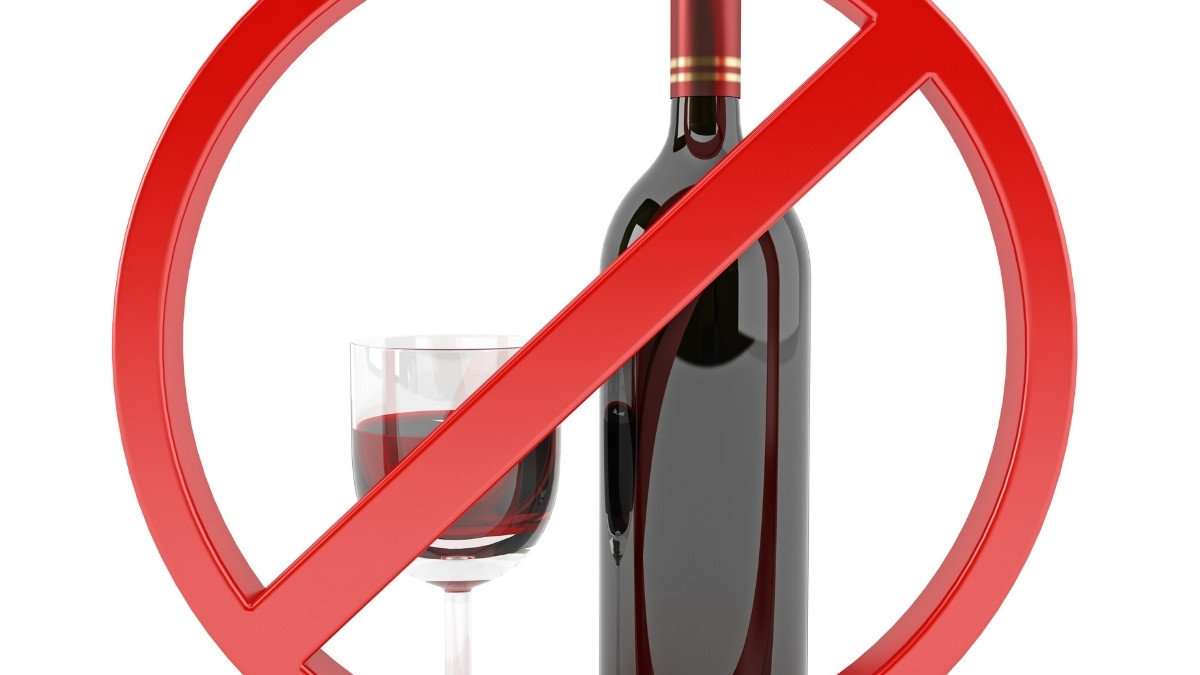
Health experts agree that no amount of alcohol is completely risk-free. Even small amounts can increase the risk of several health problems, including certain cancers, liver disease, heart issues, and accidents.
Instead of thinking about “safe limits,” the healthier choice is simple:
- Avoid alcohol.
- Alcohol is harmful to your health.
- Choosing not to drink reduces health risks and supports long-term well-being.
This isn’t about restriction—it’s about making a choice that benefits your body, mind, and future health.
Bonus Habit: Take Care of Your Gums
Here’s the one nobody expects on a longevity list. Your gums.
In December 2025, the American Heart Association released a statement confirming a real link between gum disease and heart problems, including heart attack and stroke.

Gum disease affects more than 40% of US adults over 30. A separate analysis of over 4.3 million people found that gum disease was linked to a 31% higher risk of dying from any cause.
Brushing and flossing aren’t just about your smile. They’re a heart habit too.
The Bottom Line,
None of these habits are flashy. That’s the point. Small, repeated actions add up to more than any single big change ever could. Pick one habit to live longer, start it this week, and let the rest follow.