
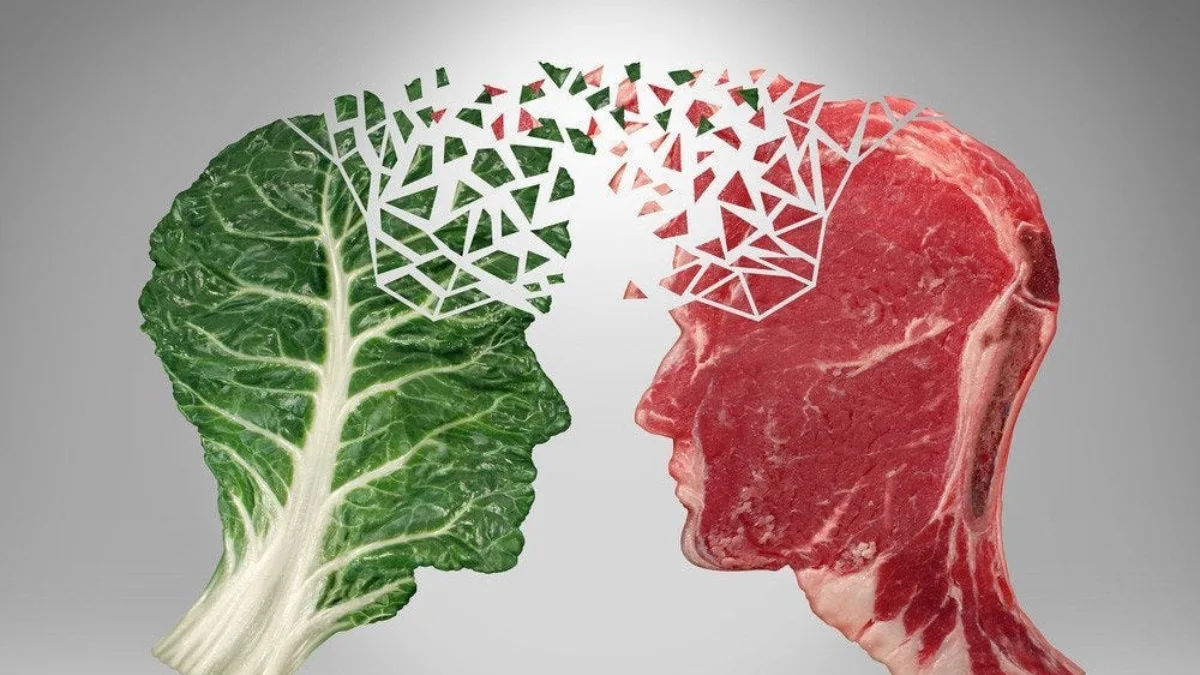
You’ve probably heard it all—meat causes heart disease, or vegetarians lack key nutrients. But with all the conflicting health advice, who’s really coming out on top?
For decades, people have debated whether eating meat or following a vegetarian diet is the healthier choice. Some believe meat is essential for strength and nutrition, while others claim plant-based diets lead to longer, healthier lives.
So, who’s actually right?
The answer isn’t as simple as choosing one side over the other. Research shows that both diets can support good health when they’re built around nutritious, minimally processed foods.
At the same time, both can increase health risks if they rely heavily on processed products and poor eating habits.
In this article, we’ll compare meat eaters and vegetarians using the latest scientific evidence.
From heart health and longevity to protein, vitamins, and disease risk, you’ll discover what the research really says—and the surprising secret behind who may actually be healthier.
1. Heart Health: Vegetarians Often Have an Edge
Many studies suggest that vegetarians often have a lower risk of heart disease, mainly because their diets are rich in fruits, vegetables, whole grains, legumes, nuts, and seeds.
These foods provide fiber, antioxidants, and healthy fats that can help lower LDL (“bad”) cholesterol, improve blood pressure, and reduce inflammation. As a result, people who regularly eat a variety of whole plant foods may enjoy better cardiovascular health over time.

However, this doesn’t mean meat is unhealthy. Lean poultry, fish, and moderate amounts of unprocessed red meat can also be part of a heart-friendly diet.
The biggest concern is eating large amounts of processed meats like bacon, sausages, and deli meats, which have been linked to a higher risk of heart disease. In the end, your overall eating pattern matters far more than simply choosing to eat meat or follow a vegetarian diet.
2. Protein: Both Diets Can Meet Your Needs
A common myth is that vegetarians struggle to get enough protein, but research shows that’s not true. Meat, fish, poultry, eggs, and dairy are excellent protein sources, while beans, lentils, tofu, tempeh, nuts, seeds, and dairy products also provide plenty of protein.
Eating a variety of these foods throughout the day gives your body the essential amino acids it needs for muscle growth, tissue repair, and overall health.
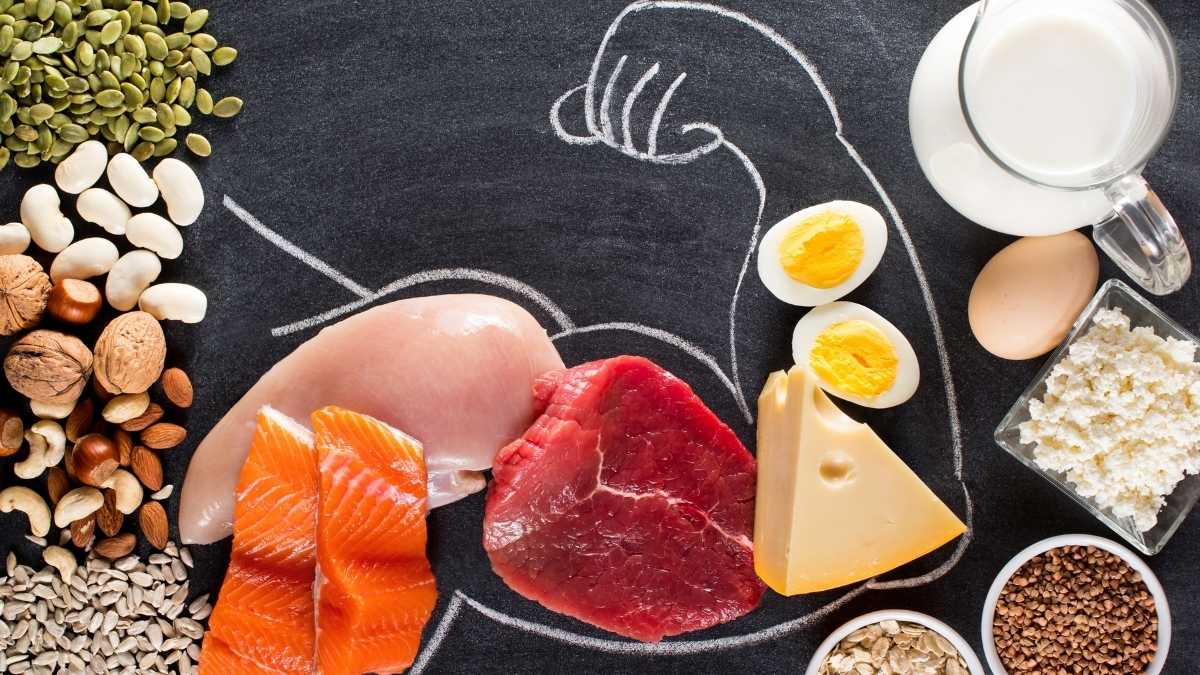
The real question isn’t whether protein comes from plants or animals—it’s whether you’re getting enough of it. Most healthy adults can meet their daily protein needs with either diet when meals are well balanced.
Instead of focusing on one food group, experts recommend choosing nutrient-rich, minimally processed protein sources that fit your lifestyle and support your long-term health goals.
3. Vitamin B12 and Iron: Nutrients Worth Paying Attention To
A vegetarian diet can provide most of the nutrients your body needs, but a few deserve extra attention. Vitamin B12 is one of them because it is naturally found almost entirely in animal-based foods.
People who avoid meat—and especially those following a vegan diet—may need fortified foods or a B12 supplement to maintain healthy nerve function and support red blood cell production. Iron is another important nutrient, although plenty of plant foods, including lentils, beans, spinach, and pumpkin seeds, contain it.

The main difference is that iron from plant foods isn’t absorbed as easily as the iron found in meat. Fortunately, there’s a simple solution.
Pairing iron-rich foods with vitamin C sources like oranges, strawberries, tomatoes, or bell peppers can significantly improve absorption. With a little planning, both meat eaters and vegetarians can meet their nutrient needs and maintain good overall health.
4. Gut Health: Plants Help Your Good Bacteria Thrive
Your digestive system is home to trillions of beneficial bacteria that play an important role in digestion, immunity, and overall well-being. These bacteria rely on dietary fiber as their main source of fuel, making fruits, vegetables, whole grains, legumes, nuts, and seeds especially valuable.
People who regularly eat a wide variety of plant foods often have a more diverse gut microbiome, which is linked to better digestive and metabolic health.
This doesn’t mean animal foods are harmful to your gut. The key is balance. A diet that includes lean meats or fish alongside plenty of fiber-rich plant foods can also support a healthy digestive system.
The biggest problem arises when meals rely heavily on processed foods while lacking fruits, vegetables, and whole grains. Feeding your gut with a variety of whole foods is one of the simplest ways to support long-term health, regardless of whether you eat meat or follow a vegetarian lifestyle.
5. Disease Risk: It’s More About Your Plate Than Your Diet Label
Many people assume that simply becoming a vegetarian will protect them from chronic diseases, but the reality is more complex. Research shows that diets rich in vegetables, fruits, whole grains, legumes, and healthy fats are associated with a lower risk of conditions such as type 2 diabetes and high blood pressure.
These benefits come from the quality of the foods being eaten, not just the absence of meat. A balanced diet filled with whole, nutrient-dense foods is what makes the biggest difference.

At the same time, eating meat doesn’t automatically increase disease risk. Lean cuts of meat, fish, and poultry can fit into a healthy eating pattern when paired with plenty of plant-based foods. The greater concern is regularly consuming processed meats, sugary drinks, refined grains, and highly processed snacks.
Whether you’re a meat eater or a vegetarian, building meals around fresh, minimally processed ingredients is one of the most effective ways to support long-term health.
6. Longevity: A Healthy Lifestyle Comes First
Many of the world’s longest-living communities eat mostly plant foods, but they don’t all avoid meat. Some include fish, dairy, or small amounts of meat as part of their traditional diets.
This suggests that living longer isn’t about following one strict eating pattern. Instead, it’s about building meals around nutritious foods and keeping unhealthy, highly processed products to a minimum.

Researchers have found that people who live longer often share similar habits beyond food. They stay physically active, maintain a healthy weight, get enough sleep, manage stress, and avoid smoking.
Their meals are usually simple, balanced, and made from whole ingredients. Looking at the bigger picture, these everyday habits appear to play a much larger role in longevity than the choice between eating meat or following a vegetarian diet.
7. Weight Management: Calories Still Count
Many people switch to a vegetarian diet hoping it will help them lose weight. In some cases, this can be true because plant-based meals are often higher in fiber and lower in calories, helping people feel full for longer.
Foods like vegetables, fruits, beans, and whole grains can make it easier to control portion sizes without feeling hungry. However, weight loss doesn’t happen simply because meat is removed from the diet.

Plenty of vegetarian foods are still high in calories, including chips, pastries, sugary drinks, and heavily processed meat substitutes. Eating too much of these foods can lead to weight gain just as easily as an unhealthy meat-based diet.
Reaching and maintaining a healthy weight comes down to eating balanced meals, watching portion sizes, and staying physically active. No single diet guarantees weight loss on its own.
8. There Isn’t One Perfect Diet for Everyone
Nutrition isn’t one-size-fits-all. Some people feel their best on a vegetarian diet, while others enjoy good health with a balanced diet that includes meat, fish, or dairy.
Age, activity level, medical conditions, food preferences, and cultural traditions all influence what works best for each person. That’s why experts rarely recommend one eating pattern for everyone.

Instead of following trends, focus on building meals with a variety of nutritious foods. Fill your plate with vegetables, fruits, whole grains, legumes, healthy fats, and quality protein sources that fit your lifestyle.
Limiting highly processed foods and sugary drinks is beneficial regardless of the diet you choose. A healthy eating plan is one that provides the nutrients your body needs and is realistic enough to maintain for years—not just a few weeks.
9. Processed Foods Can Undo the Benefits
No matter which eating style you follow, relying too much on processed foods can affect your health. Many packaged vegetarian products, including chips, desserts, instant meals, and some meat alternatives, may contain high amounts of salt, added sugar, or unhealthy fats.
In the same way, diets high in processed meats, fast food, and sugary drinks have also been linked to a greater risk of several chronic health conditions. Simply choosing foods labeled “vegetarian” doesn’t always mean they’re nutritious.

A healthier approach is to eat foods that are as close to their natural form as possible. Fresh vegetables, fruits, whole grains, beans, nuts, seeds, fish, eggs, and lean meats provide a wider range of nutrients than heavily processed options.
Reading food labels and limiting ultra-processed products can make a bigger difference to your health than focusing only on whether a food contains meat.
10. The Best Diet Is One You Can Stick With
The healthiest diet isn’t the one that’s most restrictive—it’s the one you can follow consistently while meeting your nutritional needs. Some people enjoy a vegetarian lifestyle and have no difficulty getting the nutrients they need.
Others prefer including moderate amounts of meat, fish, or dairy in balanced meals. Both approaches can support good health when built around wholesome, nutrient-rich foods.

Instead of trying to follow the latest diet trend, focus on creating eating habits that fit your daily life. Include plenty of vegetables, fruits, whole grains, quality protein, and healthy fats while keeping highly processed foods to a minimum.
A balanced eating pattern that you can maintain for years is far more valuable than a strict diet that’s difficult to follow. Small, consistent choices often have the greatest impact on long-term health.
11. The Real Winner Is a Balanced Diet
After years of research, one thing has become clear: there isn’t a single diet that’s perfect for everyone. A well-planned vegetarian diet can provide many health benefits, while a balanced diet that includes moderate amounts of lean meat, fish, or dairy can be just as nutritious.
The biggest difference isn’t whether you eat animal foods—it’s the quality, variety, and balance of the foods you choose every day. Building meals around whole, nutrient-rich ingredients is far more important than following a specific diet label.
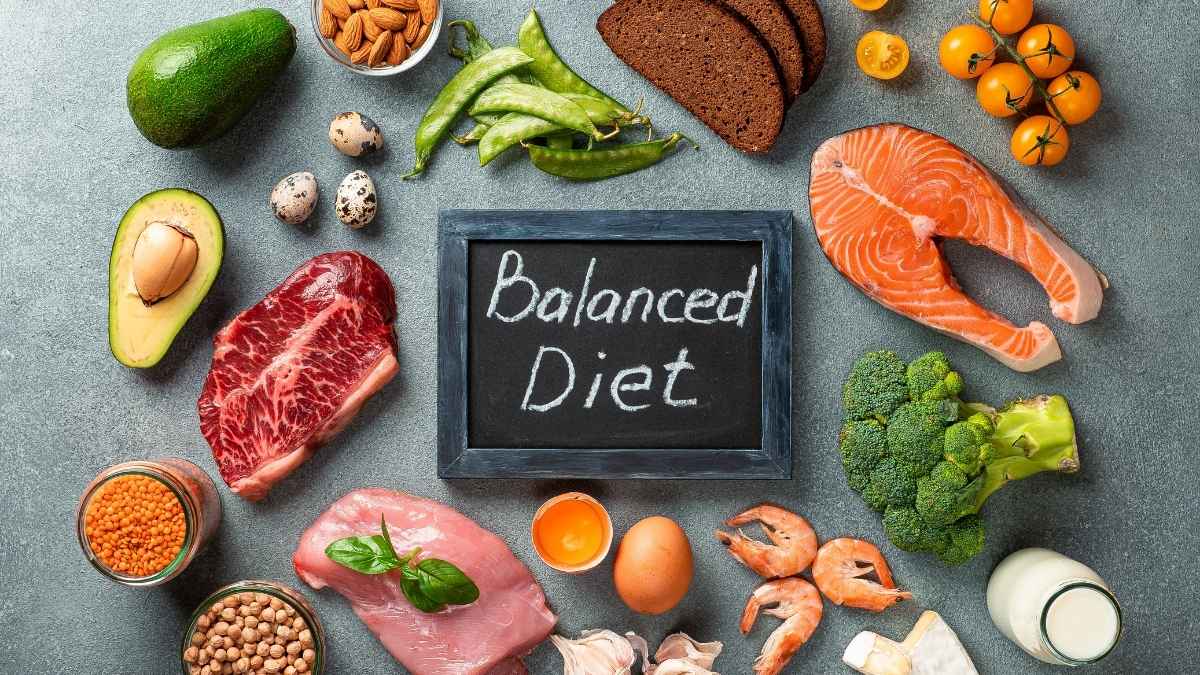
So, who wins the meat eaters vs. vegetarians debate? The answer may surprise you—neither side wins outright. People who eat plenty of vegetables, fruits, whole grains, legumes, healthy fats, and quality protein while limiting ultra-processed foods are more likely to enjoy better health.
Regardless of whether meat is on the menu. Instead of chasing extremes, aim for an eating pattern that is balanced, enjoyable, and easy to maintain. In the long run, healthy habits—not diet labels—are what truly make the difference.
Final Thoughts,
The debate between meat eaters and vegetarians doesn’t have a single winner. Both diets can support good health when they focus on whole, nutritious foods and limit highly processed options.
Instead of following labels or trends, build a balanced eating pattern that fits your lifestyle, meets your nutritional needs, and is easy to maintain for years to come.