
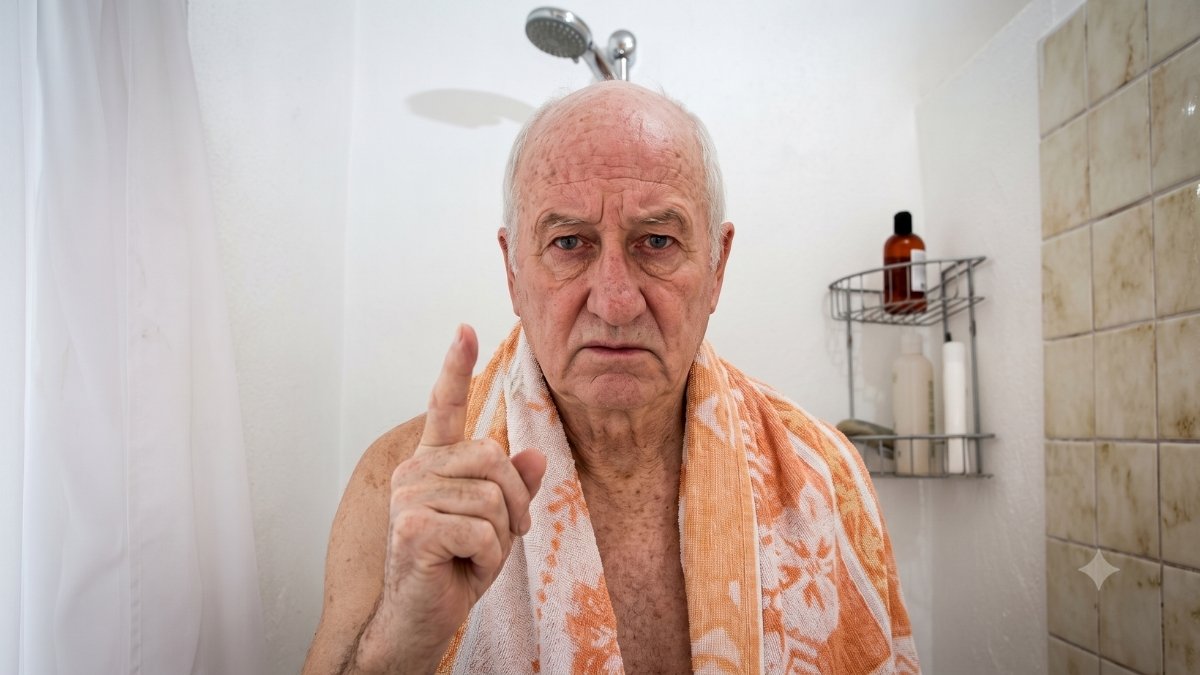
You’ve probably never thought of your shower as a health decision. After 50, it’s one. The best time of day to shower depends on your blood pressure, your sleep pattern, and your skin, and the honest answer is that morning and evening each carry a different risk and a different benefit.
Three things change quietly as you get older: how your blood pressure recovers when you stand, how your body signals sleep, and how your skin holds onto moisture. None of this shows up on a bathroom scale. It shows up in the shower, where heat, timing, and standing all collide.
You’ve been blaming your balance. The real problem might be your shower schedule. More than one in four adults 65 and older falls each year. A shower-related fall is rarely about the water itself.
This article walks through each of those three shifts and tells you which shower window works with your body instead of against it. Your best time to shower isn’t a universal rule. It’s a personal one, built from three specific pieces of evidence.
The first shift shows up the moment you turn the water on and start to relax, which is exactly when it becomes a problem.
The Morning Blood Pressure Dip: Why a Hot Shower Can Make You Dizzy When You Stand
You turn the water up hot because it feels good on tired joints. That same heat is quietly working against you the moment you step out.
Heat widens the blood vessels near the surface of your skin, a process called vasodilation [widening of blood vessels that lowers blood pressure]. That widening pulls blood toward your skin and away from your brain right when you need it most, the second you stand up.
The shower habit that feels most relaxing after 50, standing under hot water first thing in the morning, is the exact moment your blood pressure is least equipped to handle it.
This isn’t just a feeling. In a study of more than 1,400 older adults, a rise in skin temperature during hot-water bathing was associated with a measurable change in blood pressure. Real-world data, not a lab estimate, backed that finding.
Talk to your doctor before changing your shower routine if you take blood pressure medication or have a history of fainting or falls.
A few small changes lower that risk without giving up your shower.
Quick relief if you feel lightheaded:
- Turn the water down to warm, not hot, for the last minute
- Sit on the edge of the tub or a shower chair before standing
- Hold a grab bar or the sink for the first few steps
- Keep a towel or mat nearby so you’re not gripping a slick surface
- Wait a few seconds before walking, even if you feel fine
None of these take extra time, and all of them give your blood pressure a chance to catch up.

Morning isn’t the only time of day your body reacts to a shower. Evening does something completely different.
The Evening Temperature Trick That Helps You Fall Asleep Faster
You already know a warm shower before bed feels good. What you may not know is why it works so well.
Warm water raises your core body temperature for a few minutes. When you get out, that heat drops fast, and the drop mirrors the natural temperature dip your body makes right before sleep.
Falling asleep faster isn’t a coincidence. In a study of nearly 1,100 older adults with an average age of 72, hot-water bathing taken about one to two hours before bed was associated with a shorter sleep onset latency [the time it takes to fall asleep].
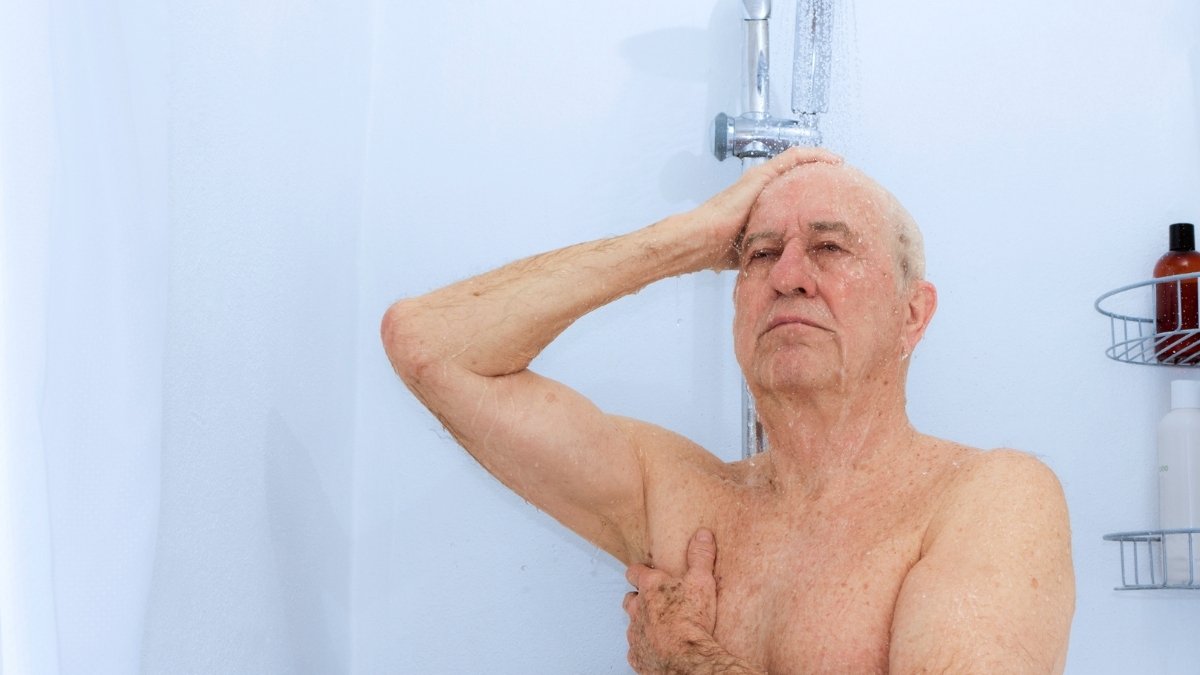
This window is easy to miss. Shower too close to bedtime and you skip the cooling drop that helps you fall asleep. Shower too early and the effect fades before you lie down.
If you already shower at night out of habit, you’ve been doing something right without realizing it. If you’re strictly a morning shower person, this doesn’t mean switching completely, it means knowing what you’re trading.
Sleep is only one piece of what changes with age, and your skin has its own complaint about hot water.
Aging Skin and the Hot Water Problem
Your skin used to bounce back from a hot shower without complaint. Now it feels tight, itchy, or dry within minutes of drying off.
As skin ages, its outer layer, the skin barrier [the outer layer that holds in moisture and protects against irritation], holds onto less water and repairs itself more slowly. Hot water strips oil from that barrier faster than lukewarm water does.
Dermatologists have specific advice for this stage of life. For adults in their 40s and 50s, the recommendation is a thicker moisturizer applied within a few minutes of bathing, while skin is still slightly damp. Timing your moisturizer matters almost as much as timing your shower.

A shorter, warm shower does more for aging skin than a long hot one. Warm, not hot is the line most dermatologists draw, along with fragrance-free cleansers that don’t strip what little natural oil remains.
If your skin has felt different in the last few years, you’re not imagining it. The habits that worked at 30 are working against you now.
Skin recovers with the right habits, but blood pressure medication adds a variable that skin care alone can’t fix.
The Safest Shower Window If You Take Blood Pressure Medication
If you take medication for blood pressure, your shower routine carries a variable most articles never mention.
You might feel this before you even think about your blood pressure. Low blood pressure is linked to lightheadedness, weakness, and fainting, and some blood pressure medications can add to that risk even without any heat involved.
In a study of two groups of older adults, a slower blood pressure recovery after standing was linked to a higher risk of falling in one group, though the same pattern did not hold in the second. A slow recovery is the exact pattern a hot shower can make worse.

You don’t need to give up warm water to stay safe. You need a plan that accounts for what your medication is already doing to your blood pressure before you even turn on the tap.
A few adjustments make hot water and medication safer together.
Shower and medication checklist:
- Keep water warm rather than hot, especially in the first and last minute
- Shower a few minutes shorter than usual
- Sit down for 30 seconds after stepping out before walking
- Ask your doctor if your medication timing could affect shower-related dizziness
None of these change your treatment, they change how your body handles the extra heat.
Medication changes the calculation, but you still need one clear answer for your own daily routine.
Building Your Personal Shower Safety Schedule
By now you know your body reacts differently to a shower than it did years ago. The question is which window fits your specific situation.
Match your situation to the window that fits it best.
- If you take blood pressure medication or have felt dizzy standing up, shower in the evening with warm, not hot, water
- If you struggle to fall asleep, shower one to two hours before bed
- If your skin feels dry or tight, shorten shower time and moisturize within minutes of stepping out
- If none of these apply to you, morning showers carry no added risk
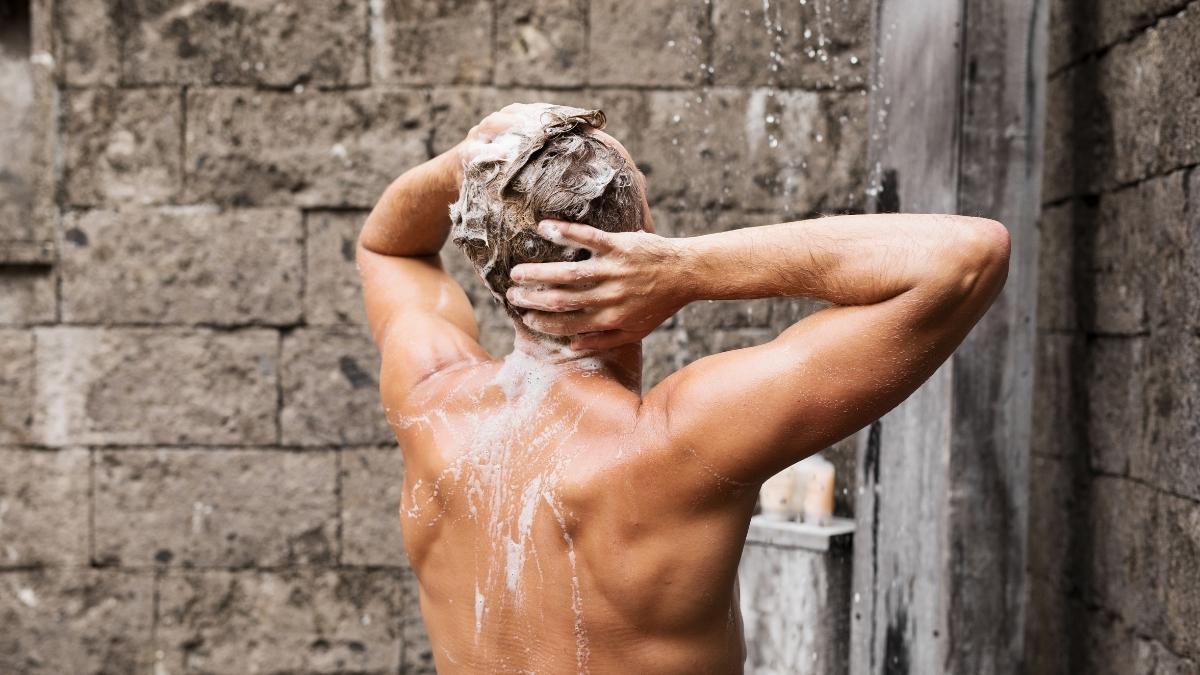
If more than one of these applies to you, the evening window covers the most ground.
This isn’t only about medication or skin. Across a broader body of research on adults of many ages, warm showers taken about one to two hours before bed have been linked to falling asleep faster. The evening window keeps showing up as the safer default.
That still leaves one decision only you can make: which window you’re going to try first.
Final Words,
The single most useful thing you can do today is pick one shower window and commit to it. Pick one shower window that fits your medication schedule, sleep goals, and skin, and stick with it for two weeks before judging how it feels.
Whether you land on a morning or evening shower habit, the best time of day to shower is the one that works with your body, not against it. Your shower isn’t just a routine anymore. It’s information.