

You have a cabinet full of bottles. Fish oil. Magnesium. Maybe an NAD booster you saw on a podcast. And you are still tired, still aging, still wondering if any of it is doing anything.
Here is the uncomfortable part. Some of the researchers who have spent their entire careers studying why bodies age are not taking those supplements either. They found something that worked better, and it did not come in a capsule.
One of them spent more than two decades running Stanford’s aging research programs before deciding the answer was almost embarrassingly simple.
Before making any changes based on this article, talk to your doctor, especially if you are currently taking medication or have a diagnosed condition.
The Stanford Career Behind the Advice
Dr. Thomas Rando spent more than two decades on the faculty at Stanford University School of Medicine, where he founded the Glenn Center for the Biology of Aging and served as deputy director of the Stanford Center on Longevity. He also ran the neurology service at the VA Palo Alto for years, treating patients while running one of the country’s most respected aging research labs. ucla
In 2021 he left Stanford to become director of the Broad Stem Cell Research Center at UCLA, and he currently serves as president of the American Federation for Aging Research, the group that funds much of the country’s aging research.

His lab spent years studying how stem cells lose their ability to repair tissue as the body ages, and how that decline might be delayed or reversed. UCLAUCLA BSCRC
So when a researcher with that resume says supplements are not the answer, it is worth listening. “Eat a good diet and get plenty of exercise,” he told Business Insider, only half joking that billions of research dollars have circled back to advice most people already heard from a parent.
Three Pillars · Longevity Research
The Three Habits That Show Up in Every Longevity Study
Different researchers, different populations — the same three pillars keep appearing.
Daily Movement
Looks likeRunning, walking, or strength training most days of the week.
Why it mattersLowers cardiovascular risk and appears to slow cognitive decline.
Mediterranean Eating + One Weekly Fast
Looks likeWhole foods, fish, olive oil, and one day of restricted eating.
Why it mattersReduces inflammation and supports healthy blood sugar and weight.
The 3 Things He Does Instead
None of these habits are flashy. That is sort of the point. Here is what he actually does, and what the research says about why each one works.
1. He Moves Almost Every Day, Not Just at the Gym
Rando did not start out as an exerciser. In his 30s he realized his work schedule made it hard to organize basketball or squash games, so he started running solo a few miles at a time. A colleague eventually talked him into a 5K. He worked his way up through a 10K, a half marathon, and eventually a full marathon, and he has been racing for the last few decades.
The mechanism is not mysterious. Movement improves blood flow to the brain and lowers the inflammation that damages blood vessels over time. A combined analysis of 58 studies found that people who exercise regularly may be up to 20 percent less likely to develop dementia than people who do not. Alzheimer’s Society

Timing seems to matter, too. A Boston University study published in JAMA Network Open found that regular activity during midlife, roughly ages 45 to 64, was linked to a 41 percent lower dementia risk, while staying active in later life was linked to a 45 percent lower risk. Boston University
Everyone’s body responds differently, so check with your doctor before starting a new exercise routine if you have an existing heart condition, joint issue, or take medication that affects your heart rate.
You do not need to train for a marathon. Rando himself has recently pulled back on running because of an Achilles injury. He said he is now leaning more on strength training, which matters as much as cardio does, since muscle mass naturally declines with age. A realistic target is 30 to 45 minutes of walking, jogging, or cycling most days, plus two short strength sessions a week using bodyweight moves or light weights.
2. He Eats Like the Mediterranean and Skips One Day a Week
Rando does not follow a trendy elimination diet. He generally eats the Mediterranean way, built around lean protein, fruit, and vegetables, while cutting back on red meat, refined carbohydrates, and processed food. He still eats steak occasionally. His typical dinners are vegetarian or lightly built around fish or a small portion of meat.
The data behind that choice is some of the strongest in nutrition science. A 25 year study of more than 25,000 women found that higher adherence to the Mediterranean pattern was associated with a 23 percent lower risk of death from any cause. A separate meta analysis focused specifically on adults over 60 found that closely following the diet lowered the risk of death from any cause by 23 percent and lowered cardiovascular death risk by 27 percent. nihPubMed
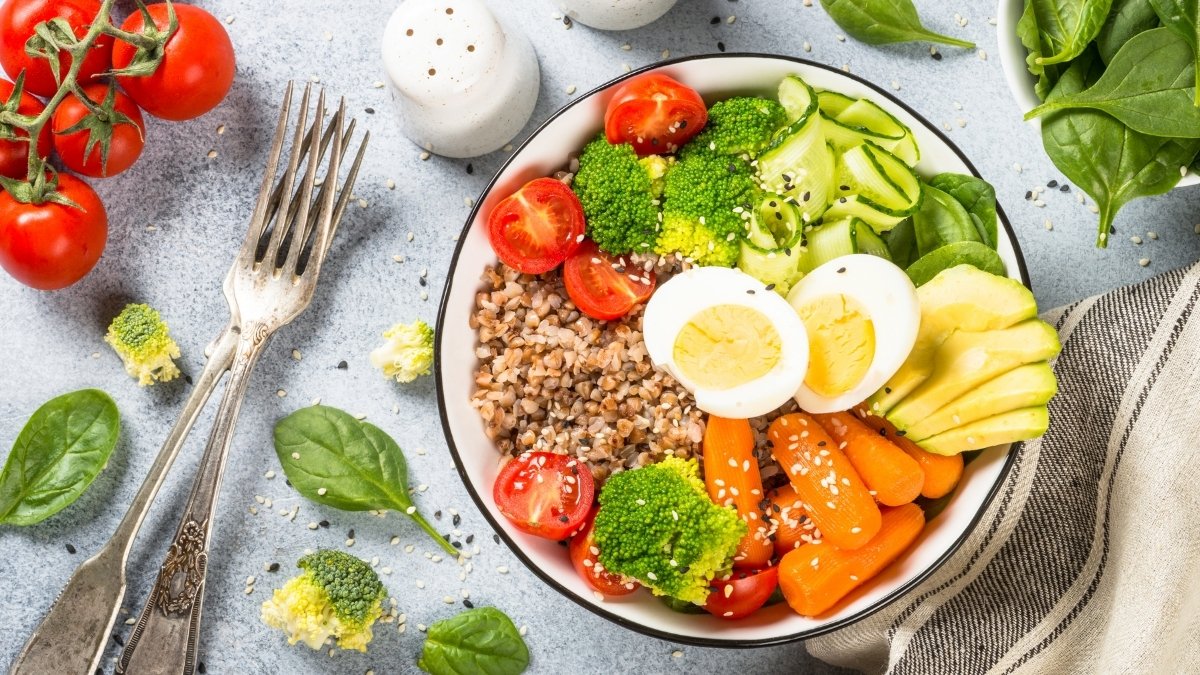
The second piece is timing, not just food choice. For decades Rando has skipped breakfast, kept lunch light, usually edamame and a hard boiled egg, and eaten his largest meal at dinner. On top of that, he fasts for 24 hours about once a week, starting after dinner and not eating again until dinner the following day.
He is candid that the fasting piece is less proven than the diet itself. Some research shows intermittent fasting can help control blood sugar and support fat loss, while other studies show mixed results on whether the benefits hold up long term. He calls it a leap of faith based on the science he trusts, not a guarantee.
If you want to try this, start small. Push breakfast back by an hour or two before attempting a full day of fasting, and skip fasting entirely if you take medication for blood sugar or blood pressure without talking to your doctor first.
3. He Treats His Social Calendar Like Part of the Plan
This is the habit that surprises people, mostly because it does not sound medical at all. Through his work leading AFAR, Rando says he leads a naturally social life, collaborating with researchers, sitting on committees, and attending events, and he makes a point of socializing outside of work too.
The research on isolation is blunt. According to the National Institute on Aging, prolonged social isolation is linked to a 32 percent higher risk of stroke, a 29 percent higher risk of heart disease, and a 26 percent higher risk of premature death.

Some researchers have pushed back on the popular comparison of isolation to smoking, noting the exact size of the risk differs by study. One large analysis of two cohort studies concluded that poor social connection was still linked to higher mortality risk, just not quite as strongly as cigarette smoking itself. Either way, the direction of the finding holds up again and again. University of New Hampshire Extensionnih
Rando points to one of his own study participants, a 96 year old man who credited strong relationships with helping him live a long life. It is not a controlled trial. It is a pattern that shows up constantly in longevity research anyway.
Try This Today
- Take a 20 to 30 minute walk before or after dinner tonight.
- Swap one processed snack for fruit, nuts, or vegetables with olive oil.
- Text one friend to schedule a call or a meal this week.
- Add two short strength sessions to your calendar for this week.
- If you want to try fasting, push breakfast back by an hour first instead of jumping straight to a full day.
What Helps and What Hurts
| Helps | Hurts |
|---|---|
| Walking, jogging, or strength training most days | Sitting for most of the day, most days |
| Whole foods, olive oil, fish, and vegetables | Ultra processed snacks and sugary drinks |
| Regular calls, meals, or plans with friends | Skipping social plans because it feels easier |
| An occasional fasting window, cleared with your doctor | Chronic under eating or extreme crash diets |
| Strength training twice a week as you age | Relying on supplements to make up for basics |
Building It Into a Real Week
Seven Days, One Rhythm
Five focuses, repeated weekly — not a strict schedule, just a shape to the week.
Brisk walk or easy run, 30–45 min.
Bodyweight or resistance, 20–30 min.
Call or meet up with a friend.
Walk, swim, or light jog.
Light lunch, bigger dinner, then stop until tomorrow evening.
Social plans, a class, or group activity.
Gentle movement and meal prep for the week ahead.
Swap days around as life happens — the rhythm matters more than the exact order.
What This Means for You
None of these three habits are secret. That is exactly why they get skipped in favor of a bottle that promises a shortcut. A researcher who spent his entire Stanford career studying why bodies age chose movement, real food, and real people over pills, and the research keeps backing him up.

You do not need to run a marathon or fast for 24 hours next week. Start with one walk, one better meal, and one phone call to someone you have been meaning to see.
Stanford longevity researchers say skip the supplements. Here are the 3 simple daily habits they rely on instead, and why they work.