

Living longer was supposed to mean more good years. The newest global data say it did not work out that way.
Between 1990 and 2023, global life expectancy rose by about nine years, while healthy life expectancy rose by only about seven. That leaves a growing stretch of life spent managing pain, low mood, poor hearing, or a body that no longer cooperates.
For many people, that stretch does not wait for the final year. Gains in life expectancy outpaced gains in healthy years across almost all of the 204 countries and territories analyzed. Longer lives have not automatically meant more healthy years, and the gap keeps widening.
Here is the surprise. The biggest thieves of healthy years are rarely the diseases people fear most, and the habits linked to more good years are simpler than you might expect.
What the Numbers Say About Healthy Years
Two large studies, published less than two years apart, point to the same uncomfortable conclusion.

The first is a July 2026 analysis in The Lancet Public Health, built on Global Burden of Disease data. Worldwide, life expectancy rose from 64.6 to 73.8 years between 1990 and 2023, while healthy life expectancy rose from 55.9 to 63.1 years.
“Healthy life expectancy” is not the number you usually hear. Standard life expectancy counts every year the same, while healthy life expectancy gives a year of serious limitation less weight than a year spent healthy and active.
Global Health & Longevity Trends
Comparative macro-demographic analysis of global average life expectancy and healthspan metrics from 1990 to 2023.
64.6 years
73.8 years
55.9 years
63.1 years
8.8 years
10.7 years
The years spent in poor health grew from 8.8 to 10.7. In 2023, people worldwide spent an average of 14.5% of their lives in poor health.
An earlier analysis from Mayo Clinic researchers, published in JAMA Network Open in December 2024, covered 183 World Health Organization member states. Between 2000 and 2019, the average gap between lifespan and healthspan grew from 8.5 to 9.6 years.
The United States stood out. Its gap grew from 10.9 to 12.4 years, which is 29 percent wider than the global average. Australia (12.1 years) and New Zealand (11.8 years) came next.
Before making any changes based on these findings, talk with your doctor, especially if you take medication or have a diagnosed condition.
Why Extra Years Do Not Come With Extra Health
The short version: medicine got much better at preventing early death, and much less successful at preventing disability.
That is not a new problem. An earlier Global Burden of Disease analysis found that gains in healthy life expectancy came mainly from fewer deaths, not from fewer years lived with disability.

The newest data confirm the pattern. Countries where people lived the longest also had more years spent in poor health. Longer life is stretching out the period of illness instead of pushing it later.
The timing matters too. The widening gap appeared across the whole adult lifespan, not only at the very end of life. People are carrying disease and disability for more of adulthood.
One more twist. The five countries with the largest gaps are all affluent, while the smallest gaps are in the Global South. That is not a point in favor of shorter lives. It simply means that living long enough to grow old with health problems is, for now, a wealthy country pattern.
The Quiet Conditions That Steal the Most Healthy Years
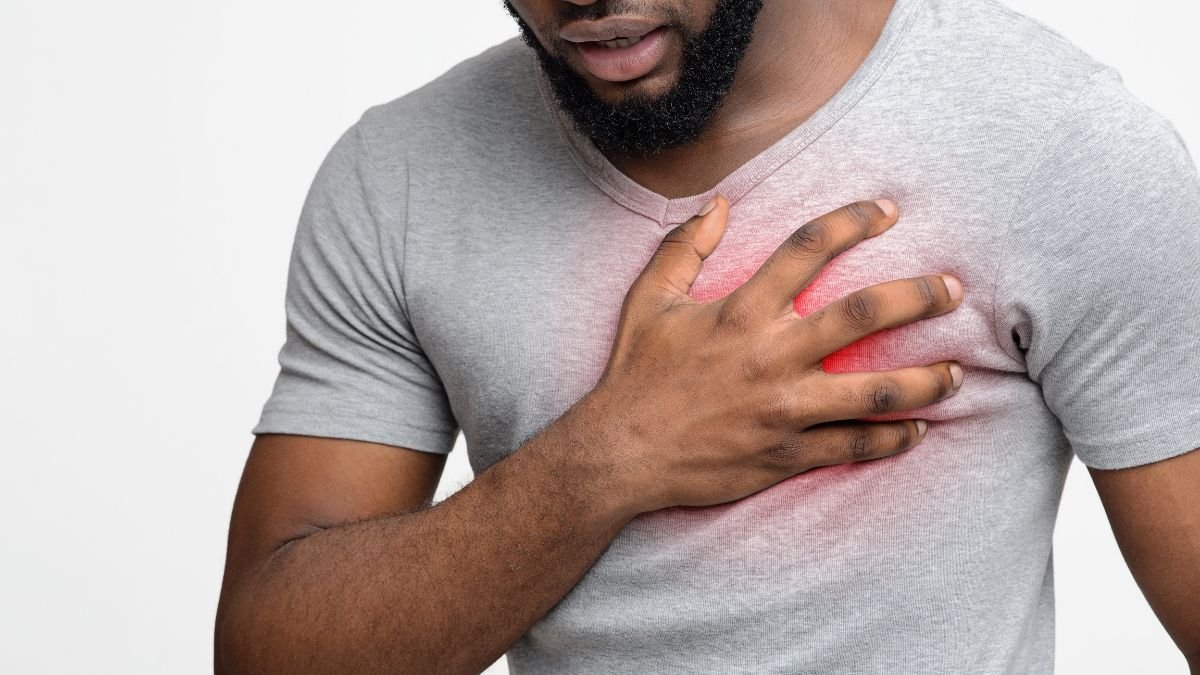
Ask most people what ruins a good old age and they say heart attack or cancer. The data point somewhere less dramatic.
Musculoskeletal disorders (especially low back pain), depression and anxiety, hearing loss, and falls together account for about 57% of all years lived in poor health worldwide. These conditions rarely kill, which is exactly why they pile up.
They also rarely make headlines. They quietly decide whether you can climb stairs, follow a conversation, or get through a day without pain.
The Lancet researchers also named risk factors such as high body mass index, tobacco use, high fasting blood sugar, and air pollution. Most of these can be changed, at least in part.
The United States tells a similar story. Mental and substance use disorders and musculoskeletal diseases were the main contributors to years lived with disability there.
Women carry an extra load. Their average gap is about 12 years, compared with just over 9 years for men. Mayo researchers tied neurological, musculoskeletal, urinary, and genital tract disorders to extra years of poor health in women.
The practical takeaway is simple. Protecting healthy years is less about dodging one big disease and more about guarding movement, mood, hearing, and blood sugar.
Is the Gap Destiny? What Midlife Habits Show
Not necessarily. Researchers at the Harvard T.H. Chan School of Public Health followed about 34 years of data on 111,562 adults to see how habits shape the years lived without major disease.
The five habits were regular exercise, a healthy diet, a healthy body weight, moderate alcohol intake, and not smoking. The outcome was life expectancy free of type 2 diabetes, cardiovascular disease, and cancer.
Years Free of Diabetes, Heart Disease & Cancer After Age 50
Comparative healthspan gains in women and men adopting 4 to 5 low-risk lifestyle habits versus zero healthy habits.
23.7 disease-free years
34.4 disease-free years
23.5 disease-free years
31.1 disease-free years
Women who followed four or five of the habits at age 50 lived an average of 34.4 more disease free years, compared with 23.7 for women who followed none. Men saw 31.1 years versus 23.5.
One caution. This was an observational study, so it shows an association, not proof that the habits caused the extra years. Participants were also mostly nurses and other health professionals, so results may not translate perfectly to everyone.
Still, the direction is hard to ignore. The shortest disease free lives belonged to heavy smoking men and to people with obesity.
Try This Today
- Take a brisk 10 minute walk after your biggest meal.
- Stand up from a chair 10 times without using your hands, to keep your legs honest.
- Count your weekly drinks. The Harvard study counted up to one drink a day for women and up to two for men as moderate.
- Book a hearing check if you keep asking people to repeat themselves.
- Tell your doctor about back pain, low mood, or hearing changes instead of waiting them out.
Why Walking Speed Is an Early Warning Sign

Decline rarely arrives overnight. A physician quoted on the findings noted that functional decline often begins years before disability becomes obvious.
One of the simplest signals is how fast you walk. A systematic review found that slower gait speed was linked to future disability, hospital stays, falls, and earlier death in healthy older adults.
Grip strength also tracked with future disability, but the link was weaker and less consistent than for walking speed. Your legs, in other words, may tell the story first.
The FNIH Sarcopenia Project used a walking speed below 0.8 meters per second as its marker of mobility impairment, because of its strong links to disability and death. That works out to roughly 1.8 miles per hour.
This is a research benchmark, not a diagnosis. It shows why strength and pace are worth protecting before they become a problem.
Everyone’s body responds differently, so check with your doctor before starting a new exercise routine, especially if you have a heart condition, joint problems, or take medication.
Where the Next Gains in Healthy Years May Come From
Researchers are asking health systems to change what they measure. The Lancet Public Health authors argue that systems need to focus on the quality of extra years, not just their number, with investment in prevention, rehabilitation, mental health services, and chronic care.

There is a money angle too. Economic modelling in the study suggests that improving health by targeting ageing could bring larger financial gains than raising life expectancy by eliminating specific diseases.
The Mayo team made a similar call. They pointed to the need for an accelerated pivot to proactive, wellness centered care systems.
A 2012 analysis offers a hint of what is possible. It estimated that if every country matched the low rates of years lived with disability seen in Japan, healthy life expectancy would rise substantially.
For you personally, the lesson is the same. Waiting for symptoms is the slow route. Protecting movement, mood, hearing, and metabolic health early is the faster one.
Questions People Ask Next

Does this mean I will spend my last decade sick?
No. The gap is an average, not a prediction that every person spends their final years continuously ill, and health limits can show up at different life stages.
The numbers show where populations are heading. They do not tell you where you have to end up.
Is any of the news good?
Yes. A UK study of adults aged 65 and older in England compared 1991 with 2011. Men gained 4.6 years of life expectancy and 3.7 years free of disability, while women gained 2.1 years and 2.0 years.
So healthy years can rise along with long lives. The exception was cognitive impairment. Women with cognitive impairment gained years lived with disability but no extra disability free years.
Why is the gap wider for women?
Part of the answer is simple arithmetic. In the United States, women tend to live longer and are also more likely to have musculoskeletal conditions.
US women’s gap rose from 12.2 to 13.7 years between 2000 and 2019, and US men’s gap was 11.1 years in 2019.
Do healthy habits still help if I already have a diagnosis?
The Harvard researchers think so. Senior author Frank Hu said the habits may not only delay these diseases but also improve survival for people who already have them.
Among people in the study who developed cancer, roughly 40 percent of those with four or five healthy habits were alive after 32 years, compared with about 15 percent of those with none. Your own care team can tell you how to apply that to your situation.
Red Flags: When to Call Your Doctor
Book an appointment soon if you notice:
- A new or fast decline in walking, balance, or getting up from a chair
- More than one fall, or repeated near falls
- Low mood, loss of interest, or constant worry lasting more than two weeks
- Changes in hearing, or memory lapses that get in the way of daily tasks
What to Take From the Numbers,
Longer lives are a real achievement. But the data show that extra years are not automatically good years.

The biggest drains on healthy life are often the quiet ones: pain, mood, hearing, falls, and blood sugar. Those are the areas where daily habits have the most to offer.
Start small. Walk more, strengthen your legs, watch your weight and alcohol, and get problems checked early. Each step protects the thing you actually want, which is more good years.
This article is for informational purposes only and is not a substitute for professional medical advice, diagnosis, or treatment. Always consult your doctor or a qualified healthcare provider before making changes to your diet, exercise routine, or medications, especially if you have an existing health condition.