
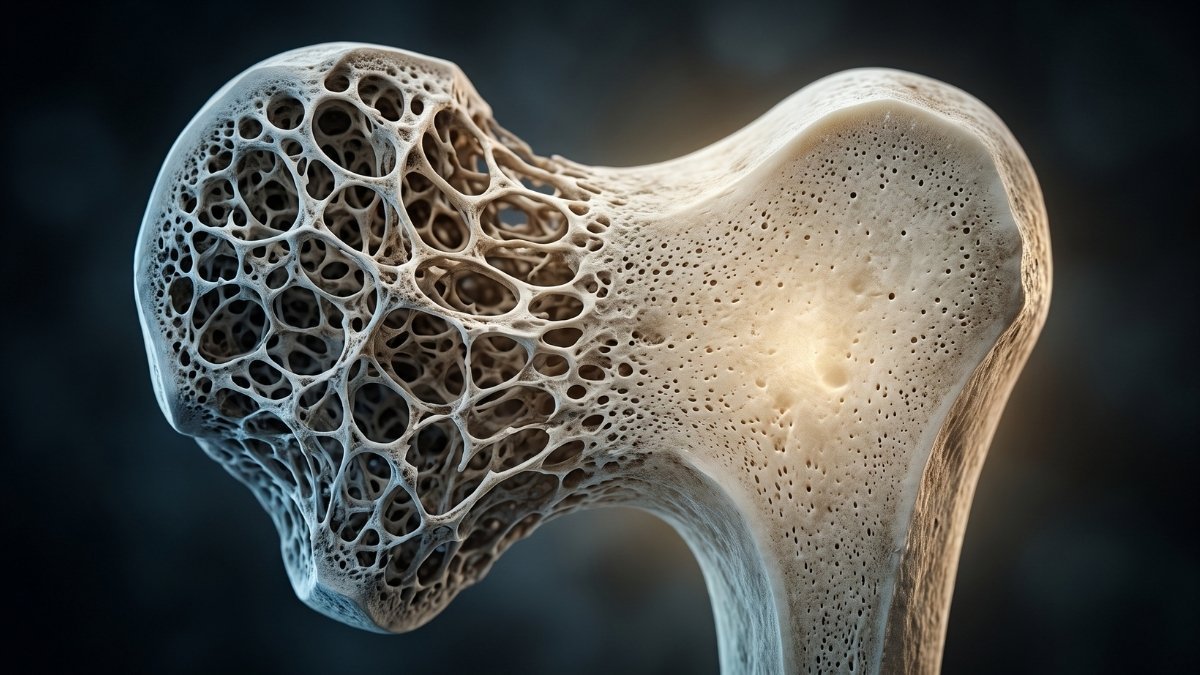
Your bones can thin for years without a single warning sign.
Then one ordinary fall breaks a hip or a wrist, and the risk of a second break is highest in the year or two that follow. There is no pain beforehand, which is why osteoporosis is called a silent disease.
NIH put bone health in the spotlight in its November 2026 News in Health feature, and the guidance is simpler and more practical than most people expect. Seven clear priorities stand out, and the first one explains why so many seniors are caught off guard.
This guide pulls those priorities together with advice from NIH’s arthritis, aging, and dietary supplement programs. You will also get a bone density screening chart and a list of medicines and habits that quietly drain bone.
Each of the seven comes with a specific number or action you can use this week, not vague advice.
Before you change anything based on this article, talk with your doctor, especially if you take medication or have been diagnosed with a bone condition.
1. Bone Loss Is Silent, and a Break Is Often the First Sign
Osteoporosis develops when bone density and bone mass drop, or when the structure of bone changes. The result is weaker bone that breaks more easily. NIH’s arthritis institute calls it a silent disease because there are typically no symptoms until a bone actually breaks.
Your skeleton is not fixed. It is constantly being broken down and rebuilt, and as you age, old bone breaks down faster than new bone forms. Gradual loss usually starts around age 40.
For women, the drop in estrogen at menopause speeds this up. Estrogen helps control the cells that break bone down, so when it falls, women may lose more bone than they build. Women also start with lower peak bone mass and smaller bones than men.
Men are not off the hook. NIH notes that men are still at risk, especially after age 70.
Doctors also watch for osteopenia, which means bone density that is lower than normal but not yet low enough to be called osteoporosis. Think of it as an early warning. NIH says learning about bone loss early gives you a chance to keep it from getting worse.
The scale is large. Bone experts estimate that about half of women and one in four men over 50 will suffer a fragility fracture, which is a break from a fall at standing height or lower.
2. A Bone Density Scan Is the Only Way to See It Coming
A bone density test called a DXA scan measures how dense your bones are. NIH says a DXA of the hip and spine is generally considered the most reliable way to diagnose osteoporosis and predict fracture risk. Some clinics offer a quick scan of the wrist or heel, but the hip and spine scan is the standard.
The test is painless, uses a very low dose of radiation, and takes about 15 to 20 minutes. Your doctor gets the results and decides whether you need treatment.
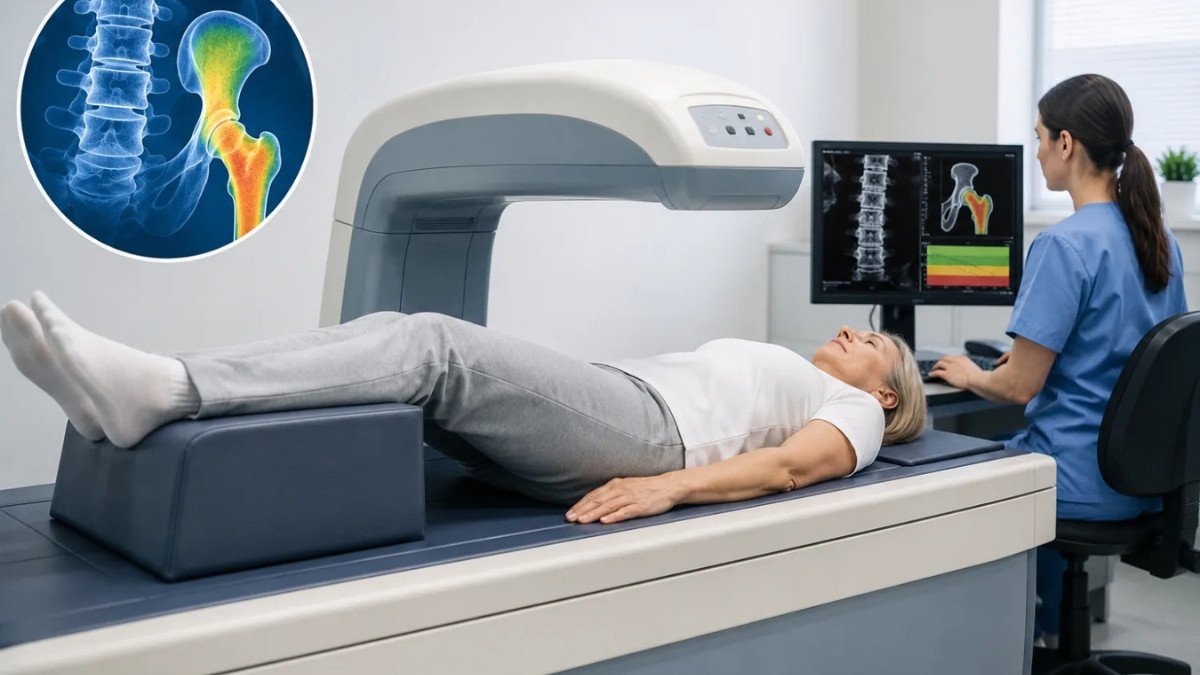
Results come back as a T score, which compares your bone density with that of a healthy young adult. A score of minus 1 or above is considered normal. A score between minus 1 and minus 2.5 points to osteopenia, and minus 2.5 or lower points to osteoporosis.
Timing depends on your age, sex, and risk factors. Here is how the main guidelines line up.
Bone Density Screening Guidelines
Clinical recommendations for DEXA scans based on age, gender demographics, risk factors, and fracture history.
Routine bone density scan recommended (U.S. Preventive Services Task Force)
Earlier scan indicated, guided by a fracture risk assessment tool
Scan recommended by the Bone Health and Osteoporosis Foundation
Consider a scan, based on your doctor’s clinical judgment
Ask about diagnostic bone density testing right away
The Task Force says the evidence is still limited for routine screening of all men. That makes it a personal conversation, and a good reason to raise it with your doctor yourself.
Common risk factors include low body weight, a family history of osteoporosis, smoking, heavy drinking, and long term use of certain medicines. Some doctors also use a tool called FRAX, which combines your scan with other factors to estimate your 10 year chance of a hip fracture or another major osteoporosis related fracture.
Ask whether FRAX makes sense for you, and how often your scan should be repeated.
3. What NIH Says About Calcium, Vitamin D, and Protein for Bone Health
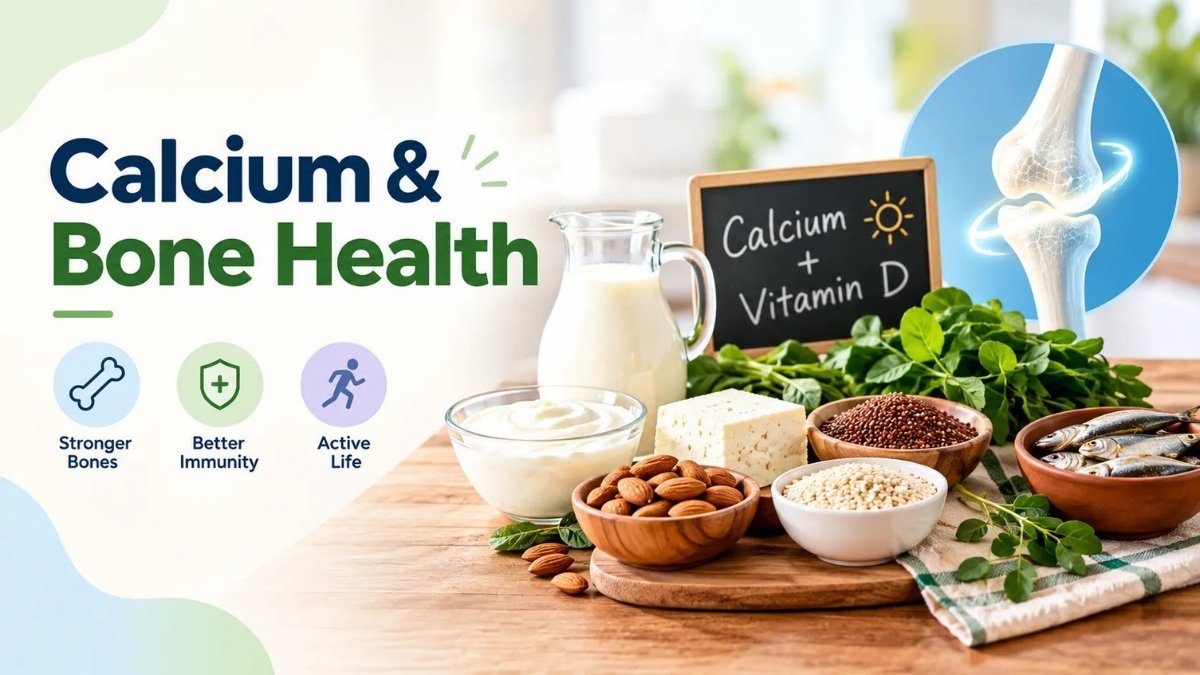
Your body cannot make calcium, so it has to come from food, drinks, or supplements. One 8 ounce glass of milk delivers about 300 mg.
NIH’s Office of Dietary Supplements sets the daily targets: 1,000 mg for men 51 to 70, and 1,200 mg for women 51 to 70 and for everyone 71 and older. The upper limit for adults 51 and older is 2,000 mg a day.
Food comes first. Milk, yogurt, and cheese are the main sources for most Americans. Canned sardines or salmon with the bones, kale, broccoli, and bok choy also add up.
Vitamin D is the partner nutrient, because it helps your body absorb calcium. The recommended amount is 600 IU a day through age 70 and 800 IU after that, and the Bone Health and Osteoporosis Foundation has suggested 800 to 1,000 IU for adults 50 and older. NIH notes that most Americans do not get enough from food alone.
The Endocrine Society does not recommend routine vitamin D blood tests for healthy people. Ask your doctor whether a test makes sense for you.
If you need a calcium supplement, the form matters. Calcium carbonate absorbs best with a meal. Calcium citrate absorbs well with or without food, and it is easier on people with low stomach acid, which is more common as we age.
Supplements are not a magic fix. NIH says studies are mixed on whether calcium supplements raise bone density, and it is unclear whether they prevent fractures. A large 2022 trial also found that vitamin D supplements did not prevent fractures in healthy men over 50 and women over 55.
Protein completes the trio. NIH’s bone health feature lists calcium, vitamin D, and protein as the three nutrients to get enough of every day, because your body uses what you eat to build bone density.
A simple habit is to include a protein food at every meal, such as eggs, yogurt, fish, beans, or poultry.
Calcium and vitamin D needs vary with your health and your medications, so check with your doctor or pharmacist before you start or increase a supplement.
4. Your Bones Get Stronger Only When You Make Them Work
Bones respond to force. Weight bearing exercises, the kind where your feet and legs carry your body weight, put force on your bones and make them work harder.
NIH lists brisk walking at 3 to 4 miles per hour, climbing stairs, dancing, jogging, and racket sports such as pickleball and tennis. Even mild weight bearing activity, such as walking and stair climbing, may help slow bone loss.
A researcher quoted in NIH’s November feature calls regular weight bearing exercise and resistance training probably the best way to keep your bones healthy.
Resistance training matters because muscles pull on the bones they attach to. Stronger muscles also help you stay steady on your feet, which protects you twice.
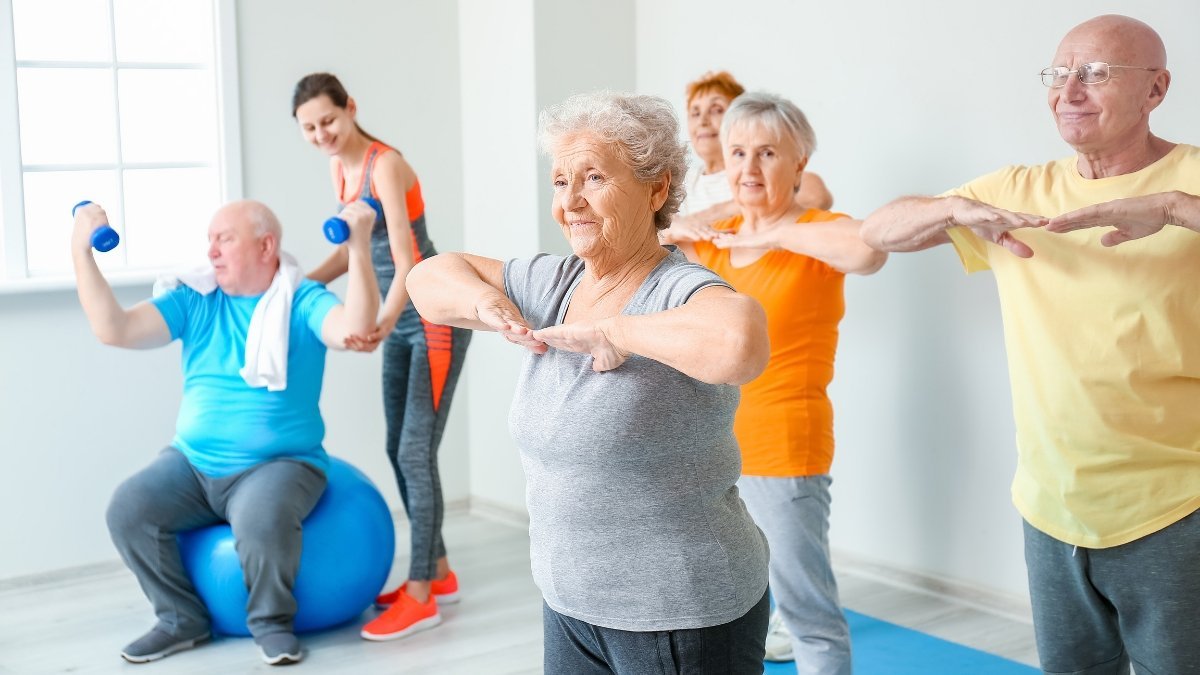
Federal guidelines for adults call for at least 150 minutes a week of moderate exercise, or 75 minutes of vigorous exercise. They also recommend muscle strengthening activities at least twice a week. If your health limits you, NIH says to be as active as your health allows.
Swimming and cycling are excellent for your heart, but they do not load your bones the same way. Pair them with walking or strength work.
Afraid of falling after a fracture? Avoiding exercise only makes things worse, because it can cost you even more bone and muscle.
NIH suggests learning correct posture and movement, and wearing shoes with strong traction. Your doctor can refer you to a physical therapist who can teach you how.
5. Preventing One Fall Can Prevent the Break That Changes Everything
Weak bones are only half the story. The other half is whether you hit the ground.
More than 1 in 4 older adults falls each year. Falls are the most common reason older adults visit the emergency room for an injury, and most happen at home.
NIH’s arthritis institute calls avoiding falls one of the best ways to prevent another fracture. Here are the changes health agencies recommend most often:
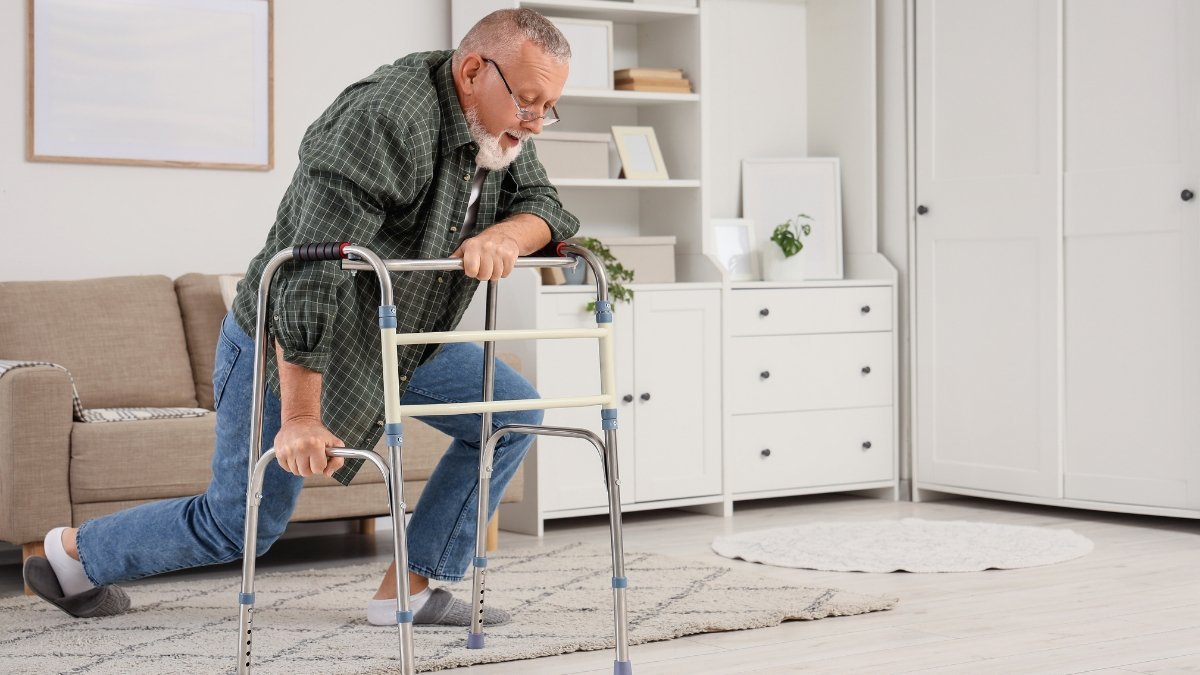
- Review your medicines. Take every prescription, over the counter product, and vitamin to your doctor or pharmacist. Some cause dizziness or sleepiness, especially those meant to help you relax or sleep.
- Check your eyes, ears, and feet. Get your vision checked every year, since conditions such as cataracts and glaucoma raise fall risk. Hearing loss and foot problems matter too.
- Train your balance. Exercises that improve balance and leg strength help prevent falls, and tai chi is a popular choice.
- Wear shoes with nonslip soles, even at home. Skip bare feet, socks, and slippers on hard floors.
- Make the house safer. Add grab bars in the bathroom, nonslip mats in the tub, and keep everyday items within easy reach.

NIH also suggests a cane or walker when you need help feeling steady, and boots with rubber soles in winter. That is a smart move, not a defeat.
6. Some Medicines and Habits Quietly Drain Your Bones
Bone loss is not only about age. Certain drugs and habits speed it up, and many people never connect the dots.
NIH’s November feature names corticosteroids as one example. These are steroid medicines often used for arthritis, asthma, and other inflammatory conditions, and they can cause bone loss.
Tobacco and alcohol can weaken bone too. NIH advises avoiding tobacco and limiting alcohol to two drinks a day for men and one drink a day for women.
Dieting, fasting, or exercising too much to lose weight can also lead to bone loss. So can being at an unhealthy body weight.
One newer concern is weight loss medication. Some experts suggest a bone density test before starting these drugs, especially for women over 65, if you have not had one recently.
Bone Drain Factors & Smarter Moves
Common medications, lifestyle habits, and metabolic stressors that accelerate bone loss, paired with actionable clinical guidance.
Corticosteroids can actively cause bone tissue loss
Directly weakens bone mineral density & structure
Weakens bone matrix and raises overall fall risk
Severe calorie restriction can lead to bone loss
Sleep or relaxation meds can cause dizziness & falls
7. A Fracture Is a Warning, and Treatment Works Best When It Starts Fast
If you are 65 or older and break a hip or a spine bone, there is a good chance osteoporosis is involved. NIH says your doctor will probably test for it.
The risk of breaking another bone is highest in the year or two after the first break. One fall also raises the odds of another.
One medical review put the added risk at roughly 80 percent after a first low trauma fracture. A geriatric medicine review also notes that about half of people with a hip fracture have already had an earlier osteoporosis related fracture.
Medicines can help prevent fractures in older adults with osteoporosis who have already broken a bone. Doctors most often prescribe drugs that slow the breakdown of bone.
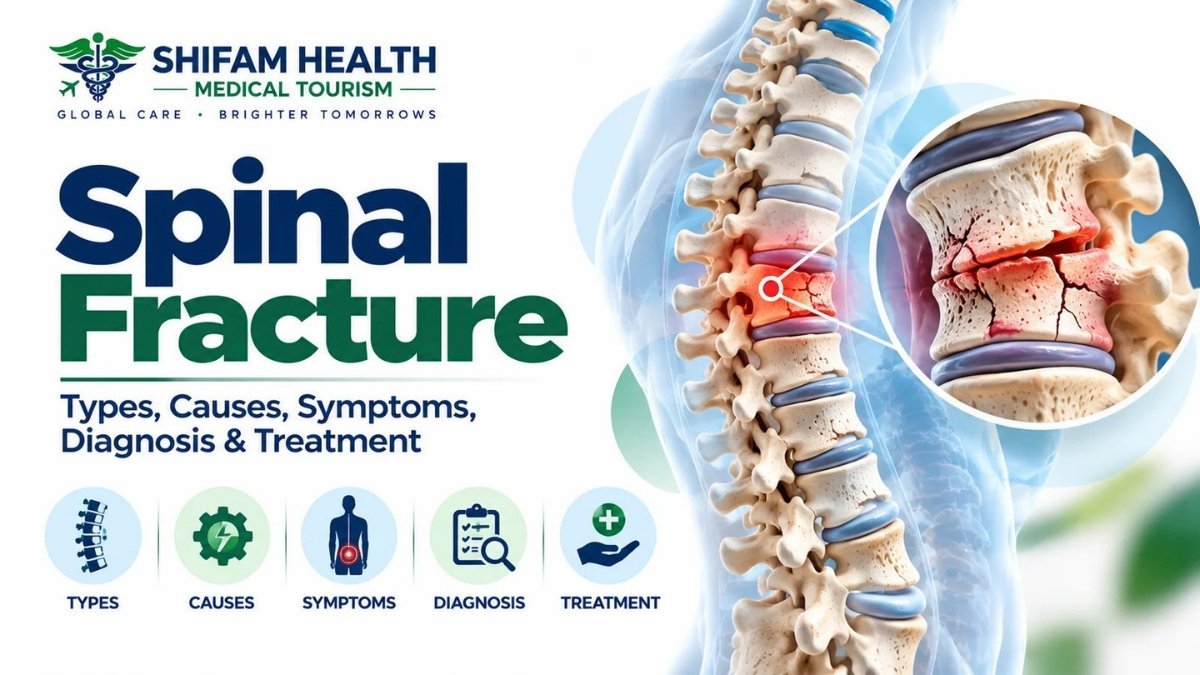
Osteoporosis can come from too much bone breakdown, but also from not building enough new bone. That is why researchers featured in NIH’s article are testing whether bone forming drugs might work better for certain patients.
Do not stop an osteoporosis medicine on your own. Stopping some of them suddenly can cause rapid bone loss and new fractures, so talk with your doctor about a plan first.
Ask whether your hospital or clinic has a fracture liaison service. It is a coordinated program that checks and treats bone health after a break.
When To Call Your Doctor Right Away
- Sudden back pain that appears without a clear cause, which can signal a spine fracture
- Loss of height or a more stooped posture over time
- A fall followed by hip, wrist, or back pain that does not ease (if you cannot put weight on a leg, seek emergency care)
- Any broken bone from a fall at standing height or lower, which is a signal to ask about osteoporosis testing
Try This Today
- Add up the calcium in what you ate today and compare it with 1,000 or 1,200 mg.
- Walk briskly for 20 minutes, or climb a few flights of stairs.
- Put on nonslip shoes before you move around the house.
- Add a protein food to your next meal.
- Write down one question for your doctor: “Do I need a bone density scan?”
The NIH Bone Health Bottom Line
The pattern across NIH’s guidance is consistent. Bones weaken quietly, testing finds the problem early, and daily habits decide how much protection you get.
Get enough calcium, vitamin D, and protein. Move your body against gravity,
protect yourself from falls, watch for medicines and habits that drain bone, and treat any fracture as a signal to act.
You do not need to do everything at once. Pick one item from this list today, and bring the rest to your next doctor’s visit.