
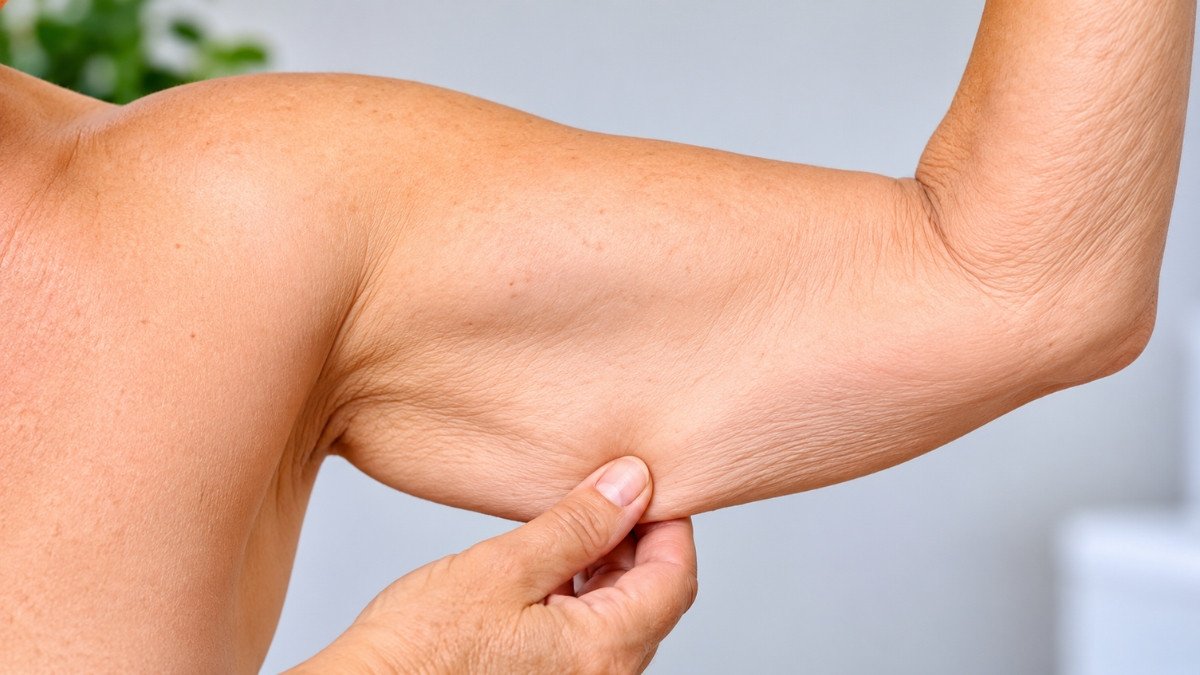
Your grip feels weaker, and the stairs ask more of you than they used to. Small stuff that is easy to ignore. You call it normal aging, and nobody connects it to your bones.
A new UK Biobank study suggests that early muscle loss may be tied to an 87% higher osteoporosis risk. That matters because bone loss makes no noise. Nearly 80 percent of older Americans who break a bone are never tested or treated for osteoporosis.
In the United States, one in two women and up to one in four men over 50 will break a bone because of it. Most find out only after a bone actually breaks.
Here is what the researchers measured, why that 87% deserves a careful read, and the habits that protect muscle and bone together. Some of it is simpler than you would expect, and most of it costs nothing.
Before making any changes based on this article, talk to your doctor, especially if you take medication or have a diagnosed bone, heart, or kidney condition.
What the New UK Biobank Study Actually Found
Researchers followed about 14,500 adults from the UK Biobank, a large research database of health records and body measurements.
They sorted participants into four groups using handgrip strength, muscle mass, and body fat: normal, obese, early muscle loss, and early muscle loss with obesity.
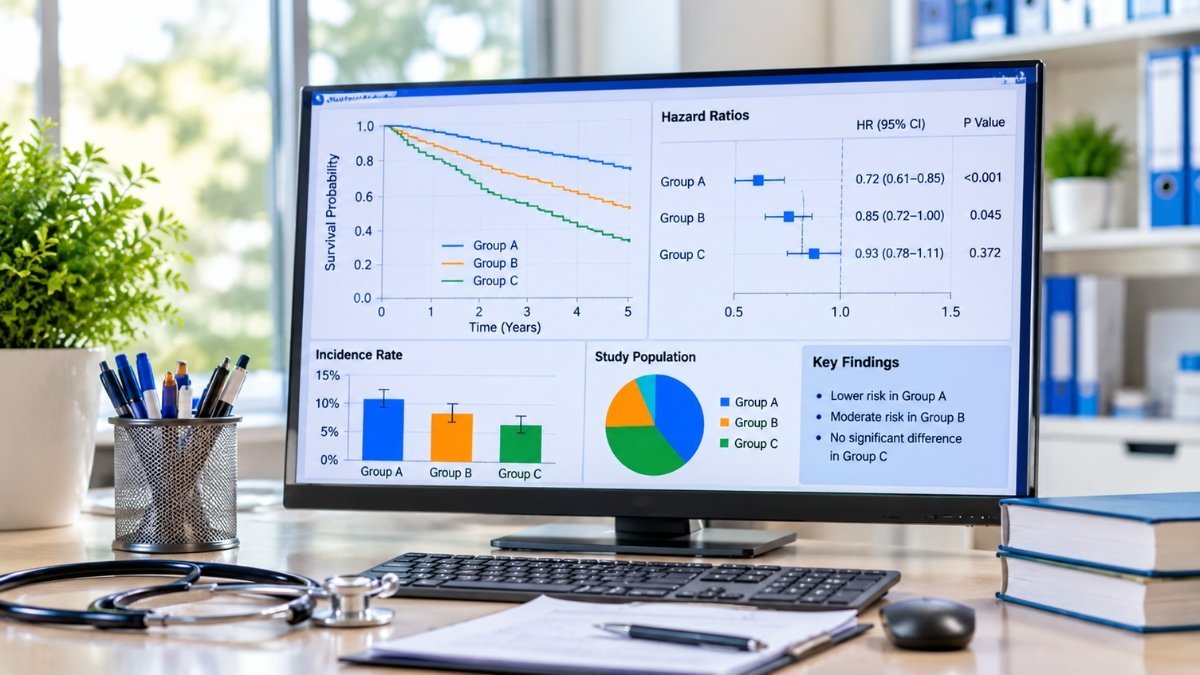
Early muscle loss is the plain language version of presarcopenia. It describes muscle decline that has started but may not yet qualify as full sarcopenia.
Only 634 people landed in the early muscle loss group. Over an average of 6.3 years of follow up, that group showed a hazard ratio of 1.87 for developing osteoporosis.
A hazard ratio of 1.87 is where the 87% comes from. A hazard ratio compares how often something happens in one group versus another over time, and 1.00 means no difference.
Here is the study at a glance.
Early Muscle Loss & Osteoporosis Risk Analysis
Methodological breakdowns of cohort size, subgroup distribution, and hazard ratio confidence intervals.
~14,500 adults split across four study groups
634 individuals identified in the early loss cohort
~6.3 years average longitudinal tracking
87% higher risk (95% CI range: 1.00 to 3.48)
Why That 87% Needs a Careful Read
The authors described the link as suggestive, not settled.
The 95% confidence range starts at 1.00, which means “no increase at all” sits right at the edge of what the data can rule out. The p value was 0.049, just under the usual 0.05 cutoff.
The study is also observational. It shows that early muscle loss and later osteoporosis travel together, not that one causes the other.
A small subset of 196 participants also had blood protein testing. The researchers call those findings hypothesis generating, which means they suggest ideas to test, not answers.
So why does it still matter? Because it fits a pattern researchers keep finding.
The Warning Sign Researchers Keep Seeing
A 2021 UK Biobank analysis of 168,682 people looked at sarcopenia and later osteoporosis. Low muscle mass was the marker tied to the highest osteoporosis risk in both sexes.
It carried 1.36 times the risk in women and 3.07 times the risk in men. Slow walking speed also mattered, at 1.30 times the risk in women and 1.70 times in men.
The studies used different definitions and produced different numbers. The direction held steady.
Men deserve special attention here. Osteoporosis is often seen as a women’s issue, yet men are less likely than women to be evaluated for it after a fracture.
Why Early Muscle Loss Raises Osteoporosis Risk
Bone responds to force. Muscles supply much of that force every time you stand, climb stairs, or carry groceries.
Picture muscle as the ropes that keep a tent pole under tension. Let the ropes go slack, and the pole stops getting the load that keeps it strong.
Muscle also works like a gland. It releases signaling proteins called myokines, such as irisin, that carry messages to bone.
Aging adds chronic low grade inflammation, which researchers think can scramble those messages in both tissues.
Scientists stay careful here. Low muscle mass does not fully explain osteoporosis, and bone loss does not fully explain muscle loss.
The two often move in parallel, and doctors use the word osteosarcopenia when they overlap. What makes this new study interesting is the stage it examines: muscle decline early on, before most people would call it a problem.
Why Bone Loss Hides So Well
You cannot feel your bones getting weaker. Many people learn they have osteoporosis only when a bone breaks.
The Bone Health and Osteoporosis Foundation estimates that 54 million Americans, about half of all adults 50 and older, are at risk of breaking a bone.
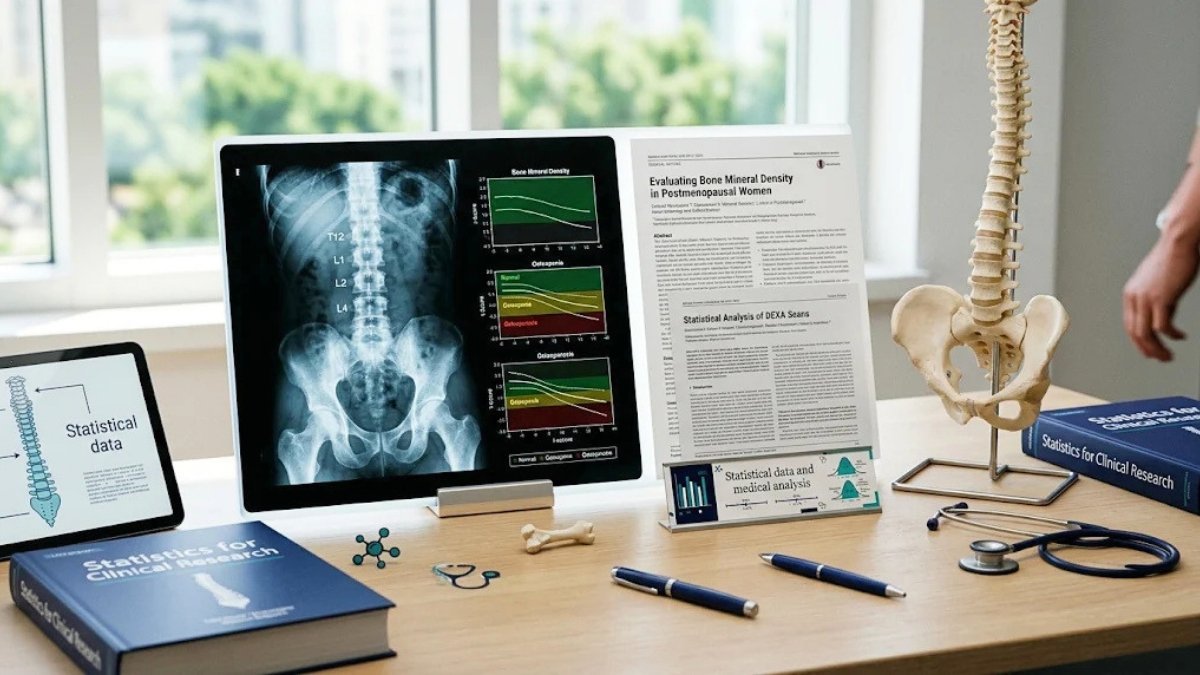
A fracture after age 50 is an important signal that osteoporosis may be present. That is why a weak grip or a slow chair rise deserves a second look instead of a shrug.
A Quick Strength Check You Can Do at Home
Doctors use simple tests to screen for low muscle strength. You can try one of them today.
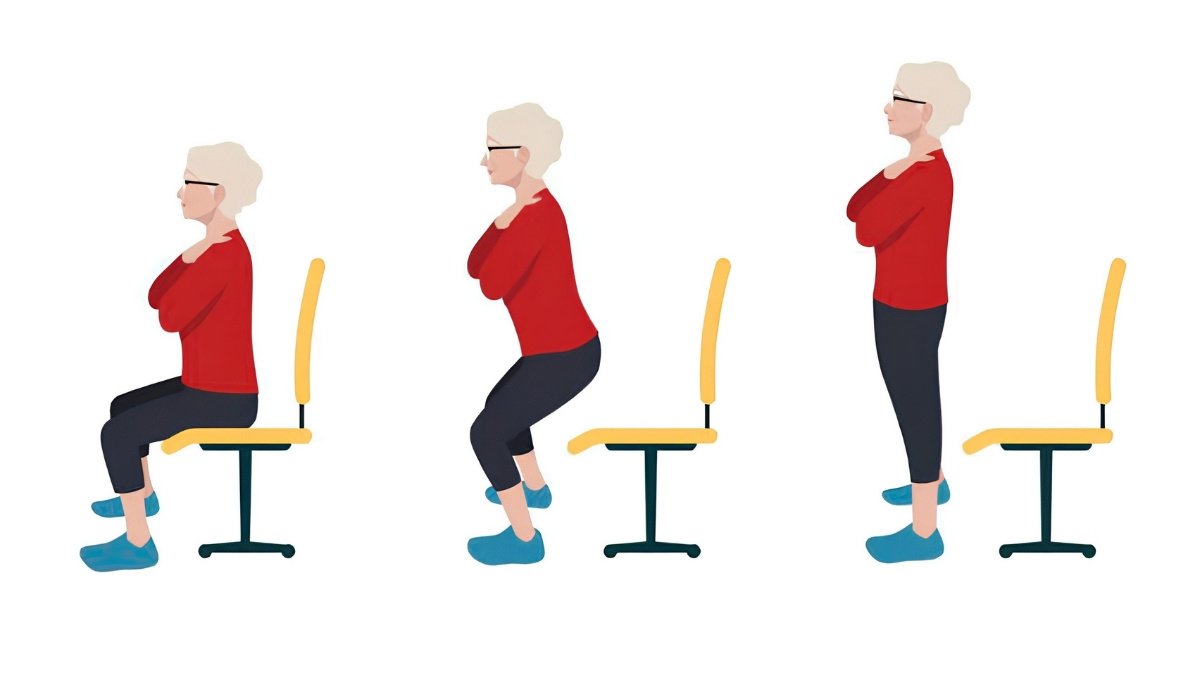
Sit in a sturdy chair with your arms folded across your chest. Stand up and sit down five times as fast as you safely can.
European sarcopenia guidance treats more than 15 seconds for five rises as a sign of low strength.
Clinics also measure handgrip with a dynamometer. The cutoffs are below 27 kilograms for men and below 16 kilograms for women.
You cannot measure grip accurately at home, so ask your doctor to check it at your next visit. A slow time is a reason to ask questions, not a diagnosis.
What Protects Muscle and Bone at the Same Time
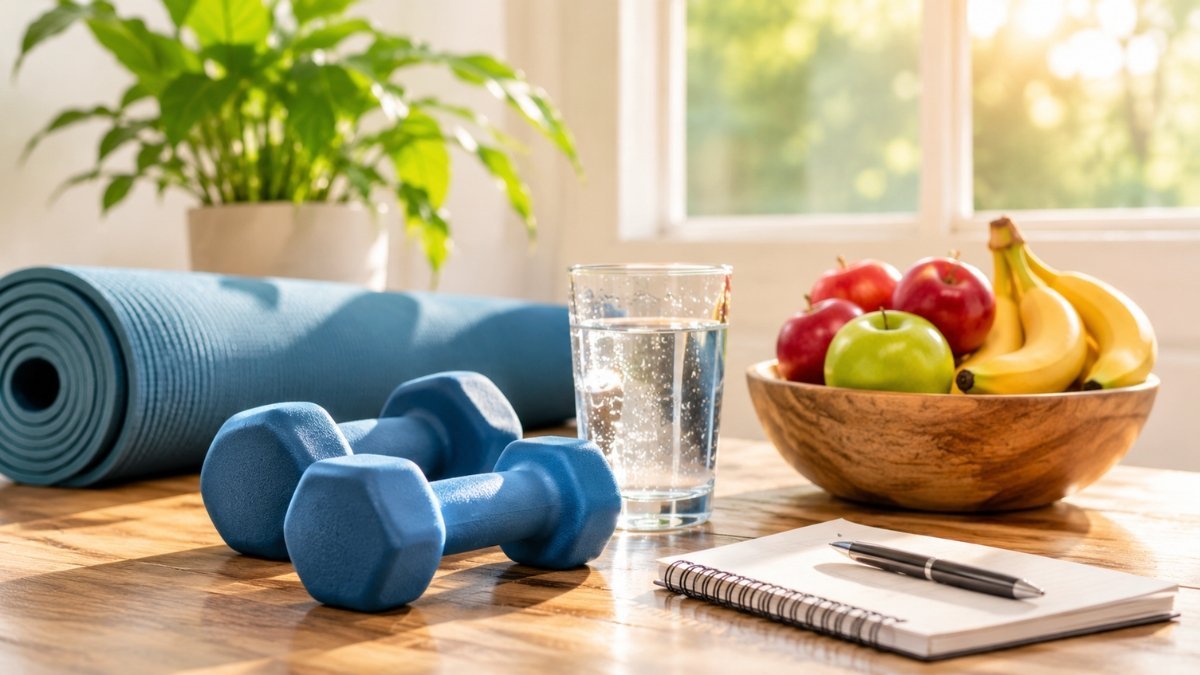
The encouraging part is that habits that protect muscle also load and protect bone.
Lift progressively. An expert consensus on exercise for osteoporosis suggests starting with 8 to 12 repetitions and building up to three sets, after learning good technique at a lower intensity.
Move against gravity. The National Institute of Arthritis and Musculoskeletal and Skin Diseases (NIAMS) lists stair climbing, dancing, and racket sports as weight bearing options.
Do not rely on cardio alone. Experts who wrote exercise guidance for people with osteoporosis advise against aerobic exercise to the exclusion of strength and balance work.
Train your balance. Tai chi and walking backwards both build balance, which matters because falls are what turn weak bones into fractures.
Eat enough protein. The standard allowance of 0.8 grams per kilogram of body weight was set to prevent deficiency. Expert groups, including the European Society for Clinical Nutrition and Metabolism, recommend at least 1.0 to 1.2 grams per kilogram daily for healthy older adults.
For a 160 pound adult, that works out to roughly 73 to 88 grams a day. Spreading it across meals at 25 to 30 grams each gives older muscle the larger dose it needs to respond.
Cover calcium and vitamin D. The Bone Health and Osteoporosis Foundation says exercise benefits bone more when it is paired with enough of both.
For the weekly total, federal guidance cited by NIAMS calls for about 150 minutes for older adults, mixing balance, aerobic, and muscle strengthening work.
Bone & Muscle Health Habits
Target protocols for preserving bone mineral density, muscle protein synthesis, and neuromuscular stability.
8 to 12 reps, building to 3 sets
1.0–1.2 g/kg daily (25–30 g per meal)
Tai chi, backward walking drills
~150 minutes of mixed modalities
Protein and exercise needs vary with kidney health, medications, and bone density, so check with your doctor before changing your routine. Everyone’s body responds differently.
Try This Today
- Do the five stand chair check once and write down your time.
- Add a protein source to your next meal, such as eggs, Greek yogurt, or cottage cheese.
- Do one set of 8 to 12 sit to stands, holding a counter for support if needed.
- Stand on one leg beside a counter for 20 seconds per side.
- Ask your doctor whether a bone density scan makes sense for you.
Questions Readers Ask Next
Does this mean I will get osteoporosis? No. A higher risk describes a group of people, not your personal outcome. Think of it as a prompt to act early.
Can I rebuild lost muscle? Expert groups recommend resistance exercise plus enough protein to help older adults sustain muscle strength and function. Results depend on your health, so start where you are.
How long until bones respond? Bone changes slowly. A federal advisory committee concluded that a year of exercise training in older adults can raise bone density or slow its decline by 1% to 2% in clinically important regions. Small numbers, but they add up over years.
Who should be extra careful? If you already have osteoporosis or a past fracture, get guidance before starting. The Bone Health and Osteoporosis Foundation advises people with low bone density to avoid certain movements, such as forward bending in yoga or Pilates.
Is this only a women’s issue? No. Up to one in four men over 50 will break a bone because of osteoporosis, and men are less likely to be tested afterward.
Call Your Doctor Soon If You Notice:
- A broken bone after a minor fall or bump
- Sudden, sharp back pain that does not ease
- Noticeable loss of height or a more stooped posture
- Repeated falls, or weakness that keeps getting worse
The Bottom Line,
The 87% figure is real, but it comes with wide uncertainty. Treat it as a nudge, not a verdict.
Early muscle loss may be one of the first signs worth acting on, because the actions are the same ones that protect your bones. Strength work, enough protein, balance practice, and a conversation with your doctor cover most of it.