
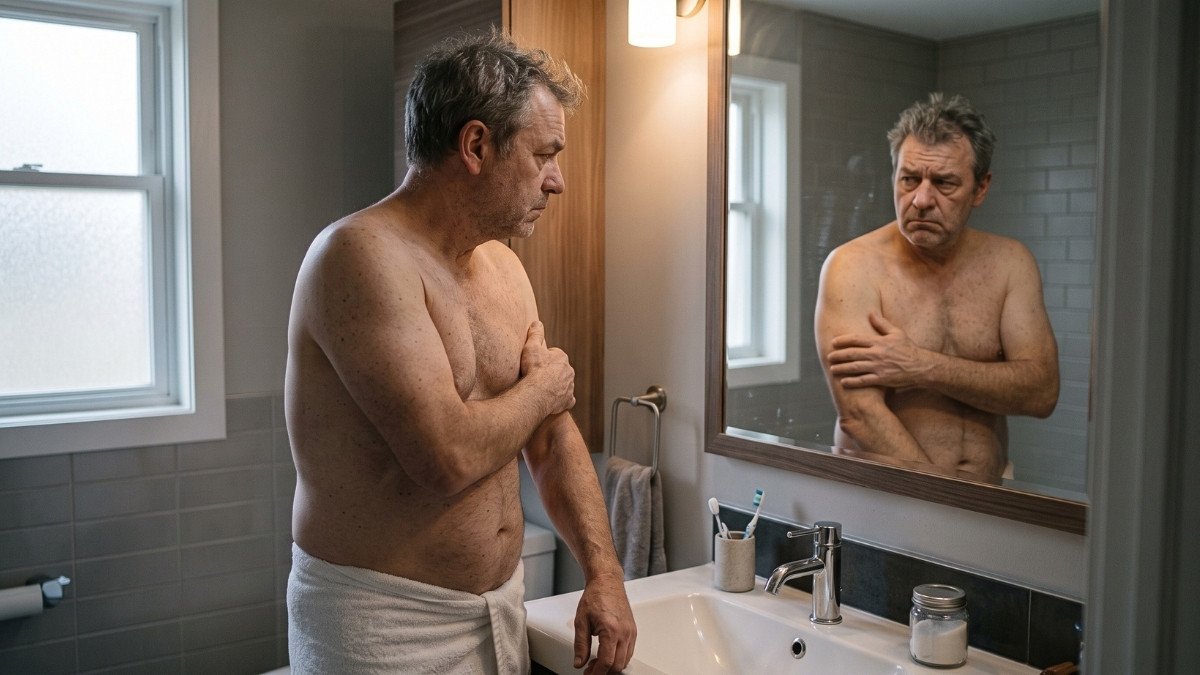
Right now, today, you are building the body you will be living in at 80. Not someday. Now.
Most people do not notice the shift until it shows up as a knee that will not cooperate on the stairs, a family trip where they are the one who has to sit out, or a doctor using a word like “prediabetes” for the first time. By then it can feel like the decision already got made without you.
Here is the part almost nobody tells you: there is a way to actually see where the road you are on leads, using the same markers researchers use to measure aging itself, plus a short list of small, doable shifts that can move that outcome more than most people expect.
Before making any changes based on this article, talk to your doctor, especially if you are currently taking medication or have a diagnosed condition.
What Your Life At 80 Is Actually Built From
Genetics gets blamed for a lot. Research suggests it accounts for maybe a quarter to a third of how well someone ages. The rest comes down to daily patterns repeated for decades, and those patterns work quietly, which is exactly why they are easy to ignore.

Three systems drift the most, and all three drift without symptoms at first.
Muscle. After age 30, the average adult loses roughly 3 to 5 percent of muscle mass per decade if they are not actively working against it, according to Harvard Health Publishing. That loss tends to speed up after 60. Most people will not notice until a jar lid feels harder to open or a flight of stairs leaves them winded.
Bone. Bone density declines at roughly 1 percent a year starting in the mid thirties to fifties. For women, that accelerates sharply in the years right after menopause, with some losing up to a fifth of their bone density within five to seven years of that transition, per Mayo Clinic and bone health researchers.
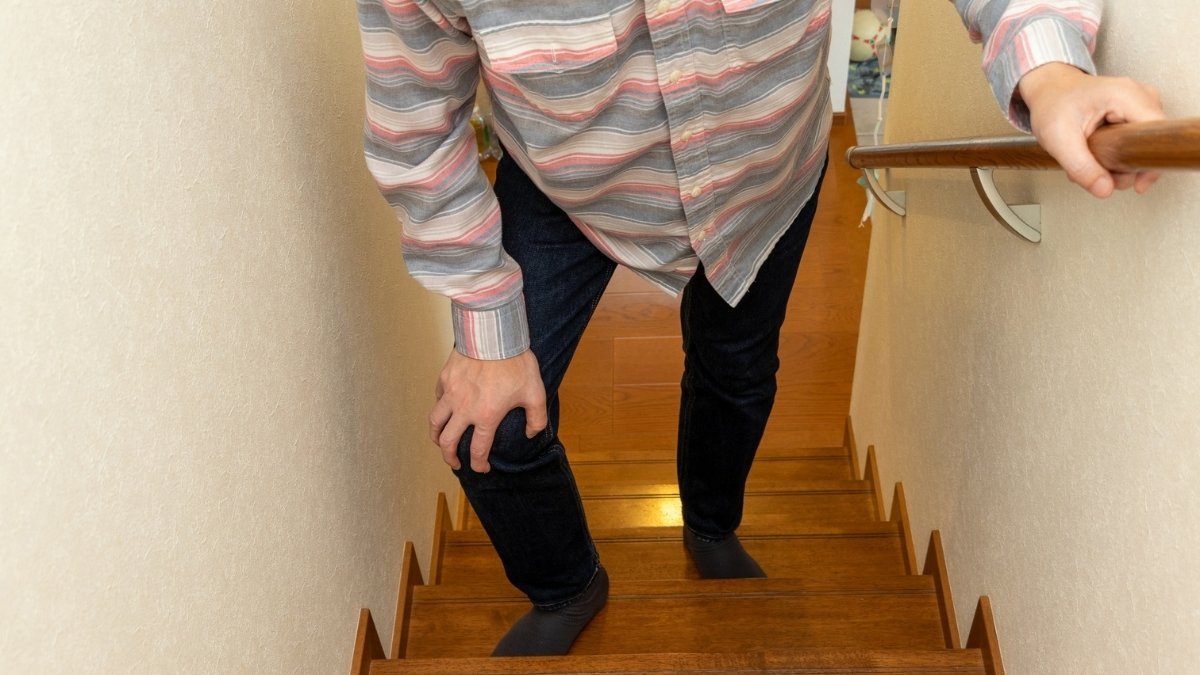
Cardiorespiratory fitness. This is how efficiently your heart, lungs, and muscles deliver and use oxygen, usually referred to as VO2 max. In sedentary adults, it drops around 10 percent per decade after 30. In people who stay consistently active, that decline can be cut by more than half.
None of these show up on a scale. They show up as a slow shrinking of what your body can casually do, until one day the gap between what you used to do and what you can do now feels sudden, even though it was not.
The Ten Second Test That Predicts How You’ll Move At 80
In the early 2000s, Brazilian physician Claudio Gil Araújo developed a simple assessment now called the sitting rising test, or SRT. It has since been studied in thousands of adults and repeatedly linked to how long people live and how independently they move in later decades.
Here is how to try it, ideally with someone nearby for balance.
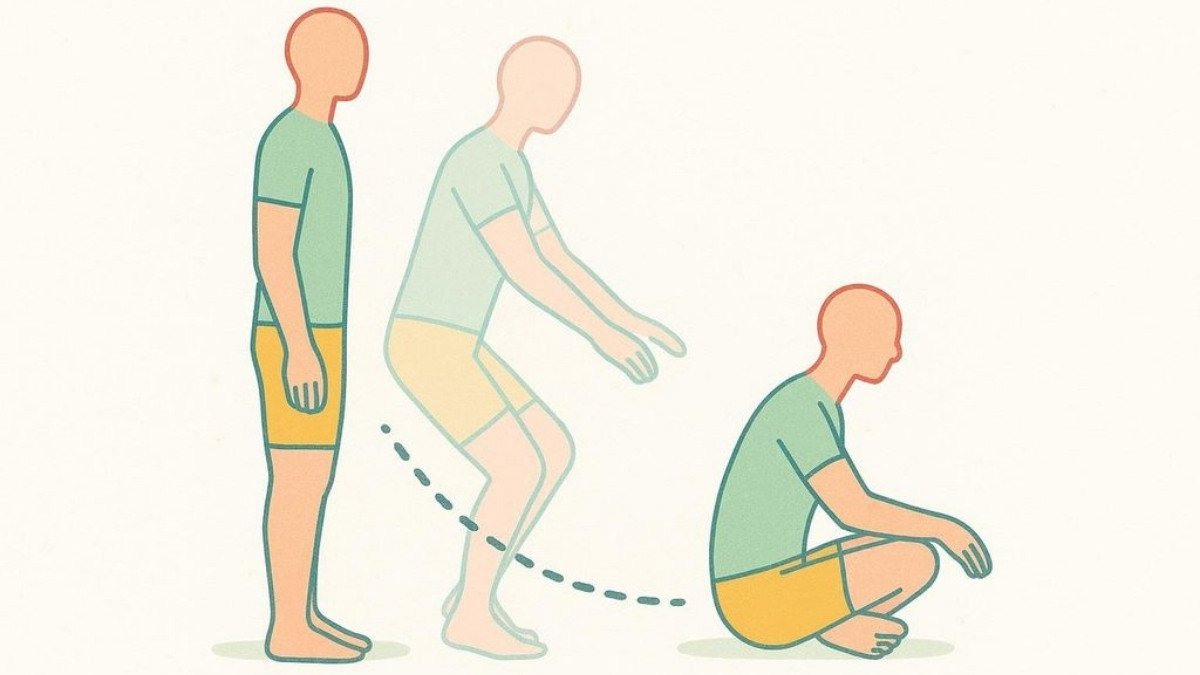
- Barefoot, in comfortable clothes, lower yourself to sit cross legged on the floor.
- Try to do it without using your hands, knees, or forearms for support.
- Now stand back up the same way, without pushing off anything.
- You lose points each time you use a hand, knee, or forearm for support, and a half point for any wobble.
In the original study following over 2,000 adults ages 51 to 80, those who needed several points of support to sit and rise had a mortality risk five to six times higher over the following years than those who could do it unsupported. A later study with a larger group found a similarly steep pattern between low scores and higher rates of death from natural and cardiovascular causes.
Everyone’s body responds differently, and conditions like arthritis or joint replacements can affect this test, so check with your doctor before trying it if you have an existing condition.
The SRT is not measuring flexibility as a party trick. It is a stand in for the strength, balance, and coordination that let you get off the floor after a fall, get out of a low chair, or catch yourself before a stumble becomes a fracture, all of which become the difference between staying independent at 80 and not.
Where The Small Choices Actually Compound
Cardiorespiratory fitness turns out to be one of the strongest predictors of how long someone lives, stronger in several large studies than smoking status, blood pressure, or a diabetes diagnosis considered on their own.
A 2018 analysis of over 120,000 adults undergoing treadmill testing found that people in the lowest fitness category had more than five times the risk of death from any cause compared with the most fit group.
A separate study following over 750,000 veterans found each small improvement in fitness level was tied to a meaningfully lower mortality risk, regardless of age or existing health conditions.

The encouraging part: this responds to effort at almost any age. The CDC recommends adults 65 and older get at least 150 minutes a week of moderate aerobic activity (think brisk walking), plus muscle strengthening activity on two or more days that works the legs, hips, back, chest, and arms, plus some kind of balance work.
That is the whole prescription. It is not complicated. It is just consistent.
The One Factor People Forget To Track
Physical markers are only half of what shapes life at 80. The other half is who is around you.
The Harvard Study of Adult Development has followed hundreds of people since 1938, making it one of the longest running studies on aging in existence. Its clearest finding across more than 80 years of data: the quality of a person’s close relationships at midlife predicted their physical health at 80 better than their cholesterol did.
Loneliness, on the other hand, has been linked to health effects researchers have compared to smoking a pack of cigarettes a day, including higher rates of heart disease, cognitive decline, and earlier death.

Diet plays its own quiet role in how the brain ages specifically. Researchers at Rush University tracked cognitive function in nearly 1,000 older adults for close to five years and found that those who most closely followed the MIND diet, a hybrid of the Mediterranean and DASH diets built around leafy greens, berries, beans, whole grains, and fish, tested as roughly 7.5 years younger cognitively than those who followed it least.
Individual results vary widely based on genetics, existing conditions, and medication use, so any dietary or exercise change should factor in guidance from your own doctor.
The Path You’re Already On vs. The One That Changes It
Aging: The Two Paths
A direct look at what happens biologically if we do nothing, versus what happens when we actively course correct.
Strength
You lose 3 to 5% of muscle mass per decade, accelerating significantly after age 60.
Just 2 dedicated strength sessions a week can practically slow or completely reverse this loss.
Heart & Lungs
Your VO2 max (aerobic capacity) drops roughly 10% per decade naturally.
Regular, progressive aerobic activity can cut that biological decline by over half.
Bones
Roughly 1% density loss per year, speeding up considerably after menopause.
Weight-bearing exercise combined with adequate calcium and vitamin D actively supports and builds density.
Brain
Gradual cognitive decline, memory fog, and structural shrinkage is typical over decades.
Strict followers of the MIND diet clinically tested about 7.5 years younger cognitively.
Connection
Isolation and loneliness significantly raise the risk of rapid cognitive decline and earlier death.
Maintaining strong, supportive relationships at age 50 actively predicted better health at age 80.
Try This Today
- Take the sitting rising test once, just to see your current baseline. Do not judge yourself, just notice.
- Add one 20 to 30 minute walk today. Aim for 5 of them this week.
- Pick two days this week to do any kind of resistance work, bands, bodyweight squats, or weights all count.
- Add one leafy green vegetable and a handful of berries to today’s meals.
- Call or message one person you actually want to hear from, not just a quick text.
When To Actually Call A Doctor
Most of what shapes your 80s is gradual and manageable. A few signs are worth a direct conversation with your doctor sooner rather than later.
- Needing to use your hands to push yourself up from a chair or the floor, when that was not the case before.
- Falling more than once in the last six months, even minor stumbles.
- Getting winded during activities that used to feel easy, like a short walk or a flight of stairs.
- Noticing memory lapses that interfere with daily tasks, like forgetting appointments repeatedly or getting lost somewhere familiar.
Quick Answers Before You Go
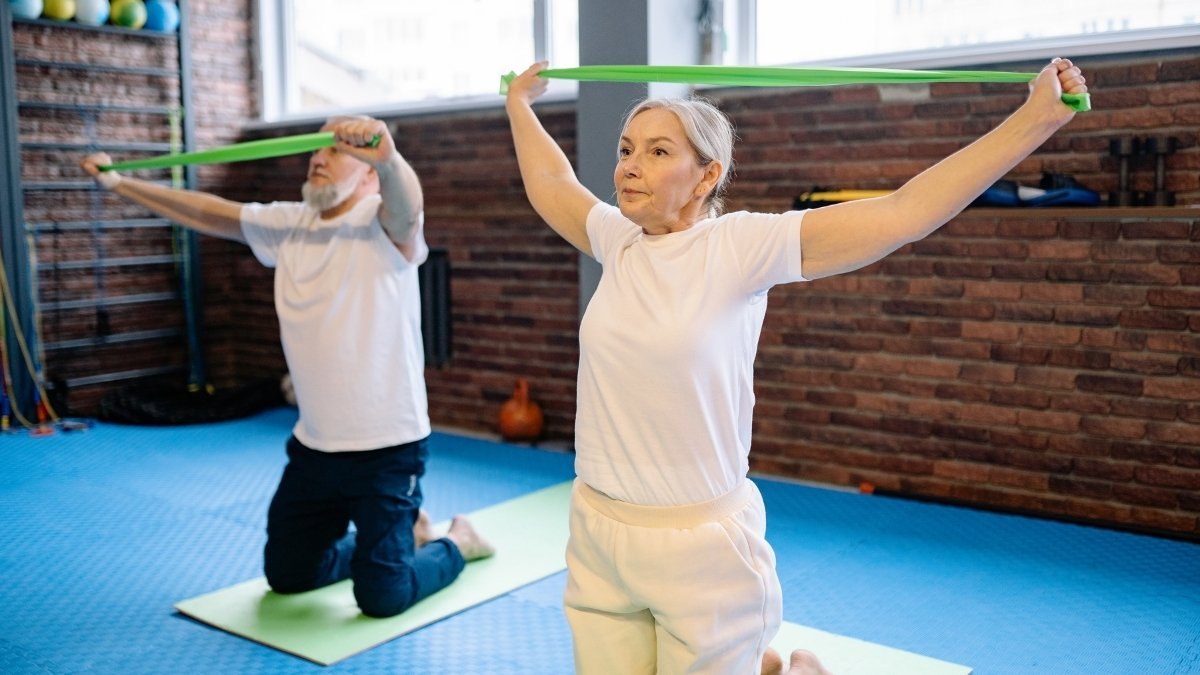
Is it too late if I am already 60 or 70? No. Studies on strength training and aerobic fitness consistently show meaningful improvement in previously sedentary adults well into their 70s and 80s. The body keeps responding to effort; it just asks for more patience.
How long until I would actually notice a difference? Strength and balance improvements often show up within 8 to 12 weeks of consistent training. Cognitive and cardiovascular benefits tend to build more gradually, over months rather than weeks.
What if I have a chronic condition that limits exercise? The CDC’s own guidance is to be as active as your ability allows rather than aiming for a fixed target. Some movement consistently beats none, and your doctor can help tailor what is safe.
Bottom Line,
The honest version of the headline’s question is this: at 80, you will largely be living with the compounded result of thousands of small, forgettable choices made between now and then. None of them individually feel like they matter. Together, they are the entire story.