The Way You Use Your Phone at Night Might Be Disrupting Your Brain (Stop Doing This Tonight)
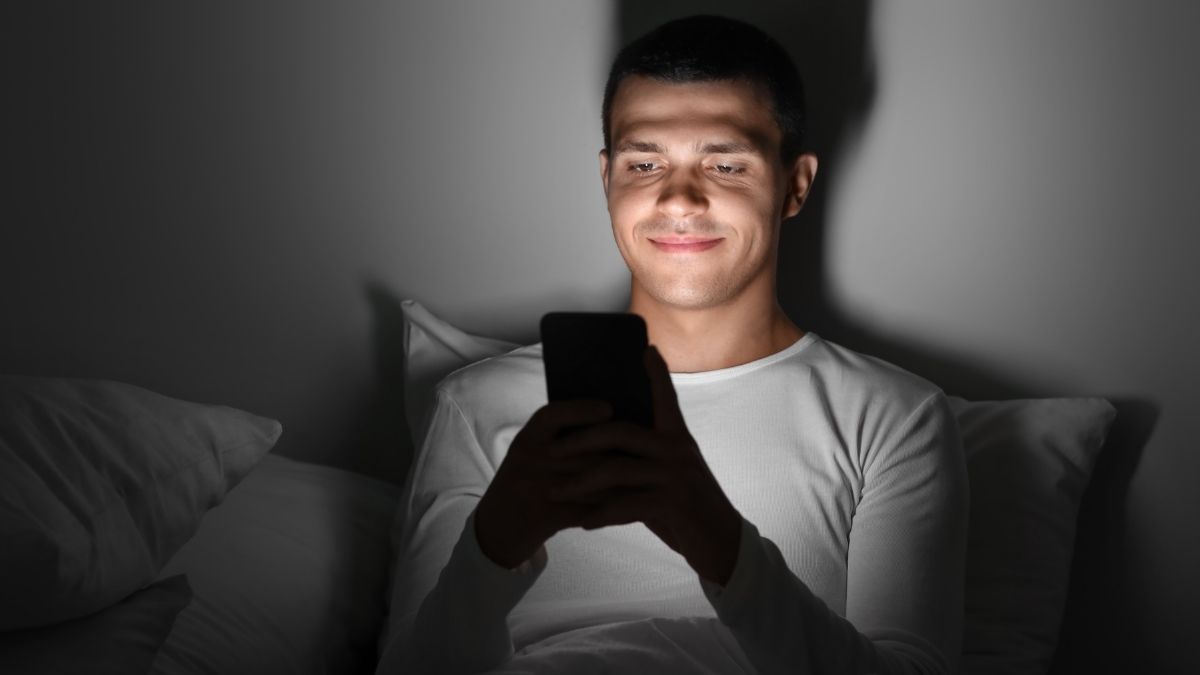
It’s 11 PM. You’re in bed, scrolling through social media “just for a few minutes.” Two hours later, you’re still awake, unable to fall asleep, wondering why you’re so wired.
You’re not alone. Recent research shows that nighttime phone use is at an all-time high, with people spending hours on social media and apps right before bed. Up to 71% of people sleep with their phones within arm’s reach. This creates a cycle of poor sleep quality and daytime fatigue that’s hard to break.
Here’s what you’ll learn in this guide: how nighttime phone use rewires your brain’s reward system, the three biological mechanisms disrupting your sleep, and evidence-based strategies to break smartphone addiction in 2025.
The way you use your phone at night might be causing more brain disruption than you realize. Let’s fix that.
Disrupting Your Brain.
The Brain Science Behind Nighttime Phone Addiction
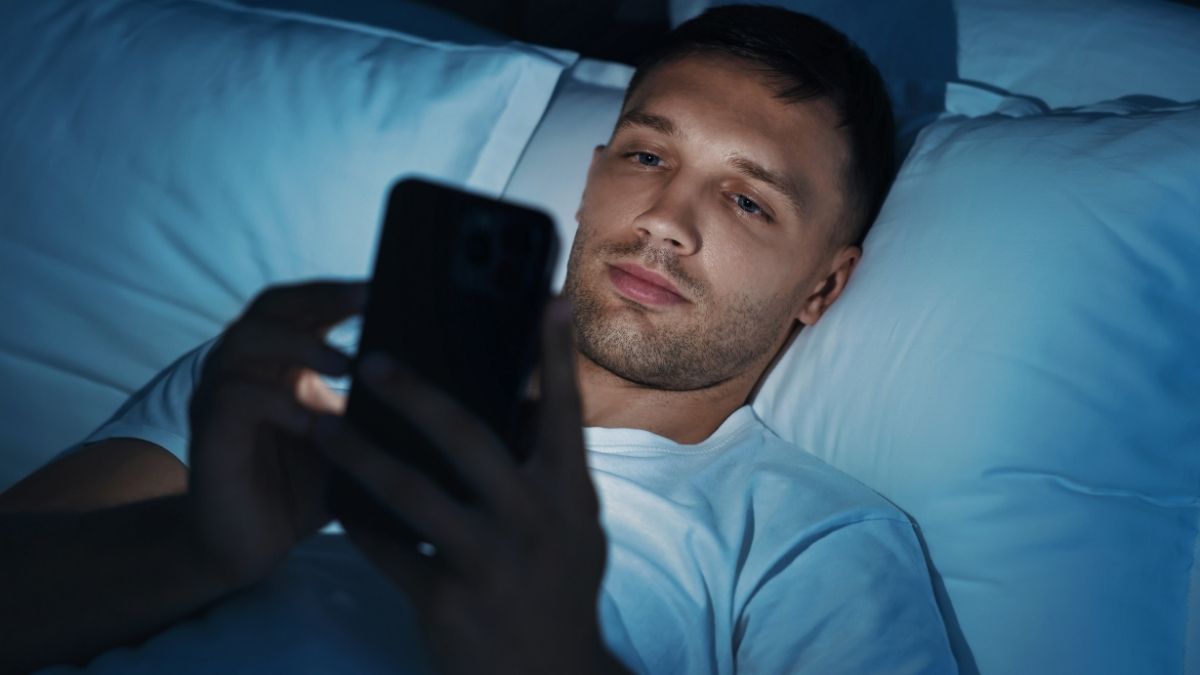
Have you ever picked up your phone to check one thing and suddenly 30 minutes vanished? That’s not a willpower problem. It’s your brain’s reward system at work.
When you scroll through social media or swipe through videos, your brain releases dopamine. This is the same chemical that makes food taste good or exercise feel rewarding. Dopamine creates pleasure and makes you want more.
Here’s the sneaky part: social media works like a slot machine. Sometimes you get a funny video. Sometimes you get boring ads. Sometimes you get a message from a friend. You never know what’s next. This unpredictability makes your brain crave “just one more scroll.”
Research shows over a billion people now spend 3+ hours daily scrolling through social media. That number jumps even higher at night. Why? Your tired brain looks for easy wins. Scrolling feels easier than reading a book or having a conversation.
Doomscrolling activates dopamine release even when the content makes you anxious or sad. Your brain learns to associate the phone with instant gratification, even when it doesn’t feel good.
Active phone use—like texting or commenting—affects your brain differently than passive use like listening to music. Active scrolling behavior keeps your brain engaged and alert. That’s terrible news when you’re trying to sleep.
Three Ways Your Phone Disrupts Your Brain at Night
Your nighttime phone habit attacks your sleep from three different angles. Let’s break down what’s actually happening.
Blue Light Tricks Your Brain
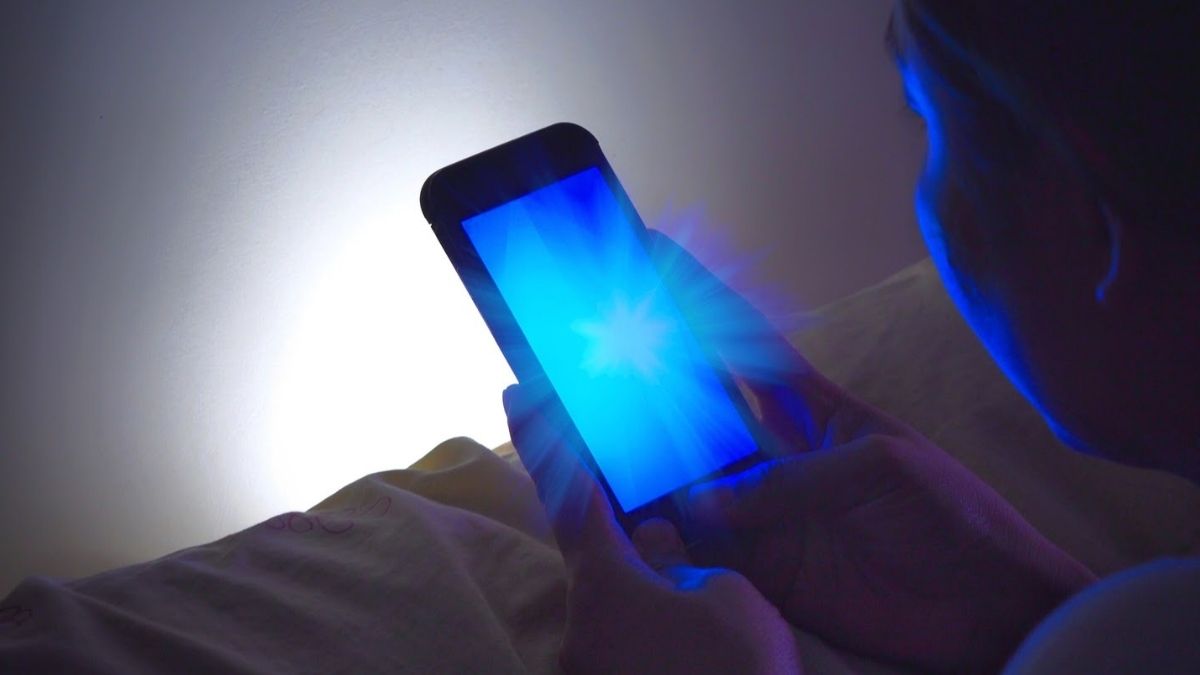
Your phone screen emits blue light in the 460-480 nm wavelength range. This light hits special cells in your eyes that send signals to your pineal gland. Your brain thinks it’s daytime.
It stops making melatonin, the hormone that makes you sleepy. Just two hours of blue light exposure can suppress melatonin production and mess up your circadian rhythm.
Your Brain Stays Wired

Texting, scrolling social media, or watching videos keeps your brain in high gear. This is called cognitive arousal. Passive activities like listening to music don’t have the same effect. But active phone use?
That’s different. Emotional content—whether it’s funny cat videos or stressful news—delays sleep onset. Your brain stays engaged even after you put the phone down.
You’re Trading Sleep for Screen Time
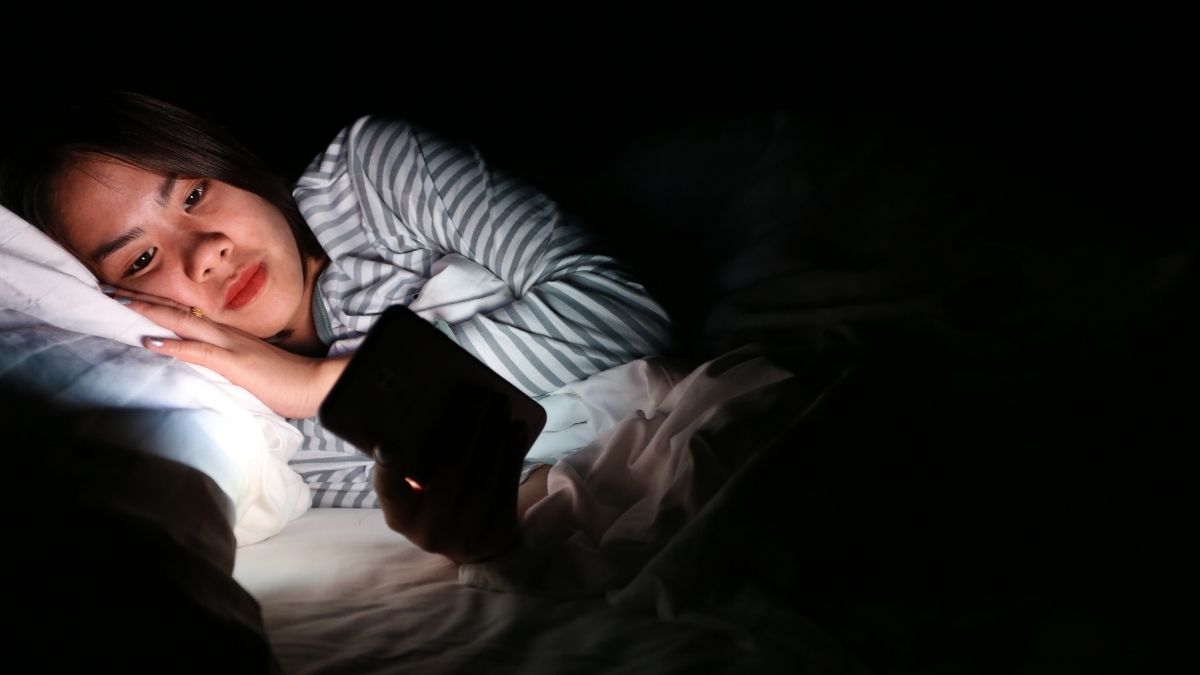
Here’s the obvious part we ignore: every minute on your phone is a minute you’re not sleeping. Among people aged 16-25, 81% of men and 88% of women use their phones before bed multiple times per week.
This creates irregular sleep-wake patterns. You go to bed later. You wake up tired. The cycle repeats.
The Real-World Impact on Your Daily Life
Poor sleep from nighttime phone use doesn’t stay in your bedroom. It follows you everywhere.
You wake up groggy. Your focus at work or school suffers. Simple tasks take longer. You feel irritable and snap at people you care about. This is daytime sleepiness destroying your productivity and mood.

The mental health effects get worse over time. Phone use during the sleep period has the strongest link to poor sleep compared to other smartphone behaviors. Poor sleep increases your risk for anxiety and depression. It’s a cycle that feeds itself.
Your memory and learning take a hit too. Sleep is when your brain consolidates information from the day. Less sleep means your brain can’t properly store what you learned. Students who scroll before bed often struggle more with tests and retention.
The physical toll is real. Doomscrolling increases cortisol and adrenaline—your stress hormones. High cortisol levels lead to physical fatigue and weaken your immune system. You get sick more often.
Recent 2025 research in the Journal of Medical Internet Research confirms these patterns across different age groups and demographics. The data is clear: nighttime phone use creates ripple effects that damage multiple areas of your life.
Why “Just One More Scroll” Is So Hard to Resist
Social media apps are designed to keep you hooked. It’s not an accident.
The infinite scroll removes natural stopping points. Before smartphones, you’d finish a magazine or reach the end of a TV show. Now? There’s always more content. Instagram and TikTok keep you engaged by removing your agency to pull yourself away.
Apps use variable reward systems like slot machines. Sometimes you see something amazing. Sometimes it’s boring. Sometimes it’s just okay. You never know what’s next, so you keep scrolling to find out.
Notifications create anticipation addiction. That little red dot triggers dopamine before you even open the app. You’re hooked on the possibility of something interesting.
FOMO makes it worse. You worry you’ll miss important updates or feel left out of conversations. Social comparison feeds this anxiety.
Think of it like eating ice cream every day. Eventually, it’s not about pleasure anymore. It becomes necessary to avoid the discomfort of not having it. Your brain needs the scroll to feel normal.
App designers know these psychological vulnerabilities. They exploit them on purpose.
10 Evidence-Based Strategies to Break the Nighttime Phone Habit
Ready for solutions that actually work? Pick one or two strategies to start. You don’t need to do everything at once.
Strategy 1: Set a Technology Curfew
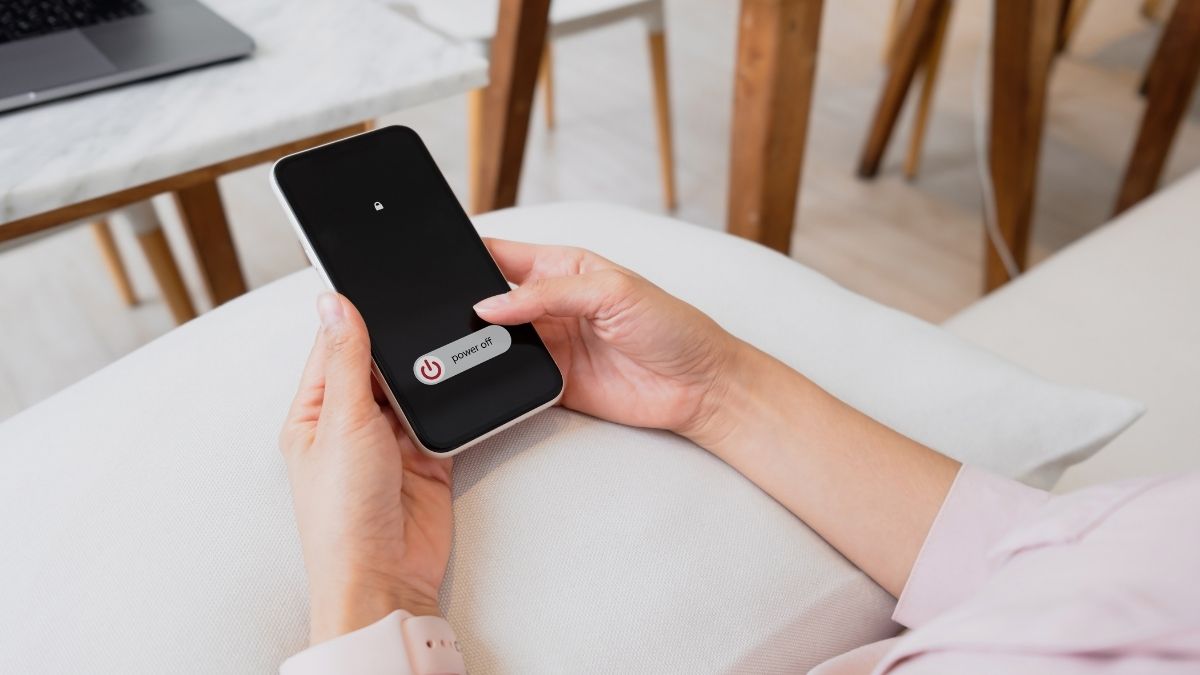
Choose a “screens off” time 1-2 hours before bed. Stick to it every night. Consistency matters more than perfection. One person reported falling asleep within 15 minutes after implementing a strict two-hour phone curfew, compared to hours of tossing and turning before.
A tech curfew also protects your brain from “information overload” right before sleep. Late-night content keeps your mind problem-solving when it should be shutting down. Think of the curfew as a mental “cooling-down” period, similar to stretching before you stop exercising.
Strategy 2: Move Your Phone to Another Room
Put your phone in the kitchen or bathroom overnight. Buy a cheap alarm clock for $15. This creates friction between the urge to scroll and actually doing it. Most people won’t get out of bed to check their phone.
Distance changes behavior more than discipline does. When your phone is in another room, your default becomes stillness instead of stimulation. Over time, you naturally stop reaching for a device that isn’t physically there.
Strategy 3: Use App Blockers
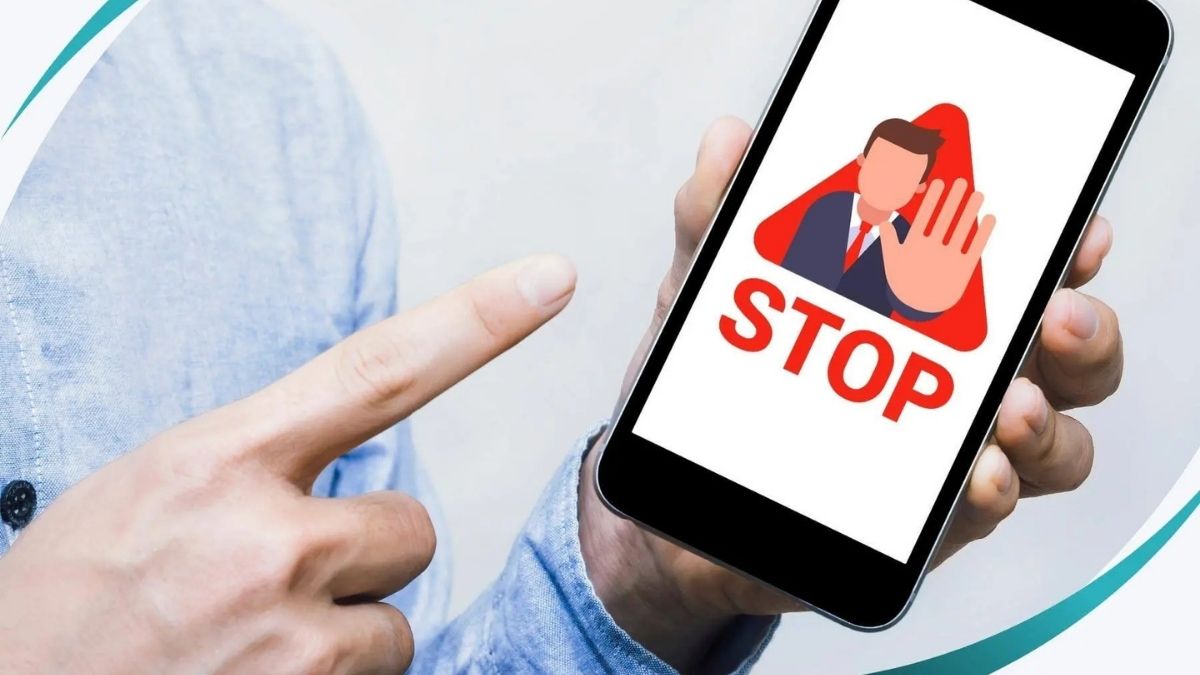
Turn on Do Not Disturb mode at 9 PM. Switch your screen to grayscale in settings—it makes everything look boring. Try apps like ScreenZen or Minimalist Phone to block social media after certain hours.
App blockers do more than just restrict access — they expose how often you try to open distracting apps. Seeing those blocked-attempt numbers can be a powerful wake-up call and motivate stronger boundaries with your digital habits.
Strategy 4: Make Your Bedroom Phone-Free
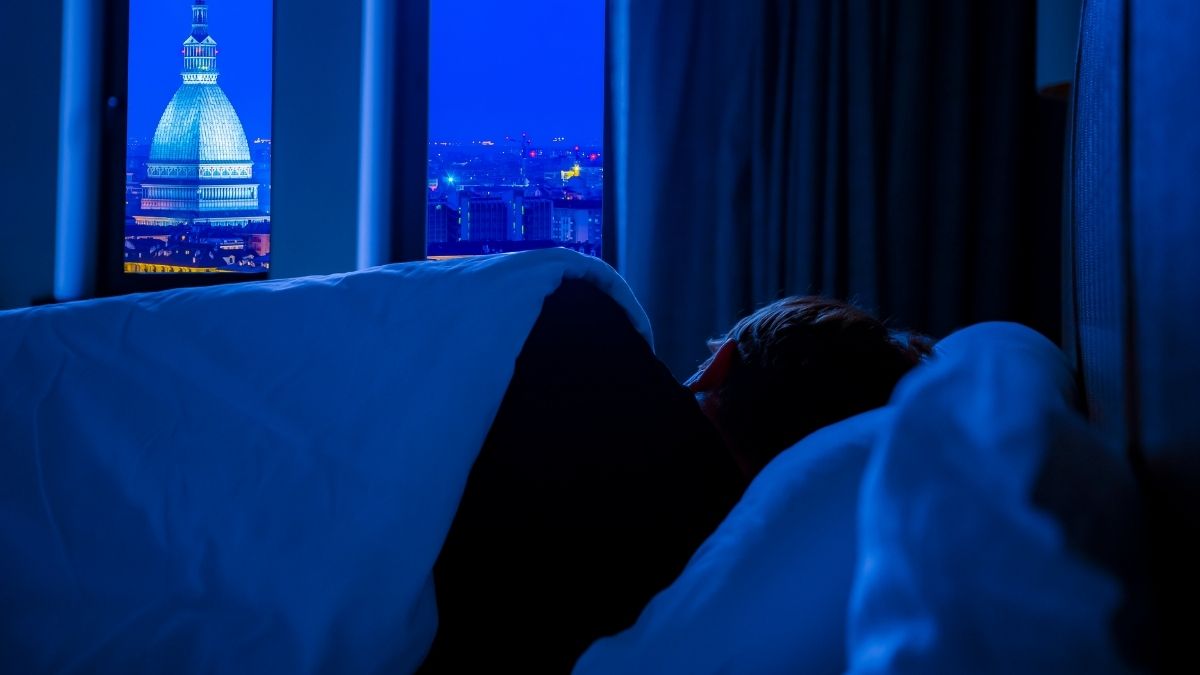
Keep all devices out of your bedroom. People with tech-free bedrooms report less anxiety about notifications, reduced FOMO, and better conversations with their partners before sleep.
Removing devices from your bedroom reduces subconscious alertness. Even when you aren’t using your phone, your brain stays slightly “on call” if it’s nearby. A device-free room signals safety, stillness, and true rest.
Strategy 5: Replace Scrolling with Better Habits

Read a physical book. Try gentle stretching or meditation. Journal about your day. Listen to podcasts with your screen off. Give your brain something relaxing to do instead.
The key is choosing activities that create downward energy, not excitement. Small repetitive actions—like making tea or folding clothes—signal to the brain that the day is complete. This replaces stimulation with closure.
Strategy 6: Schedule Phone Check-Ins
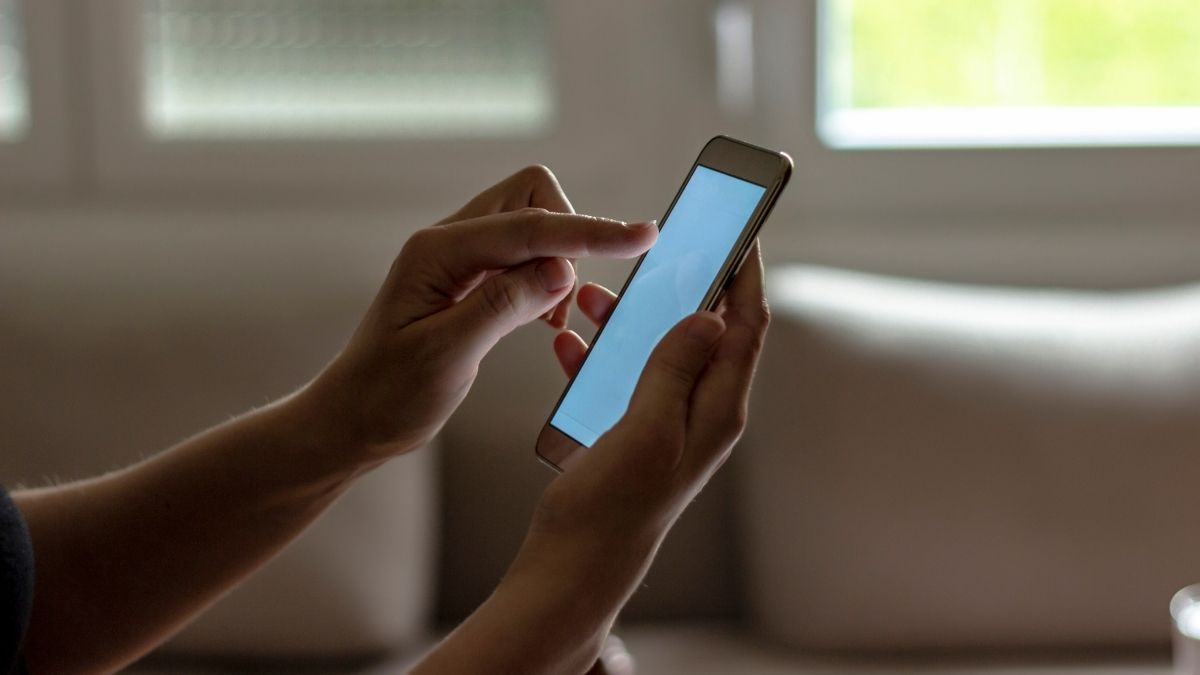
Instead of constantly checking your phone, pick three specific times to review messages. Morning, lunch, and early evening work well. This reduces compulsive checking behavior.
Planned check-ins help eliminate the fear of “missing something.” When your brain knows there is a set time to check messages, it stops constantly wondering what might be happening on your phone right now.
Strategy 7: Try a 30-Minute Digital Detox
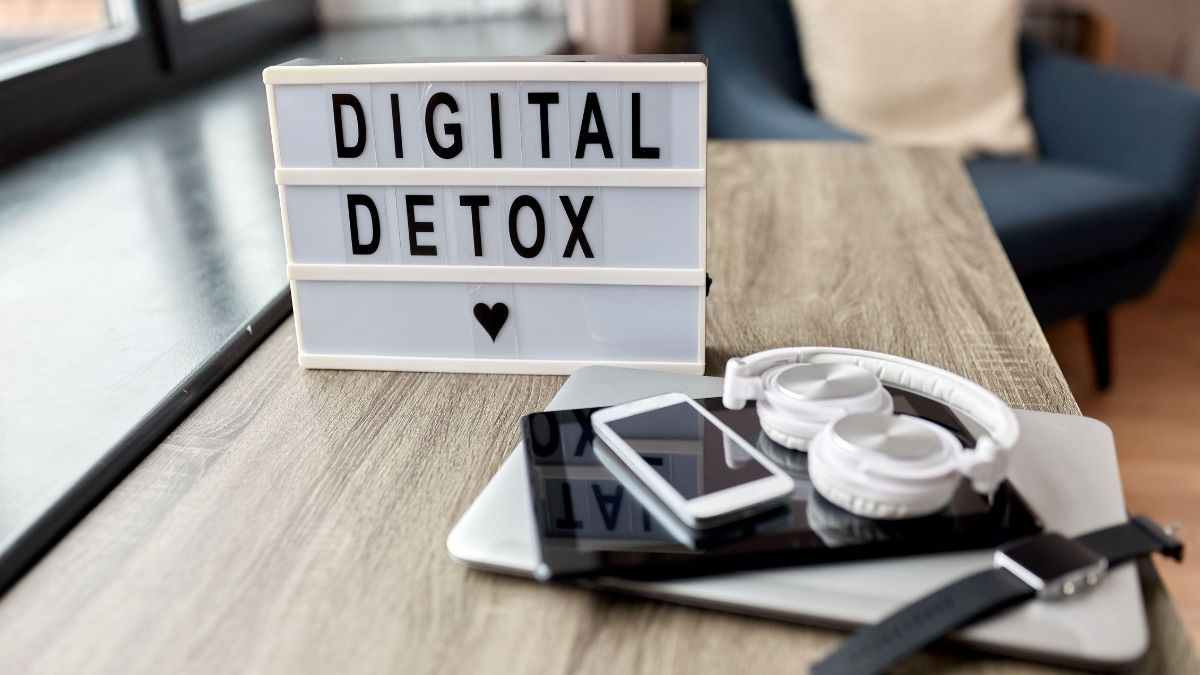
Start small. Recent 2024 research shows students who practiced just 30 minutes of digital detox before bed used their phones less and felt better the next day.
A short digital break also improves emotional regulation. People report fewer negative thoughts and less comparison with others’ lives, especially from social media. The silence gives your mind space to reset.
Strategy 8: Identify Your Triggers

Ask yourself: What is scrolling giving me? Boredom relief? Stress escape? Find healthier ways to meet those needs.
Many scrolling habits are linked to specific emotions like loneliness or uncertainty. Once you spot the pattern, you can swap scrolling with targeted solutions—like connecting with someone or changing your environment.
Strategy 9: Optimize Your Sleep Space

Keep your room at 60-67°F. Use blackout curtains and white noise machines. Make your bedroom a sleep sanctuary, not an entertainment center.
Your sleep space should support every sense: soft textures, a calming scent, and minimal visual distractions. When your senses relax together, your body drops into deeper, more restorative sleep.
Strategy 10: Blue Light Glasses as Backup
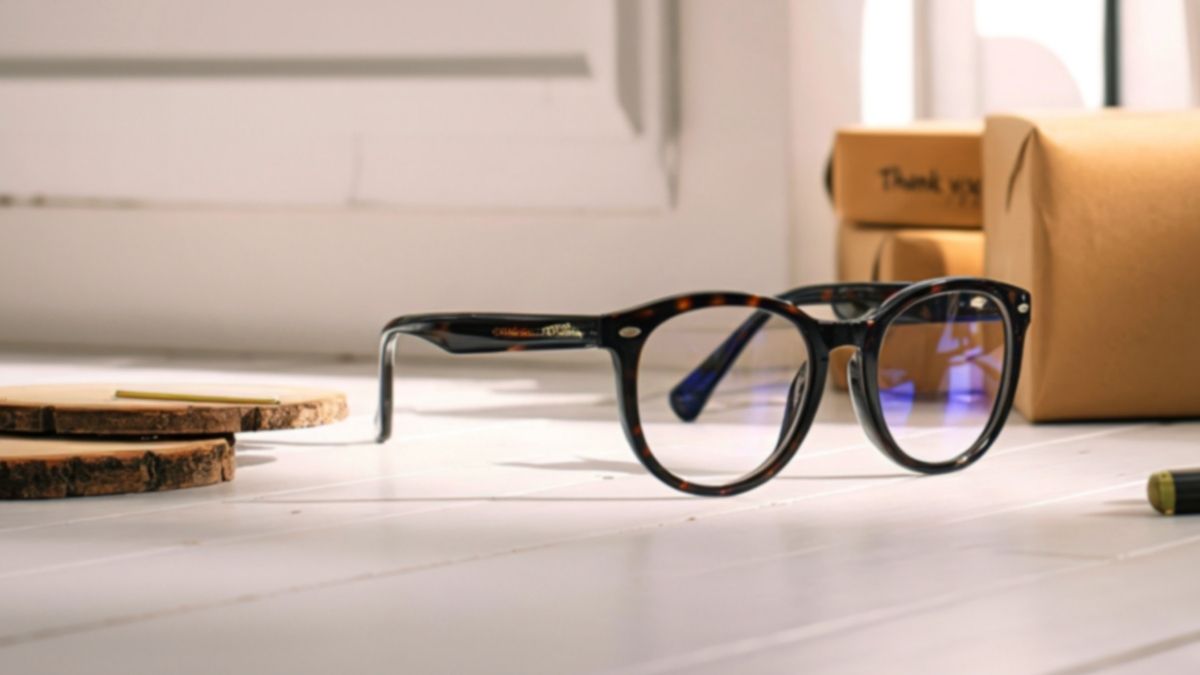
If you must use your phone, wear blue light blocking glasses 2-3 hours before bed. This isn’t a fix, but it reduces harm.
Blue light suppresses melatonin, the hormone that tells your body it’s time to sleep — these glasses help preserve that natural signal. Many users report less eye strain, fewer headaches, and an easier transition into sleep when they use them consistently.
At the Last,
The research confirms what you already feel: nighttime phone use disrupts your brain through dopamine manipulation, melatonin suppression, and cognitive overstimulation. But the solution isn’t complicated.
Start tonight with one small change. Move your phone to another room. Set a 30-minute technology curfew. Choose one strategy that feels manageable.
The way you use your phone at night might be disrupting your brain, but now you have practical strategies to reclaim your sleep and fix the problem.