

Your jeans fit the same, but the jar lid suddenly feels stubborn. Stairs take a little more effort than they used to.
That quiet shift is losing muscle, and after 50 it speeds up, raising the odds of falls, fractures, and a slow recovery from every illness. Researchers have now pinpointed a gene that helps drive it. They also found what turns it back down.
Before making any changes based on this article, talk to your doctor, especially if you take medication or have a diagnosed condition.
What Scientists Actually Found
A team at Duke-NUS Medical School, working with Singapore General Hospital and Cardiff University, identified a gene called DEAF1 as a key player in muscle aging. Their work was published in the Proceedings of the National Academy of Sciences.
Here is the short version. As muscles age, DEAF1 levels climb.
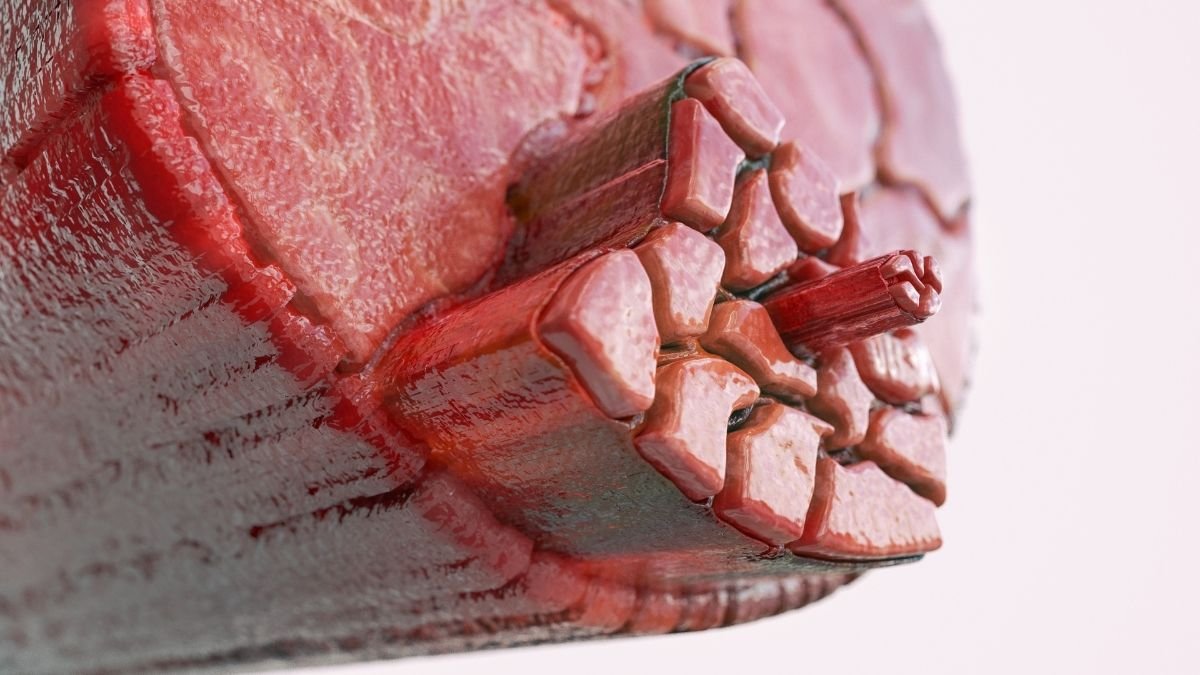
That pushes a growth pathway called mTORC1 into overdrive. mTORC1 helps control how muscle builds proteins and how it clears out damaged ones.
When it runs too hot, muscle keeps building new protein but gets sloppy at taking out the old, broken pieces.
Those damaged proteins pile up inside the cells. Over time, that stress shows up as weakness.
Why DEAF1 Gets Out of Control
Normally, a family of proteins called FOXOs keeps DEAF1 in check. The problem is that FOXO activity naturally fades with age.
With the brakes worn down, DEAF1 rises. And as it rises, repair slows.
The study’s lead author, Assistant Professor Tang Hong-Wen, put the key finding plainly: physical activity activates proteins that lower DEAF1, bringing the growth pathway back into balance.
The first author described it as exercise telling muscles to clean up and reset.
The Cellular Rejuvenation
A direct look at how consistent exercise reverses the negative cellular patterns created by aging muscle tissue.
DEAF1 Protein Level
Levels consistently rise
Comes back down
mTORC1 Activity
Becomes overactive
Effectively rebalanced
Damaged Protein Cleanup
Slows down, waste builds up
Function is fully restored
The Part the Headlines Skip
This is where honesty matters.
The experiments were done in fruit flies and older mice. They were not a human trial, and nobody has proven a “reset” in a person yet.
In both species, raising DEAF1 weakened muscle faster. Lowering it restored a healthier protein balance and improved strength.

The researchers also noted a limit. In some older muscles, DEAF1 is extremely high or FOXO activity has dropped a lot, and exercise alone may not fully restore repair.
That may explain why two people can follow the same workout plan and get different results.
So is it a magic button? No. But it is a real biological explanation for something people have felt for decades: muscle that is moved responds, and muscle that is not moved fades.
What Lowers DEAF1 in Real Life
The study points to exercise as the trigger. It does not hand you a pill, and no DEAF1 drug exists for people.
The type of exercise with the strongest track record for older adults is progressive resistance training. That means lifting or pushing against resistance and gradually making it harder over time.
Reviews of resistance training in older adults with sarcopenia (age related muscle loss) report improvements in grip strength, walking speed, and muscle mass.

Most guidance lands on 2 to 3 sessions a week. Think squats to a chair, rows with a band, wall or counter push ups, and carrying something heavy.
Start light. The goal is to finish a set feeling challenged, not wrecked.
Everyone’s body responds differently, so check with your doctor before starting a strength routine if you have joint problems, heart disease, or osteoporosis.
Losing Muscle After 50? Your Plate Matters Too
Exercise sends the signal. Protein supplies the building blocks.
After 50, muscle becomes less responsive to protein, a problem called anabolic resistance. It means the same chicken breast does less for you now than it did at 30.
The international PROT-AGE group recommends at least 1.0 to 1.2 grams of protein per kilogram of body weight per day for adults over 65. They suggest 1.2 to 1.5 grams for people who are training or dealing with illness.

For a 150 pound person (about 68 kilograms), that works out to roughly 68 to 82 grams a day at the base level.
Spread it out. The same group points to about 25 to 30 grams per meal, including roughly 2.5 grams of leucine, the amino acid most tied to switching on muscle building.
Many older adults get most of their protein at dinner and almost none at breakfast. That leaves two meals a day that never reach the threshold.
Eggs, Greek yogurt, cottage cheese, salmon, chicken, and lentils all help. Plant proteins carry less leucine, so portions need to be larger.
Your Weekly Reset Plan
The Optimal Muscle Protocol
A structured breakdown of the most effective habits, their required frequencies, and the biological reasons they help you build and maintain muscle.
Resistance Training
Actively stimulates and activates the biological pathways that lower DEAF1 levels.
Protein at Each Meal
Provides the raw materials needed to successfully clear the muscle building threshold.
(3 meals a day)
Daily Walking
Ensures good circulation and keeps muscles active between heavy training sessions.
Rest Between Sessions
Reduces inflammation and gives the damaged muscle tissue adequate time to repair and grow.
Try This Today
The Smallest Habit That Actually Works
- Stand up from a chair 10 times, slowly, without using your hands if you can.
- Add a protein anchor to breakfast, like two eggs or a cup of Greek yogurt.
- Walk for 10 minutes after your biggest meal.
- Pick a standing strength day and put it on the calendar this week.
Common Questions

How long until I notice a difference?
Many people feel stronger within a few weeks of consistent training, though visible muscle change takes longer. Results vary widely.
Can I rebuild muscle I already lost?
Evidence says yes, at least in part. Older adults who lift progressively and eat enough protein can gain strength and muscle at any age.
What if exercise alone does not seem to work?
The Duke-NUS team found that some very aged muscles respond less. If you are training and eating well but still declining, ask your doctor to check for other causes such as thyroid issues, low vitamin D, or medication effects.
Is more protein always better?
No. People with severe kidney disease are often told to limit protein, so get your doctor’s guidance first.
Red Flags: Call Your Doctor
Do not wait on these.
- Sudden weakness on one side of the body, or trouble speaking
- Rapid, unexplained weight loss along with muscle loss
- Repeated falls or new difficulty getting out of a chair
- Severe muscle pain with dark urine after exercise
The Bottom Line,
Scientists have found a real mechanism behind muscle aging, and it explains why movement works so well. One gene, one growth pathway, and one thing that helps bring it back into balance.
You cannot switch it off with a supplement. But you can press on it this week, with a few strength sessions and a protein rich plate.