The Longevity Lottery Winners: What 500 Thriving 70-Year-Olds Have in Common

Your genes only control 20-30% of how long you’ll live. The other 70-80% comes from choices you make every single day. That’s good news. It means you have real power over how you age.
Most people think getting old means getting weak, sick, and dependent on others. They hear so much health advice that they don’t know what actually works. They want to stay strong and sharp as they age, but nobody’s showing them the real path.
Here’s what you’ll learn: the exact habits that keep 90-year-olds thriving around the world. These aren’t theories. They’re proven patterns from thousands of people who reached 90 still walking, thinking clearly, and living fully.
You’ll get nine specific strategies you can start today. Each one is backed by recent research and real results from the healthiest elderly people on Earth.
Movement Built Into Daily Life, Not Gym Time

The world’s healthiest 90-year-olds never joined a gym. They walk everywhere, work in gardens, climb stairs, and carry their own groceries. In Sardinia, Italy, men over 90 walk an average of 12,110 steps every day.
Women walk even more—12,799 steps. These shepherds hike mountain trails into their late 90s. Blue Zone residents don’t exercise. They move constantly through farming, trades, swimming, horseback riding, and housework.
A 2025 study found that walking for at least 10 minutes at a time cuts your risk of dying early. Short bursts of movement matter more than one long gym session.
Your muscles shrink as you age unless you stop it. Doctors call this sarcopenia. Lifting weights twice a week prevents it. If you can’t lift weights, simple sit-to-stand exercises work too. Stand up from a chair without using your hands. Do this 10 times. That’s strength training.

The CDC says adults over 65 need 150 minutes of moderate activity each week plus strength work twice weekly. Most people miss this target. The secret isn’t finding time to exercise. It’s building movement into everything you already do.
Plant-Forward Diet With Occasional Meat

Walk into a 100-year-old’s kitchen in Okinawa or Sardinia, and you’ll see something clear: meat is rare, not common. People in Blue Zones eat 95% plants. They have meat about five times per month, not five times per week.
The Mediterranean diet ranks number one for healthy aging and sharp thinking. It focuses on vegetables, fruits, whole grains, beans, nuts, and olive oil. Research shows that people who eat more olive oil have a lower risk of dying from dementia.
Here’s what many people get wrong: they think older adults need less protein. The opposite is true.
You need more as you age—about 1.0 to 1.3 grams per kilogram of body weight daily. For a 150-pound person, that’s 68-88 grams of protein each day. Split this across three meals with 20-30 grams each time.

Okinawans practice “hara hachi bu”—eating until you’re 80% full, not stuffed. They keep their BMI between 18-22. Their traditional diet includes sweet potatoes, vegetables, and tofu.
All low-calorie, low-glycemic foods. You don’t need to become vegetarian overnight. Just make plants the main part of your plate and treat meat as a side dish.
Quality Sleep As Strong As Exercise

If you sleep less than 7 hours each night, you’re doing more damage than skipping exercise or eating poorly. A 2025 study from OHSU looked at over 3,000 US communities. Sleep affected life expectancy more than diet, exercise, and loneliness combined. Only smoking mattered more.
Poor sleep makes your brain age faster. For every point your sleep quality drops, your brain looks six months older. That adds up fast. People who sleep poorly have brains that appear one full year older than their actual age.
Sleep regularity matters as much as sleep length. Going to bed at different times each night increases your risk of depression, heart disease, obesity, dementia, and early death. Adults over 60 need 7-9 hours nightly. Both too little and too much sleep cause problems.

Good sleep quality depends on five things: matching your natural sleep time (chronotype), getting enough hours, no insomnia, no snoring, and no daytime sleepiness.
Poor sleep increases inflammation in your body, which speeds up aging. Think of sleep as your body’s nightly maintenance. Skip it, and everything breaks down faster.
Deep Social Connections Matter More Than You Think

Loneliness kills as effectively as smoking 15 cigarettes per day. Lack of social connections increases your odds of dying early by at least 50%. This isn’t just about feeling sad. It changes your biology.
People with strong, lasting relationships look younger on a cellular level. Scientists can measure biological age using epigenetic clocks. These clocks show that socially connected people age more slowly than isolated ones.
Harvard’s 80-year study found that strong social bonds gave people a 50% greater chance of survival compared to those with poor relationships.
In Okinawa, groups called “moai” form in childhood and last for life. These friends meet regularly, support each other, and create lifelong bonds. A study of 28,563 older adults with an average age of 89 found that frequent socializing added years to their lives. The effect was strongest in the first five years for the oldest participants.

Nearly one in three US adults feels lonely. One in four older Americans between 50-80 feels isolated. Isolated adults face up to 29% higher risk of early death. The Baltimore Experience Corps Trial showed that seniors who volunteered 15 hours weekly improved their memory, mobility, and strength. Building deep friendships might be the most powerful health tool you have.
Purpose and Meaning (Your “Ikigai”)
When researchers ask Okinawan centenarians their secret, they don’t mention supplements or special foods. They talk about ikigai—their reason for waking up each morning. Ikigai translates to “reason for being” or “what makes life worth living.”
A 7-year study of 43,000 adults found shocking results. People without ikigai had 60% higher risk of dying from heart disease. Another study showed that having ikigai lowered functional disability risk by 31% and dementia risk by 36%.
A comprehensive review found that higher purpose in life reduced all-cause mortality by 17% and cardiovascular events significantly.
Your ikigai doesn’t need to be grand. One 100-year-old Okinawan woman said holding her great-great-great-grandchild felt like “jumping into heaven.” Dr. Ellsworth Wareham of Loma Linda performed heart surgeries at age 95. The Japanese government now promotes ikigai as key to extending healthy longevity in national policy.
Purpose comes from many sources: hobbies, volunteering, family roles, creative work, or continued employment. Blue Zone residents often work or stay productive past 100. This matters especially during retirement when many people lose their sense of purpose. Your ikigai just needs to give you a reason to get out of bed with energy.
Stress Management Through Daily Downshifts
Every Blue Zone has one thing in common: people build “downshifts” into their day. These are intentional periods where they deliberately slow down and shed stress.
Seventh-Day Adventists in Loma Linda recognize the Sabbath and downshift for 24 hours weekly. Okinawans practice deep breathing and tai-chi. Ikarians in Greece drink herbal teas like sage, rosemary, and mint, which have mild blood pressure and inflammation benefits.
Research shows a positive mindset can add more than 7 years to your life. Jeanne Calment lived to 122 and credited her resilient attitude. She said, “If you can’t do anything about it, don’t worry about it.” A University of Florida study found that optimism, lower stress, and quality sleep linked to brains appearing 8 years younger.
Chronic stress accelerates aging through inflammation and hormone disruption. Your body wasn’t built for constant stress. It needs recovery time. Stress management includes prayer, meditation, napping, happy hours with friends, nature exposure, and maintaining perspective on problems.

The goal isn’t eliminating all challenges. That’s impossible. The goal is building recovery periods into your routine so stress doesn’t pile up and destroy your health.
Regular Health Screenings and Preventive Care

Thriving 90-year-olds don’t wait until something breaks. They maintain their bodies like a treasured car. The 90+ Study at UC Irvine has participants undergo neurological and neuropsychological tests every six months. This proactive approach catches problems early when they’re most treatable.
A 2025 study found that biological age of your brain and immune system strongly predicts your long-term health. People with especially young brains had four times lower risk of Alzheimer’s disease. The POINTER study showed that intensive lifestyle changes improved cognitive scores equivalent to being 1-2 years younger.
- Blood Pressure & Sugar PREVENTS CRASH
- Bone Density Scan ARMOR CHECK
- Vision & Hearing PERCEPTION
- Cognitive Test DETECT DECLINE
Young Brain Stat = 4x Lower Alzheimer’s Risk.
Strategy: Prevention beats Cure.
Essential screenings include blood pressure, cholesterol, blood sugar, bone density, vision, hearing, and cancer screenings. Blood pressure, cholesterol, and diabetes monitoring are critical for cardiovascular health. Cognitive assessments help detect early signs of mental decline.
Regular screening doesn’t mean you’re sick or paranoid. It means you’re smart. Finding issues early gives you options. Finding them late often means fewer choices. Prevention beats cure every time, especially when a cure might not exist yet. Talk to your doctor about which screenings you need based on your age and health history.
Cognitive Stimulation and Lifelong Learning
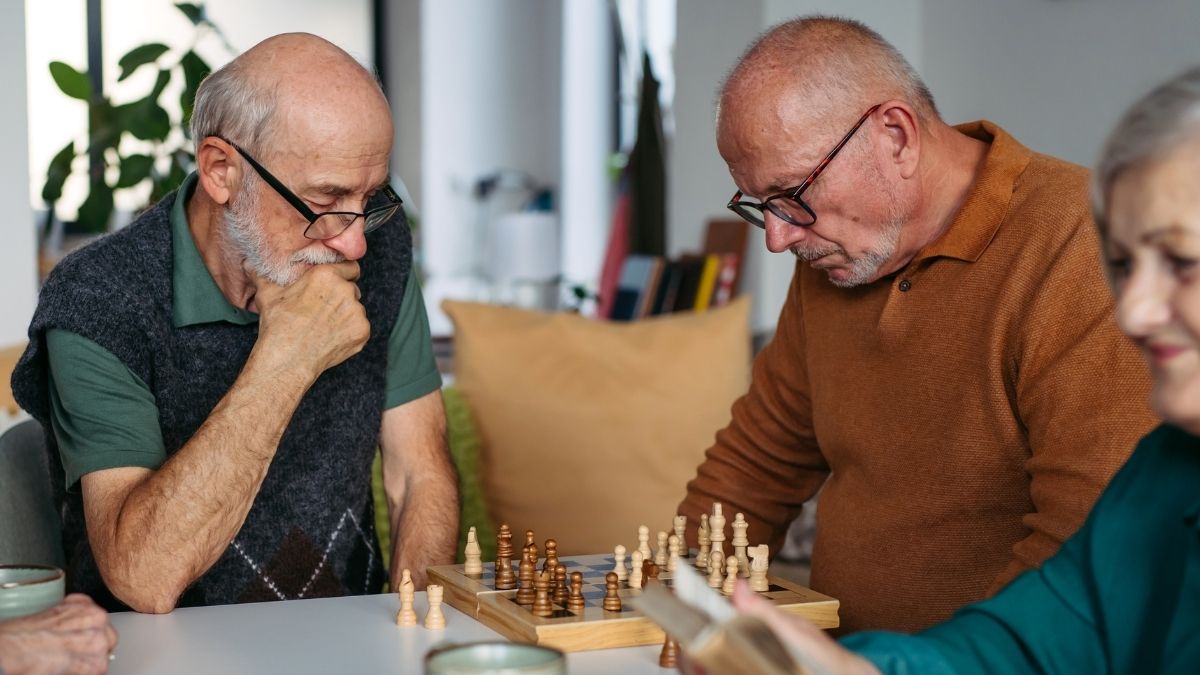
In Okinawa, you’ll find 95-year-olds who still practice karate, 100-year-olds selling vegetables at their garden stands, and centenarians learning new crafts. A major 2025 study found that combining diet, exercise, and brain training improved thinking and memory in 2,100 people aged 60-70. Participants who followed the intensive regimen scored like people 1-2 years younger.
Your brain stays capable of growth and adaptation well into your 90s, but only if you keep challenging it. Mental stimulation through puzzles, learning new skills, and complex conversations maintains cognitive function. Learning languages, musical instruments, or new hobbies creates neuroplasticity—your brain’s ability to form new connections.
Mental Fitness Gym
Research shows that addressing lifestyle risk factors could reduce global Alzheimer’s incidence by 45%. Activities that help include crossword puzzles, reading, taking classes, picking up new hobbies, and having deep social discussions. Cognitive reserve builds through diverse intellectual engagement.
Blue Zone elders continue working, learning, and contributing past 100. They don’t retire to passive entertainment. They stay mentally active through meaningful work and constant learning. The principle is simple: use it or lose it.
The 90/10 Rule: Why Consistency Beats Perfection

Here’s the best part: you don’t need perfect genetics. You need consistent, imperfect habits. Dr. Michael Roizen says 90% of longevity comes from modifiable lifestyle factors. The Danish Twin Study proved only 20% of longevity comes from genes. The other 80% comes from how you live.
Sustainable habits matter more than extreme interventions. Blue Zone populations don’t follow rigid rules. They integrate healthy choices naturally into daily life. A study found that picking up even one healthy habit in later years added an average of 4.5 years to life—even for people in their 80s and 90s.
Only 14% of older adults currently hit CDC targets for exercise and strength training. You don’t need to be perfect.
Longevity Savings Bank
You need to be better than you were yesterday. Small, consistent changes compound over time. Research shows that habits keeping your body biologically young can reverse elements of aging.
Start where you are. Choose one habit from this list. Focus on progress, not perfection. It’s never too late to start. People who begin healthy habits in their 80s still gain years of life and better quality of life.
Your Next Step:

Thriving 90-year-olds share nine habits: natural daily movement, plant-forward eating, quality sleep, deep social bonds, clear purpose, stress management, moderate alcohol (if any), preventive care, and cognitive stimulation.
With 70-80% of longevity determined by lifestyle, these strategies give you real power over how you age. Choose one habit this week. Track it for 30 days. Small changes compound into extraordinary results.