
If you are 50 or older and live alone, there is a risk nobody mentions at the doctor’s office. Nobody is there to notice when something goes wrong. A fall at 2 p.m. can mean an hour on the floor, and chest pressure you try to wait out can turn into a full emergency.
Studies of falls and strokes keep finding the same pattern: long delays lead to worse outcomes. Here is what changes that. Seven small daily habits, backed by real research and medical guidelines, can shrink the gap between “something is wrong” and “help is on the way.”
Most of them take only a few minutes, and a few of them will surprise you. Below you will find all seven, plus the warning signs that mean you should stop reading and call 911. We also separate what the science proves from what it only suggests, because you deserve the honest version.
Before making any changes based on this article, talk to your doctor, especially if you take medication or have a diagnosed condition.
Why Adults Who Live Alone Face Different Odds

A 2015 meta analysis in Perspectives on Psychological Science pooled studies on social isolation, loneliness and living alone. On average, they were linked to a 29%, 26% and 32% higher likelihood of death, respectively.
Those are links, not proof. A 2010 meta analysis in PLOS Medicine added a useful twist: complex measures of social connection predicted survival far better than a simple yes or no on whether someone lived alone. The address matters less than whether anyone is paying attention.
Falls add another layer. The Centers for Disease Control and Prevention reports that about one in four adults 65 and older falls each year, and a fall is riskier when nobody is home to help you up. Most of the habits below are built around that gap.
The 7 Daily Habits That Close the Gap
Each habit targets a specific way things go wrong when no one else is home. Start with whichever feels easiest, then add one more each week.
1. Talk to one real person every day
A text does not count, because a voice carries tone and a missed call is hard to ignore. Close relationships also act as a safety net in two ways: they buffer stress, and they give someone a reason to notice when something changes.
Pick one person and one time of day, and treat the call like an appointment. Agree on a rule in advance: if you do not answer, that person phones a neighbor or requests a welfare check.
2. Keep a way to call for help on your body, not across the room
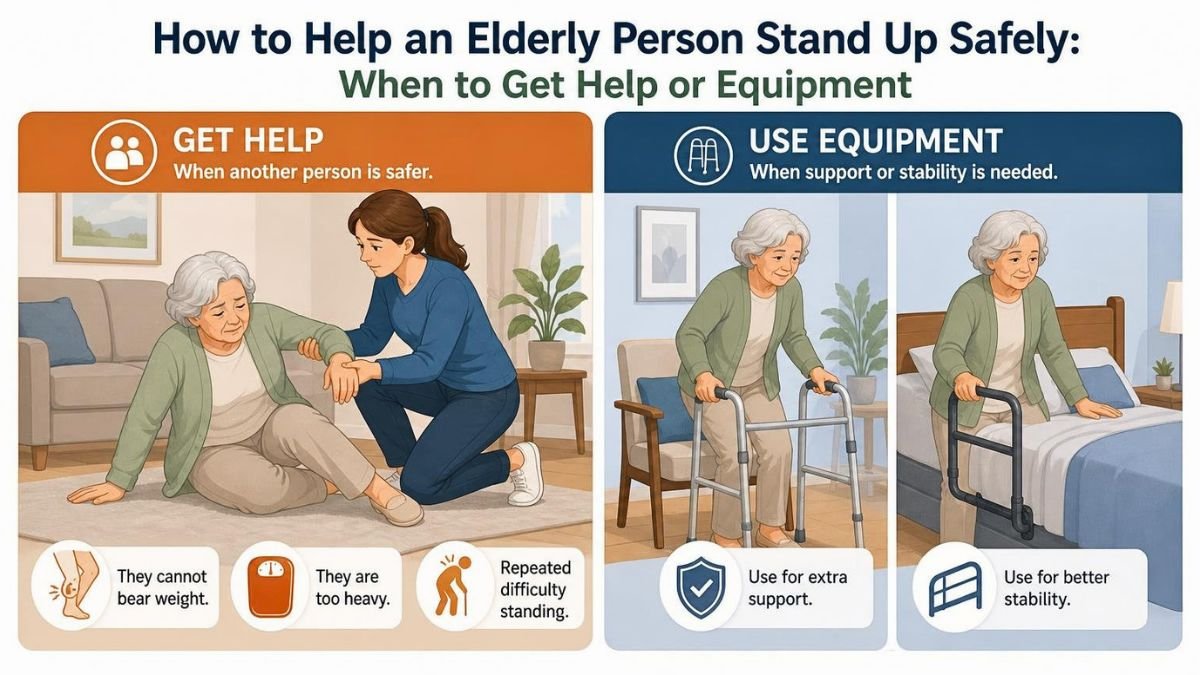
A 2008 BMJ cohort study of people over 90 found that most falls happened when the person was alone. About three in ten of those who fell lay on the floor for an hour or more, and a long lie was strongly linked to serious injuries and hospital stays.
Call alarms were widely available but went unused in most long lies, and waiting on the floor invites dehydration, pressure sores and pneumonia. So carry your phone or a wearable alert on your body all day, including in the bathroom, and test it weekly. These participants were much older than most readers here, so treat the numbers as the far end of the risk, though the lesson holds at any age.
3. Walk every day, and add a little balance work
A 2022 meta analysis of 15 studies in The Lancet Public Health found that, for adults 60 and older, the drop in risk of death leveled off at about 6,000 to 8,000 steps a day. For adults younger than 60, it leveled off at about 8,000 to 10,000.
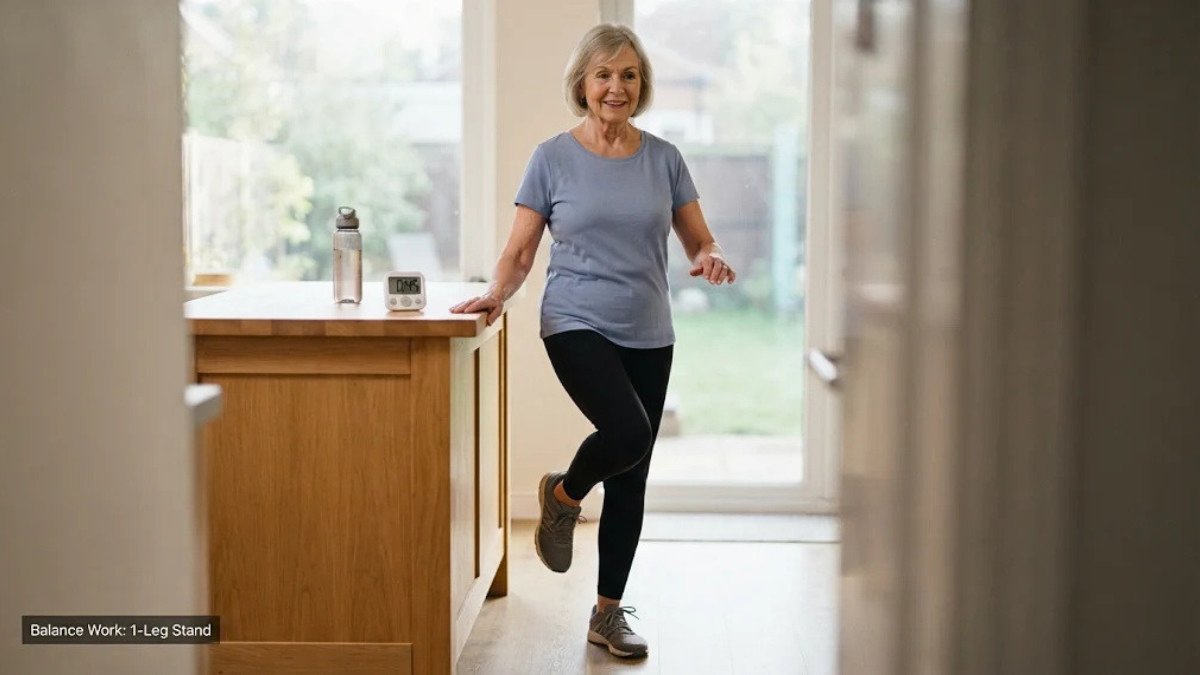
The evidence that walking alone prevents falls is thin, though. A 2019 Cochrane review of 108 randomized trials found that exercise cuts the rate of falls by about a quarter in adults 60 and older living at home. Each day, stand beside a sturdy counter and hold a one leg stand for as long as is safe, then switch legs.
The table shows which types of exercise performed best in that review.
Exercise Modalities for Fall Prevention
Clinical evidence grading and relative reduction in fall rates across different physical training approaches.
About 24% lower
About 34% lower
About 19% lower
Unclear
Unclear
Everyone’s body responds differently, so check with your doctor before starting new balance or strength work, especially if you get dizzy, have joint problems, or take medication that affects blood pressure.
4. Use a medication system that does not depend on memory
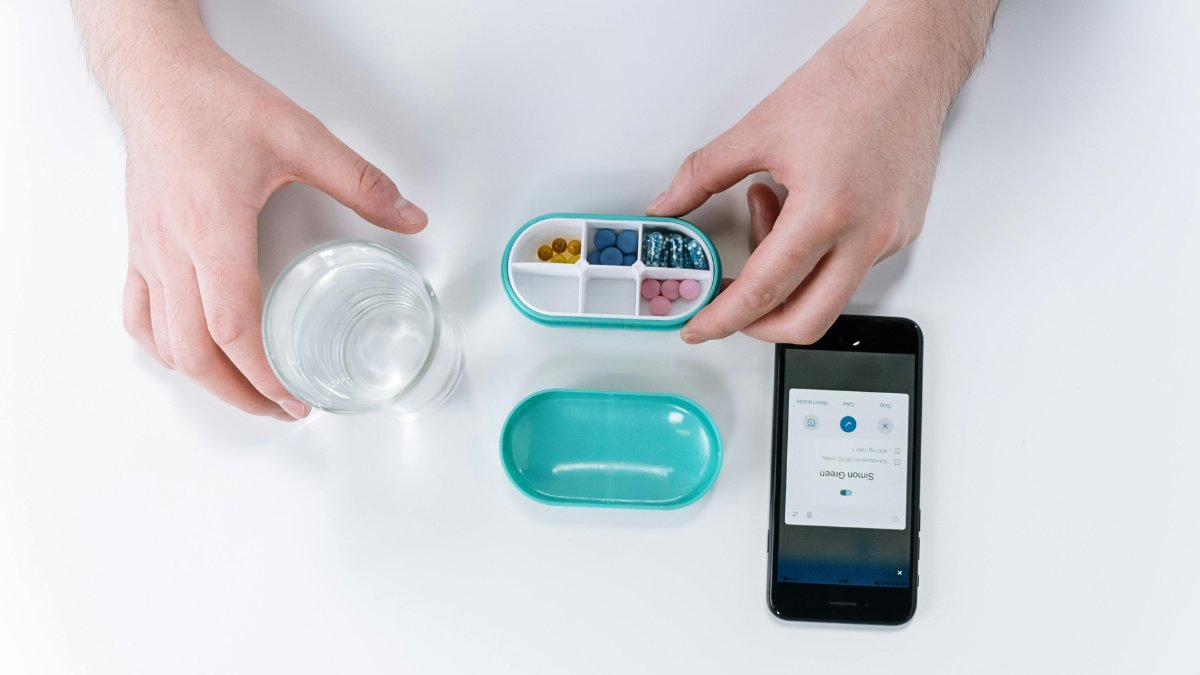
When you live alone, nobody notices a skipped dose, and a missed blood pressure, heart or diabetes pill can let those numbers drift without any warning. Research reviews suggest that up to about half of older adults on several long term medications do not take them as prescribed, and forgetting is one of the most common reasons.
A weekly pill organizer helps because every empty compartment confirms that you took your dose. Fill it on the same day each week, set a phone alarm for each dose time, and keep one printed list of every medicine and dose beside the phone.
5. Eat protein at every meal, even when cooking for one feels pointless
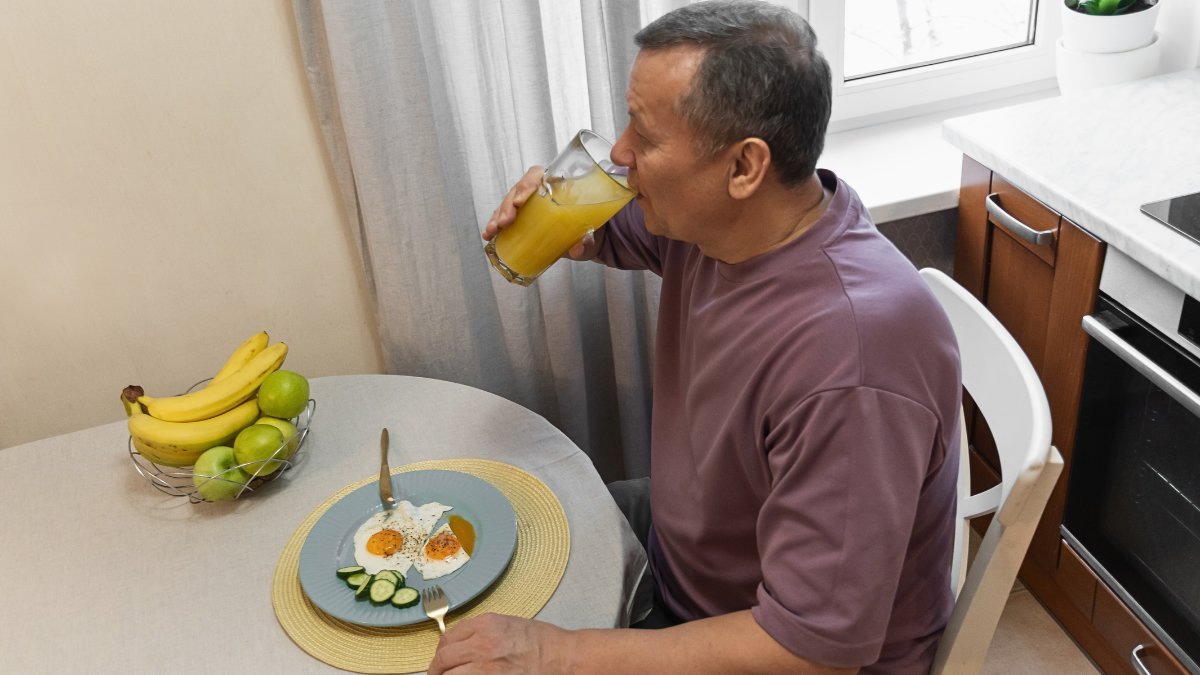
Studies of older adults link eating alone with poorer diet quality, less protein rich food, and a higher risk of weight loss and frailty. That matters because declining muscle function makes it harder to get up after a fall.
An international expert group on protein and aging recommends at least 1.0 to 1.2 grams of protein per kilogram of body weight daily for adults over 65, which is roughly 70 to 84 grams for someone who weighs 154 pounds. Reviews suggest spreading it out at about 25 to 30 grams per meal, such as eggs at breakfast, beans at lunch and chicken at dinner. If you are in your 50s or have kidney disease, ask your doctor what your target should be.
6. Check your blood pressure at home and write it down
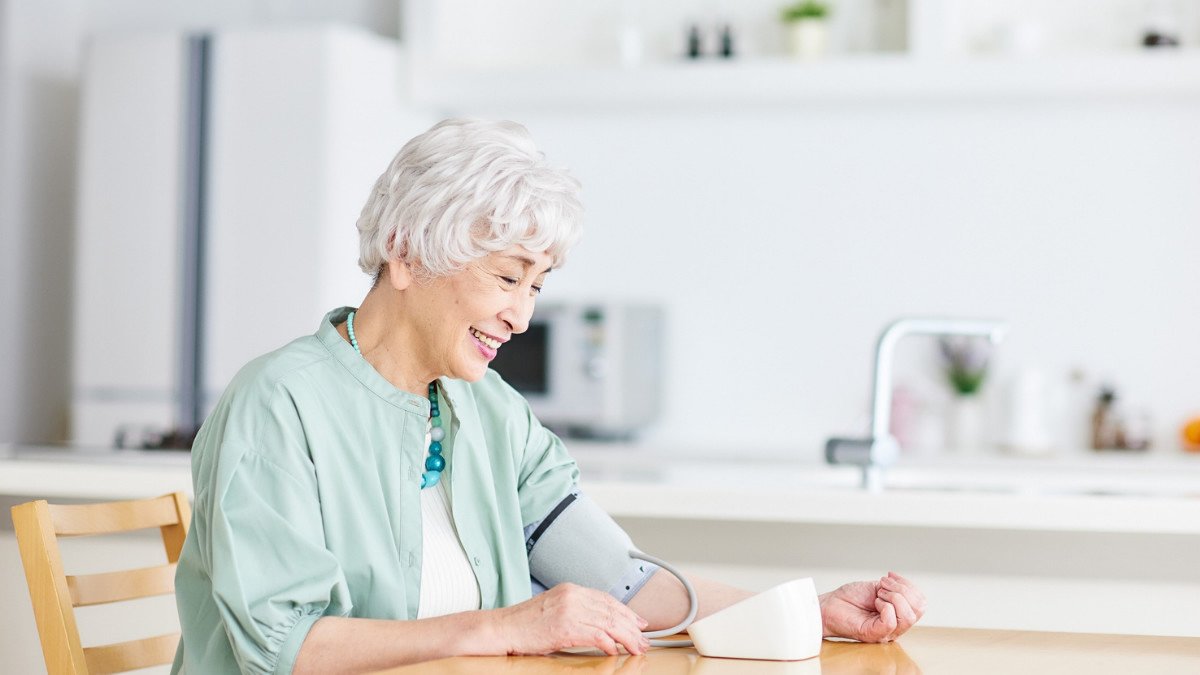
High blood pressure, which affects nearly half of U.S. adults, rarely announces itself, yet it strains artery walls and the heart, which is how it raises the odds of stroke and heart attack. The 2025 guideline from the American Heart Association and the American College of Cardiology recommends home monitoring to confirm a diagnosis and track progress, because readings from your own kitchen show daily life better than one office visit.
Choose a monitor from the ValidateBP list of tested devices, sit quietly for five minutes with both feet flat, and rest your arm on a table at heart level. Write down every reading with the date, and bring the log to your appointment.
Here are the categories the guideline uses.
Blood Pressure Readings & Next Steps
Clinical blood pressure classification thresholds (mm Hg) and recommended follow-up actions.
Under 120 and under 80
120 to 129 and under 80
130 to 139 or 80 to 89
140 or higher, or 90 or higher
7. End every night with a 60 second safety scan and a firm 911 rule
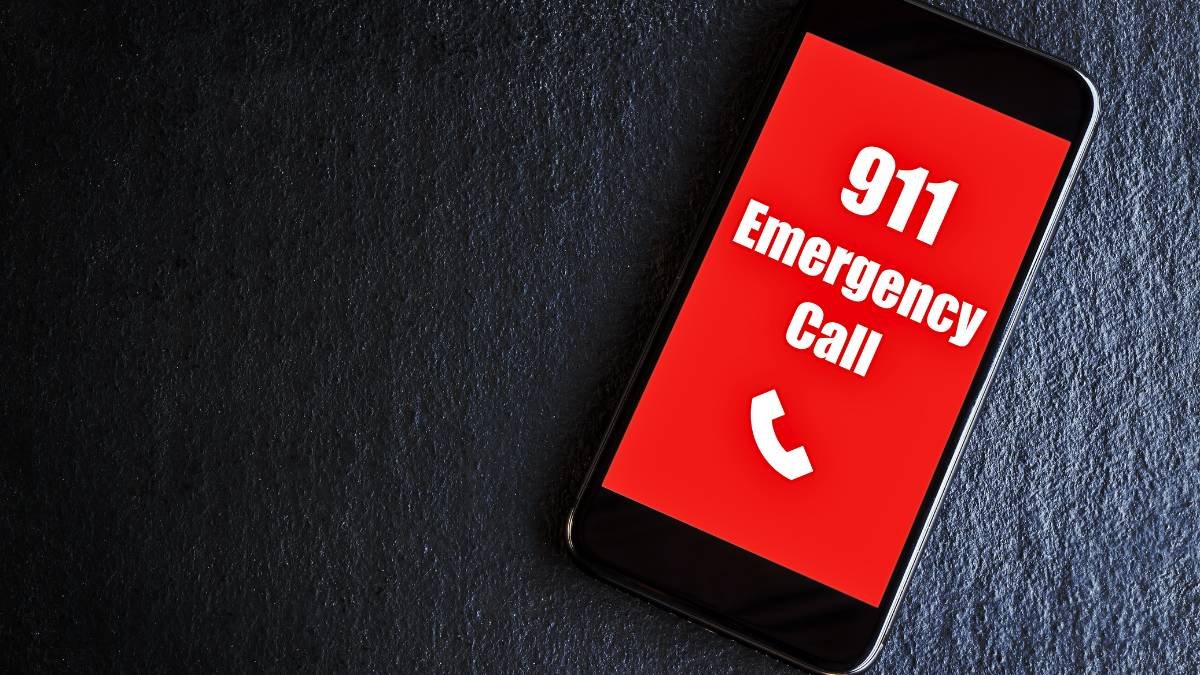
The American Heart Association says calling 911 beats driving yourself, because paramedics can start testing on the way and the hospital can prepare before you arrive. A Korean study of 753 stroke patients who received emergency treatment to restore blood flow found that those who lived alone were slower to notice symptoms and reach the hospital.
That makes this habit a rehearsal, not a reaction. Each night, check that your phone is charged beside the bed, the path to the bathroom is lit, and a card with your address and medication list sits by the phone. Decide now that chest or stroke warning signs mean 911 comes first, and arrange a way for responders to get in, such as a lockbox or a spare key with a neighbor.
When To Stop Reading And Call 911
- Chest pressure or pain, with or without shortness of breath or a cold sweat
- Pain or discomfort spreading to the arm, back, neck or jaw
- Face drooping, arm weakness or slurred speech (the FAST signs of stroke)
- A fall where you cannot get up, or where you hit your head
What The Research Proves, And What It Doesn’t

The headline says these habits could save your life, and the wording is deliberate. Most of the evidence on living alone and early death comes from observational studies, which show a link but cannot prove that living alone is the cause.
Even the large 2015 meta analysis found that results depended on people’s starting health, and that social deficits predicted death more strongly in groups averaging under 65. A 2022 meta analysis that looked only at older adults found a smaller link for loneliness, with a hazard ratio of 1.10.
The strongest evidence here is for exercise and falls, which comes from randomized trials and a 2024 U.S. Preventive Services Task Force recommendation for adults 65 and older at increased risk. The step count findings are observational, since people who walk more may simply be healthier to begin with. The 911 advice rests on expert consensus and on how time sensitive heart attacks and strokes are.
As far as the published research shows, nobody has tested these seven habits together as a package. Treat them as sensible, low cost protections that fit the evidence, not as guarantees.
Five Mistakes That Quietly Undo These Habits

Waiting to see if it passes. Emergency physicians quoted by the American Heart Association say they would rather send a worried patient home reassured than meet someone who arrived too late. Most chest pain turns out not to be a heart attack, and that is exactly why nobody should feel embarrassed to call.
Calling family first. The common instinct is to phone a relative or drive to the hospital, but a 911 dispatch can have the right team waiting when you arrive. Make 911 your first call, and tell your relatives afterward.
Seeing an alert device as a sign of weakness. In the British study, people described alarms as irrelevant to them, worried about their independence and found them awkward to use. A device that brings help fast can protect the independence you want to keep.
Stopping a medication because you feel fine. High blood pressure is often silent, so feeling normal says little about your numbers. Ask your doctor before changing or stopping any prescription.
Trusting one home reading. A single high or low number can be a fluke, and doctors use multiple readings to diagnose high blood pressure. Log several days of readings before you worry or relax.
Questions People Ask Next
I am in my 50s and healthy. Do I need all of this?
You do not need every habit at full strength, but the cheap ones pay off early. Fall risk climbs with age, yet walking, balance work, protein and blood pressure checks are easier to start now than after a scare.
How soon will it help?
Safety habits work from the first day, because a charged phone and a daily call protect you immediately. Strength and balance take weeks of steady practice, and blood pressure numbers only mean something after a run of readings.
What if I have no family or friends nearby?
Ask your local Area Agency on Aging or senior center whether it runs a phone check in or friendly visitor program. A neighbor, a faith community or a regular class counts too, as long as someone expects to hear from you at a set time.
Who should check with a doctor first?
Anyone with kidney disease should ask before raising protein. People with dizziness, joint pain or heart conditions should get clearance before new balance or strength work, and anyone taking blood pressure medication should not adjust doses based on home readings alone.
Try This Today
- Text one person right now and set a daily call time
- Set two phone alarms: one for your pills and one for tonight’s safety scan
- Add one protein food to tomorrow’s breakfast
- Take your first home blood pressure reading and write it down
Start Smaller Than You Think
You do not need all seven habits by Friday. Start with the daily call and the phone on your body, because they speak directly to the biggest risk of living alone: a problem that nobody sees.

Add one habit a week. In seven weeks, you will have a routine that works while you walk, cook, sleep and take your pills, plus a person who notices if it ever stops.
This article is for informational purposes only and is not a substitute for professional medical advice, diagnosis, or treatment. Always consult your doctor or a qualified healthcare provider before changing your diet, exercise routine, or medications, especially if you have an existing health condition. If you think you may be having a medical emergency, call 911 right away.
Sources
- Holt-Lunstad J, Smith TB, Baker M, Harris T, Stephenson D. Loneliness and social isolation as risk factors for mortality: a meta-analytic review. Perspectives on Psychological Science, 2015. DOI 10.1177/1745691614568352
- Holt-Lunstad J, Smith TB, Layton JB. Social relationships and mortality risk: a meta-analytic review. PLOS Medicine, 2010. DOI 10.1371/journal.pmed.1000316
- Meta-analysis of loneliness, social network size and mortality in older adults. European Journal of Ageing, 2022. DOI 10.1007/s10433-022-00740-z
- Fleming J, Brayne C. Inability to get up after falling, subsequent time on floor, and summoning help: prospective cohort study in people over 90. BMJ, 2008. DOI 10.1136/bmj.a2227
- Centers for Disease Control and Prevention. Older Adult Falls Data
- Paluch AE, et al. Daily steps and all-cause mortality: a meta-analysis of 15 international cohorts. The Lancet Public Health, 2022. DOI 10.1016/S2468-2667(21)00302-9
- Sherrington C, et al. Exercise for preventing falls in older people living in the community. Cochrane Database of Systematic Reviews, 2019. DOI 10.1002/14651858.CD012424.pub2
- US Preventive Services Task Force. Interventions to Prevent Falls in Community-Dwelling Older Adults: Recommendation Statement. JAMA, 2024. DOI 10.1001/jama.2024.8481
- Bauer J, et al. Evidence-based recommendations for optimal dietary protein intake in older people: a position paper from the PROT-AGE Study Group. Journal of the American Medical Directors Association, 2013
- 2025 AHA/ACC Guideline for the Prevention, Detection, Evaluation, and Management of High Blood Pressure in Adults. Hypertension, 2025. DOI 10.1161/HYP.0000000000000249
- American Heart Association. Calling 911 is always best when heart attack or stroke symptoms start
- Chung H, et al. The Impact of Living Alone on the Transfer and Treatment Stages of Acute Ischemic Stroke in the Busan Metropolitan Area