

Every time you fry instead of boil, you’re loading your skin with compounds that quietly break down collagen. Most people have no idea this is happening two feet from where they eat dinner.
Do it a few times a week for years and the damage adds up. Sagging, dullness, and fine lines that show up before they should, and no serum or sunscreen undoes what’s already been baked in, literally.
Here’s the part almost nobody hears about: dermatologists and nutrition researchers have actually measured this. Down to specific multiples between cooking methods. And the fix costs nothing and takes five minutes to learn.
Before making any changes based on this article, talk to your doctor or dermatologist, especially if you are currently taking medication or have a diagnosed skin or metabolic condition.
The Chemistry Happening on Your Stovetop
The mechanism has a name: glycation. It’s not exotic. It’s the same basic chemical reaction that browns a steak or crisps a piece of toast, called the Maillard reaction. That reaction produces compounds called advanced glycation end products, or AGEs.

The problem is that AGEs don’t stay on your plate. Once eaten, a portion of them gets absorbed into your bloodstream and tissue, including your skin. There, they attach to collagen and elastin, the two proteins that keep skin firm and bouncy.
Researchers describe this as a kind of crosslinking that makes those proteins stiffer and more brittle over time.
AGEs bind to receptors on cell surfaces and trigger oxidative stress and inflammation, which contributes to skin aging. In diabetic patients, where AGE levels run especially high, researchers have observed elevated enzymes that increase crosslinking between collagen and elastin, damaging the skin’s structural support.
Skin doesn’t need diabetes to be affected. AGEs accumulate in ordinary skin too, just more slowly. Wiley Online LibraryWiley Online Library
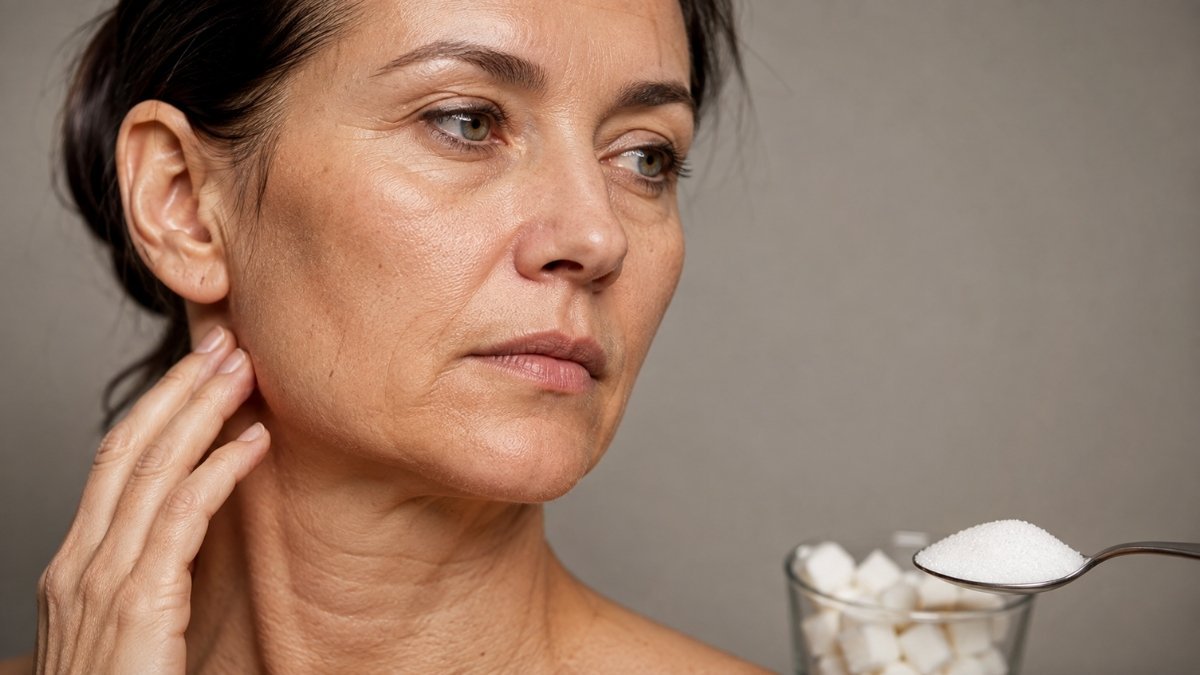
Sugar is the most direct driver. Simple sugars like glucose and fructose are the raw material glycation needs. High fructose exposure has been shown in lab studies to trigger inflammatory signaling in skin cells and slow their ability to repair a wound.
That’s the biological reason a sugary diet tends to show up on the face before it shows up anywhere else. nih
The Cooking Method Gap Nobody Talks About
Here’s the detail most articles about diet and skin aging leave out completely: it’s not just what you eat, it’s how you cook it.
Cooking methods like frying, broiling, grilling, and roasting generate far more AGEs than boiling, poaching, stewing, or steaming. The difference isn’t small. Reviews comparing cooking methods have found that broiling and frying generate the highest AGE levels of any technique, with roasting close behind and boiling producing far less.
In one experiment, beef broiled for just 15 minutes contained roughly three times more AGEs than beef boiled for a full hour, despite using identical meat. Cambridge Core + 2
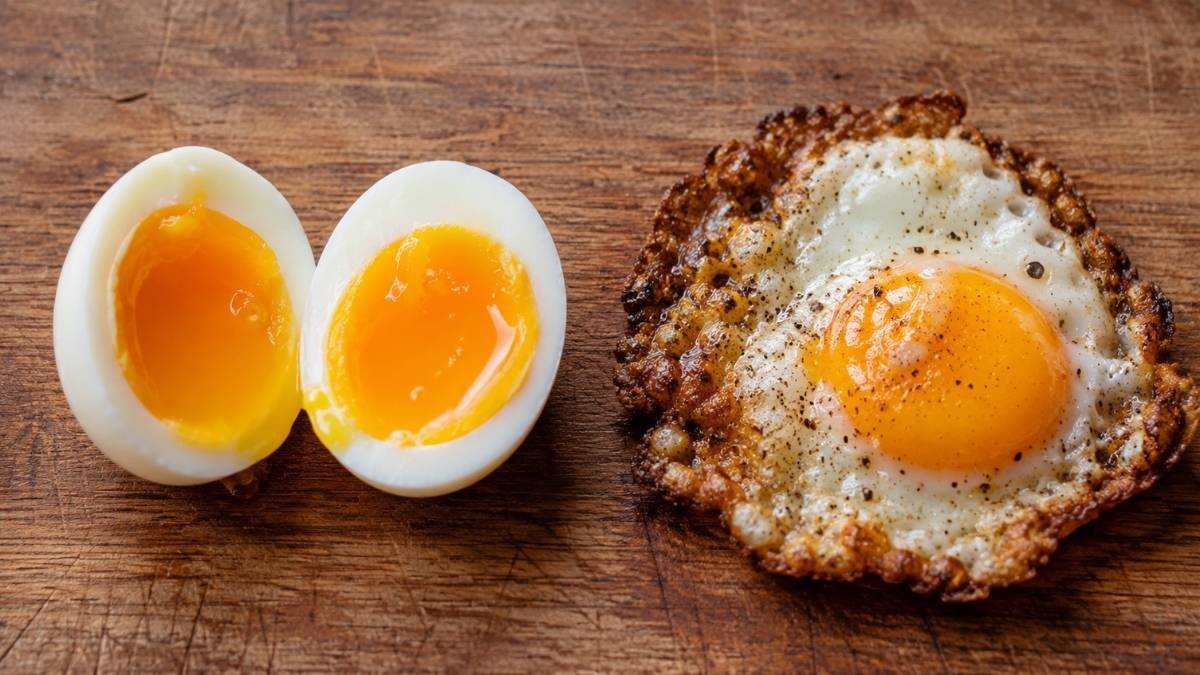
The gap gets even bigger with everyday foods. Researchers analyzing AGE content across cooking methods have found that pan-fried eggs contain about 10 times more AGEs than boiled eggs, stir-fried vegetables carry up to 2.4 times more than boiled ones, grilled chicken breast has four to five times more than poached chicken, and french fries can carry up to 90 times more AGEs than boiled potatoes of the same weight. HuffPost
Cooking Methods · AGE Levels
How You Cook It Changes the Chemistry
Dry, high heat forms more AGEs — the same ingredient looks very different depending on the method.
Deep Frying / Broiling
WhyDry, very high heat drives the Maillard reaction hard.
SwapPoach, boil, or steam.
Grilling / Roasting
WhyDirect dry heat, especially with charring.
SwapBraise or slow cook with liquid.
Pan Searing With Oil
WhyStill dry heat, though shorter exposure.
SwapSauté briefly in a splash of broth or water.
Baking
WhyDry oven heat, lower than grilling.
SwapCover the dish, or bake at a lower temp for longer.
Boiling / Poaching / Steaming
WhyWater caps the temperature and adds moisture.
SwapAlready a good option.
One detail worth knowing if you’re not ready to give up grilled or fried food entirely: marinating meat in acidic ingredients like lemon juice, vinegar, or yogurt before cooking has been shown in some research to cut AGE formation by as much as half. That’s a real, usable workaround, not just a garnish decision. Agentic Wellness
Everyone’s skin and metabolism respond differently, so check with your doctor before changing your diet significantly if you have an existing condition or take medication that affects blood sugar.
The Actual Study Behind the “Dermatologists Proved It” Claim
This isn’t a single headline grabbing study pulled out of context. In a widely cited paper published in the American Journal of Clinical Nutrition, researcher Maeve Cosgrove and colleagues had dermatologists directly examine the skin of over 4,000 women between the ages of 40 and 74, using national health survey data.

The findings were specific. Higher vitamin C intake was associated with a lower likelihood of a wrinkled appearance and of senile dryness, while higher linoleic acid intake was linked to a lower likelihood of dryness and skin atrophy.
On the flip side, a 17 gram increase in dietary fat and a 50 gram increase in carbohydrate intake were both linked to a higher likelihood of wrinkling and skin thinning. And these associations held up independently of age, sun exposure, smoking history, income, and body weight. AJCN + 2
Linoleic acid, by the way, is an omega 6 fat found in things like sunflower oil, safflower oil, and many nuts and seeds. Vitamin C shows up in citrus, peppers, and leafy greens. Neither one requires a supplement aisle. Both are ordinary kitchen ingredients.
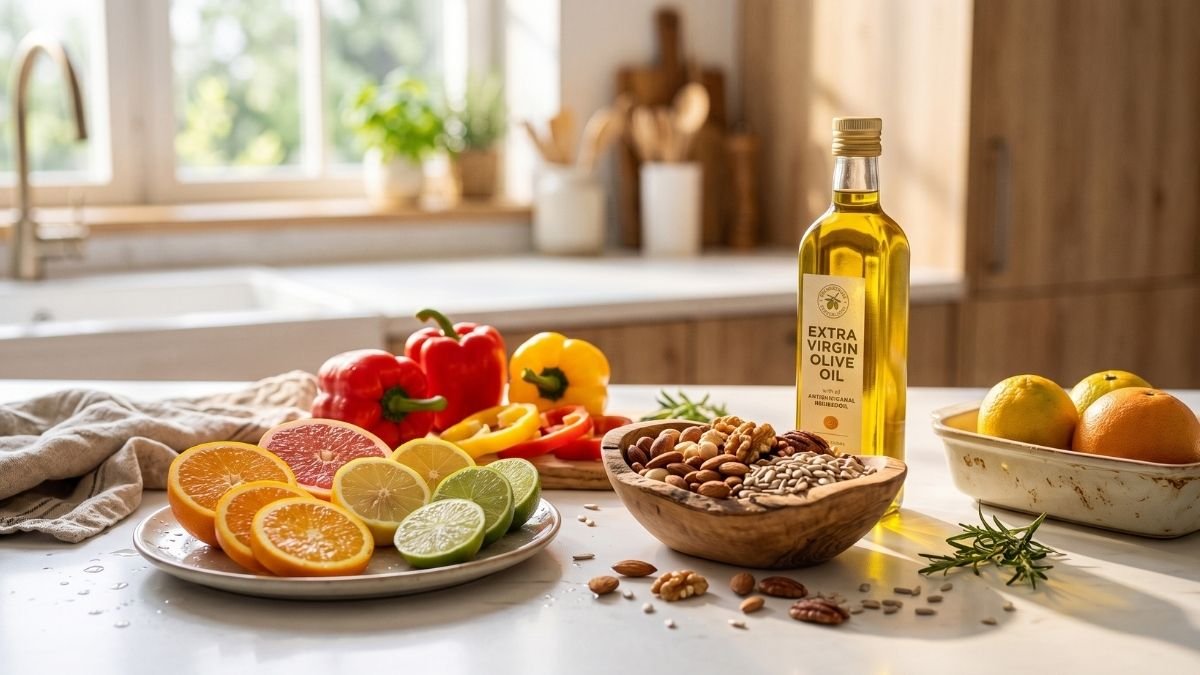
Separately, olive oil has its own research behind it. Extra virgin olive oil’s monounsaturated fat and polyphenol content have been studied for their ability to modulate oxidative stress and inflammation, hallmarks of the aging process.
Swapping a heavily processed or repeatedly reused cooking oil for a good quality extra virgin olive oil isn’t a cosmetic upgrade. It changes the antioxidant load your skin cells are working with. nih
Try This Today
The Daily Habit That Actually Works
- Swap one fried or grilled meal this week for the same food boiled, poached, or steamed instead.
- Marinate meat in lemon juice, vinegar, or plain yogurt for 20 to 30 minutes before it hits heat.
- Add one vitamin C source (citrus, bell pepper, strawberries) to a meal you already eat daily.
- Finish a dish with a drizzle of extra virgin olive oil instead of a reused or heavily processed cooking oil.
- Replace one sugary drink a day with water. Skin cells don’t get a say in how much sugar hits your bloodstream, but you do.
Kitchen Habits: What Helps, What Hurts
Skin Health · Kitchen Habits
Your Skin Remembers How You Cook
The same ingredients age differently depending on heat, oil, and what you drink alongside them.
Cooking Method
Marinating Before Cooking
Cooking Oil
Sugar Habits
Hydration
How Long Before You’d Actually Notice a Difference
Skin cells turn over on roughly a monthly cycle, and collagen remodeling is even slower than that, so this isn’t an overnight fix. Here’s a realistic, conservative expectation based on how skin biology generally works, not a promise.
| Timeframe | What’s Realistically Happening |
|---|---|
| Weeks 1 to 2 | Blood sugar swings start to settle if sugary foods and drinks are cut back |
| Weeks 4 to 6 | One full skin cell turnover cycle has passed, hydration and tone may feel subtly better |
| Month 3 and beyond | Sustained lower AGE intake plus more vitamin C and linoleic acid may show up as less new fine line formation, though existing deep wrinkles won’t reverse from diet alone |
The Questions People Ask Next
Do you have to give up fried food completely?
No. The research points to frequency and pattern, not a single meal. An occasional grilled or fried dish isn’t the issue. A daily habit of it, over years, is what adds up.
Does this replace sunscreen or skincare?
Not even close. Ultraviolet exposure remains the single biggest driver of visible skin aging by most dermatology research. This is a second, modifiable lever, not a replacement for sun protection.
Who should be extra careful with this?
People with diabetes or prediabetes already run higher baseline AGE levels, so cooking method and sugar intake may matter even more for them. Anyone on medication that affects blood sugar should loop in their doctor before making significant diet changes.
What’s the most common mistake people make trying this?
Overhauling everything at once and burning out in two weeks. Swapping one or two cooking methods and keeping it consistent beats a dramatic short lived diet change.
When It’s More Than Just Aging Skin
Diet driven skin changes are usually gradual and cosmetic. See a dermatologist or doctor if you notice any of the following, since they can point to something beyond ordinary aging:
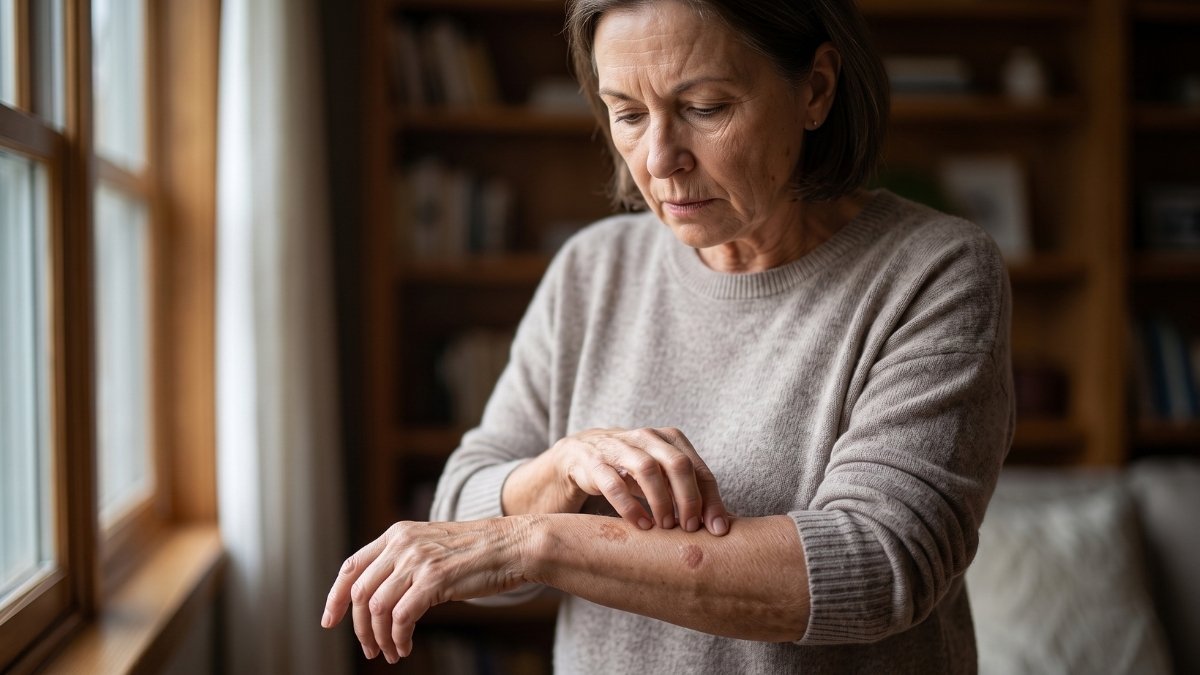
- Sudden, widespread dryness or cracking that doesn’t respond to normal moisturizing
- A mole or spot that changes size, shape, or color
- Skin that isn’t healing normally after a minor cut or scrape
- New skin symptoms alongside unexplained fatigue or excessive thirst, which can sometimes point to blood sugar issues worth checking
The Recap
Your kitchen genuinely does play a role in how fast your skin ages, and the mechanism behind it, glycation, is well documented in dermatology research.
How you cook matters as much as what you cook: dry, high heat methods like frying and grilling generate far more of the compounds linked to collagen breakdown than boiling, steaming, or poaching.

A real study, examined directly by dermatologists, found that higher vitamin C and linoleic acid intake tracked with fewer wrinkles, while higher fat and carbohydrate intake tracked with more.
None of this requires a dramatic overhaul. Small, repeatable swaps, done consistently, are what the research actually supports.
This article is for informational purposes only and is not a substitute for professional medical advice, diagnosis, or treatment. Always consult your doctor or a qualified healthcare provider before making changes to your diet, exercise routine, or medications, especially if you have an existing health condition.