
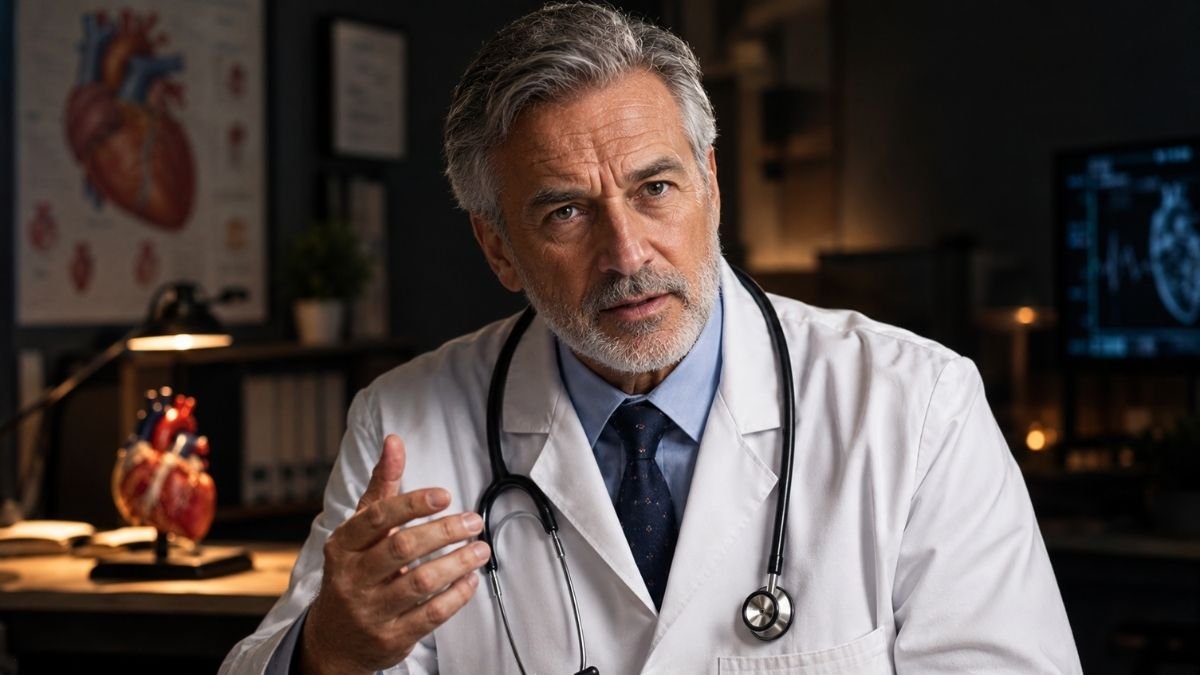
Robert spent three decades reading EKGs and standing over cath lab tables, and the patients who scared him most were rarely the ones clutching their chest. Those patients, at least, got a chance. The ones who worried him were the four other conditions that never send a warning shaped like a heart attack, and take people out anyway.
If chest pain and a numb left arm are the only warning signs on your radar, you are only watching one door. Robert has spent his whole career watching the other four, and most of them leave clues long before they turn fatal, if you know where to look.
Before making any changes based on this article, talk to your doctor, especially if you are currently taking medication or have a diagnosed heart condition.
Why A Heart Attack Isn’t the Only Threat Robert Watches For
A heart attack happens when a blocked artery cuts off blood flow to part of the heart muscle. That is one specific failure, in one specific system. The five conditions below kill through entirely different mechanisms, and several of them produce zero symptoms until the moment they become an emergency.
1. Blood Pressure That Never Announces Itself
High blood pressure earned the nickname “silent killer” for a simple reason. It can climb for years, damaging the inner lining of your arteries the entire time, and you will typically feel nothing.
Robert has diagnosed patients with blood pressure readings that should have caused headaches or dizziness, and instead they walked into his office feeling completely normal. Roughly one in three American adults has high blood pressure,

and only about half of those people have it under good control. The other half are walking around with arteries slowly hardening. wmhs
Uncontrolled pressure raises your risk for stroke, heart failure, and aneurysm, and it does this quietly enough that many people find out only after a major event. Get a home blood pressure cuff and check both arms, morning and evening, for one week. A normal reading sits below 120 over 80. Anything consistently at or above 130 over 80 deserves a conversation with your doctor.
2. The Irregular Heartbeat Robert Calls the Silent Stroke Maker
Atrial fibrillation, often shortened to AFib, is an electrical glitch that makes the upper chambers of the heart quiver instead of beating normally. That quivering lets blood pool and clot inside the heart, and if a clot breaks loose and travels to the brain, the result is a stroke.
Here is the part that alarms Robert most. In one landmark study, 85 percent of patients had AFib episodes with no noticeable symptoms at all. People feel fine, keep living their lives, and never know their heart is throwing clots.

The overall risk of stroke in people with AFib runs about five times higher than in the general population, along with roughly double the mortality risk. rehabpubgehealthcare
Learn to check your own pulse for a full sixty seconds. It should feel steady and even. If it feels like it is skipping, fluttering, or racing without cause, that is worth mentioning at your next appointment, even if it only happens occasionally.
Beyond the Heart Attack
Five critical cardiovascular conditions, how they manifest internally, and why their mechanisms fundamentally differ from a standard myocardial infarction.
Uncontrolled blood pressure
Atrial fibrillation
Abdominal aortic aneurysm
Sudden cardiac arrest
Sleep apnea
3. The Balloon You Cannot Feel
Picture a worn spot on a garden hose, ballooning outward a little more every year. That is what happens to the aorta, the body’s largest artery, when a section of it weakens into an abdominal aortic aneurysm.
Nearly 15,000 Americans die every year from a ruptured abdominal aortic aneurysm, and until it ruptures, the condition rarely causes any symptoms at all. The numbers around timing are stark. Repaired electively before rupture, the survival rate sits around 95 percent. After a rupture, that survival rate drops to only 15 to 20 percent.

Everyone’s body responds differently to these numbers, so check with your doctor before assuming any single reading or guideline applies to your specific situation.
The good news is that this one is screenable. Men ages 65 to 75 who have ever smoked, meaning at least 100 cigarettes in their lifetime, are recommended to get a single ultrasound screening for this exact condition. It takes about ten minutes and it can catch a bulge years before it becomes dangerous. cham
4. The Electrical Failure That Looks Nothing Like a Heart Attack
Robert likes to explain this one with a house analogy. A heart attack is a plumbing problem, a blocked pipe cutting off flow. Sudden cardiac arrest is an electrical problem, a short circuit that stops the whole system.
There are roughly 800,000 heart attacks reported in the United States annually, and separately, more than 350,000 out of hospital cardiac arrests occur each year, with close to 90 percent of them proving fatal. During a heart attack, the heart usually keeps beating, just with reduced blood flow to part of it.

During sudden cardiac arrest, the heart stops beating altogether, and the person loses consciousness within seconds. Memorial Hermann
The single biggest factor in survival is how fast someone nearby acts. Hands only CPR, meaning chest compressions without rescue breaths, and use of an automated external defibrillator within the first few minutes can be the difference between life and death.
Try This Today
- Check both arms’ blood pressure this week and write the numbers down
- Feel your own pulse for a full minute and note if it ever feels irregular
- Watch a five minute hands only CPR demonstration video
- Ask your doctor whether an aneurysm screening applies to you
- Note whether you snore loudly, gasp at night, or wake up tired
5. The Sleep Disorder That Doubles Stroke Risk While You’re Unconscious
This is the one people dismiss the fastest, because it happens while you are asleep. Obstructive sleep apnea occurs when the airway repeatedly collapses during sleep, cutting off breathing for seconds at a time, sometimes hundreds of times a night.
Left untreated, moderate and severe sleep apnea can more than double a person’s risk of dying from heart disease. Nearly 80 percent of people with obstructive sleep apnea remain undiagnosed. Each pause in breathing drops oxygen levels and spikes blood pressure,
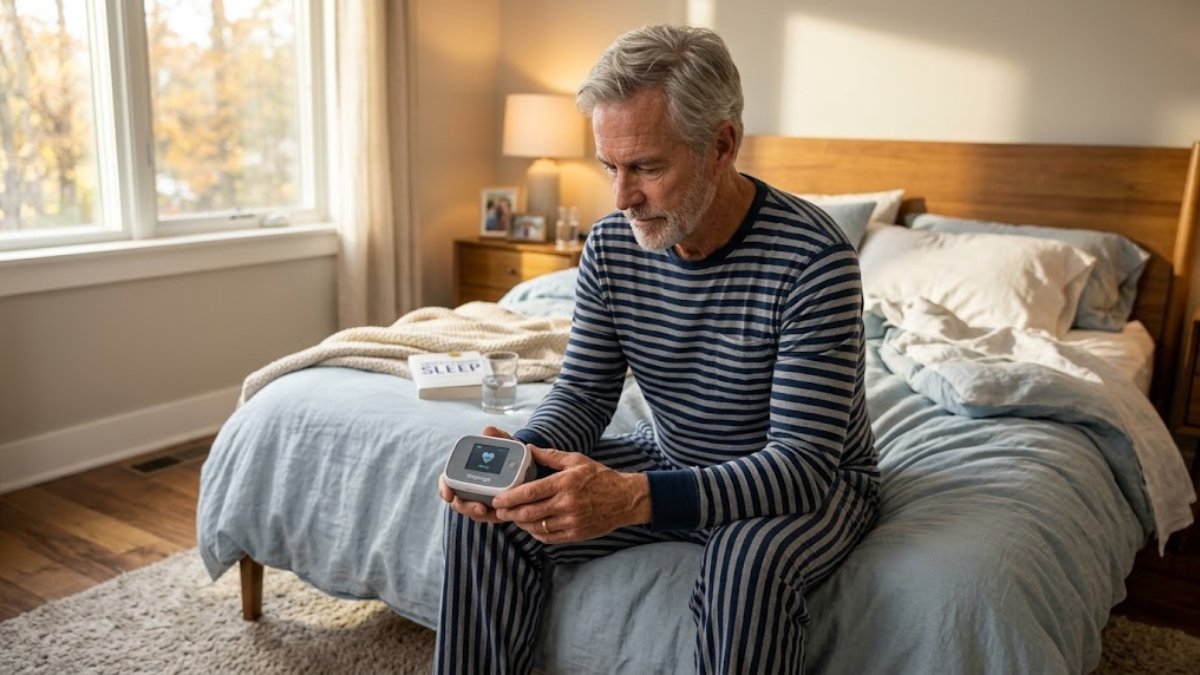
and that cycle repeats all night, every night, straining the heart in a way that adds up over years. sleepeducationamga
Research from the Sleep Heart Health Study found that men with moderate to severe sleep apnea were nearly three times more likely to have a stroke than men without it. If a partner has mentioned loud snoring or gasping, or you wake up with headaches and drag through the afternoon, a home sleep study is a reasonable next step. rehabpub
When To Stop Reading and Call a Doctor
- Sudden severe headache paired with vision changes or confusion
- Chest palpitations that come with fainting or near fainting
- Sudden, severe pain in the abdomen, back, or groin
- One sided weakness, drooping, or slurred speech
Cardiovascular Symptom Alert
Recognize the signs of hidden cardiac threats and know exactly what action to take when they appear.
Irregular or racing pulse
Possible: Atrial fibrillationSudden severe abdominal/back pain
Possible: Aneurysm ruptureLoud snoring & morning headaches
Possible: Sleep apneaSudden collapse with no pulse
Possible: Sudden cardiac arrestWhat Robert Wants You to Remember
None of these five conditions require dramatic lifestyle overhauls to catch early. They require regular blood pressure checks, an honest look at your sleep, a conversation about aneurysm screening if you fit the profile, and knowing your own pulse well enough to notice when something feels off.

A heart attack gets the headlines because it comes with a recognizable script: chest pain, arm numbness, a trip to the ER. These other five conditions do not follow a script, and that is exactly why Robert built his career around catching them before they had the chance to.