

Your bones are losing density right now. Quietly, with no pain and no warning, which is why so many people only find out after a fracture.
Most of us reach for calcium pills to fight back. It feels like the responsible move. But when researchers pooled results from 59 randomized trials in adults over 50, extra calcium raised bone density by only about 1% to 2%, and the gains did not keep growing. That is a thin return for a daily habit that can also bring constipation and kidney stone risk.
Here is what the pill aisle will not tell you. Certain everyday foods deliver calcium plus the vitamins, minerals, and plant compounds that help your body use it. Five of them have real research behind them, and none needs a prescription.
Keep reading, because the first food on this list surprises almost everyone, and the research behind it is encouraging.
Why Calcium Pills Fall Short for Bone Density
Bone is living tissue. Cells called osteoclasts break old bone down, and osteoblasts build new bone in its place.
After menopause, falling estrogen tips that balance toward breakdown. Researchers estimate that women can lose 3% to 5% of their bone per year during the first five to seven years.
Calcium is the raw material, but it is only one piece of the puzzle. Bone also needs vitamin D to absorb calcium, vitamin K to anchor it into the bone matrix, protein for structure, and a slower rate of breakdown.
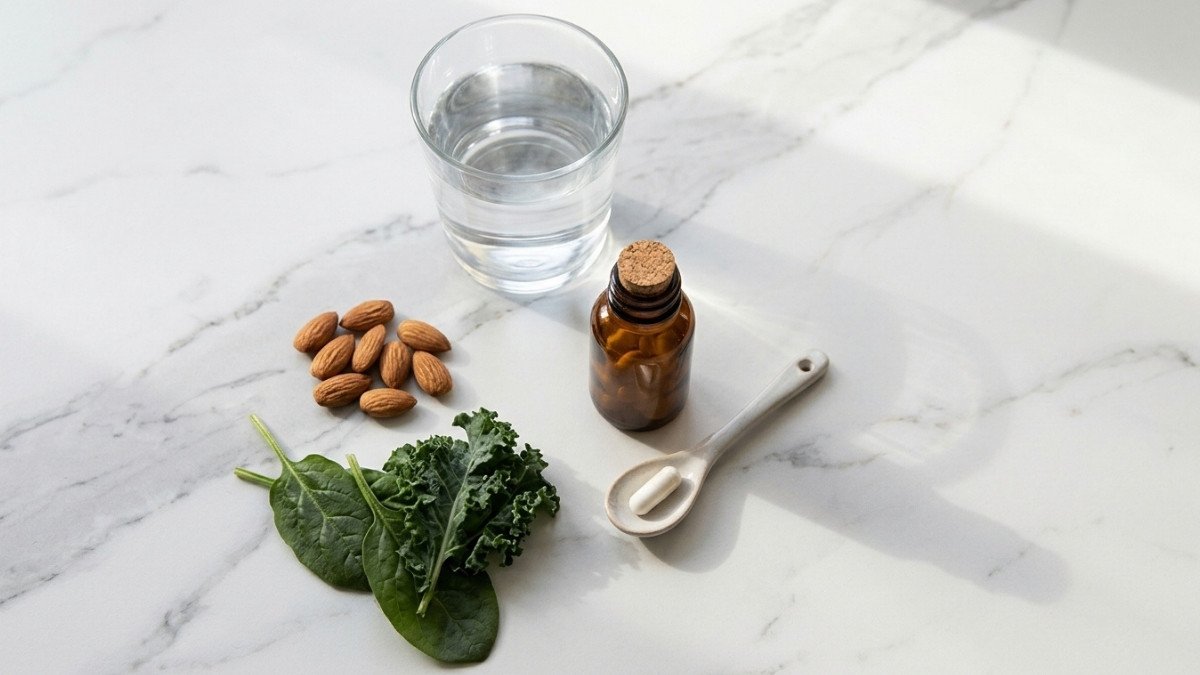
A pill gives you one mineral, often in one big dose. Your gut absorbs calcium less efficiently as the dose climbs, which is why many experts suggest no more than about 500 mg at a time.
There is a fair counterpoint. In one trial summarized by Harvard Health, women who started with low calcium intake, low vitamin D, and low bone density took 1,200 mg of calcium plus 800 IU of vitamin D for three years. They had a 23% lower risk of hip fracture than women on a placebo.
So pills can help people who truly fall short. For everyone else, the better question is what else a food brings along with its calcium.
Calcium Pills vs. Whole Foods Matrix
A head-to-head clinical breakdown comparing supplemental calcium tablets against whole-food dietary sources for bone density and long-term health.
Effect on Bone Density
Small gain of about 0.7% to 1.8% in trials of adults over 50.
Similar small gain from calcium alone, plus co-nutrients that act on bone directly.
Other Bone Nutrients
Usually calcium only, sometimes paired with Vitamin D.
Delivers Vitamin K, Vitamin D, protein, and beneficial plant compounds naturally.
Possible Downsides
Increased risk of constipation, gas, and kidney stones.
Few risks, though sodium or oxalate levels matter for specific food items.
How the Dose Arrives
Large single bolus doses, which are absorbed inefficiently by the gut.
Spread naturally across meals, matching how your digestive tract absorbs minerals.
The 5 Foods That Do More Than Supply Calcium
Most adults over 50 are told to aim for 1,000 to 1,200 mg of calcium a day. Women from 51 to 70 and all adults over 70 need the higher number.
These five foods help you get there, and each one adds something a pill cannot.
1. Prunes: The Fruit That Slows Bone Breakdown
Prunes have the strongest trial evidence of any whole food on this list. In the Prune Study, 235 postmenopausal women with an average age of 62 were assigned to eat no prunes, 50 grams a day (about 5 to 6 prunes), or 100 grams a day for 12 months.
The women eating 50 grams a day kept their total hip bone density. The women eating none lost it.
Researchers highlighted the smaller dose as the practical one, since people stuck with it. Compliance was around 87% to 90% in the prune groups.
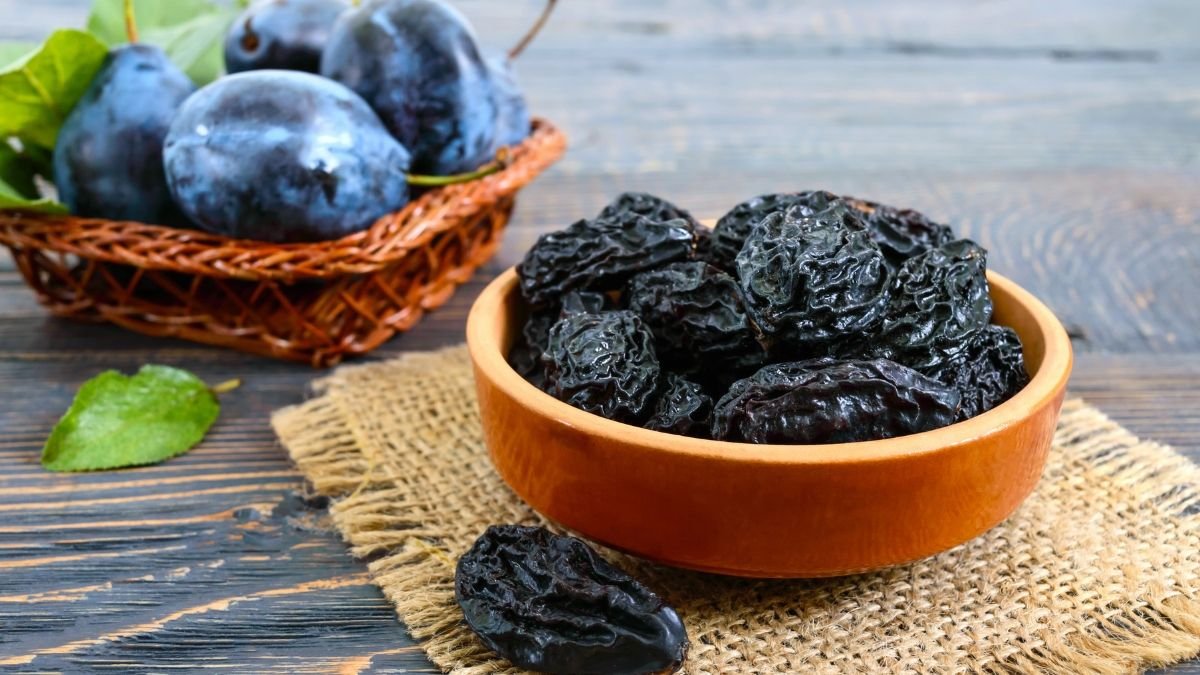
An earlier year long trial from Florida State University compared 100 grams of prunes with 100 grams of dried apples in postmenopausal women. The prune group had higher bone density in the forearm and spine.
Prunes appear to work on the breakdown side of the cycle. They seem to slow bone resorption and may lower inflammatory signals that speed bone loss.
One caution on the evidence. Some of this research received funding or product from prune industry groups, so treat the results as promising, not final.
Try it: Eat 5 to 6 prunes a day, split between breakfast and an afternoon snack. If your digestion is sensitive, start with 2 or 3, because prunes have a well known laxative effect.
Everyone’s body responds differently, so check with your doctor before adding a daily food for bone health if you have diabetes, digestive problems, or take medication.
2. Dark Leafy Greens: The Vitamin K Advantage
Calcium gets the headlines, but vitamin K1 may be the quiet hero. Australian researchers followed about 1,400 older women for roughly 14 years. Women who ate more than 100 micrograms of vitamin K1 a day were 31% less likely to be hospitalized for any fracture than women who ate under 60 micrograms.
For hip fractures, the drop was 49%.
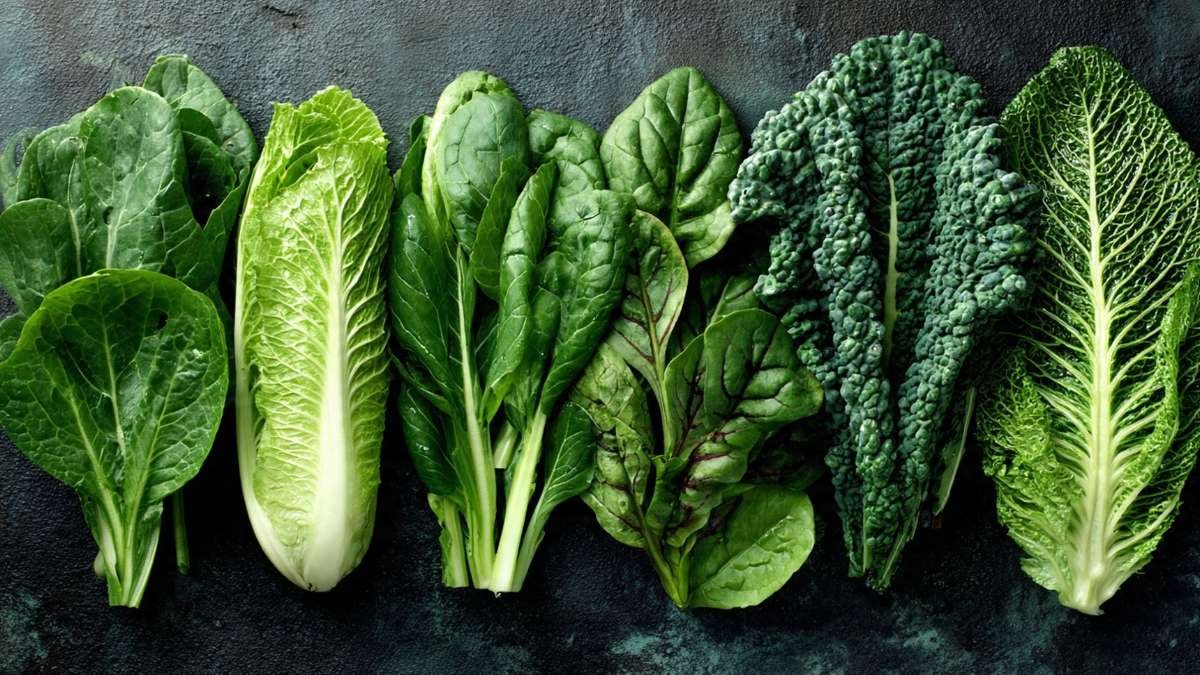
That amount equals about 125 grams of dark leafy greens, or one to two servings. The results held even after the researchers accounted for calcium intake, vitamin D status, and body weight.
This was an observational study, so it shows a strong link, not proof of cause. Still, the biology fits. Vitamin K1 helps activate osteocalcin, a bone protein believed to improve bone toughness.
A separate 4 week trial found that eating about 200 grams of vitamin K rich greens a day improved markers of vitamin K status in middle aged and older adults.
Try it: Eat a cup of cooked kale, collards, or bok choy once or twice a day, and add a drizzle of olive oil, because vitamin K is fat soluble. Spinach is high in vitamin K but also high in oxalate, which holds on to calcium, so lean on kale and bok choy when calcium is the goal.
If you take warfarin or another blood thinner, keep your greens intake steady and talk to your doctor first. Vitamin K affects how those drugs work.
3. Plain Yogurt: Calcium With Backup
Yogurt is the only dairy food on this list, and it earned its spot. A large Irish study followed 4,310 adults over age 60. Women with the highest yogurt intake had hip and femoral neck bone density that was 3.1% to 3.9% higher than women with the lowest intake.
In the same study, each step up in yogurt intake was linked to a 31% lower chance of osteopenia and a 39% lower chance of osteoporosis in women. In men, the osteoporosis figure was 52% lower.
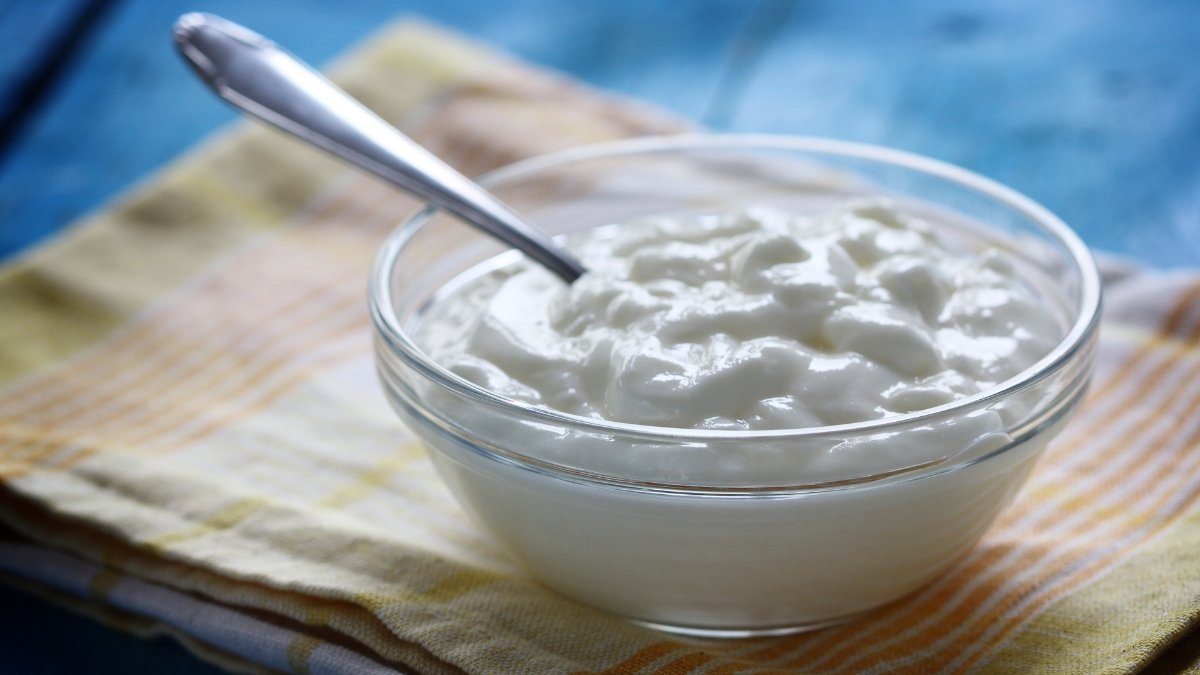
The Framingham Offspring Study, which followed people for 12 years, also tied yogurt to higher hip bone density and a weak protective effect against hip fracture.
Again, these studies are observational, and the Irish study was partly funded by a dairy council. Even its lead author said the findings need confirmation. Yogurt delivers calcium, protein, and phosphorus together, which is a combination that suits bone.
Try it: Have one cup of plain, unsweetened yogurt a day. Plain low fat yogurt provides about 415 mg of calcium per 8 ounces, but check the label, because strained Greek styles often carry less calcium per cup. If you avoid lactose, choose a lactose free or calcium fortified option.
4. Canned Sardines With Bones: The Calcium and Vitamin D Pair
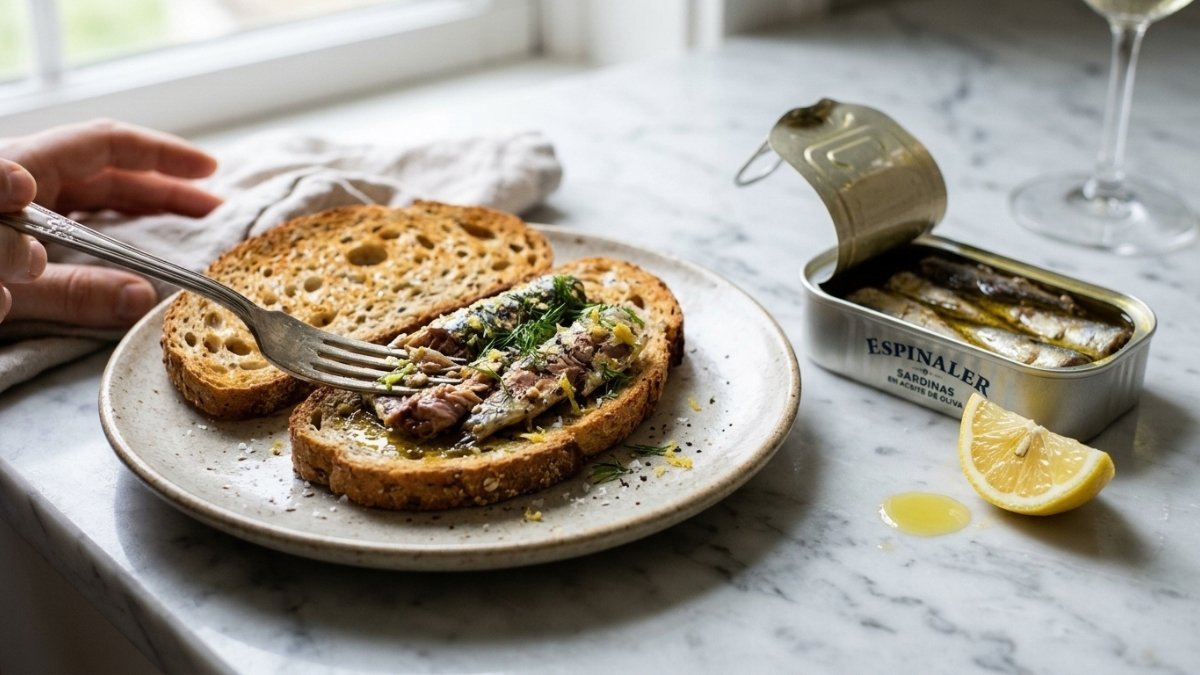
Few foods deliver calcium and vitamin D in the same bite. A 3 ounce serving of canned Atlantic sardines with bones provides about 351 mg of calcium and 4.4 micrograms of vitamin D, according to Cleveland Clinic.
That is more calcium than a cup of milk. Canned sockeye salmon with the bones in comes close, at about 239 mg per 3 ounces.
The bones are safe to eat. The heat and pressure of canning soften them until they mash easily, and that is where most of the calcium lives.
Vitamin D matters because it helps your gut absorb calcium. Without enough of it, even a calcium rich meal does less for your bones.
Sardines also bring omega 3 fats and protein. Watch the sodium, though, since a high sodium diet can increase calcium loss through urine.
Try it: Eat one can two or three times a week. Mash it onto whole grain toast with lemon, or fold it into a salad. Pick versions packed in water or olive oil, and look for lower sodium labels.
5. Calcium Set Tofu: The Dairy Free Option
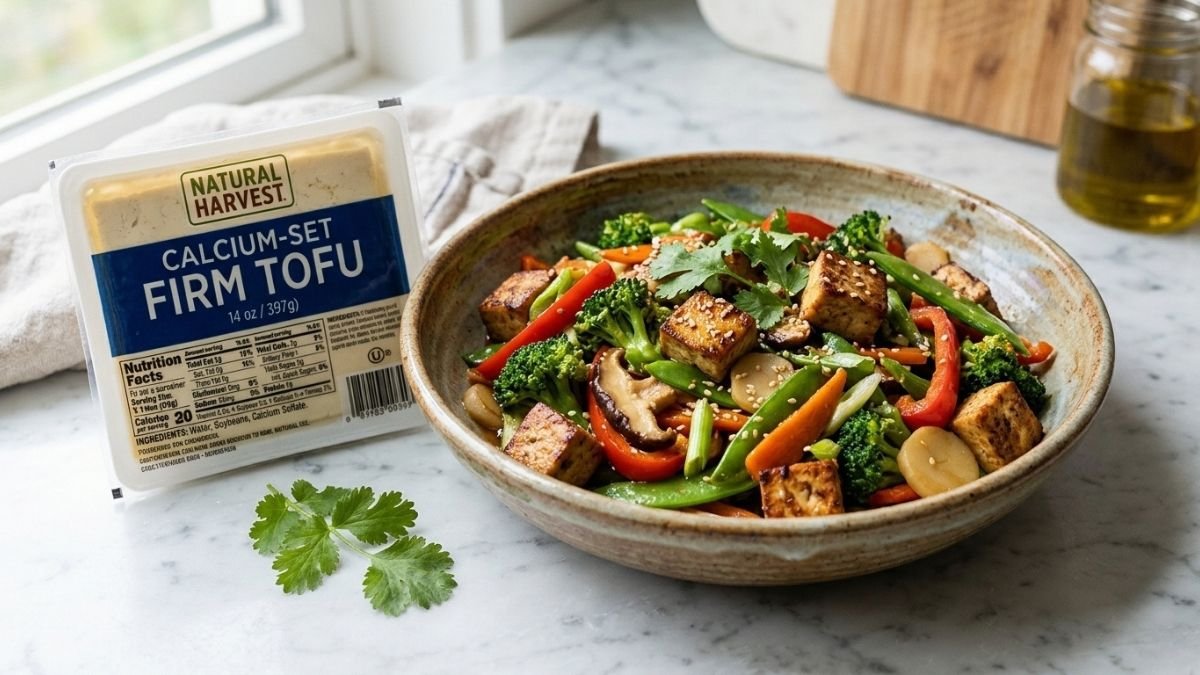
Tofu made with calcium sulfate is one of the richest nondairy calcium sources there is. A 3 ounce serving provides about 204 mg. Tofu made without a calcium salt gives you far less, so the label matters.
Soy also contains isoflavones, plant compounds with a structure similar to estrogen. About 100 grams of tofu holds roughly 35 mg of them.
The isoflavone research is mixed, and it is worth being honest about that. A 6 month trial in about 200 women in early menopause found lower blood markers of bone breakdown with 66 mg of isoflavones a day. A 9 month trial in 65 women found no change in spine or hip density.
That makes the calcium the dependable part of tofu, and the isoflavones a possible bonus.
Try it: Eat 3 to 4 ounces of firm, calcium set tofu a few times a week. Crumble it into a scramble, cube it into a stir fry, or blend soft tofu into a smoothie.
Quick Reference: Your Five Bone Foods
Bone-Support Food Matrix
Targeted dietary sources providing essential minerals, vitamins, and bioactive compounds to protect density and lower fracture risks.
Plant compounds that appear to slow bone breakdown
Protecting hip density after menopause
Vitamin K1
Lowering fracture risk
~415 mg calcium per 8 oz, plus dietary protein
Daily calcium base
351 mg calcium, 4.4 mcg Vitamin D
Calcium plus absorption help
204 mg calcium
Dairy free diets
How To Build a Bone Friendly Day
You do not need to eat all five every day. A simple pattern works.
Plain yogurt at breakfast gives you about 415 mg of calcium. A sardine lunch adds about 351 mg, and tofu at dinner adds about 204 mg. That is roughly 970 mg from three foods, before you count the greens and prunes.
Spreading calcium across the day also matches how your body absorbs it. Smaller amounts at each meal work better than one big dose.
These numbers are general guides, and your own needs depend on your age, kidney health, medications, and bone scan results. Talk with your doctor before changing how much calcium you take.
Try This Today
- Add one cup of plain yogurt or a can of sardines to today’s menu.
- Put a handful of prunes next to your coffee or tea.
- Cook one cup of kale or bok choy with olive oil at dinner.
- Check your tofu label for calcium sulfate before you buy it.
Questions Readers Ask Next
Should I stop my calcium pills? Not on your own. If your doctor prescribed them, or your diet falls well short, they may still be right for you. If you do take them, calcium carbonate works best with a meal, and calcium citrate may be easier on people with a history of kidney stones.
How long until food changes show up? Bone changes slowly. The prune trial ran for a full 12 months before showing its effect, so think in months, not weeks.
What else protects bone? Weight bearing exercise, enough protein, not smoking, and limiting alcohol all matter. Your doctor can also check your vitamin D level.
Red Flags: Call Your Doctor Soon If You Notice
- A broken bone from a minor fall or bump
- Sudden, severe back pain, especially after lifting or bending
- Noticeable loss of height or a stooped posture
- Sharp pain in your side or blood in your urine while taking calcium pills
The Bottom Line on Bone Density,
Calcium pills and calcium rich foods produce similar small gains in bone density. The difference is everything else food brings with it, from prunes that slow bone breakdown to greens that supply vitamin K to sardines that pair calcium with vitamin D.

Start with one food from the list this week. Add another next week.
This article is for informational purposes only and is not a substitute for professional medical advice, diagnosis, or treatment. Always consult your doctor or a qualified healthcare provider before making changes to your diet, exercise routine, or medications, especially if you have an existing health condition.