Fitness After 50: The ‘Breaking’ Routine That’s Quietly Going Viral in Every Gym
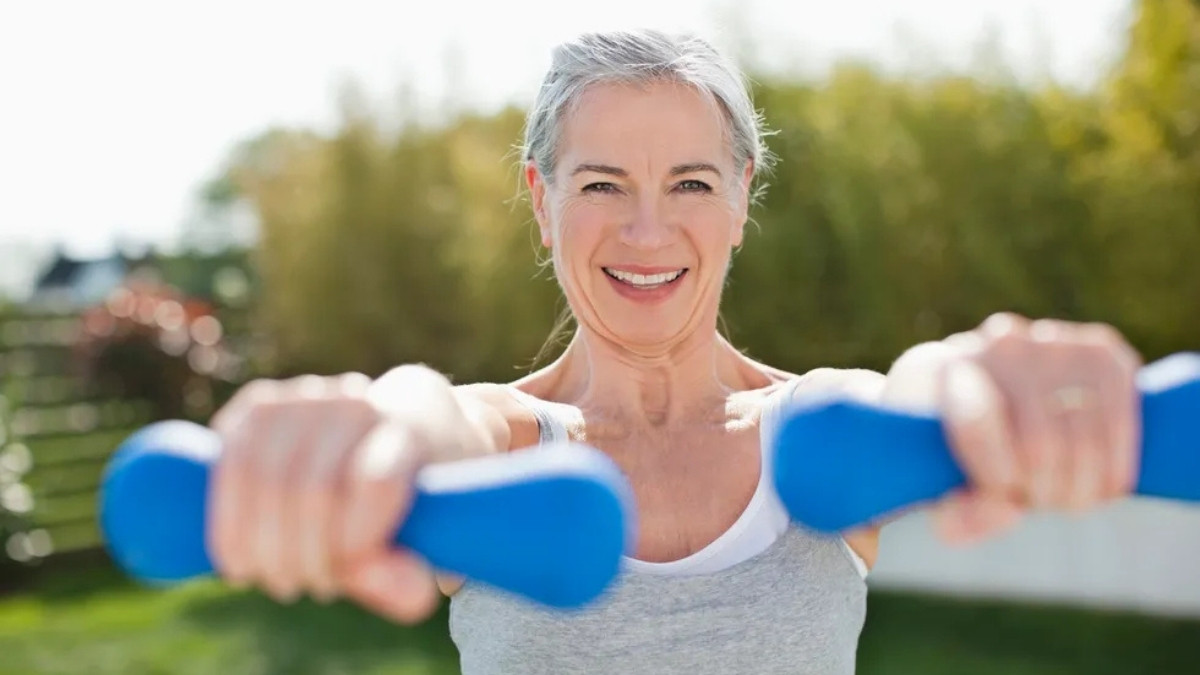
Adults over 65 now visit gyms more than any other age group. This is a complete flip from ten years ago.
After you turn 50, your body loses 1-2% of muscle mass every year. Your strength drops even faster—3% per year after 60. This muscle loss is called sarcopenia. It affects 10-20% of older adults. Simple tasks like climbing stairs or carrying groceries become hard.
But here’s the good news. You can reverse this.
This article shows you how to rebuild muscle after 50. You’ll learn the exact exercises that work. You’ll see why this approach became the #2 fitness trend of 2026. And you’ll get a plan you can start today.
The Breaking Routine
This article is structured into 8 points—read them one by one to explore the “Breaking” routine that’s quietly going viral in gyms and transforming fitness after 50.
Point One: The Science Behind Why Fitness After 50 Actually Works

Something changed in 2025. Fitness programs for older adults hit #2 on the American College of Sports Medicine’s trend list. That’s the highest ranking ever.
Why? Because 73 million baby boomers are demanding real solutions. They’re not accepting “you’re too old” anymore.
Here’s what the research shows. Your muscle mass drops 1-2% each year after 50. Strength falls 1.5% between ages 50-60, then 3% after that. About 5-13% of people ages 60-70 have sarcopenia. That number jumps to 11-50% for people over 80.
But boomers are fighting back. They strength train 37% more than Gen Z on smart gym equipment.
The shift happened when programs stopped using words like “senior fitness.” They started saying “functional training” and “active aging” instead. People responded.
Your body loses 3-5% of muscle mass each decade starting at age 30. But you can slow this down and even reverse it.
Point Two: The Hidden Muscle Loss Stealing Your Strength After 50
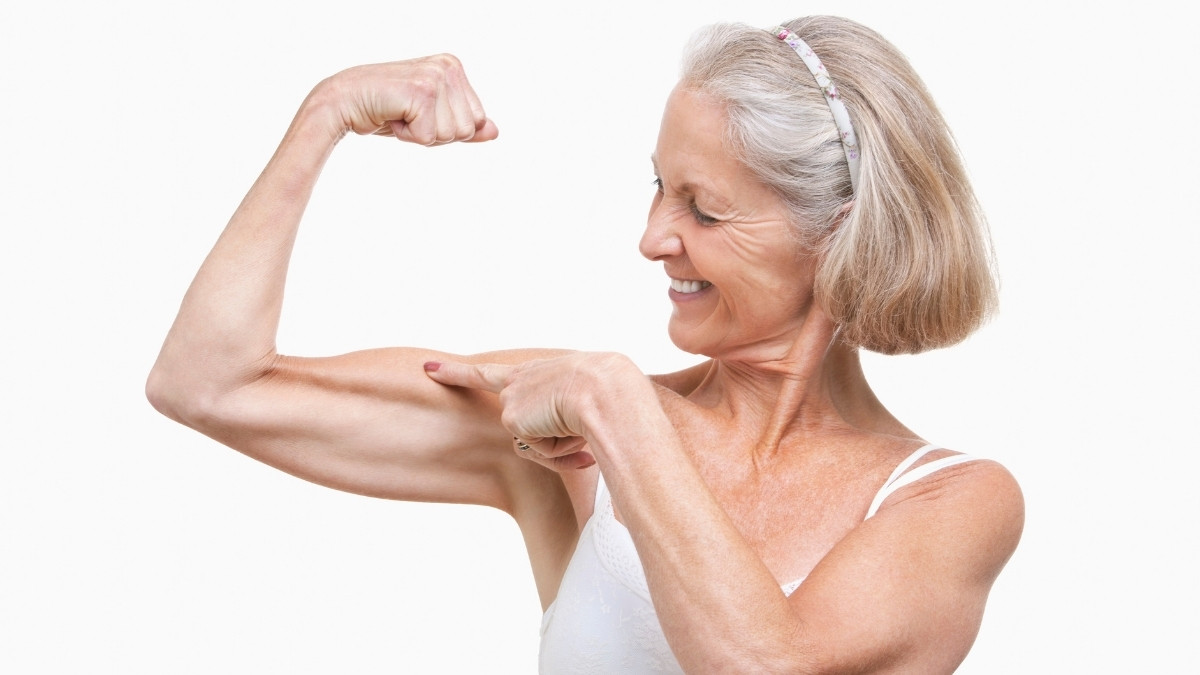
Sarcopenia is the slow loss of muscle mass and strength as you age. It’s not just about looking weaker. It changes your life.
Between 25-45% of U.S. seniors have it. When your body loses muscle, it replaces it with fat. You might weigh the same but feel completely different.
Watch for these red flags. You struggle with tasks that used to be easy. You walk slower. Stairs feel harder. Opening jars takes effort. Getting up from a chair requires extra push.
The SARC-F test checks five things: your strength, if you need help walking, rising from chairs, climbing stairs, and how often you fall. A handgrip test measures overall muscle strength.
Sarcopenia raises your risk of falls, broken hips, and losing your independence. But here’s what matters most: this isn’t automatic. You can prevent it. You can reverse it. The solution is simpler than you think.
Point Three: Why Strength Training Over 50 Beats Cardio for Muscle Preservation
Strength training is the only proven way to slow sarcopenia. Not stretching. Not cardio. Lifting weights.
Start with bodyweight moves. Squats. Push-ups. Planks. Do these 2-3 times per week in short sessions. As you get stronger, add dumbbells.
Pick 5-6 exercises. Do them consistently. Track every workout—write down your reps and weights. You’ll see progress faster than you expect.
A balanced routine needs four parts: strength training, cardio, flexibility, and balance work. Aim for 150 minutes of moderate cardio weekly, plus strength training 2-3 days.
Skip the traditional deadlift. It’s risky for older backs. Try leg presses, shrugs, or back extensions instead.
Progressive overload means gradually doing more. Add one rep. Use slightly heavier weights. Take one less rest day. Small increases add up to big changes.
Your muscles respond to resistance at any age. They don’t know you’re 50, 60, or 70.
Point Four: Functional Fitness Moves That Transfer to Real Life
Forget complicated workout splits. Your body moves in eight basic patterns: squat, hinge, push, pull, carry, rotate, lunge, and anti-movement.
These movements show up in daily life. Squats help you sit and stand. Hinges let you pick things up. Pushes open doors. Pulls bring groceries close. Carries strengthen your grip and core.
Start with modifications. For squats, sit into a chair and stand up. That’s it. For pushes, do wall push-ups before floor push-ups. For pulls, use resistance bands for rows.
Farmer’s walks are simple but powerful. Hold weights and walk. This builds grip strength, core stability, and balance.
Mix these patterns throughout your week. Monday: squat and push. Wednesday: hinge and pull. Friday: carries and rotation.
Compound movements work multiple muscles at once. They improve balance and coordination. They save time. And they match how your body actually moves in real life.
Point Five: Why You Need More Protein After 50 Than You Think
Your muscles need protein to rebuild. After 50, you need more than you think.
Experts recommend eating at least 1.2 grams of protein for every 2 pounds of body weight. If you weigh 150 pounds, that’s about 90 grams daily. Spread this across all meals.
Good protein sources: lean meats, eggs, Greek yogurt, beans, and fish. Don’t rely on one big protein meal. Your body uses protein better when you eat it throughout the day.
Helpful supplements include amino acids, fish oil, vitamin D, selenium, magnesium, and omega-3 fatty acids. But food comes first.
Your metabolism slows when you lose muscle. Proper nutrition prevents unwanted weight gain. Use tools like the GymNation Nutrition Calculator to set your targets.
Drink water with every meal. Your thirst signals get weaker as you age. You can be dehydrated without feeling thirsty.
Build meals around protein. Add vegetables and whole grains. Keep it simple.
Point Six: Why Rest Days Matter More After 50
More isn’t better after 50. Smarter is better.
Recovery is now a planned part of fitness programs. People schedule it like appointments. Some gyms offer recovery membership tiers with massage guns, foam rollers, and cold therapy.
Your body needs 48-72 hours to rebuild major muscle groups. When you’re sore, that’s muscle damage. The repair happens during rest, not during workouts.
Joint stiffness is common. But proper exercise and mobility work improve flexibility. Move through your full range of motion regularly.
Sleep is critical. Your muscles repair during sleep. Growth hormone releases at night. Poor sleep kills progress.
One example: Esther kept training through a back injury. She didn’t quit. She adjusted. She did what she could. That’s the right approach.
Active recovery helps. Walk. Do gentle yoga. Try tai chi. Movement without stress speeds healing.
Listen to your body. Pain isn’t normal. Discomfort during exercise means stop and check with a professional.
Point Seven: 5 Training Errors That Sabotage Progress After 50
Mistake 1: Too much cardio, not enough strength. Cardio matters. But 20-30 minutes, 3-4 times weekly is enough. Long cardio sessions burn calories you need for muscle building.
Mistake 2: Skipping warm-ups. Edna Giordano is 92. She walks on the treadmill before every strength session. If she warms up, you should too.
Mistake 3: Comparing yourself to your younger self. You’re not competing with 25-year-old you. Focus on repeatable progress, not maximum fatigue.
Mistake 4: Ignoring pain. Discomfort isn’t normal. Pain is a warning. Stop and get help.
Mistake 5: Not tracking progress. Strength training works best when you track it. Write down what you do. You can’t improve what you don’t measure.
Retire risky exercises. Traditional deadlifts can hurt older backs. Find safer options.
Watch for warning signs. Excessive soreness. Sharp pains. Dizziness. These mean something’s wrong.
12-Week Protocol
Focus: Form & Foundation.
Sample: Squats, Push-ups, Plank, Lunges.
Focus: Volume.
Action: Increase reps by 2-3 weekly.
Focus: Intensity & New Patterns.
Result: Real muscle accrual.
- Plank duration?
- Squat count?
- Injury status?
Final Words,
Fitness after 50 isn’t about fighting age. It’s about working with your body.
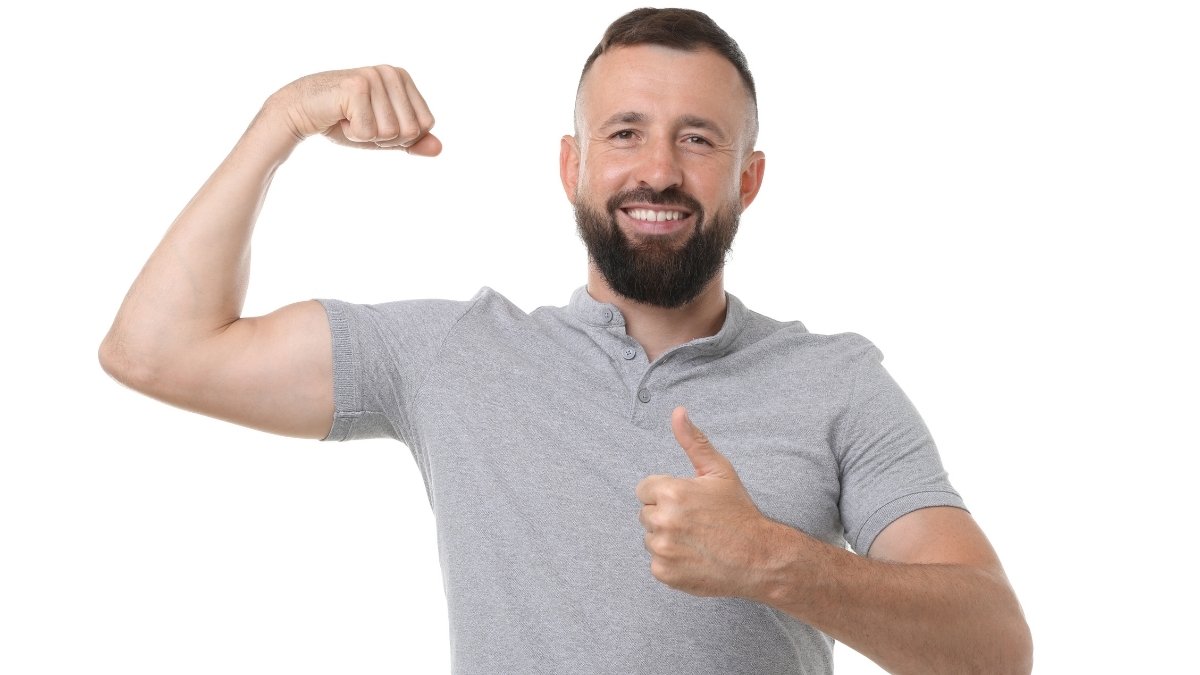
The facts are clear: strength training 2-3 times weekly, 1.2g protein per 2 pounds of body weight, and proper recovery reverse muscle loss.
Start with one bodyweight exercise today. Track it. Join millions breaking barriers.