

You will die. But when and how? That part is more in your control than you think.
Science has tracked hundreds of thousands of people for decades. Researchers found the five communities where people routinely live past 100. They identified exactly what separates a 68-year life from a 90-year one.
It is not genetics. It is not money. It is your daily habits.
Most people eat poorly, sleep too little, and feel disconnected from others. They know something is wrong but never act because the advice feels too vague or too hard.
This article is different. You will get five proven habits, one week of specific daily actions, and real data behind every point. No expensive supplements. No clinic visits. Just a clear plan you can start tonight.
Why Most People Die Earlier Than They Should
The average person loses around 10 years of their life to preventable causes. Not accidents. Not bad luck. Daily habits.
Smoking kills around 7 million people every year and cuts life expectancy by about 10 years. Many people still treat quitting as something they will do “someday.”
Poor sleep is just as dangerous. Sleeping less than 6 hours a night raises your risk of heart disease, diabetes, and obesity. Most people in cities are under-sleeping and do not even know it.
Here is the one that shocks most people. Research from Brigham Young University found that loneliness and social isolation are as deadly as smoking 15 cigarettes a day. The risk to your life from feeling alone is higher than the risk from obesity.
None of these are death sentences. Every single one is changeable. That is the whole point. You are not reading a list of things to fear. You are reading a list of things you can fix.
What the World’s Longest-Lived People Actually Do
There are five places on Earth where people regularly live past 100. Okinawa in Japan. Sardinia in Italy. Nicoya in Costa Rica. Ikaria in Greece. And Loma Linda in California.
Researcher Dan Buettner studied these communities for years and identified nine shared habits. He called them the Power 9.
These people do not go to gyms. They move naturally — walking, gardening, farming. In Sardinia, long life was directly linked to walking hilly terrain and raising animals daily.
In Okinawa, people say “hara hachi bu” before every meal. It means eat until you are 80% full. This simple habit keeps them eating 10–15% fewer calories than their body technically needs. No diet plan required.
In Loma Linda, California, Seventh-day Adventists live about 10 years longer than the average American. Their secret? A plant-based diet, no alcohol or tobacco, regular rest, and strong community bonds.
These are not extreme people. They are ordinary people with ordinary habits done consistently.
The Five-Pillar
Longevity Plan You Can Start Today
Pillar 1 — Move Every Day, Not Intensely

You do not need a gym. You need movement.
A study of over 600,000 people found that 150 minutes of moderate movement per week — walking, cycling, swimming — reduced the risk of early death by 20%. That is 21 minutes a day.
Research on Blue Zone centenarians found that 81% of their daily activity is moderate intensity. They walk. They garden. They climb stairs. They never stop moving — even in their 80s and 90s.
Your action: Walk for 20 minutes after dinner tonight. Take the stairs tomorrow. Park further from the entrance. Do not overthink it. Start small and keep going.
Pillar 2 — Eat Less, Eat Whole, Eat Earlier

Processed food is slowly killing you. A diet heavy in processed food raises your risk of early death by 14%. It is high in bad fats and sugar and low in everything your body needs.
Caloric restriction — eating a little less while staying nourished — has been shown to extend lifespan in every species studied, from yeast to primates. Less food means less oxidative damage, better insulin sensitivity, and less inflammation.
You do not need to count calories. Use the hara hachi bu rule. Eat until you feel 80% full, then stop. Eat your last meal before 7 p.m. Add one vegetable to every meal this week.
Your action: Tonight at dinner, put slightly less on your plate. Stop before you feel stuffed. That one change, done daily, adds up to real years.
Pillar 3 — Sleep Like Your Life Depends on It
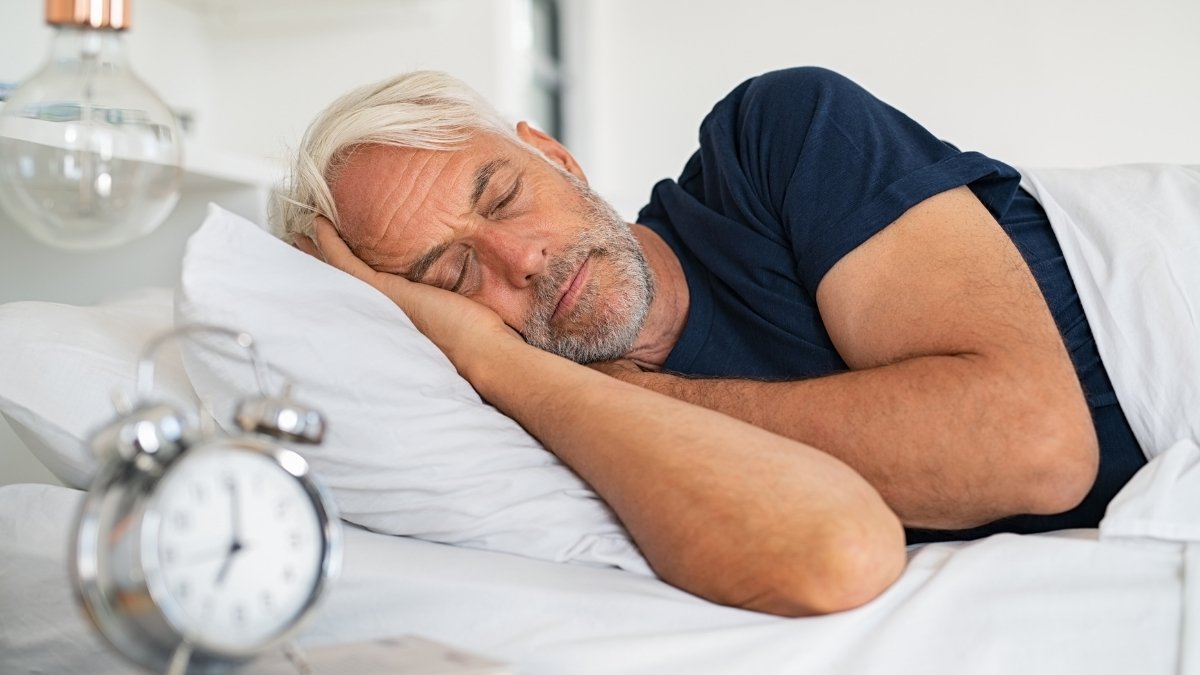
It does.
A January 2026 study published in The Lancet tracked 59,078 adults. Researchers found that adding just 24 extra minutes of sleep per night, combined with small changes to exercise and diet, was linked to four extra years of life.
Four years. From sleeping a little longer.
Poor sleep raises your risk of heart disease, diabetes, and early death. It also makes you more likely to eat badly, skip movement, and feel isolated. Sleep is the foundation everything else is built on.
Your action: Set a fixed bedtime tonight. Keep your room cool and dark. Put your phone in another room. Aim for 7–8 hours. Do this for seven days straight and notice how different you feel.
Pillar 4 — Build Real Social Connections

This is the pillar most people ignore.
A UK Biobank study of nearly 399,000 people found that social isolation was a bigger predictor of early death than depression, anxiety, and most lifestyle risk factors combined.
Okinawans have a tradition called “moai.” It is a small group of close friends who meet regularly and support each other throughout life. Many Okinawans say their moai is a major reason they feel alive and well into old age.
You do not need a moai. You need one real conversation per week.
Your action: Call someone you care about this week. Not a text. A real call or a face-to-face meeting. Join one group — a walking club, faith community, or hobby class. Show up consistently.
Pillar 5 — Find Your Reason to Get Up

People who feel their life has purpose live longer. This is not motivation talk. It is clinical data.
A seven-year study followed 3,000 people aged 40–80. Those who lacked a sense of purpose had significantly higher rates of death from heart disease. This held even after accounting for smoking, alcohol use, and blood pressure.
The Japanese call this ikigai — your reason for being. A December 2025 review in the journal Age and Ageing confirmed ikigai as a key factor in healthy aging, backed by 266 studies over 10 years. Japan has even written it into national health policy.
Your action: Write down three things that made you feel alive last week. What role can you play — mentor, creator, caregiver, volunteer — that gives your day meaning beyond work and bills?
What You Should Stop Doing Right Now

Before you add good habits, remove the ones working against you.
Stop eating processed food as a daily staple. It raises your early death risk by 14% and gives your body almost nothing useful in return.
Stop treating stress as normal. Chronic stress raises blood pressure, breaks down your immune system, and increases inflammation throughout your body. Northwestern Medicine’s Human Longevity Clinic recommends daily breathing practice and gratitude as front-line longevity tools — not optional extras.
Stop sitting for 8+ hours without a break. Long periods of uninterrupted sitting accelerate biological aging even if you exercise at night.
Stop blaming your genes. Research from 2025 confirmed that aging is driven by multiple biological mechanisms — inflammation, metabolism, cell damage — and lifestyle changes affect all of them. Your choices matter more than your DNA.
Stop waiting for the “right time.” It does not exist.
Your Week-One Action Plan (7 Days, One Step at a Time)

You do not need a full lifestyle overhaul. You need to start.
Research confirms that improving sleep, movement, and diet at the same time — even slightly — gives you the strongest combined benefit. You do not need perfection. You need all three moving forward together.
Here is your first week:
- Day 1: Go to bed 20 minutes earlier. No screens 45 minutes before sleep.
- Day 2: Walk 20 minutes after your largest meal. Leave your phone behind.
- Day 3: Eat one full meal with no processed food. Cook real ingredients.
- Day 4: Call or visit someone you care about. Have a real conversation.
- Day 5: Write down your ikigai. What gives your day meaning beyond work?
- Day 6: Replace one snack with nuts, fruit, or seeds. Eat dinner at 80% full.
- Day 7: Sit quietly for 10 minutes. Breathe slowly. Decide to do Week 2.
Free tools to help you: Cronometer for food tracking. Google Fit or Apple Health for movement. Insight Timer for guided breathing. All free. All on your phone right now.
What Longevity Science Is Doing Right Now in 2026

The good habits in this article are the foundation. Science is now building on top of them.
In 2026, senolytic therapies — drugs that clear out old, damaged “zombie” cells — have shown clinical results. Mayo Clinic trials reported a 40–60% drop in inflammation markers. Unity Biotechnology saw improved mobility in elderly patients.
Ongoing human trials at ClinicalTrials.gov are testing Urolithin A, Fisetin, and GLP-1 agonists for their effect on aging and physical health.
Biological age tests like TruAge and GlycanAge now let you measure your real age at the cellular level — not just your birthday. These tools are becoming more affordable and widely used in 2026.
But here is the honest truth. Most of these treatments still cost $500–$2,000 per month. They are not widely available yet. And they will work far better on a body that already sleeps well, moves daily, and eats real food.
The habits in this article are not a backup plan. They are the plan.
Final Words,

Death is coming. A shorter, sicker version of your life is not.
The five pillars — movement, food, sleep, connection, and purpose — are free, proven, and available right now. Pick one habit from this article. Do it before midnight tonight. Not tomorrow. Tonight.
Your life is not waiting. Neither should you.
Please Read Our
Medical Disclaimer
Savvy Hipster is for informational purposes only and is not a substitute for professional medical advice, diagnosis, or treatment. Always consult a qualified healthcare professional before making any changes to your diet, exercise, or supplement routine.
Health results vary individually, and you should stop immediately and seek medical help if any unusual symptoms occur. By using this website, you take responsibility for your own health decisions.