
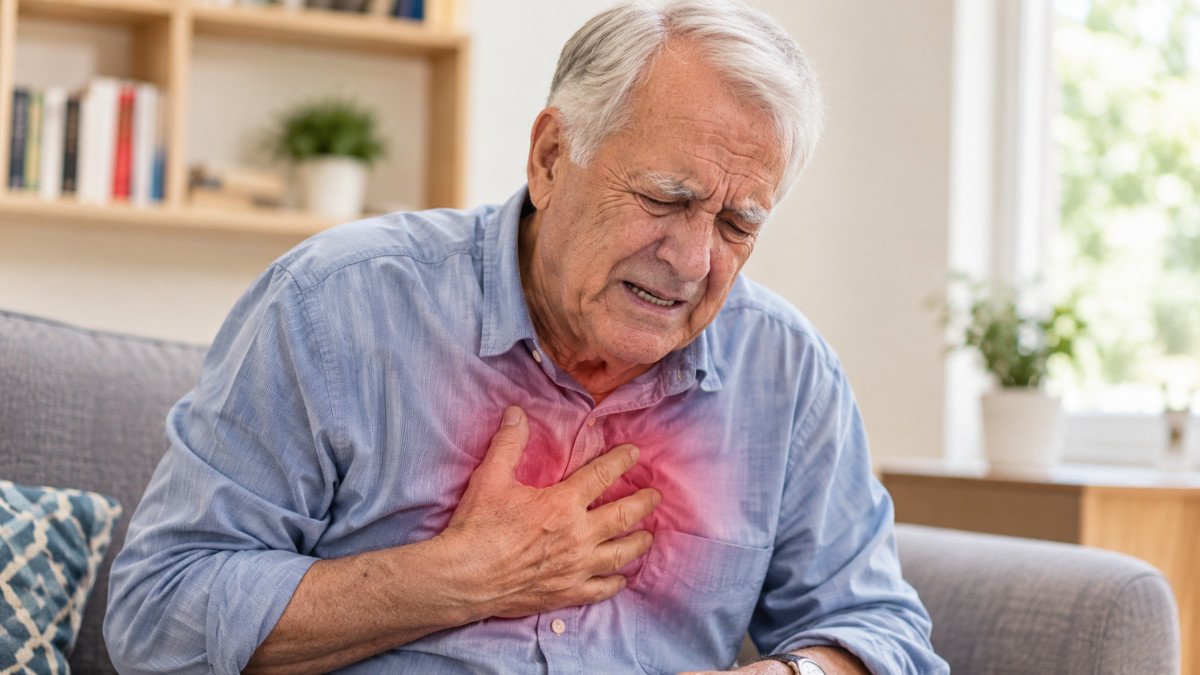
If you want to avoid cardiac arrest after 50, do not wait for a dramatic warning. It often strikes people with no known heart disease. Each year in the United States, more than 356,000 people have a cardiac arrest outside a hospital, and an estimated 60% to 80% of them die before they arrive.
Turns out the biggest risks are not exotic. They are five everyday habits that quietly stack the odds against you, and most can be changed starting this week. One happens while you sleep, and another gets worse the longer you sit still.
Below, you will find what major studies show about each habit, what to do instead, and which warning signs deserve a 911 call instead of a wait and see approach. Some of the fixes are quick, and none require a gym membership or a perfect diet. Read on for the details.
Before making any changes based on this article, talk to your doctor, especially if you take medication or have a diagnosed heart condition.
Cardiac Arrest vs. Heart Attack: The Difference That Matters
People use the two terms as if they mean the same thing. They don’t, and the difference changes what you do in the first minute.
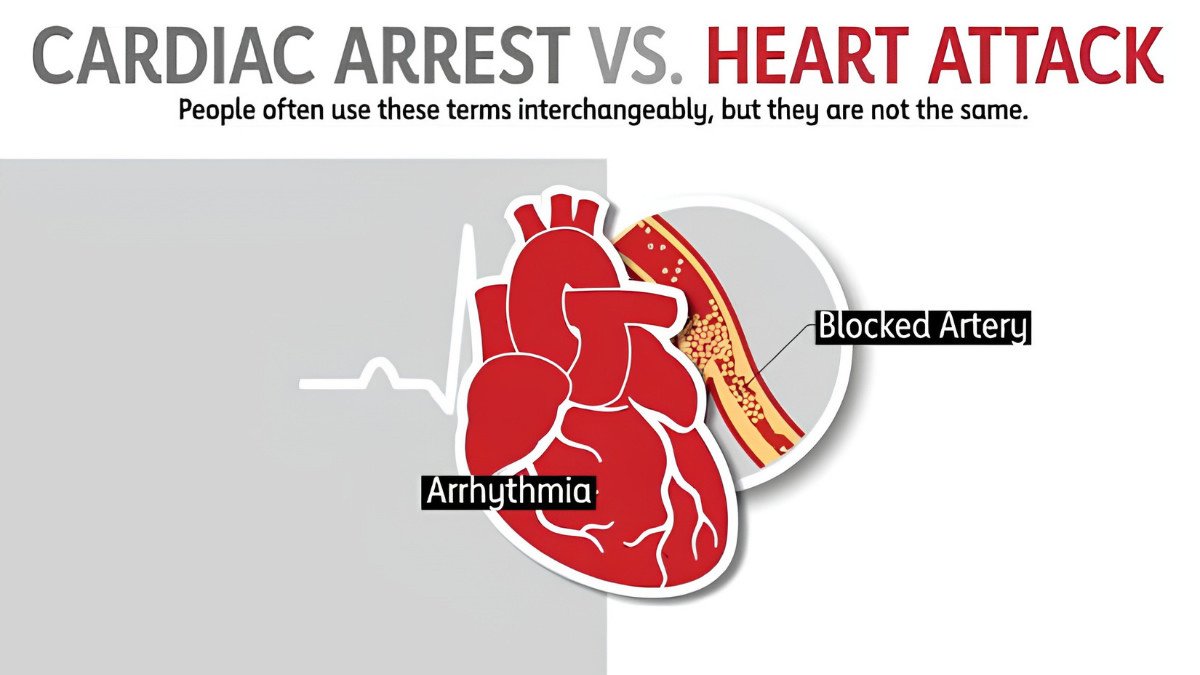
They are connected, though. Coronary artery disease is the most common underlying cause of cardiac arrest, and the National Heart, Lung, and Blood Institute notes that many people who have one had a silent, undiagnosed heart attack beforehand.
Cardiac Arrest vs. Heart Attack
Side-by-side clinical comparison of underlying causes, physical signs, vital status, and emergency interventions.
Electrical rhythm failure
Blocked blood flow
Stops pumping effectively
Keeps beating
Collapses, unresponsive
Usually awake, can talk
Absent
Present
Shock from a defibrillator
Reopening the blocked artery
Because the two are linked, many of the habits below show up in both stories.
Why 50 Changes the Math
The CDC counts more than 356,000 cardiac arrests outside hospitals each year in the United States, and about 60% to 80% of those people die before reaching one. It lists older adults and men among those at highest risk.

A 2016 analysis of the Framingham Heart Study put numbers on that. At age 55, the estimated lifetime risk of sudden cardiac death was 11.2% for men and 3.4% for women, roughly 1 in 9 and 1 in 30. Because every participant in that study was white, the exact numbers may not apply equally to every group.
The same analysis found that people with more risk factors in the unhealthy range faced higher lifetime risk. The encouraging part is that most of those factors are largely changeable.
The 5 Things to Stop Doing (and What to Do Instead)
Each habit below comes with the research behind it and one specific move you can make this week.
1. Letting High Blood Pressure Slide
High blood pressure rarely announces itself, yet over the years it stiffens arteries and makes the heart work harder, which sets the stage for the plaque and rhythm problems behind cardiac arrest.
In the Framingham analysis, blood pressure level alone was linked to clearly different lifetime risks of sudden cardiac death.
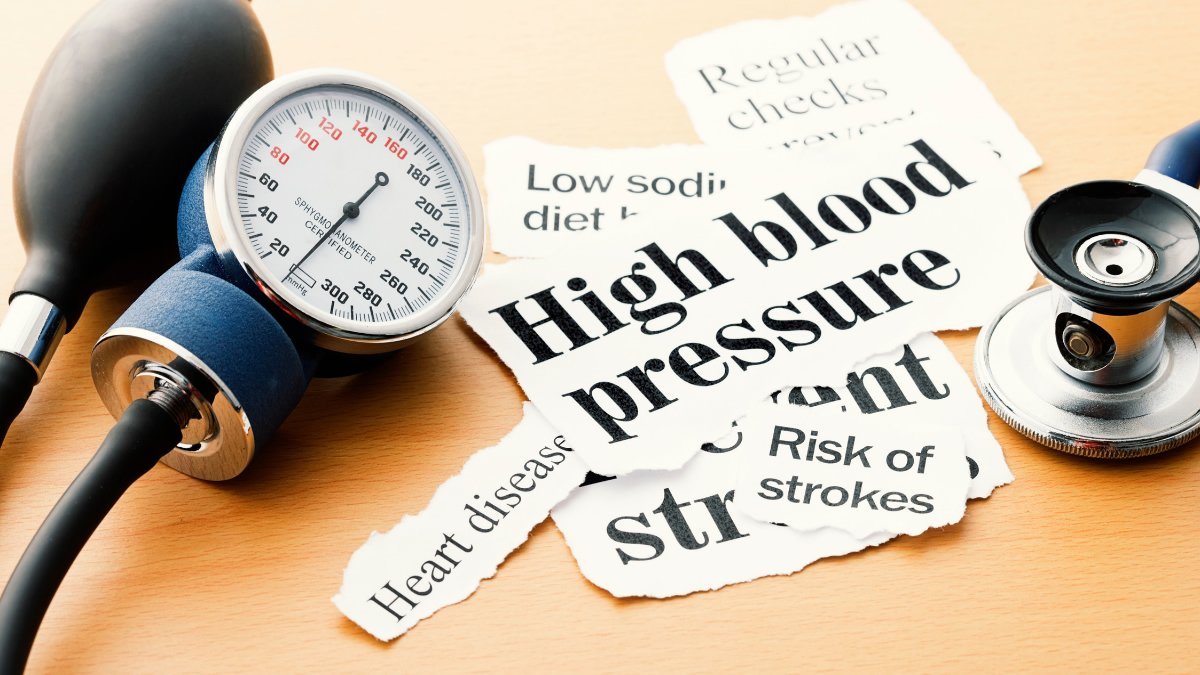
SPRINT, a 2015 randomized trial in the New England Journal of Medicine of 9,361 adults aged 50 and older, found that aiming for a top number below 120 instead of below 140 cut major cardiovascular events by 25% and deaths from any cause by 27%, though fainting and kidney or electrolyte problems were more common.
Buy a validated home cuff, log your readings, and use the cheat sheet near the end of this article to read them, since the 2025 AHA and ACC guideline recommends home monitoring for anyone diagnosed with high blood pressure.
2. Smoking, Even a Few Cigarettes a Day
A 2018 meta analysis of prospective studies in the European Journal of Epidemiology found that current smokers had about three times the risk of sudden cardiac death compared with people who never smoked, and former smokers still had a 38% higher risk, so quitting sooner matters.
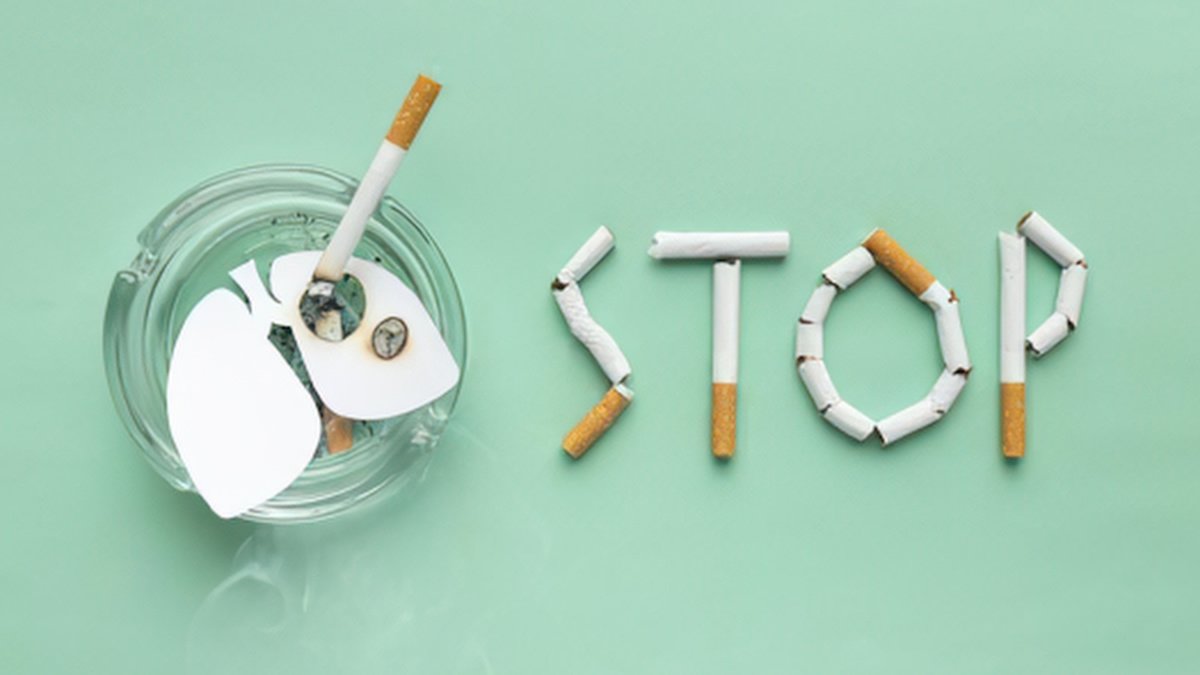
Smoke injures artery walls and promotes plaque, while nicotine may also set off dangerous heart rhythms.
Light smoking does not get a pass. In a 2012 analysis of the Nurses’ Health Study covering more than 100,000 women, smoking 1 to 14 cigarettes a day was tied to nearly double the risk, and every five years of smoking added about 8%.
If you smoke, ask your doctor about nicotine replacement or prescription quit medicines, and add free quitline counseling, since those options can make quitting easier than going it alone.
3. Sitting All Day, Then Going Hard
In a 2024 study in the Journal of the American College of Cardiology, researchers tracked 89,530 UK Biobank adults (average age 62) who wore wrist accelerometers for a week.
They found that the risk of heart failure and cardiovascular death climbed sharply once sedentary time passed roughly 10.6 hours a day, compared with an average of 9.4 hours across the group.
Sudden bursts are the other trap. In a landmark 2000 Physicians’ Health Study analysis of 21,481 male doctors, the brief jump in sudden death risk during vigorous exertion was about 74 times higher for men who exercised less than once a week, versus about 11 times higher for men who exercised five or more times a week.
Regular activity improves the heart’s electrical stability, and the absolute risk per episode was tiny, about 1 in 1.51 million. Aim for at least 150 minutes of moderate activity a week, stand up and walk for a few minutes every hour, and ask your doctor before starting anything vigorous, such as shoveling heavy snow or a new running plan.
Everyone’s body responds differently, so check with your doctor before changing your exercise routine, especially if you have an existing condition or take medication.
4. Ignoring Loud Snoring and Daytime Exhaustion
Obstructive sleep apnea, where the airway repeatedly collapses during sleep, often goes undiagnosed, and its warning signs include loud snoring, gasping or choking at night, and drowsiness during the day. A 2005 New England Journal of Medicine study from Mayo Clinic found that 46% of the sudden cardiac deaths in people with sleep apnea happened between midnight and 6 a.m., versus 21% in people without it.
A 2013 cohort study of 10,701 adults in the Journal of the American College of Cardiology found that sleep apnea predicts sudden cardiac death, and the risk was highest in people whose overnight oxygen level dropped below 78%. Researchers point to low oxygen, higher nighttime blood pressure, and rhythm disturbances as the likely pathway.
Ask your sleeping partner whether you snore or stop breathing, then ask your doctor about a sleep study, because sleep apnea is treatable with options such as CPAP, weight loss, and sleep position changes.
5. Putting Off Cholesterol and Blood Sugar Checks
Coronary artery disease can build for years without a single symptom, which is why a cardiac arrest is sometimes the first sign of trouble. The Framingham analysis tracked four risk factors, and two of them, cholesterol and diabetes, are exactly the ones a simple blood test can catch.

High LDL cholesterol feeds plaque inside artery walls, and years of high blood sugar damage blood vessels, so heart muscle can end up scarred or starved of blood and electrically unstable.
Ask for a lipid panel and a blood sugar test at your next visit, then ask your doctor to estimate your 10 year cardiovascular risk, since the 2025 guideline now uses the PREVENT calculator for that estimate.
Can You Really Avoid Cardiac Arrest After 50? What the Research Supports
Here is the honest version. No habit change can guarantee you will avoid cardiac arrest.
What is well established: high blood pressure and smoking are strongly tied to higher sudden cardiac death risk, and SPRINT showed in a randomized trial that lowering blood pressure in adults 50 and older reduced cardiovascular events and deaths. But SPRINT counted heart attacks, strokes, and heart failure rather than cardiac arrest on its own, and it excluded people with diabetes or a prior stroke.
What is weaker: the findings on sitting, sleep apnea, and cholesterol come mostly from observational studies, which show links but cannot prove cause. Whether treating sleep apnea lowers cardiac arrest risk specifically is still an open question.
What is still unknown: why some people with none of these habits still have a cardiac arrest. Sudden cardiac death often strikes people with no earlier symptoms of heart disease, which is why family history and routine checkups matter.
Think of this list as stacking the odds in your favor, not buying a guarantee.
The Warning Signs Most People Talk Themselves Out Of
In the Oregon Sudden Unexpected Death Study, published in Annals of Internal Medicine in 2016, 51% of 839 adults aged 35 to 65 who had a sudden cardiac arrest reported warning symptoms in the four weeks before it. Only 19% of those people called emergency services.
Survival was 32% among those who called, compared with 6% among those who did not. That is an association, not proof, but it is a strong reason not to wait things out.
Red flags: call 911 right away if you notice any of these
- Chest pain, pressure, or tightness, even if it comes and goes
- New or unexplained shortness of breath (women in the study reported this more often than men did)
- Fainting or near fainting, or a racing, pounding heartbeat with lightheadedness
If Someone Collapses: The First Few Minutes
About 70% of cardiac arrests happen at home, according to the American Heart Association, so the person beside you may be the only help available. Fewer than half of people who have one outside a hospital get CPR from a bystander.
If someone collapses, is unresponsive, and is not breathing normally, call 911 first. Then push hard and fast in the center of the chest at 100 to 120 compressions per minute, and keep going until paramedics take over.
Send a second person for an AED, which can shock the heart back into a normal rhythm and talks you through each step. Experts say the biggest misconception is that you can hurt someone in cardiac arrest, and bystander CPR can double or triple the chance of survival.
Know Your Numbers: Blood Pressure Ranges at a Glance
These are the ranges used by the American Heart Association, and the 2025 AHA and ACC guideline kept the same criteria. The top number deserves extra attention after 50, because it tends to rise as large arteries stiffen and plaque builds, and the AHA says it tells you more about heart risk at this age.
Blood Pressure Categories & Action Steps
Reference thresholds for systolic (top) and diastolic (bottom) readings alongside typical clinical next steps.
Only a doctor can confirm a diagnosis, and one high reading is not a diagnosis. The AHA recommends having a normal reading rechecked once a year during regular healthcare visits.
Try This Today: 5 Small Moves for Your Heart
- Take your blood pressure twice, a minute apart, and write both numbers down.
- Walk for 10 minutes after one meal, then stand up and move once every hour.
- Look at your calendar and book the overdue checkup, including a lipid panel and blood sugar test.
- Ask whoever shares your bedroom whether you snore or stop breathing at night.
- Watch the 90 second Hands Only CPR video from the American Heart Association and save it to your phone.
The Bottom Line,
Cardiac arrest after 50 is not purely bad luck. Unchecked blood pressure, smoking, long sitting followed by sudden exertion, untreated sleep apnea, and skipped cholesterol and blood sugar tests all tilt the odds.

There is encouraging evidence on the other side. In a 2011 Nurses’ Health Study analysis in JAMA, women who followed all four low risk lifestyle habits, including not smoking and regular exercise, had a 92% lower risk of sudden cardiac death than women who followed none, though the study was observational and mostly included white female nurses.
You do not have to fix everything at once. Pick one habit, make one call, and start this week.
This article is for informational purposes only and is not a substitute for professional medical advice, diagnosis, or treatment. Always consult your doctor or a qualified healthcare provider before making changes to your diet, exercise routine, or medications, especially if you have an existing health condition.
Sources,
- Centers for Disease Control and Prevention, “About Cardiac Arrest”
- National Heart, Lung, and Blood Institute, sudden cardiac arrest risk factors
- 2025 AHA/ACC/AANP/AAPA/ABC/ACCP/ACPM/AGS/AMA/ASPC/NMA/PCNA/SGIM Guideline for the Prevention, Detection, Evaluation, and Management of High Blood Pressure in Adults (JACC and Circulation, August 2025)
- American Heart Association, “Understanding Blood Pressure Readings”
- SPRINT Research Group, “A Randomized Trial of Intensive versus Standard Blood-Pressure Control,” New England Journal of Medicine, 2015 (ClinicalTrials.gov NCT01206062)
- Bogle BM et al., “Lifetime Risk for Sudden Cardiac Death in the Community,” Journal of the American Heart Association, 2016 (DOI 10.1161/JAHA.115.002398)
- Chiuve SE et al., “Adherence to a low-risk, healthy lifestyle and risk of sudden cardiac death among women,” JAMA, 2011 (DOI 10.1001/jama.2011.907)
- Aune D et al., “Tobacco smoking and the risk of sudden cardiac death: a systematic review and meta-analysis of prospective studies,” European Journal of Epidemiology, 2018 (DOI 10.1007/s10654-017-0351-y)
- Sandhu RK et al., Nurses’ Health Study analysis of smoking and sudden cardiac death, Circulation: Arrhythmia and Electrophysiology, 2012
- Ajufo E et al., “Accelerometer-Measured Sedentary Behavior and Risk of Future Cardiovascular Disease,” Journal of the American College of Cardiology, 2024 (DOI 10.1016/j.jacc.2024.10.065)
- Albert CM et al., “Triggering of sudden death from cardiac causes by vigorous exertion,” New England Journal of Medicine, 2000
- Gami AS et al., “Day-night pattern of sudden death in obstructive sleep apnea,” New England Journal of Medicine, 2005
- Gami AS et al., “Obstructive Sleep Apnea and the Risk of Sudden Cardiac Death,” Journal of the American College of Cardiology, 2013 (DOI 10.1016/j.jacc.2013.04.080)
- Marijon E et al., “Warning Symptoms Are Associated With Survival From Sudden Cardiac Arrest,” Annals of Internal Medicine, 2016 (DOI 10.7326/M14-2342)
- American Heart Association, Hands-Only CPR guidance