

Your blood pressure is managed. Your cholesterol has a pill. Your blood sugar gets checked twice a year.
Yet almost nobody is treating your aging, the slow process running underneath all of it.
Americans now spend about 14 years of life in poor health, the widest gap of any country studied, and a better way to see where you stand is simpler than you think.
Before making any changes based on this article, talk to your doctor, especially if you are currently taking medication or have a diagnosed condition.
Why Your Doctor Sees One Organ at a Time
Modern medicine is built around diagnoses. A problem appears, a specialist owns it, and a treatment follows.
That system is excellent at heart attacks, infections, and broken hips. It is much weaker at asking why so many things start going wrong in the same decade of life.
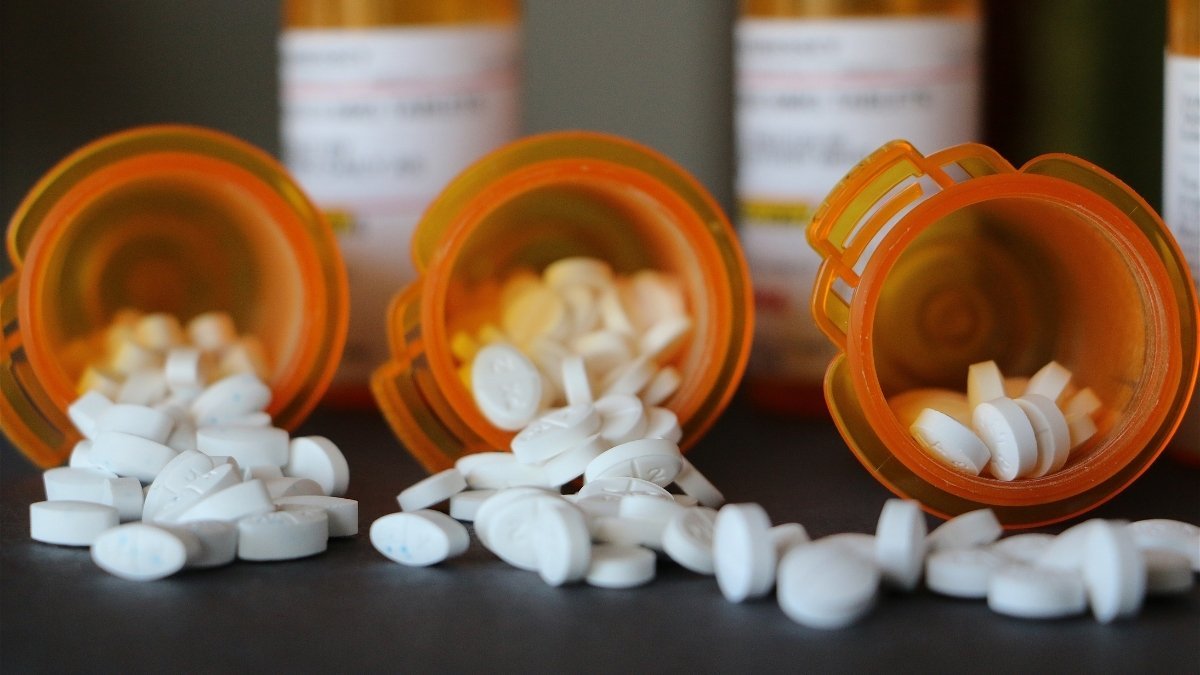
The pileup is common. A review covering more than 60 million adults aged 65 and older in high income countries found that about 66 percent lived with two or more chronic conditions.
In the United States, researchers have cited Medicare figures showing that nearly 80 percent of beneficiaries have at least two chronic conditions. More than 60 percent have at least three.
Each condition usually gets its own specialist, its own prescription, and its own appointment. Rarely does anyone ask what they have in common.
Who Is Actually Treating Your Aging?
Researchers who study aging have a name for that shared factor. They call biological aging the strongest risk factor for heart disease, type 2 diabetes, cancer, and dementia.
This is the core idea behind geroscience, a field supported by the National Institute on Aging. Its hypothesis is that slowing the biological drivers of aging could delay several chronic diseases at once, instead of one at a time.

Think of a house with a shifting foundation. You can patch the cracked wall, fix the sticking door, and repair the leaking pipe, but the building keeps moving.
Geroscience asks what is moving underneath.
Here is how the two mindsets differ in practice.
The Healthcare Paradigm Shift
A breakdown of how traditional, reactive medical models are evolving into holistic, aging-focused care that prioritizes your overall quality of life.
Where It Starts
A diagnosis or symptom
Risk and function before diagnosis
Who Is Involved
A separate specialist per condition
One big picture view of the whole person
What Gets Measured
Lab numbers for each disease
Strength, fitness, mobility, thinking
Part of the reason for the split is structural. Much of the research funding in this country is organized by individual disease, and aging itself has not been classified as one.
The Gap Nobody Puts on Your Chart
In July 2026, The Lancet Public Health published a global analysis of what researchers call the morbidity gap. It is the difference between how long people live and how long they live in good health.
Worldwide, that gap grew from 8.8 years in 1990 to 10.7 years in 2023. The United States had the largest gap of any country, at about 14 years, or nearly 18 percent of expected lifespan.
Here is the part that should get your attention. Those years of poor health were spread across adult life, not stacked at the very end.

Women averaged 12.1 years in poor health, compared with 9.3 years for men.
Many of those lost years were linked to risk factors that can be changed, including high blood sugar, excess body weight, and tobacco use. The researchers were clear that the study shows broad trends and does not prove exactly what causes them.
Two Numbers That Say More Than Your Cholesterol
If aging is the target, you need ways to measure it. Two of the best studied are surprisingly low tech: strength and aerobic fitness.
Grip strength. A study of older adults across 27 European countries and Israel followed people for nearly 900,000 person years. Those in the strongest third for grip had roughly 60 percent lower risk of dying from any cause than those in the weakest third.
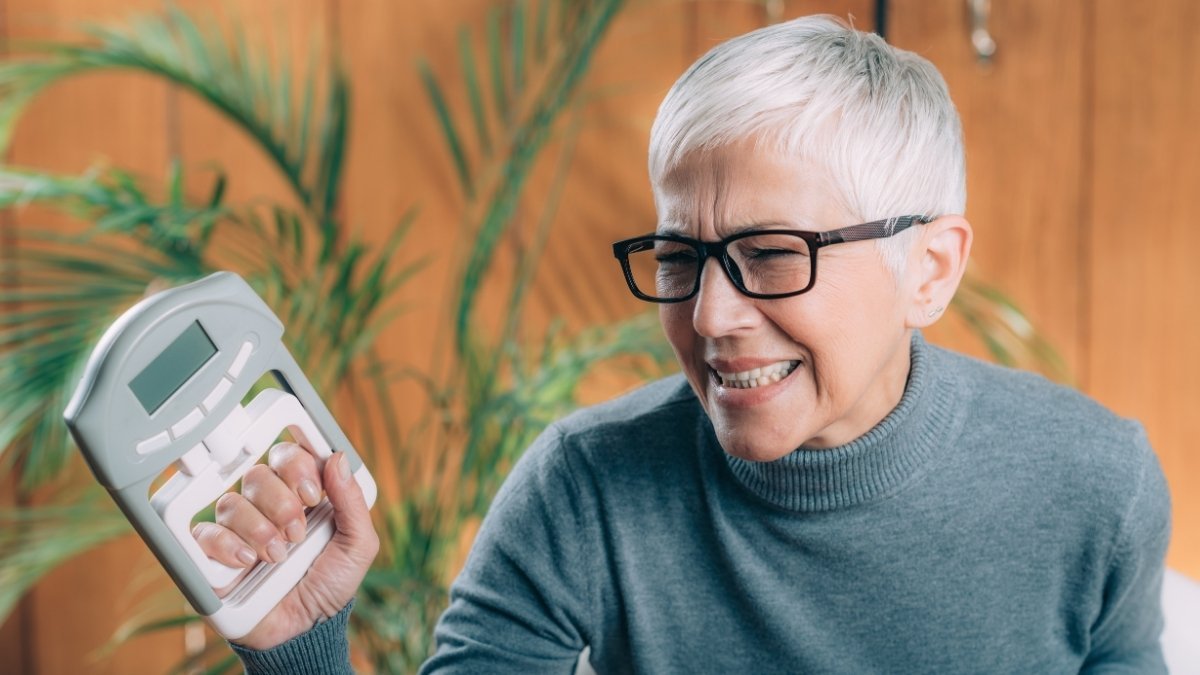
The benefit kept rising up to about 42 kg for men and 25 kg for women. Grip strength also tends to decline by about 1 percent a year after midlife, which makes it a quiet early warning.
Aerobic fitness. Cleveland Clinic researchers analyzed 122,007 adults who took treadmill stress tests. Those with the lowest fitness had about five times the risk of death compared with the most fit group.
Low fitness carried a risk comparable to or greater than smoking, coronary artery disease, or diabetes. The benefit showed no ceiling, so every step up in fitness helped.

Both findings come from observational research. That means fitter, stronger people may differ in other ways too, so these are strong signals, not guarantees.
Everyone’s body responds differently, so check with your doctor before testing your strength or starting a new exercise routine, especially if you have a heart condition or joint problems.
The Longevity Markers
A breakdown of the core physical and biological indicators that researchers use to predict long-term health, vitality, and lifespan.
Grip Strength
Demonstrates a significantly lower risk of death at higher strength levels.
Aerobic Fitness
Shows noticeably lower mortality rates at every single step up in fitness.
Mobility and Memory
Acts as crucial early signs of cognitive or physical decline that you can actively act on.
Blood Sugar
Identified as a leading, changeable driver that determines poor health years later in life.
The Free Visit Most People Skip
If you are 65 or older and have Medicare Part B, the Annual Wellness Visit is covered once every 12 months at no cost. It is the closest thing in mainstream care to an aging checkup.
It includes a review of thinking and mobility, a depression screening, and a written plan for the preventive care you need. It is not a full physical, and extra services can be billed separately.

One older analysis found only about 1 in 5 eligible patients used it. If you are younger than 65, you can still ask your doctor for the same kind of big picture conversation at your yearly appointment.
Try This Today
- Ask your doctor which of your conditions might share a root cause, and whether your medication list is due for a review.
- Ask whether your grip strength or mobility can be checked at your next visit.
- Build up to a brisk walk most days, fast enough that talking gets slightly harder.
- Ask your doctor if strength exercise is right for you, since major health guidelines commonly recommend it a couple of days each week.
- Write down your blood pressure and blood sugar numbers and bring them to appointments.
Can Aging Really Be Treated?
Honest answer: not with a pill, at least not yet.
Some scientists argue that aging should not be called a disease at all. They suggest it can be improved through changes that protect function and healthspan, meaning the years you live in good health.
In lab animals, aging has been slowed with genetic, dietary, and drug approaches. Human proof is still catching up.

What you can do now is act on the markers we can actually measure. Stay strong, stay fit, keep blood sugar in check, avoid tobacco, and stay connected to other people.
Researchers also point to social connection and mental health as real pieces of healthspan.
When To Call Your Doctor Soon
- Weight loss you cannot explain
- New falls, or trouble with balance
- Noticeable changes in memory or thinking
- Shortness of breath during light activity
Do not wait for your next scheduled visit if any of these show up.
The Bottom Line,
Your care team is probably doing a good job on each individual disease. The gap is that nobody is looking at the process that drives them.
You can start closing it by tracking strength, fitness, mobility, and blood sugar, and by asking for a wider view at your next visit.