

Your chest feels tight again, and you tell yourself it is probably indigestion. That thought can be more dangerous than the pain. Most people who collapse from cardiac arrest outside a hospital do not survive, and many of them brushed off early signals first.
Cardiac arrest can strike at home, mid sentence, with no second chance. Yet research suggests about half of people get warning signs first, sometimes weeks ahead. Those who get medical help in time are about five times more likely to survive.
The seven cardiac arrest signs below are the ones doctors and researchers keep coming back to. Some are obvious, while others are easy to mistake for aging, a bad night’s sleep, or the flu, and a few come from the newest research in 2026.
Read them slowly, and ask yourself which ones you have felt lately and which ones you have explained away.
Before making any changes based on this article, talk to your doctor, especially if you take heart medication or have a diagnosed condition. And if you have symptoms right now, call 911 instead of reading further.
Cardiac Arrest and a Heart Attack Are Not the Same Thing

People use the two terms as if they mean the same thing, and they do not. The American Heart Association describes a heart attack as a circulation problem and cardiac arrest as an electrical one.
The two are linked, because a heart attack can trigger the rhythm problem behind cardiac arrest. Most heart attacks, however, do not lead to cardiac arrest.
Cardiac Arrest vs. Heart Attack: Rapid Triage
Key physiological distinctions, warning timelines, and immediate life-saving response steps.
Electrical fault stops the heartbeat
Blocked artery cuts blood flow
No
Usually yes
Often none, sometimes hours to weeks
Often builds for hours or days
Call 911, start CPR, use an AED
Call 911
That difference in warning time is why this list matters. Cardiac arrest may give you very little notice, so the signs below are how you make the most of a short window.
The 7 Cardiac Arrest Signs Seniors Should Never Brush Off
Warning signs do not guarantee cardiac arrest, and cardiac arrest can strike with none at all. They are still your best chance to get help early, so here are the seven worth knowing, ordered from the strongest research support to the weakest.
1. Chest pain, pressure, or tightness that keeps coming back

Chest discomfort is the warning sign researchers report most often. In the 2015 Oregon Sudden Unexpected Death Study of adults ages 35 to 65, published in Annals of Internal Medicine, 46 percent of people with warning symptoms reported chest pain, and it was more common in men than in women.
The usual culprit is coronary heart disease, where narrowed arteries starve the heart muscle of oxygen and can set off a dangerous heart rhythm.
Among people who had warning signs, 93 percent felt them again in the 24 hours before collapse, so a second round of pain is a loud alarm. If chest pressure keeps returning, or arrives with any other sign on this list, call 911 instead of waiting to see what happens.
2. Sudden shortness of breath, especially if you have heart disease
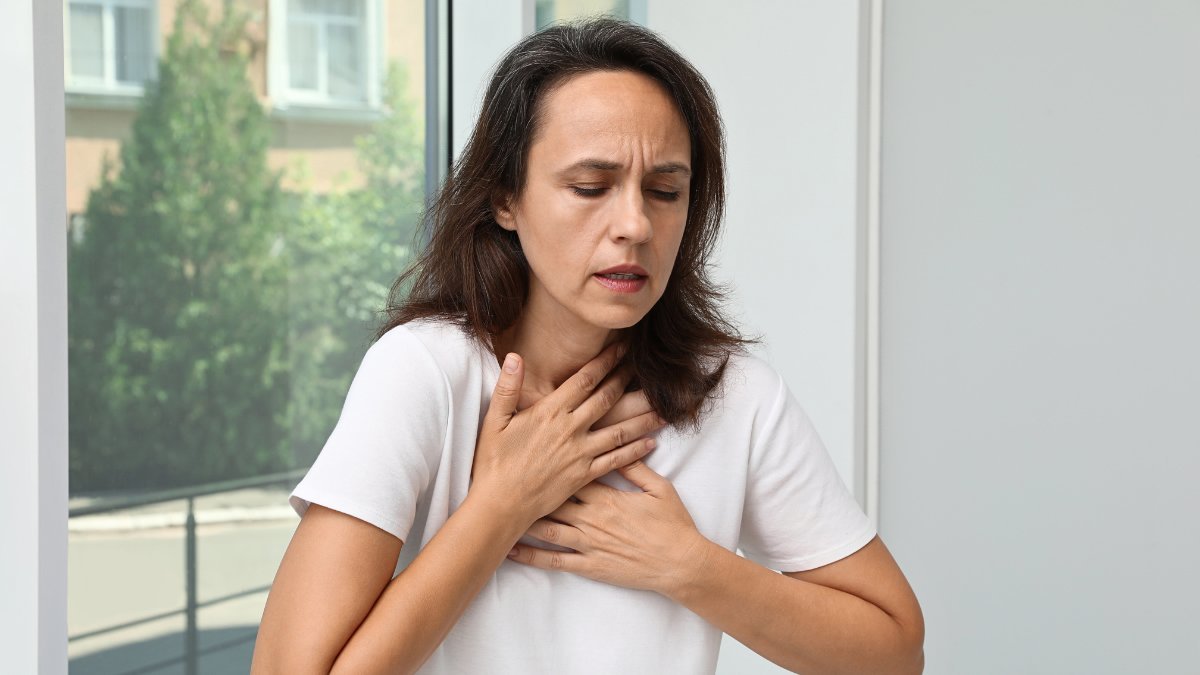
Sudden breathlessness deserves special attention, especially for women. In The Lancet Digital Health in 2023, shortness of breath was the standout warning symptom for women, while chest pain led for men.
A 2026 study went further, finding that shortness of breath paired with diagnosed coronary artery disease or heart failure was more common in people who had a cardiac arrest than in people who called 911 for similar symptoms.
When the heart pumps poorly, blood can back up into the lungs and breathing feels hard even at rest. Call 911 for sudden, unexplained breathlessness or wheezing, and tell the dispatcher whether it began while you were sitting still.
3. Cold, heavy sweating with no clear reason

Drenching sweat with no heat or exertion behind it is the body’s alarm system at work. When the heart is struggling, the body releases stress hormones such as adrenaline, and sweating is one visible result.
In the 2023 Lancet Digital Health research, abnormal sweating stood out among a short list of symptoms linked to cardiac arrest, alongside chest pain, shortness of breath, and seizure like activity.
Mayo Clinic cardiologists also list profuse sweating as a warning symptom. If you break into a sweat while sitting still, especially with chest pressure or nausea, sit down, call 911, and unlock the door for responders.
4. Fainting, blackouts, or spells that look like seizures

A faint, a sudden blackout, or a spell that looks like a seizure can all mean the brain briefly lost its blood supply. In the 2026 study from the Smidt Heart Institute team, seizure like symptoms without chest pain or shortness of breath were more common in people who went on to have a cardiac arrest than in people who called 911 for similar symptoms.
A short rhythm problem can cause a faint and then correct itself, which is why people shrug it off. The next episode may not correct itself.
Mayo Clinic lists fainting or near fainting among the symptoms to call 911 for, so do not wait for a repeat, and sit or lie down at the first wave of weakness to avoid a fall.
5. A pounding, racing, or irregular heartbeat
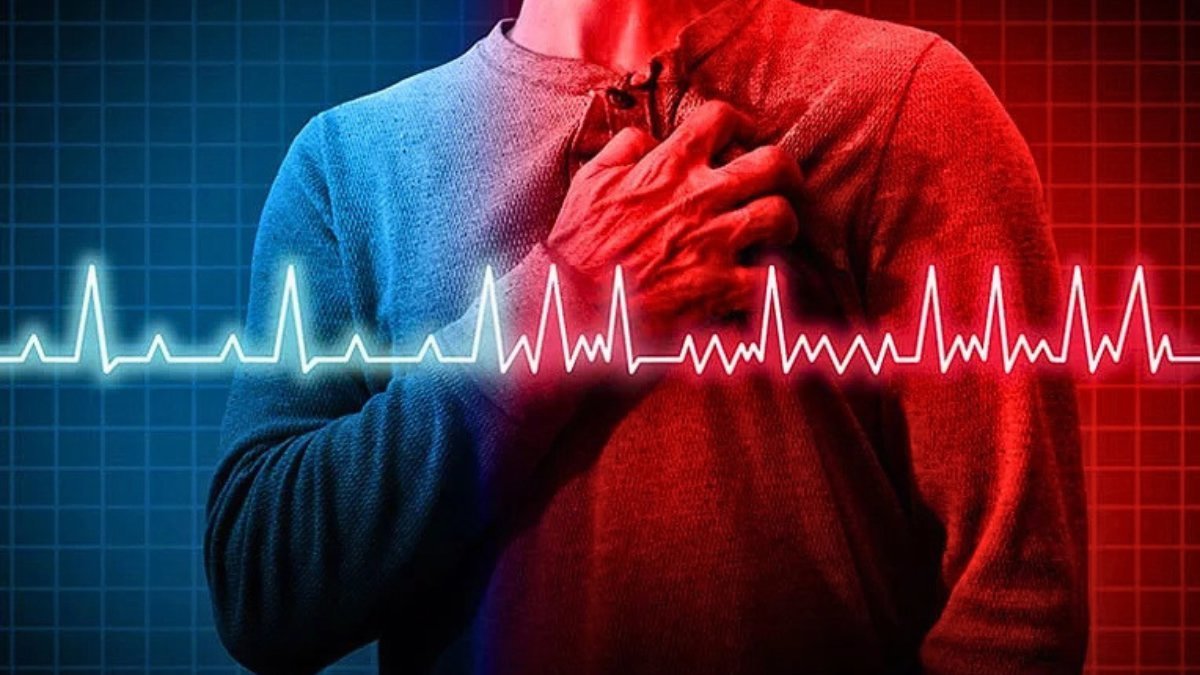
Palpitations are your heart’s electrical system misfiring in real time. Cardiac arrest is caused by abnormal rhythms, and the most common one is ventricular fibrillation, where the lower chambers quiver instead of pumping.
Palpitations are also common and usually harmless, so context matters, especially if you have coronary artery disease, a past heart attack, an enlarged heart, or a faulty valve.
Mayo Clinic lists a pounding, rapid, or irregular heartbeat among symptoms that call for emergency care. Flutters that keep returning deserve an ECG and a wearable rhythm monitor.
6. Unexplained dizziness or lightheadedness

Lightheadedness is easy to blame on standing up too fast or skipping lunch. But the brain is sensitive to any dip in blood flow, so a heart that beats too fast, too slow, or too weakly can leave you woozy.
In a review of Oregon and Ventura County records, adults 65 and older who collapsed during exercise reported dizziness, nausea, fatigue, and chest pain with activity in the 24 hours before.
Low potassium or magnesium can raise cardiac arrest risk, so ask whether yours have been checked, especially if you take a water pill. Jot down when dizzy spells hit, what you were doing, and your pulse and blood pressure if you own a home cuff.
7. Deep fatigue or a flu like feeling that makes no sense

Deep exhaustion that sleep does not fix is the most overlooked sign on this list. The National Heart, Lung, and Blood Institute names extreme tiredness, back pain, and flu like symptoms among possible warning signs of a heart attack, which is a key cause of cardiac arrest.
When the heart pumps less efficiently, muscles get less oxygen rich blood, and the body feels drained for no clear reason. Cardiologists also note that older adults and women are more likely to have quieter symptoms than the classic crushing chest pain.
If you feel flu like and wiped out but have no fever, cough, or sick contacts, tell your doctor and ask for a heart check.
Every heart is different, and most of these symptoms have harmless explanations, so use this list to start a conversation with your doctor rather than to diagnose yourself or anyone else.
What the Research Does and Does Not Prove
The idea behind this list is real: cardiac arrest is not always as sudden as it looks. Yet about half of people in the 2015 Oregon study had a warning sign in the month before collapse, which also means about half did not.
Mayo Clinic notes that cardiac arrest often strikes with no warning at all.
That Oregon study covered ages 35 to 65, so it speaks to middle age more than later life.
The 2023 and 2026 studies used a stronger design, comparing people who had a cardiac arrest with people who called 911 for similar symptoms but did not.
The 2026 study included only people who survived a cardiac arrest, who may differ from those who did not.
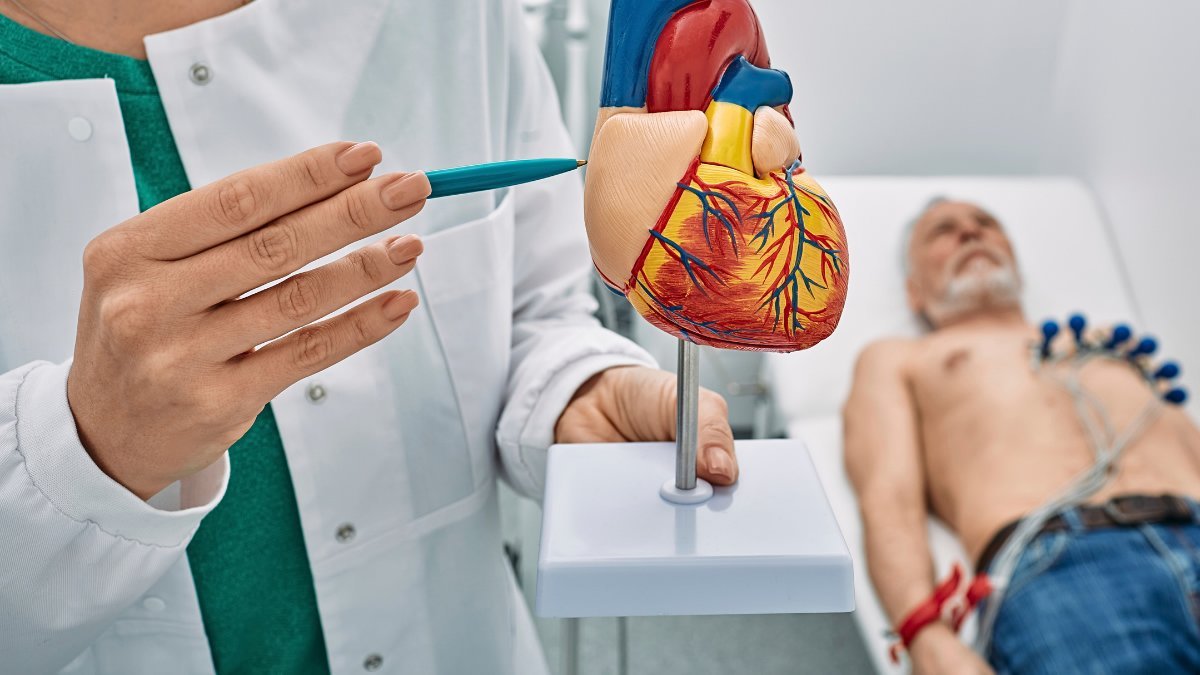
Those comparisons showed a twist: in the 2023 study, palpitations, dizziness, and fainting were not linked to cardiac arrest once they were compared with similar symptoms in people who called 911 for other reasons.
That does not make them safe to ignore. The 2026 results suggest symptoms mean far more when they are paired with a known heart condition.
Even the strongest signs are not a verdict. Lead researcher Sumeet Chugh has said that most people with these same symptoms never go on to have a cardiac arrest.
Treat the signs as a reason to get checked fast, not a reason to panic.
Who Faces the Highest Risk Later in Life?

In older adults, the main driver is coronary heart disease and other heart conditions, according to the National Heart, Lung, and Blood Institute. Age itself raises risk, and most cardiac arrests happen in men, though a woman’s risk climbs after menopause.
Mayo Clinic also lists these conditions that raise the odds:
- High blood pressure and high cholesterol
- Diabetes and obesity
- Smoking and an inactive lifestyle
- Sleep apnea and chronic kidney disease
A 2026 study in the Journal of the American Heart Association followed patients hospitalized at one Los Angeles health system for heart failure or a coronary blockage.
Those with a second coronary blockage were more than three times as likely to have a cardiac arrest as those without a recurrence, and a second hospitalization for heart failure nearly doubled the risk.
If you or your spouse has been back in the hospital for a heart problem, ask your doctor about cardiac arrest risk and teach a family member CPR.
Do not assume one clean heart test settles the question.
Kyndaron Reinier of the Smidt Heart Institute points out that more than two thirds of people who have a cardiac arrest do not have a weak pumping chamber, so a single number misses many people at risk.
Why Seconds Matter More Than Most Seniors Realize
In the Oregon study, only about one in five people with warning symptoms called 911. Those who did survived at a rate of 32 percent, compared with 6 percent for those who did not, and the gap stayed large after researchers adjusted for resuscitation factors.
The 2026 study adds a hopeful detail: warning symptoms most often began at least 15 minutes before the cardiac arrest, enough time to make a call.
The National Heart, Lung, and Blood Institute puts it plainly, saying people who get care for warning signs are about five times more likely to survive.
National registry data show how much speed matters once the heart has stopped.
The table uses 2025 figures from the Cardiac Arrest Registry to Enhance Survival (CARES), which tracks arrests treated by emergency medical services across the United States.
Cardiac Arrest Survival to Hospital Discharge
How witness status, initial heart rhythm, and early bystander CPR or AED intervention impact survival rates.
The pattern is hard to miss: every step that puts help closer to the first minute raises survival. Even so, bystanders started CPR in roughly 4 in 10 cases, and the registry’s 2024 report put the average patient age at about 63.
If Someone Collapses Near You
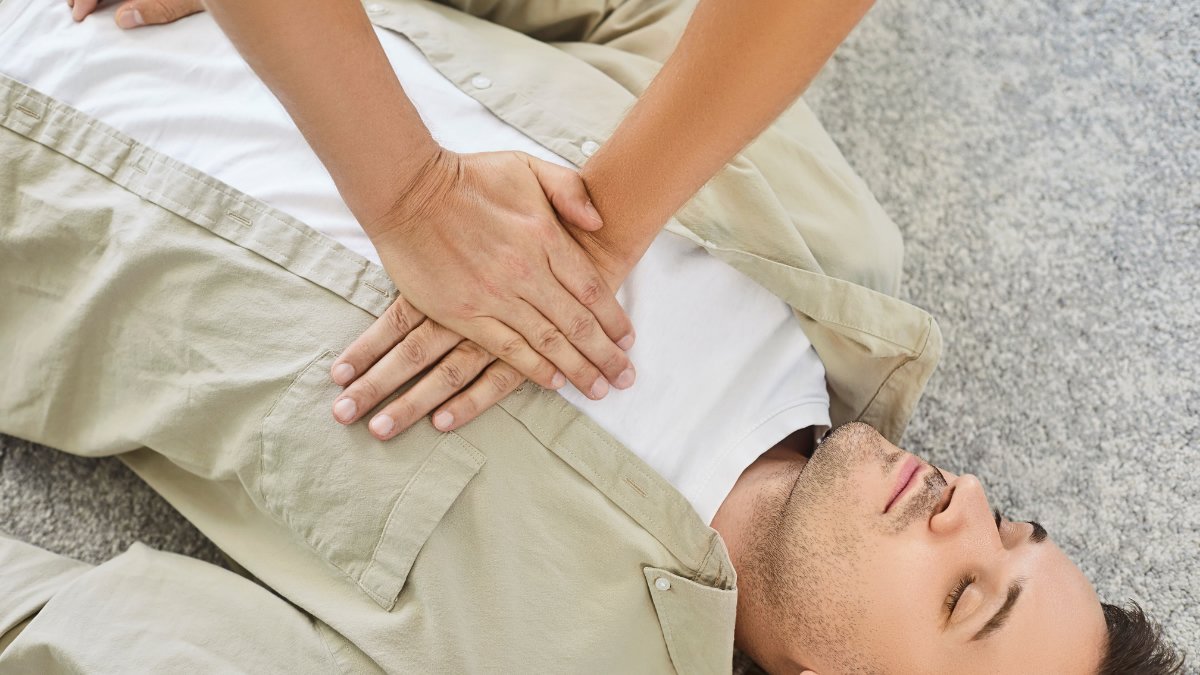
If a person suddenly collapses, does not respond, and is not breathing normally, treat it as cardiac arrest. Call 911 first, or have someone else call, then start CPR.
Push hard and fast in the center of the chest, about 100 to 120 pushes a minute, and let the chest rise fully between pushes.
If you have not been trained, hands only compressions are fine, and you can keep going until an AED or emergency workers arrive.
An AED talks you through each step, and it is programmed to deliver a shock only when one is needed.
Most cardiac arrests outside a hospital happen at home, so the person who needs your help is often someone you love.
Stop Reading and Call 911 If:
- Chest pressure arrives with cold sweat, nausea, or pain spreading to the arm, jaw, or back
- You faint or nearly faint, especially with a racing or pounding heartbeat
- Breathlessness hits suddenly while you are resting and does not ease
- Someone collapses, does not respond, and is not breathing normally
Try This Today: Five Small Moves for a Safer Heart
- Write down any chest, breathing, or heartbeat symptoms from the past month, with dates, and bring the list to your next appointment
- Ask your doctor whether your blood pressure, cholesterol, potassium, and magnesium are up to date
- Tell one family member the signs on this list, and ask them to learn hands only CPR
- Sign up for a CPR and AED class, since fire departments, libraries, and community groups often offer them
- Notice where the nearest AED is in places you visit often, like church, the gym, or the grocery store
The Takeaway Before Your Next Chest Pain,

Cardiac arrest does not always announce itself, but about half the time something does.
Chest pressure, sudden breathlessness, cold sweat, a faint or seizure like spell, a pounding heartbeat, unexplained dizziness, and deep fatigue are the signals worth acting on.
Make the call early, and teach someone close to you what to do if the worst happens.
This article is for informational purposes only and is not a substitute for professional medical advice, diagnosis, or treatment. Always talk with your doctor or another qualified healthcare provider before changing your medications, exercise routine, or daily habits, especially if you have an existing heart condition.
Sources:
- Annals of Internal Medicine, 2015: Warning Symptoms Are Associated With Survival From Sudden Cardiac Arrest (Oregon Sudden Unexpected Death Study). DOI: 10.7326/M14-2342
- The Lancet Digital Health, 2023: Warning symptoms associated with imminent sudden cardiac arrest: a population-based case-control study with external validation. DOI: 10.1016/S2589-7500(23)00147-4
- Circulation: Arrhythmia and Electrophysiology, 2026: warning symptoms and clinical history to predict imminent sudden cardiac arrest (Smidt Heart Institute, Cedars-Sinai). DOI: 10.1161/CIRCEP.125.014647
- Journal of the American Heart Association, 2026: recurrent cardiovascular events and sudden cardiac arrest risk (Observational Study of Cardiac Arrest Risk cohort). DOI: 10.1161/JAHA.125.049853
- National Heart, Lung, and Blood Institute: Cardiac Arrest Symptoms
- National Heart, Lung, and Blood Institute: Cardiac Arrest Causes and Risk Factors
- American Heart Association: Cardiac Arrest vs. Heart Attack (updated January 2025)
- Mayo Clinic: Sudden cardiac arrest, symptoms and causes
- Cardiac Arrest Registry to Enhance Survival (CARES): 2025 Non-Traumatic National Summary Report and Utstein Survival Report