

You squeeze half a lemon into a mug and tell yourself this warm lemon water every morning is cleaning you out from the inside.
The internet promises a detoxed liver, a faster metabolism, and a flatter belly in 30 days. Most of that falls apart the moment you look at the actual research.
Meanwhile, the same habit can quietly wear on your tooth enamel and stir up heartburn, and almost nobody mentions that part. If you have ever had a kidney stone, the story changes again.
So what does it really do to your body? A few genuine changes show up over a month, and one of them matters more than anything the wellness crowd talks about.
Dietitians, dentists, and kidney researchers have all weighed in, and their answers are more useful (and more surprising) than the hype. Here is the honest timeline, from day one to day thirty.
What Is Actually in That Glass?
A typical glass uses the juice of half a lemon in about 8 ounces of warm water. That adds roughly 10 milligrams of vitamin C, a trace of potassium, and fewer than 10 calories.

The NIH Office of Dietary Supplements lists the daily vitamin C target at 75 mg for women and 90 mg for men. One glass covers about 10 to 13 percent of that.
That is a real contribution, but a small one. A single kiwi or a handful of strawberries delivers more.
There is also no meaningful fiber, no protein, and no compound with a proven “cleansing” effect. Think of it as flavored water with a small vitamin C bonus. That is not an insult, because getting people to drink more fluid is genuinely hard, and a lemon makes it easier.
Your 30 Day Timeline at a Glance
Here is what you can reasonably expect, based on what the research does and does not support.
30 Days of Daily Lemon Water: Timeline & Evidence
Expected physiological shifts, habit formation milestones, and scientific evidence grading over a 30-day cycle.
Higher morning fluid intake & steadier bathroom routine
Habit feels automatic; helps replace sugary morning drinks
Tooth sensitivity or heartburn may appear if you are prone
Steady trickle of vitamin C & possible rise in urine citrate
Week One: Why Warm Lemon Water Every Morning Gets You Drinking More
After six to eight hours without a drink, you wake up a little behind on fluids. A warm, tangy glass is easy to finish, so your day starts with a full cup of water instead of nothing.
That is the benefit doing most of the heavy lifting. It comes from the water and the habit, not from a magic property of the lemon.
Some people notice a steadier bathroom routine. Warm liquids can be soothing to the digestive tract, and fluid helps keep things moving.

Still, nutrition researchers say there is little direct evidence that lemon itself improves digestion.
What about warm versus cold? There is no measurable metabolic difference between them. Temperature is a comfort choice, not a health strategy.
One practical note: keep it warm, not scalding. Vitamin C is sensitive to heat, and a boiling mug is rougher on your mouth and throat.
Weeks Two and Three: The Vitamin C Reality Check
By now the habit feels automatic. This is also where the immune boosting claims usually enter the story.
Vitamin C does matter. Your body needs it to make collagen (the protein in skin, tendons, and blood vessels), to support immune cells, and to absorb iron from plant foods.
But true deficiency is uncommon in people who eat fruits and vegetables, and extra vitamin C does not work like a shield.
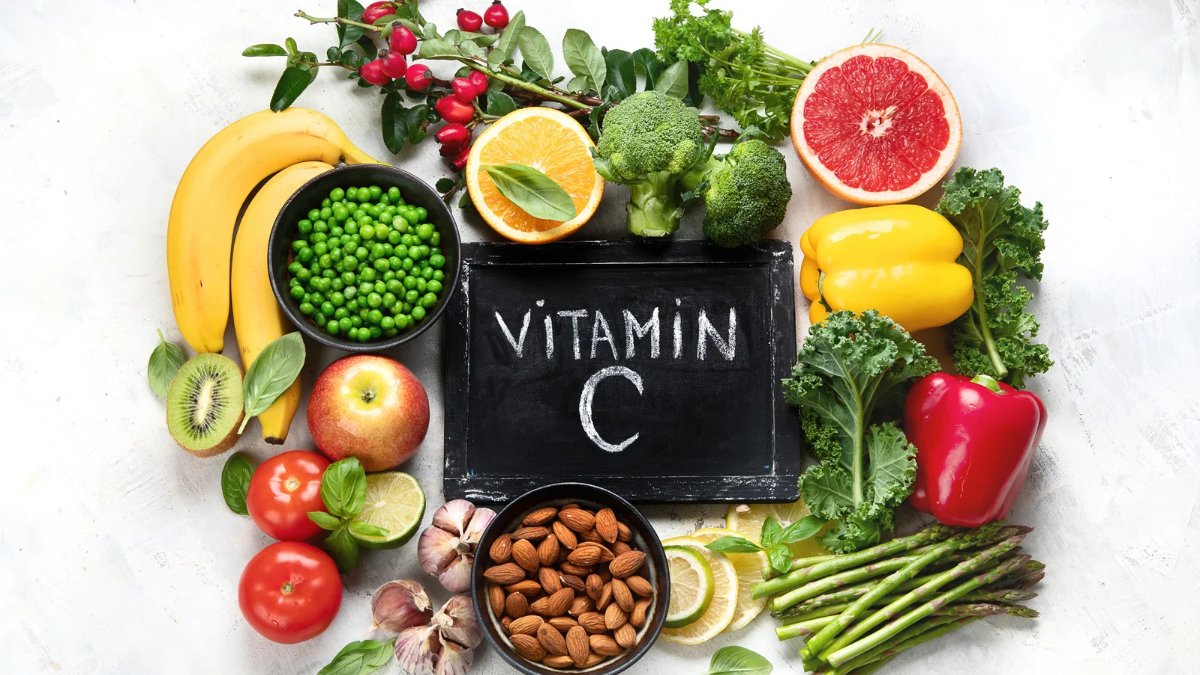
A large Cochrane review of placebo controlled trials found that regular vitamin C did not lower the chance of catching a cold in the general population. It shortened colds only slightly, by about 8 percent in adults.
Those trials used 200 mg a day or more. Your glass delivers roughly 10.
So warm lemon water supports normal immune function. It does not turbocharge it.
Week Four: The Real Standout Is Your Kidneys
Here is the part that deserves your attention. Lemons contain more citrate than any other common citrus fruit, and citrate is a natural inhibitor of kidney stones.
Stones form when minerals in urine become too concentrated and crystallize. Citrate binds with calcium in the urine and raises urine pH, which makes those crystals harder to form.
In a small study at UC San Diego, people with a history of stones drank about 4 ounces of lemon juice mixed into 2 liters of water every day. Their stone formation rate dropped from 1.00 to 0.13 stones per patient.

A larger Italian randomized trial followed 203 people with recurrent calcium oxalate stones, the most common type. Those who drank about 4 ounces of fresh lemon juice daily had fewer repeat stones over two years (21 of 100 versus 32 of 103).
The difference did not reach statistical significance, though. By year two fewer than half were still drinking it, and stomach upset was more common in the lemon group.
Here is the catch. Those studies used the juice of roughly three to four lemons a day, while a normal glass uses about half a lemon.
Everyone’s body responds differently, and stone types vary. Check with your doctor or a urologist before using lemon juice as a stone prevention strategy, and never stop prescribed treatment on your own.
If you have had a kidney stone, ask your urologist about this habit. If you have not, treat the citrate as a small bonus on top of what matters most: drinking enough fluid across the whole day.
The Two Side Effects Nobody Mentions
Your teeth. Lemon juice has a pH of around 2, acidic enough to soften enamel, and enamel does not grow back. The damage depends on how often and how long your teeth sit in acid.
One glass finished in a few minutes is mild, because your saliva handles it. Nursing a big mug for two hours is a sustained acid bath. Brushing right afterward can also scrub away softened enamel.

Your stomach. Citrus shows up on most acid reflux trigger lists. Some people report relief from diluted lemon water, while others get worse heartburn, and the research is limited.
If you have GERD, experts generally suggest avoiding citrus or testing a very small amount. Watch how you feel, and stop if symptoms get worse.
The Claims That Do Not Hold Up
Scroll long enough and you will find bigger promises. Here is how the popular ones stack up.
Lemon Water Claims: Science vs. Hype
Clinical evaluation of popular health claims surrounding daily lemon water consumption.
Your liver and kidneys handle detoxification; nothing shows lemon adds to it
No studies show lemon melts fat, though water helps if replacing sugary drinks
Blood pH stays in a tight range; lemon juice remains acidic in the stomach
One glass gives ~10 mg vitamin C, far below the doses used in cold trials
Adding flavor makes plain water noticeably easier and more enjoyable to finish
If you lose weight during these 30 days, the likely reason is that lemon water replaced something with calories. Swapping a sugary morning drink for a glass with fewer than 10 calories adds up. Stir in honey or sugar, and that math changes fast.
Quick Answers to What Readers Ask Next

Should you drink it on an empty stomach? There is no strong evidence that an empty stomach makes lemon water better or worse. What matters more is how fast you drink it and whether you have reflux.
Is fresh lemon better than bottled? Fresh juice keeps more of its vitamin C. Bottled versions vary, and some “lemon juice” products contain very little real juice, so read the label.
Can you add honey? You can, but it adds sugar and calories, and sugar is hard on teeth. If you want sweetness, use a small amount and keep it occasional.
How many glasses is too many? For most healthy adults, one or two glasses a day is considered a safe, low sugar habit. Sipping it all day is where the dental risk grows.
Try This Today: The Smart Way to Do It
The Daily Habit That Actually Works
- Use the juice of half a lemon in a full glass of warm (not scalding) water.
- Finish it within 15 to 20 minutes instead of sipping for hours.
- Use a straw if you can, then rinse your mouth with plain water.
- Wait 30 to 60 minutes before brushing your teeth.
- Keep it unsweetened, and drink plain water through the rest of the day.
When to Stop and Call a Doctor
Red flags that mean it is time to get checked:
- Sudden, severe pain in your side or back, or blood in your urine, which can signal a kidney stone.
- Heartburn or reflux more than twice a week, or trouble swallowing.
- New tooth pain, sensitivity to hot or cold, or teeth that look smooth, shiny, or yellowish.
- Chest pain with sweating, shortness of breath, or pain spreading to your arm or jaw. That needs emergency care, not a lemon water tweak.
The Bottom Line After 30 Days
For most healthy adults, warm lemon water every morning is a mild plus. You get more fluid, a few extra milligrams of vitamin C, a possible swap away from a sugary drink, and a small citrate bonus for your kidneys.

You do not get a detox, a melted waistline, or a bulletproof immune system. And if you are prone to enamel wear or reflux, the habit can cost you more than it gives.
Drink it if you enjoy it, keep it diluted, finish it quickly, and protect your teeth. That is the whole secret.