
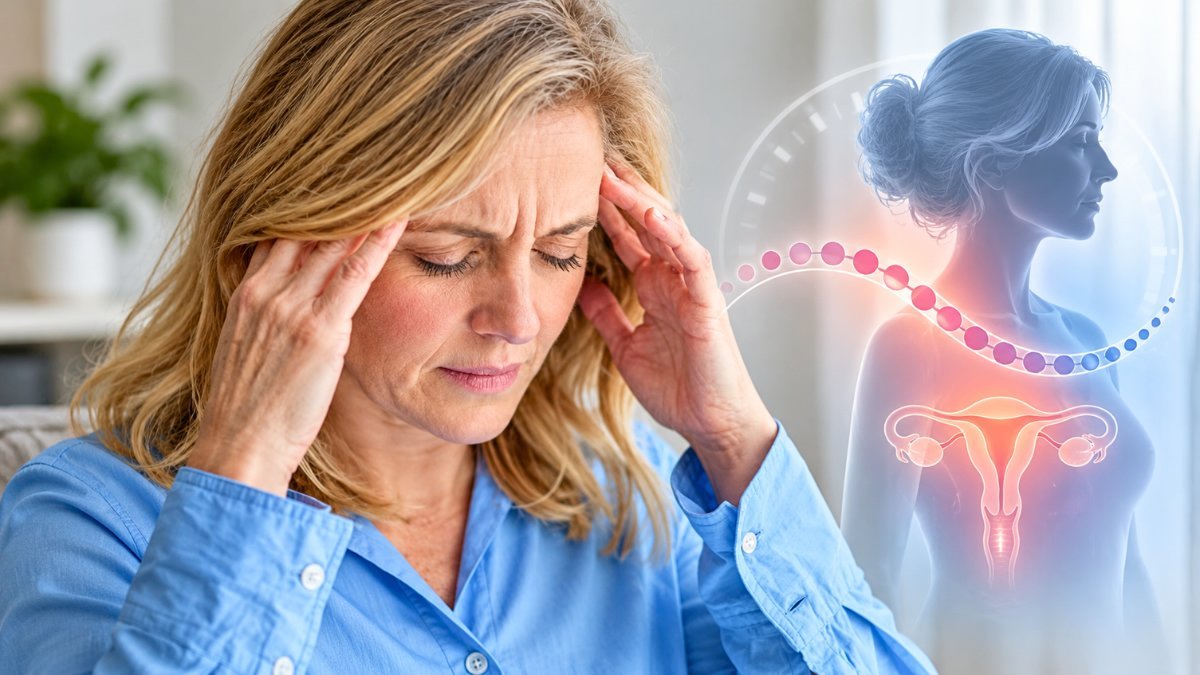
You are waking at 3 a.m., losing words mid sentence, and snapping at people you love. Then someone tells you it is just stress, or just age.
It is not in your head. Your body is sending you information.
These perimenopause symptoms are real, and they are far too easy to brush off. Mayo Clinic physicians note that about 80 percent of women have symptoms during this transition, yet only 20 to 30 percent seek medical attention.
Ignore them long enough, and some quietly get worse. Heavy bleeding can drain your iron. Urinary and vaginal changes tend to progress without treatment.
Here are seven symptoms that deserve your attention, what is usually behind each one, and exactly when to call your doctor. The good news is that treatments exist for nearly every one of them, and many women are never told.
Before making any changes based on this article, talk to your doctor, especially if you are currently taking medication or have a diagnosed condition.
The Perimenopause Symptoms Doctors Rarely Ask About
Perimenopause usually starts in your 40s, though some women notice changes in their 30s or 50s. Estrogen does not drift downward in a straight line. It rises and falls, which is why symptoms arrive in waves.
Cleveland Clinic says the transition lasts about four years on average, and nobody can predict your path in advance. Here is what women often hear versus what may really be happening.
Perimenopause Symptoms: Dismissals vs. Reality
Common clinical dismissals contrasted against the underlying neurobiological and hormonal drivers of perimenopause.
“You are just too busy”
“It is just stress”
“It is your personality”
“It is just anxiety”
“It is just aging”
“Normal at your age”
“Get used to it”
Why So Many Women Get Waved Off
More than 1,000 women wrote to NPR about perimenopause, and most said their doctors gave them little information or help, especially for mental health symptoms.
Testing does not always settle it either.

A Cleveland Clinic menopause specialist told US News that hormone tests cannot be recommended for every perimenopausal woman, because levels swing so much.
That is why a normal hormone result does not mean nothing is going on. A clear symptom history is often more useful than one lab number.
1. Brain Fog That Makes You Doubt Yourself
Losing a word mid sentence or forgetting why you walked into a room scares a lot of women. In one study, about 62 percent of midlife women reported an unwelcome change in memory.
The Study of Women’s Health Across the Nation (SWAN) tracked more than 2,300 women through four years of cognitive testing. Perimenopause was linked to a subtle dip, mainly that scores stopped improving the way they normally do with repeat testing.
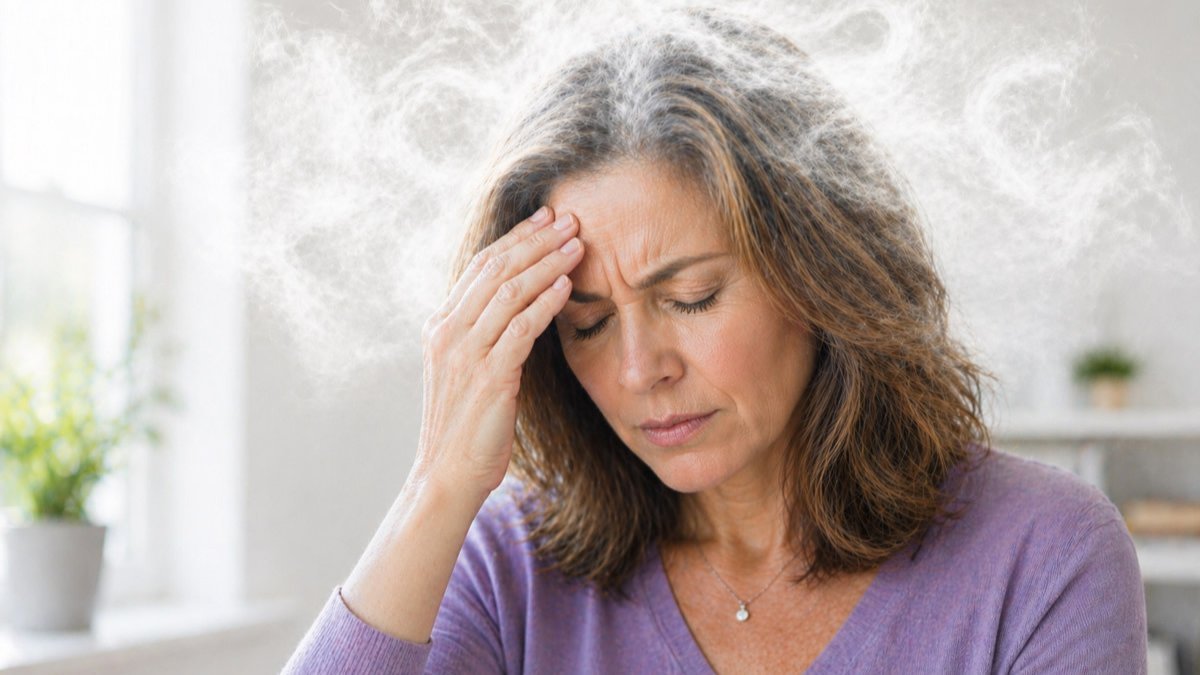
That is a small change, not a collapse. A physician reviewing the SWAN results explains that scores improved after menopause, which suggests brain fog is not early dementia.
Two things make the fog thicker. When researchers measured hot flashes and sleep objectively, each one independently predicted weaker verbal memory. Studies suggest thinking skills can rebound when hot flashes are treated.
What to do: Keep a running note on your phone for names and tasks. Tell your doctor if the fog is affecting your work.
2. Sleep That Breaks at 3 A.M.
A 2017 CDC survey found that sleep problems increase significantly during perimenopause. Hot flashes and night sweats are only part of the story.
Estrogen and progesterone are each positively linked to sleep during the transition, so when both swing, rest suffers.
Some women notice a distinct pattern. They wake at 4 or 5 a.m. and cannot fall back asleep, even when exhausted. It is often written off as stress or aging, which is why so many women never get the right help.

Snoring or waking up gasping deserves a mention to your doctor. Sleep related breathing problems and movement disorders are among the sleep issues seen in perimenopause.
What to do: Ask about cognitive behavioral therapy for insomnia. It is considered the leading treatment for insomnia and has shown promise during the menopause transition. Cut alcohol near bedtime too, since alcohol disrupts REM sleep and can worsen night sweats.
3. Anxiety and Mood Swings That Feel Out of Character
Sudden tears, irritability, and a new edge of anxiety are easy to blame on a busy life. Hormones may deserve a share of the blame.
Cleveland Clinic notes that depression is common in perimenopause and that many people report feeling more anxious. NPR reported that about 18 percent of women in early perimenopause and 38 percent in late perimenopause have symptoms of depression.
Most of these women do not have unusual hormone levels. A Johns Hopkins mood disorders specialist explained that their brains are likely sensitive to normal hormonal swings.

Risk is higher for women who had postpartum depression or significant premenstrual mood changes. Many doctors, even gynecologists, receive little education about perimenopause, which is a big reason mood symptoms get missed.
What to do: Tell your doctor exactly how the mood changes feel and when they began. Talk therapy, antidepressants, and hormone therapy are all options, and antidepressants can also ease hot flashes and insomnia.
4. A Racing Heart With No Obvious Reason
Fluttering, pounding, or skipping beats can feel frightening at 2 a.m. Mayo Clinic lists heart palpitations among common perimenopause symptoms. Most are harmless, and they often show up alongside a hot flash.
Still, never assume. Palpitations can also come from thyroid problems or heart disease. Mayo Clinic notes that “good” HDL cholesterol tends to fall in many women as they age, and that cholesterol changes like this add to heart disease risk.

A doctor can sort it out. An electrocardiogram measures the heart’s electrical system and shows where a problem may be.
What to do: Note when each episode happens and what came before it. Limiting caffeine and alcohol and prioritizing sleep can help.
5. Joint and Muscle Aches You Blame on Getting Older
Stiff hands, sore knees, and aching hips usually get blamed on age. Harvard Health describes a newly recognized pattern called musculoskeletal syndrome of menopause, which ties falling estrogen to widespread joint and muscle pain, stiffness, and fatigue.
The link makes biological sense. Estrogen receptors sit on cartilage, bone, muscle fibers, and tendons. In muscle, estrogen also supports the cells that repair fibers, so losing it contributes to muscle loss.
Reviews often put the number of affected women at 50 to 60 percent. One caution: evidence that estrogen itself relieves these aches is limited, though it is reasonable to ask your doctor about it.
What to do: Harvard Health points to strength training, which builds muscle that supports joints, and to restorative sleep, which keeps inflammation in check. Ask whether a medication such as a statin could be contributing. Vitamin D deficiency itself causes bone and muscle aching, so it is worth testing.
Everyone’s body responds differently, so check with your doctor before starting new exercise, supplements, or treatments if you have an existing condition or take medication.
6. Periods That Have Gone Rogue
As ovulation becomes unpredictable, the time between periods may grow longer or shorter, flow can range from light to heavy, and you may skip some periods. Most of the time this is nothing to worry about.
The exceptions matter. Mayo Clinic advises seeing a professional if bleeding is very heavy, lasts longer than seven days, or happens between periods. Periods that come less than 21 days apart also deserve a check.

Here is why pushing for answers pays off. Heavy bleeding can lower iron and lead to anemia, which causes tiredness and dizziness. Fibroids or polyps can cause irregular bleeding, and rarely, changes in the uterine lining do.
Pregnancy is still possible during perimenopause, so a late period is not always what it seems.
What to do: Log your cycle dates and count how many products you use each day. Needing to change a pad or tampon every one to two hours is a reason to call.
7. Dryness and Bladder Trouble Nobody Brings Up
Vaginal dryness, burning, painful sex, urinary urgency, and repeat infections belong to one condition called genitourinary syndrome of menopause. Its most common symptoms are dryness, burning, irritation, sexual pain, urgency, and recurrent urinary tract infections.
One study found it affected about 4 percent of women in perimenopause, rising to 25 percent after one year of menopause and 47 percent after three years. That is why it can sneak up on you.
It is also badly under recognized. One study found only 13 percent of providers asked patients about these symptoms. Painful, frequent urination may be treated as a urinary tract infection when the real issue is dryness and irritation of urinary tissue.
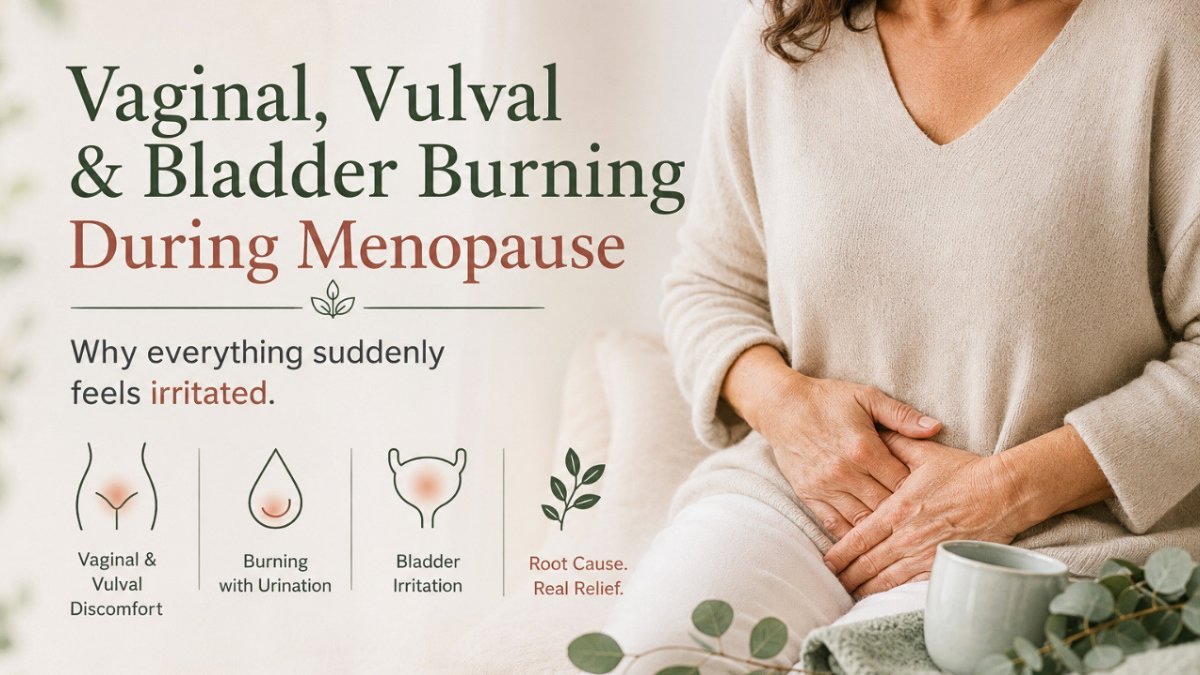
Unlike hot flashes, it does not improve with time and tends to worsen if left untreated.
What to do: Options include vaginal estrogen inserts, rings, and creams, vaginal DHEA, and an oral medicine called ospemifene. Nonhormonal approaches and pelvic floor therapy can help too.
Try This Today: Small Habits That Make Your Next Appointment Count
- Start a two line symptom log with the date, the symptom, hours slept, and where you are in your cycle.
- Count the nights you wake up and the products you use, so you can give your doctor numbers instead of vague words.
- Add one short strength session this week, such as chair squats and wall pushups.
- Keep your bedroom cool and cut alcohol close to bedtime.
- Book one appointment and bring your log with you.
When to Stop Reading and Call Your Doctor
Some symptoms are part of the ride. Others need a closer look.
Perimenopause: Normal Transition vs. Red Flags
Distinguishing expected hormonal transition symptoms from clinical red flags requiring prompt medical evaluation.
Cycles that naturally vary in length, spacing, or flow
Brief flutters or palpitations, often accompanying hot flashes
Irritability and fluctuating worry that come and go
Stiffness that eases up with movement and activity
Mild urinary urgency or localized mucosal dryness
Get help right away if you notice:
- Chest pain or pressure, fainting, trouble breathing, or sudden weakness in the face or a limb. Call emergency services.
- Bleeding that soaks through products every hour or two, or bleeding after sex.
- Feeling hopeless or thinking about harming yourself. Seek help immediately through your local emergency number or a crisis line, such as 988 in the US.
- Painful, burning urination that keeps coming back.
What to Do With All of This
Brain fog, broken sleep, mood swings, a racing heart, aching joints, erratic periods, and dryness with bladder trouble. None of these proves something is wrong with you, and all of them deserve a real answer.
Perimenopause is a transition, not a life sentence. Mayo Clinic says symptoms last four to five years on average from the first hot flash.
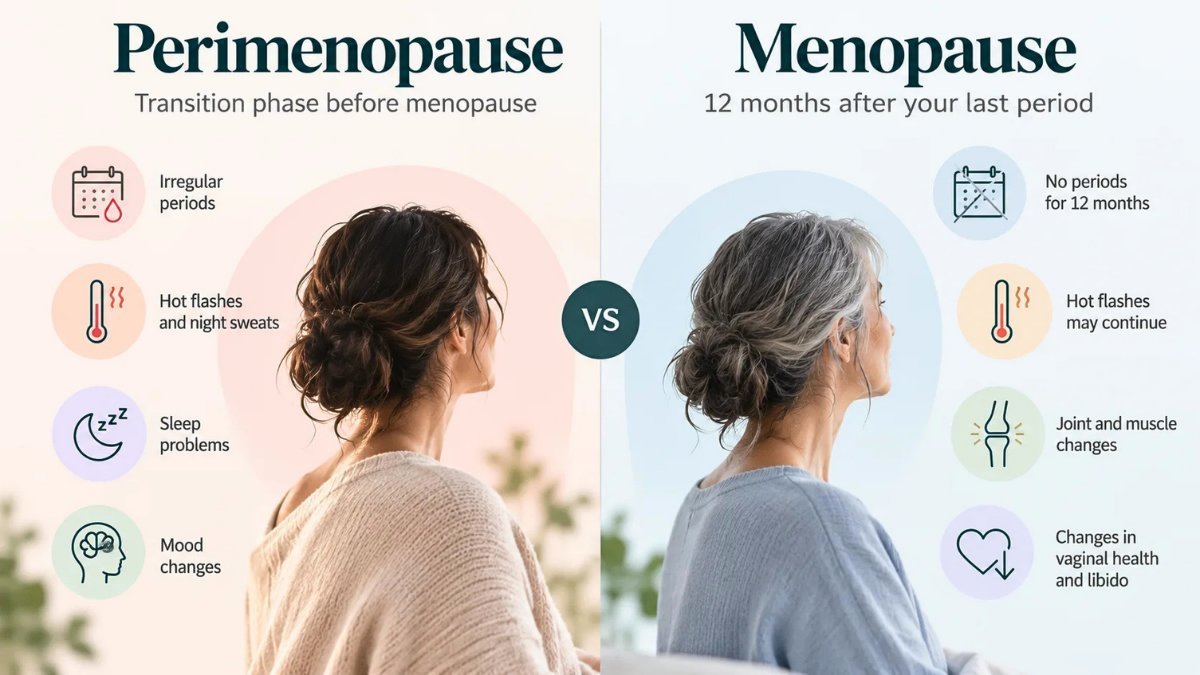
If your doctor waves everything away, find one who does not. The North American Menopause Society, now called The Menopause Society, offers a tool to find providers who specialize in this stage.
Bring your log, ask direct questions, and do not accept “it is just age” as the end of the conversation.