
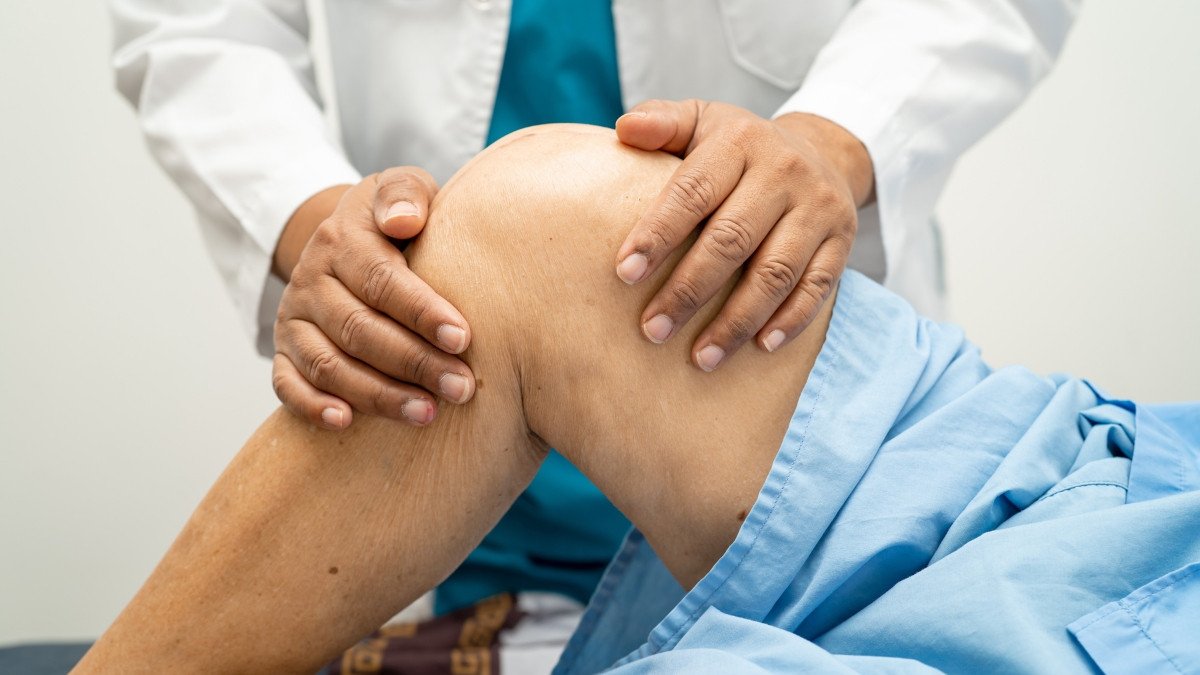
Your knees ache the moment you stand up after a long sit. Your hips feel rusty on the first few steps of the morning. You reach for glucosamine and hope it helps.
Sound familiar?
But here is the problem. Reviews of glucosamine show only a small pain benefit at best, and a major American arthritis guideline advises against it for knee and hip osteoarthritis. Meanwhile, your joints keep getting stiffer every hour you stay still.
Left alone, that stiffness shrinks your walks, cuts your activity, and starts a cycle where less movement means even stiffer joints. Slowly, it takes more of your independence.
There is a simpler daily movement hack that works with how senior joint lubrication actually happens. It costs nothing and takes about two minutes at a time. No gym, no pills, no special equipment.
Here is the plan, the science behind it, and what can realistically change in 14 days.
Why Senior Joints Get Stiffer the Longer You Sit
Cartilage, the smooth cushion at the ends of your bones, has no blood vessels. It gets its nutrients from synovial fluid, the slippery liquid inside the joint.
That exchange depends on motion. Movement creates a pumping action that drives fluid in and out of the porous cartilage.
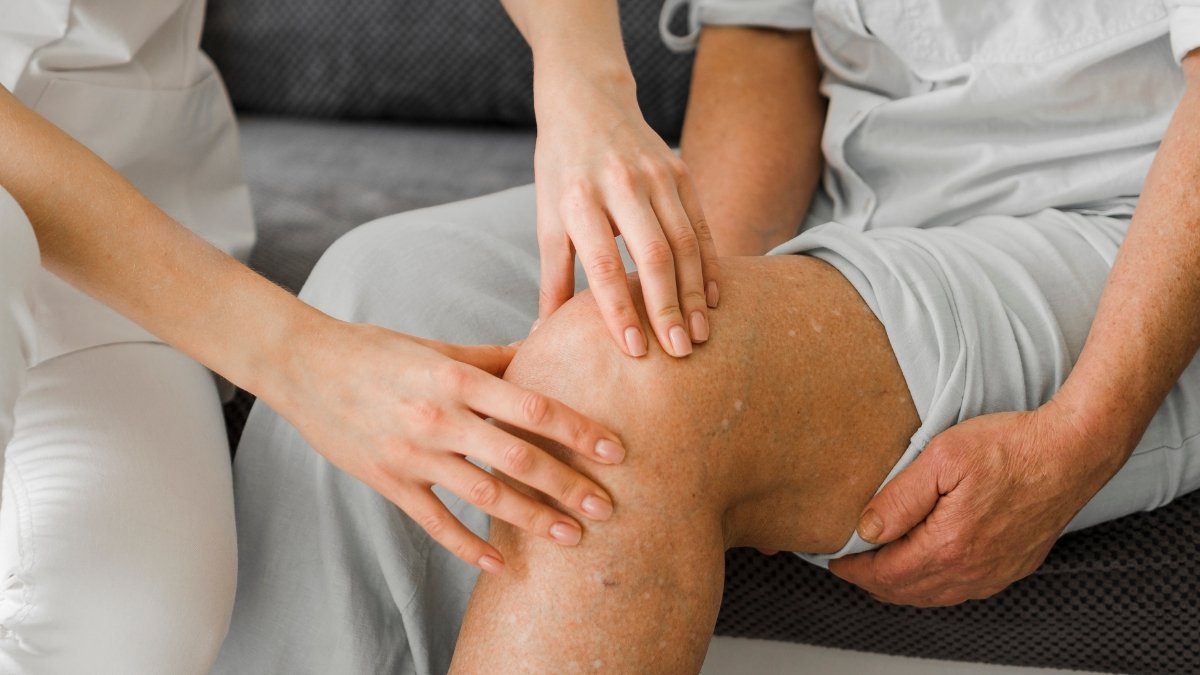
Stillness does the opposite. Researchers at the University of Delaware have shown in lab studies that steady pressure, like sitting or standing for long stretches, squeezes fluid out of cartilage over time.
When the joint moves, a process they call tribological rehydration helps push that fluid back in. This restores the thickness, nutrition, and lubrication of the tissue.
One of their findings matters for everyday life. When the same daily amount of joint movement was broken into longer, less frequent bouts, cartilage samples lost more hydration, pressure, and lubrication than when the movement was spread across shorter, regular bouts.
That was cartilage in a lab, not a trial in seniors. Treat it as a strong clue, not a guarantee.
Walking Beats Lying Down for Cartilage Recovery
An MRI study published in Osteoarthritis and Cartilage Open in late 2024 looked at real knees. Standing compressed the knee cartilage by about 5.1 percent on average.
Lying flat allowed that compression to recover. Walking recovered it too, and it did so nearly three times faster than lying down (0.19 percent strain per minute versus 0.07).

Larger studies point the same way. The MOST study followed 1,462 adults with an average age of 61 for two years, measuring cartilage change with MRI. Higher activity levels were linked to lower odds of cartilage loss, while time spent lying down was linked to more loss.
A University of Delaware analysis of adults with or at risk of knee osteoarthritis found two more patterns. Adults of normal weight who walked fewer than 6,000 steps a day had a higher risk of worsening knee cartilage damage than those who walked 6,000 to 19,500 steps.
And more than 4 hours a day of leisure sitting was tied to a higher risk of structural worsening.
These are associations, which means they show a pattern, not proof of cause. Still, the pattern is hard to ignore.
The information in this article is general and not tailored to you. If you have a diagnosed joint condition, a recent surgery, or take regular medication, talk with your doctor before changing how much you move.
What Glucosamine Can and Can’t Do
Glucosamine is not dangerous, and it is not the fix either. An umbrella review that pooled 19 systematic reviews and meta analyses found a small but statistically significant drop in knee pain on a visual pain scale.
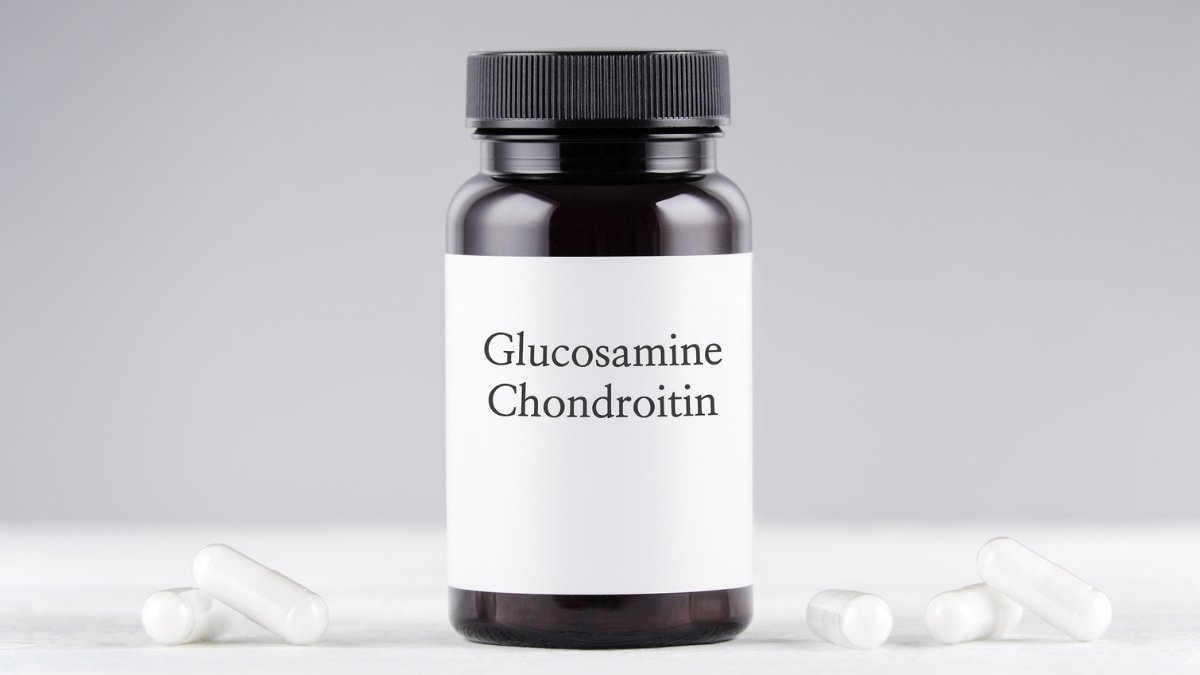
On another standard arthritis measure (WOMAC), the pain and function gains were not statistically significant. Side effect rates were similar to placebo.
The 2019 guideline from the American College of Rheumatology and the Arthritis Foundation goes further. It strongly recommends exercise for knee and hip osteoarthritis, and it strongly recommends against glucosamine.
Knee & Hip Osteoarthritis Strategies
Scientific comparison of supplement efficacy, regular exercise guidelines, and dynamic movement breaks.
Glucosamine Pills
Small pain benefit in pooled reviews; side effects similar to placebo.
Little proof it protects cartilage, and major guidelines advise against it.
Exercise & Walking
Strongly recommended for managing knee and hip osteoarthritis symptoms.
Requires strict consistency, and dosage must fit individual health status.
Movement Breaks
Frequent bouts protect cartilage hydration better than long sedentary gaps.
Not yet clinical-trial tested in seniors as a stand-alone therapy program.
If you already take glucosamine and feel it helps, bring it up with your doctor before changing anything. The point is simple: no capsule can undo hours of stillness.
The Daily Movement Hack: A 2 Minute Joint Reset
Here is the hack. Every 30 to 60 minutes of sitting or standing still, spend two minutes moving your joints slowly through a comfortable range.
No equipment is needed. Use a sturdy chair if balance is a concern.
The exact interval has not been tested in seniors. The logic is straightforward: the shorter the stretch of stillness, the less time your cartilage spends under steady pressure.
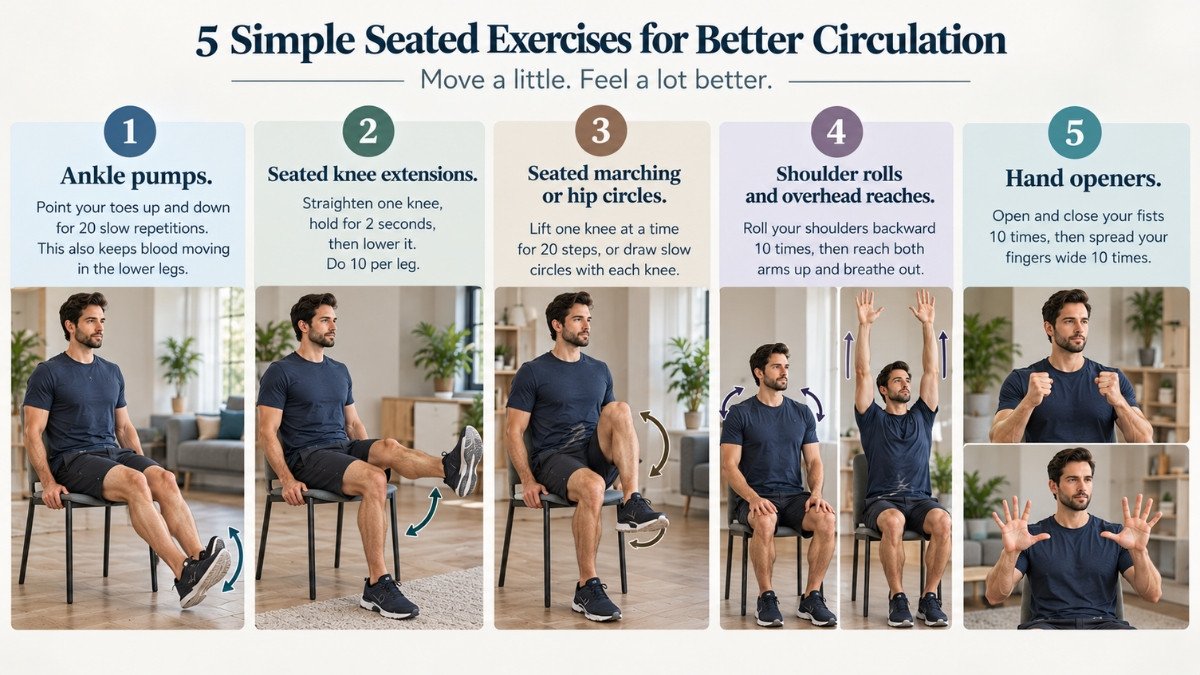
- Ankle pumps. Point your toes up and down for 20 slow repetitions. This also keeps blood moving in the lower legs.
- Seated knee extensions. Straighten one knee, hold for 2 seconds, then lower it. Do 10 per leg.
- Seated marching or hip circles. Lift one knee at a time for 20 steps, or draw slow circles with each knee.
- Shoulder rolls and overhead reaches. Roll your shoulders backward 10 times, then reach both arms up and breathe out.
- Hand openers. Open and close your fists 10 times, then spread your fingers wide 10 times.
These repetitions and holds are starting points, not prescriptions. Pain levels, joint replacements, and medications vary a lot from person to person, so check with your doctor or a physical therapist before you begin.
Keep every movement slow and smooth. A mild stretch is fine. Sharp or pinching pain is your signal to stop.
Two Anchors Worth Adding
Morning, before you stand. Arthritis organizations commonly suggest gentle range of motion exercises in bed before you get up. Try ankle pumps, slow knee bends, and gentle hip rocking for 2 to 3 minutes.

This matters because morning stiffness from osteoarthritis typically eases within about 30 minutes of getting moving, as the joints warm up and fluid circulates.
A 10 minute walk after meals. Walking has the strongest human evidence in this article. The CDC recommends that adults 65 and older aim for 150 minutes a week of moderate activity, plus muscle strengthening on 2 or more days and balance work.
Short walks after meals are an easy way to build toward that target without feeling like a workout.
Your 14 Day Plan
Do not start with everything on day one. Build up in small steps so your joints and your habits have time to adjust.
Progressive Active Recovery Roadmap
A step-by-step habit stacking framework to systematically build daily movement into your routine.
Morning bed routine only.
The 2-minute reset performed three times a day.
Reset every 30 to 60 minutes of sitting, plus a 10-minute walk after one meal.
Walk after two meals, plus a few slow chair stands on 2 of the days.
If a step feels like too much, stay on it for a few extra days. Consistency matters more than speed.
What Can Realistically Change in 14 Days
Here is the honest part. No study has shown that joint lubrication or cartilage is rebuilt in 14 days, and anyone who promises that is selling something.
What is reasonable to expect is smaller. Some people find their joints feel looser and their first steps feel easier within a couple of weeks, though results vary and this exact timeline has not been studied.
Try this quick check. On day 1, note how many minutes it takes for your knees or hips to feel loose after you get up. Write it down again on day 14.
If that number drops, your routine is likely helping. If it does not change, or stiffness lasts an hour or more, that is useful information to bring to your doctor.
Try This Today
- Do ankle pumps and slow knee bends in bed before your feet touch the floor.
- Set a phone timer to ring every 45 minutes while you sit.
- Take a 10 minute walk after your next meal, even at an easy pace.
- Write down your “minutes until loose” number so you can compare it on day 14.
Questions Most Seniors Ask Next

Will moving this much wear out my joints?
The research points the other way for most people. In the MOST data, lying down, not walking, was linked to more cartilage loss. Researchers now describe knee osteoarthritis as more than simple wear and tear.
That said, the best amount of activity for severe arthritis varies, so let your doctor guide you.
What if it hurts?
A mild ache or stretch that settles soon after you stop is different from sharp, pinching, or worsening pain. Stop if you feel the second kind, and ask your doctor or a physical therapist for a version that suits your joints.
Who should go slower?
Anyone with a recent joint replacement, heart or lung conditions, balance problems, or a history of falls should get a clinician’s guidance first. Seated versions of every move in this article are a safe place to start.
When to Skip the Exercises and Call Your Doctor
Stop and get medical advice if you notice any of these:
- A joint that is suddenly swollen, hot, or red
- Morning stiffness that lasts an hour or longer, which rheumatologists treat as a key sign of inflammatory arthritis
- Sudden severe pain after a fall, or being unable to put weight on a leg
- Chest pain, dizziness, or shortness of breath during activity
The Small Habit That Keeps Joints Moving,
Your joints are built to move. Cartilage depends on motion to take in nutrients and push out waste, and long stretches of stillness work against that.
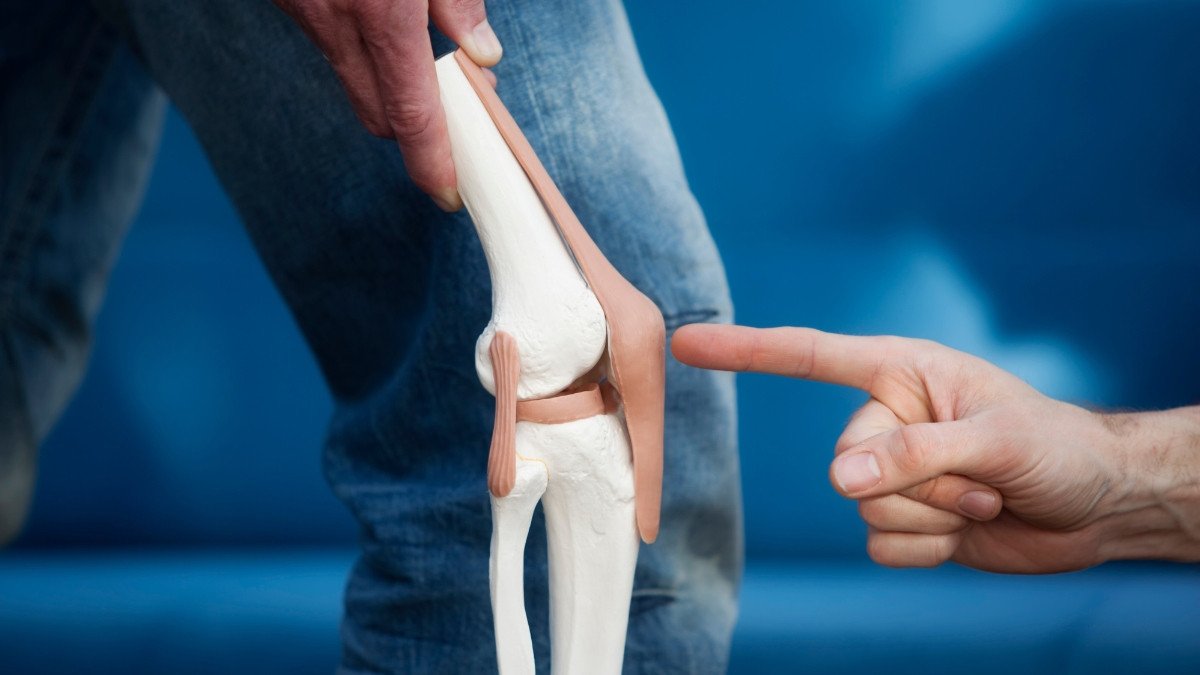
Glucosamine may take the edge off pain for some people, but it does not replace movement. Two minutes of slow motion every hour, a short walk after meals, and a gentle start in bed give your joints what they actually use.
Give the 14 days an honest try, track your numbers, and let your results guide the next step.
This article is for informational purposes only and is not a substitute for professional medical advice, diagnosis, or treatment. Always consult your doctor or a qualified healthcare provider before making changes to your diet, supplements, exercise routine, or medications, especially if you have an existing health condition.