

Your gut manages a large share of your immune system, and after 65 it often starts doing that job less well.
It loses microbial diversity, the intestinal lining can turn leaky, and low grade chronic inflammation settles in quietly. Researchers call it inflammaging, and it is linked to heart disease, stroke and dementia. You will not feel it happening, which is exactly why it is so easy to ignore.
Here is the part most people miss. A few fermented foods have real human research behind them for calming that process, and one is probably in your refrigerator right now.
Not a pill. Not a powder. Just ordinary food from any grocery store.
This guide covers the three worth your money after 65, what the studies actually found, where the evidence is thinner than the headlines suggest, and how to start slowly without upsetting your stomach or your blood pressure.
Before making any changes based on this article, talk to your doctor, especially if you take medication, manage high blood pressure, or have a weakened immune system.
Why Fermented Foods Matter More After 65
Your gut is home to trillions of microbes, and they do far more than digest dinner. They train immune cells, make compounds that feed the intestinal lining, and help keep inflammatory signals in check.
With age, that balance shifts. Studies of older adults describe fewer beneficial bacteria, more bacteria that can provoke inflammation, and a thinner defense at the gut wall.
When that barrier weakens, more gut derived irritants reach the bloodstream. The immune system answers with a constant, low level alarm.

That is inflammaging: slow, steady inflammation that rises with age and shows up alongside heart disease, diabetes and cognitive decline.
Here is the honest caveat. In people, the link between an aging microbiome and inflammaging is a strong correlation, and the cause and effect part is still being worked out. Some of the clearest evidence comes from mice, where moving gut bacteria from old animals into young germ free mice promoted inflammaging.
Which brings us to food.
The Stanford Experiment Behind the Buzz
In 2021, Stanford researchers published a trial in the journal Cell. They randomly assigned 36 healthy adults to a 10 week diet built around either fermented foods or high fiber foods.
The fermented group ate yogurt, kefir, fermented cottage cheese, kimchi and other fermented vegetables, vegetable brine drinks and kombucha. By the end, they were eating about six servings a day, up from almost none.
Their gut microbial diversity rose, and bigger servings produced bigger effects. Levels of 19 inflammatory proteins in their blood fell, including interleukin 6, a protein linked to rheumatoid arthritis,

type 2 diabetes and chronic stress. Four types of immune cells also showed less activation.
The high fiber group did not see a drop in any of those 19 proteins during the same 10 weeks. That does not make fiber useless. It means fermented foods produced the clearer drop in inflammatory proteins in that window, and the Stanford team has said it wants to test whether the two work even better together.
Now the fine print. This was a small trial of healthy adults, not one built around people over 65. It shows what is possible, and it does not promise the same result for every senior.
How Strong Is the Evidence for Each Food?
Here is a quick view of what exists for the three foods below, and who was actually studied.
Fermented Foods & Anti-Inflammatory Evidence
A clinical breakdown of strongest research findings and studied cohorts for key fermented foods.
Plain Yogurt
Lower Interleukin-6 (IL-6) and fibrin levels in regular eaters (observational data).
1,753 community-dwelling adults.
Kefir
C-reactive protein (CRP) fell in trials lasting 8+ weeks, though results varied across trials.
7 trials with 385 adults, plus 1 trial in men aged 65+.
Kimchi
Significantly lower inflammatory cytokines observed after 12 weeks of consumption.
90 adults with Irritable Bowel Syndrome (IBS).
Notice the gap. Long, large trials of single foods in healthy adults over 65 are still missing.
That is why the smartest move is a steady habit, not a miracle food.
The 3 Fermented Foods Worth Adding
1. Plain Yogurt With Live and Active Cultures
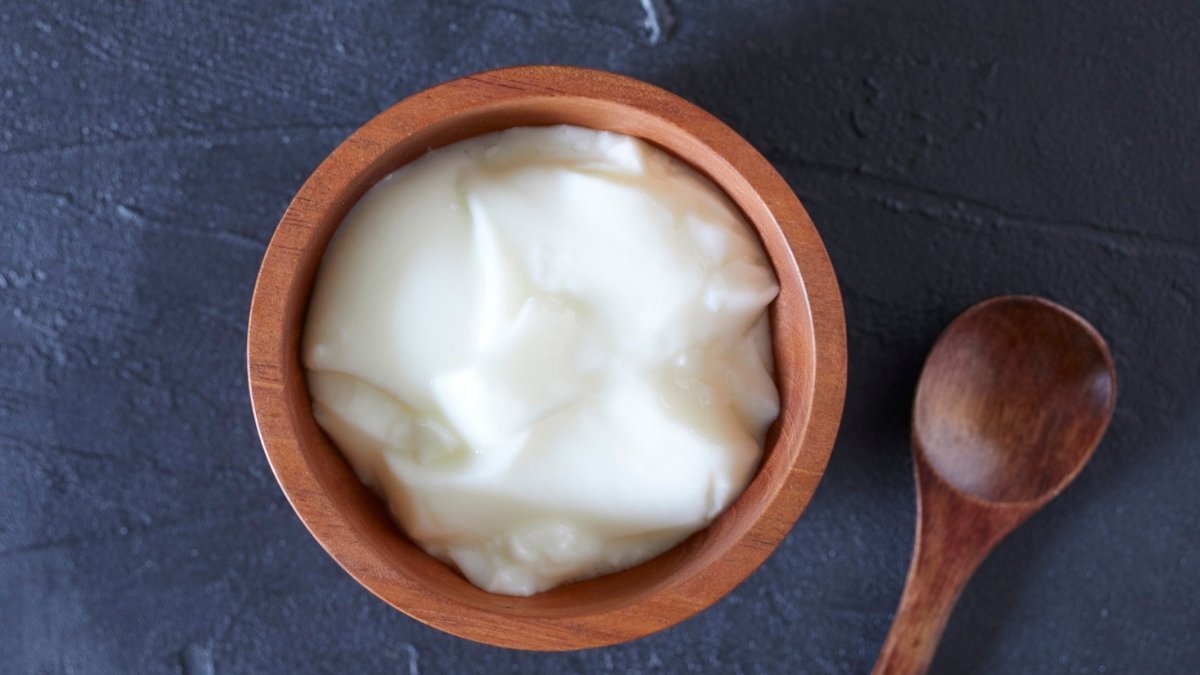
Yogurt is the easiest place to start, and it has the strongest long running data of the three.
In the Framingham Offspring Study, researchers tracked the diets of 1,753 community dwelling adults and measured six inflammation markers in their blood. People who ate yogurt had lower levels of interleukin 6 and fibrin than people who did not.
Milk and cheese showed no such link. Only yogurt stood out, which suggests the fermentation may be doing part of the work.
This was an observational study, so it shows an association and cannot prove that yogurt caused the lower numbers. Plenty of other things differ between people who eat yogurt daily and people who never touch it.
Why might it work? One idea, tested by University of Wisconsin Madison researchers, is that yogurt helps protect the intestinal lining. A stronger lining means fewer endotoxins (inflammatory molecules made by gut microbes) slip into the blood.
In their trial of healthy premenopausal women, regular yogurt eaters improved on markers such as TNF alpha, a protein that switches inflammation on. The National Dairy Council funded the work, so read it with that in mind.
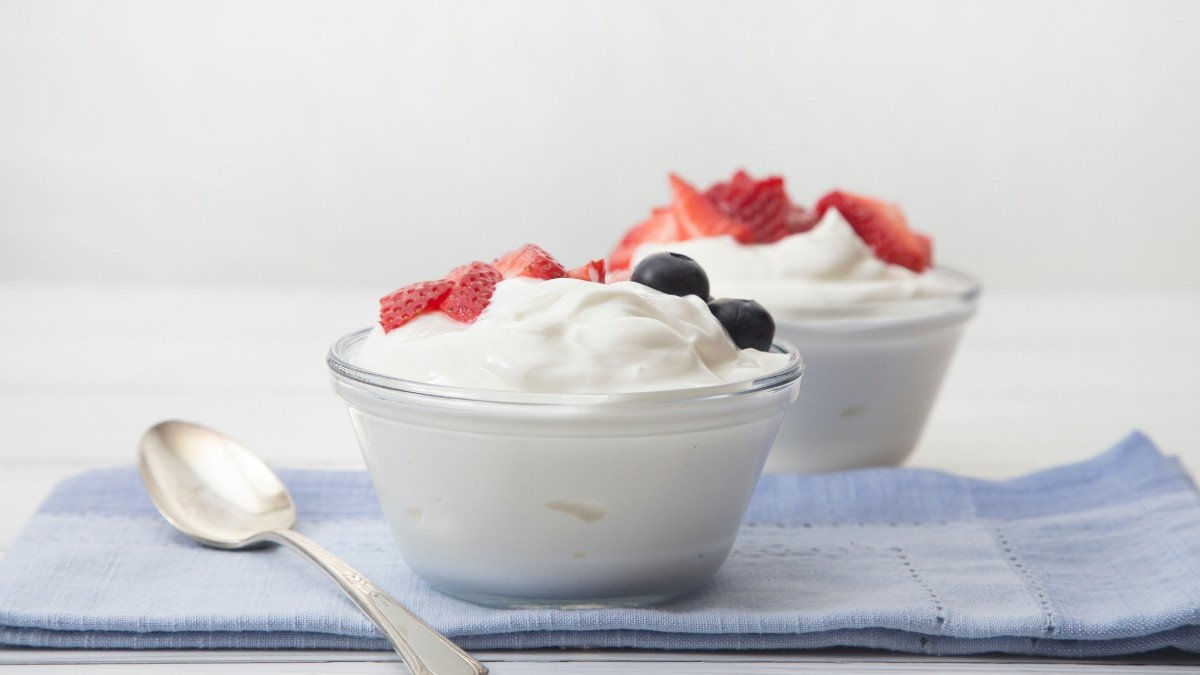
For readers over 65, yogurt also brings protein and calcium. It is usually easier to digest than milk for people who have become lactose intolerant.
What to buy: plain yogurt carrying the Live & Active Cultures seal, which indicates at least 100 million live cultures per gram at the time of testing. The seal is voluntary, so some good yogurts lack it, but it is the easiest shortcut.
Skip any yogurt that was heat treated after fermenting, since heat kills the cultures. Skip the sweetened cups too, because added sugar can undercut an otherwise healthy food.
A single serving a day, roughly a cup, is a realistic habit.
2. Kefir: The Slow Burn Drink
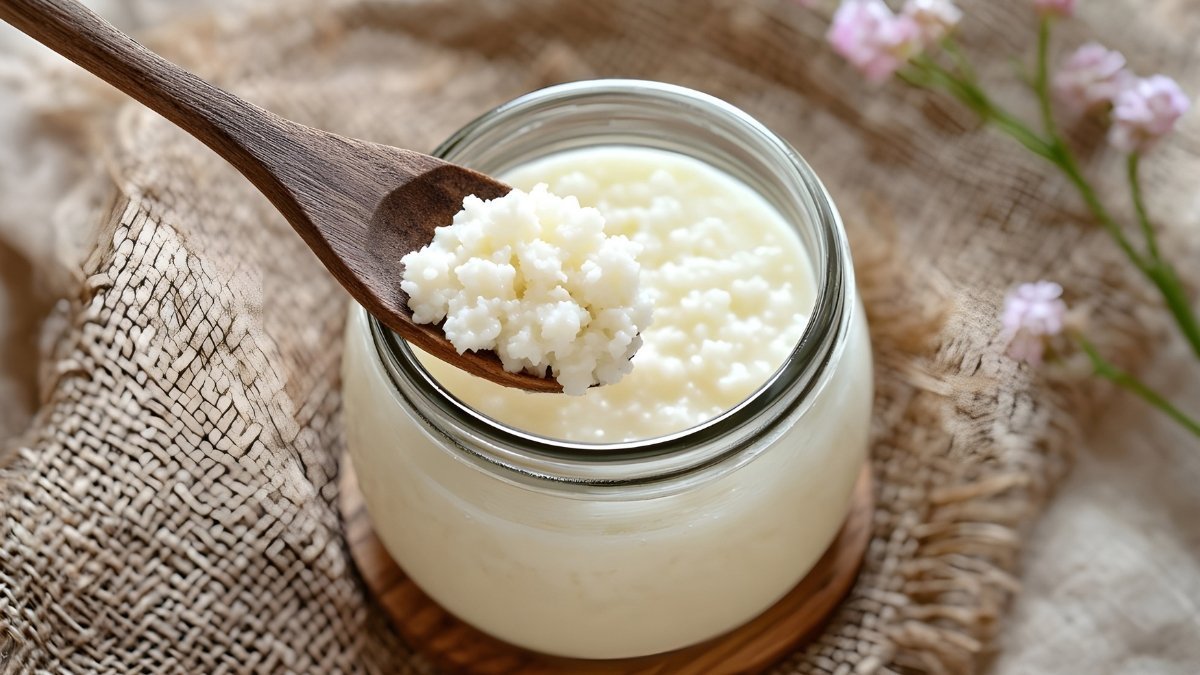
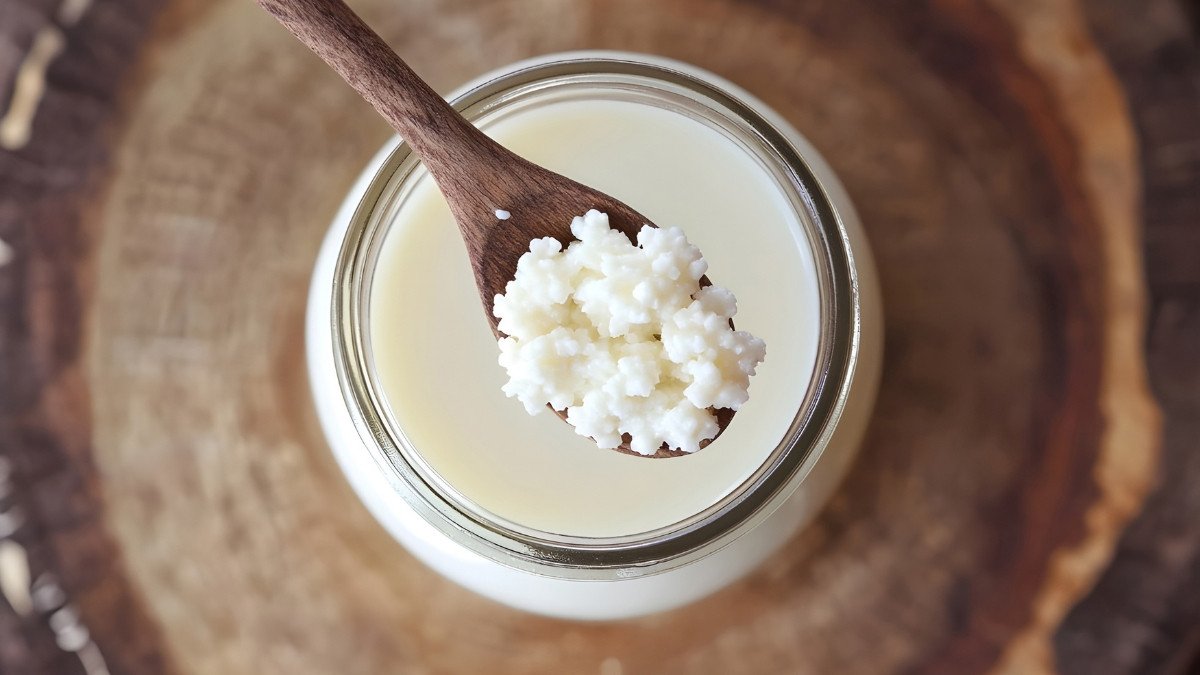
Kefir is a tangy, drinkable fermented milk made with kefir grains, a clump of bacteria and yeasts. It usually carries a broader mix of microbes than yogurt, which is why gut researchers like it.
Here is where the story gets interesting, and a little humbling. A 2025 meta analysis pooled seven randomized trials with 385 adults and found that kefir did not significantly lower C reactive protein (CRP), a standard blood marker of inflammation, across all the trials.
But in a subgroup analysis, trials lasting eight weeks or longer did show a significant drop in CRP. Kefir looks like a habit that pays off slowly, not a one week fix.
One trial looked specifically at men over 65. It enrolled 67 overweight or obese men and gave them kefir for eight weeks, with about half receiving kefir fortified with two extra probiotic strains.
The fortified group improved more on a depression screening scale. The two groups did not differ meaningfully on inflammation markers, apart from one antioxidant measure.
Because both groups drank kefir, that trial cannot tell us how kefir compares with drinking nothing.
How to use it: start with a quarter cup, then work up to one cup a day over a couple of weeks. Choose plain kefir that lists live cultures, and check the sugar line, because flavored bottles can be sweet.
Kefir may also be easier on the lactose than a glass of milk, because fermentation breaks some of it down.
3. Kimchi: The Bold One
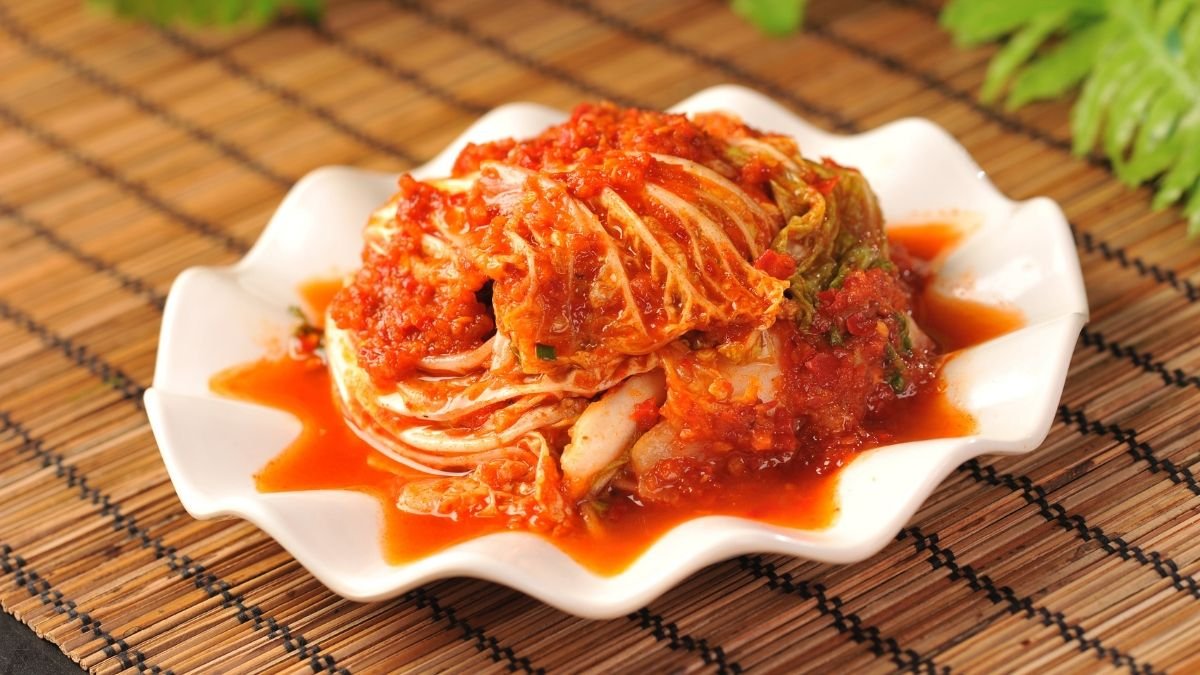
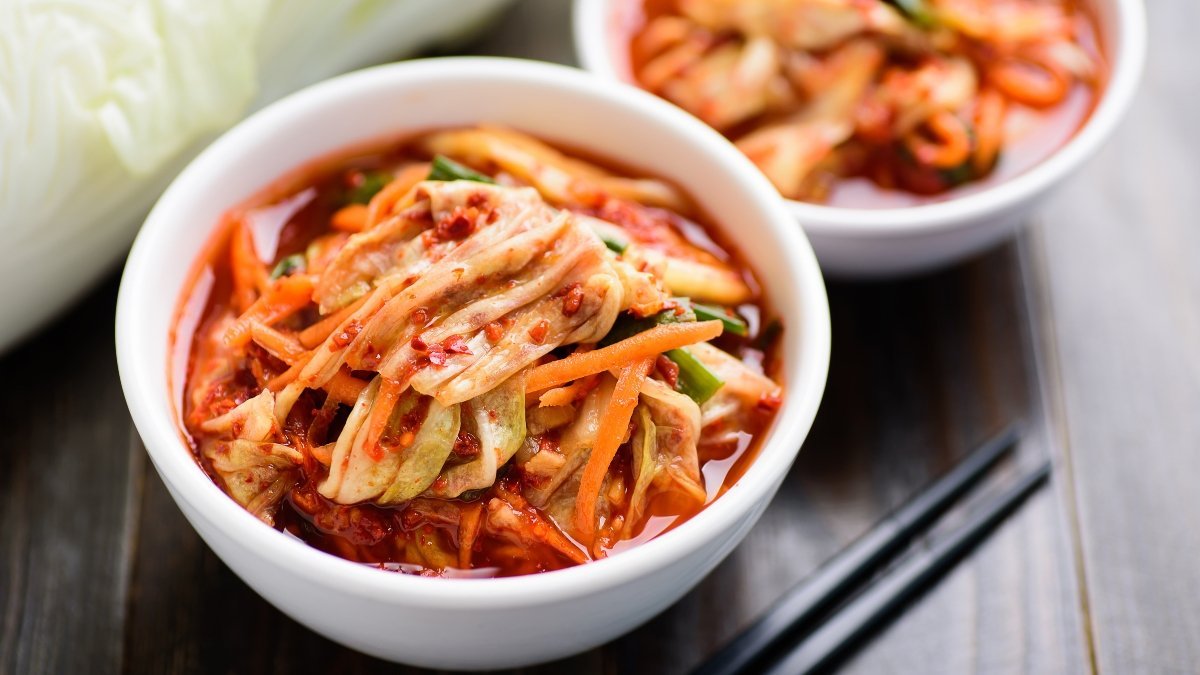
Kimchi is a Korean staple of fermented cabbage and other vegetables, seasoned with garlic, ginger and chili. It delivers live lactic acid bacteria and fiber in the same bite, about 3 grams of fiber per 100 grams.
That pairing matters. Fiber feeds your gut bacteria, and in return they produce short chain fatty acids, compounds that help strengthen the intestinal wall and calm inflammatory signaling.
The best human evidence comes from a 2022 randomized, double blind trial in Food & Nutrition Research. Three groups of 30 adults with irritable bowel syndrome ate 210 grams of kimchi a day, in standard or enhanced versions, for 12 weeks.
The researchers reported lower inflammatory cytokines in the blood and relief of IBS symptoms. The participants had IBS and the trial was not designed around older adults, so the findings are suggestive, not proof for seniors.
If kimchi’s heat is too much for you, refrigerated sauerkraut is the milder cousin. Lab work on human gut cells found that both homemade and store bought refrigerated sauerkraut helped protect them from inflammation related damage, though that is early, cell level evidence.
Here is the catch for anyone watching blood pressure. Kimchi runs around 670 milligrams of sodium per 100 grams, and a cup of sauerkraut delivers close to 1,000 milligrams.
The American Heart Association sets the ideal sodium limit at 1,500 milligrams a day, especially for people with high blood pressure. The federal maximum for most adults is 2,300.
At 670 milligrams per 100 grams, the 210 grams used in that trial would carry roughly 1,400 milligrams of sodium. That is close to the entire ideal daily limit for someone with high blood pressure.
How to use it: treat kimchi like a condiment. Start with two tablespoons beside a meal, and read the sodium line before you buy.
Choose refrigerated, unpasteurized versions when you can, because canning and other heat processing can inactivate the live cultures.
How to Start Without Upsetting Your Stomach
Gas and bloating are common when you first add fermented foods. Going slowly avoids most of it.
Start with one food and one small serving a day. After a week, add a second food, and build toward all three over the following weeks.
Fermented Foods Starter Guide
Targeted daily starting amounts and essential quality labels to look for when introducing fermented foods.
Half a cup a day
Live & Active Cultures seal, no added sugar.
A quarter cup a day
“Live cultures,” plain, low sugar.
2 tbsp with a meal
Sodium per serving, refrigerated & unpasteurized.
Stay consistent for 8 to 10 weeks before you judge the results. That matches the length of the Stanford trial and the point where the kefir trials began showing a CRP drop.
Stanford participants who ate larger servings saw bigger gains in gut diversity. You do not need to match their six servings a day, because no official daily amount exists, so the best plan is a steady habit your stomach and your doctor can live with.
Portions and sodium limits vary from person to person, so check with your doctor or a dietitian before building up if you manage blood pressure or kidney disease, or take medication.
Who Should Be Careful With Fermented Foods?
For most people, fermented foods are a net positive. The risks are real but concentrated in a few groups.

- High blood pressure, heart failure or kidney disease: The sodium in kimchi and sauerkraut adds up fast, so portions may need strict limits.
- MAOI medications: Fermented foods can be high in tyramine, which can trigger dangerous blood pressure spikes in people taking MAOIs. Ask your prescriber before eating them.
- Histamine sensitivity: Fermented foods can contain histamine, which may cause headaches, flushing or palpitations in sensitive people.
- Weakened immune system: Clinical guidance for people on immune suppressing drugs or with organ transplants is limited, and some trials of high fermented food diets exclude them. Get your doctor’s approval first.
- IBS, IBD or SIBO: Some people with these conditions find fermented foods make symptoms worse, so response varies.
Stop and Call Your Doctor If You Notice:
- A sudden pounding headache or racing heartbeat after eating fermented foods, especially if you take an MAOI
- Persistent diarrhea, blood in your stool, or belly pain with a fever
- New ankle swelling or a jump in your home blood pressure readings after adding salty ferments
- Hives, facial swelling or trouble breathing after eating (seek emergency care)
Try This Today
- Swap one sweetened yogurt for plain yogurt with the Live & Active Cultures seal.
- Pour a quarter cup of plain kefir and drink it with breakfast.
- Put two tablespoons of kimchi beside your next dinner, and read the sodium line first.
- Keep your regular fiber foods: beans, oats, vegetables and fruit.
- Note your digestion and energy once a week for 8 weeks.
The Bottom Line on Fermented Foods After 65
No single food will switch off chronic inflammation. The research points to a steady pattern: a few live culture foods, eaten regularly, alongside the fiber your gut bacteria already depend on.

Yogurt gives you the most familiar starting point. Kefir rewards patience, and kimchi packs the most punch if your blood pressure can handle the salt.
Start small, stay consistent for about two months, and let your own body and your doctor set the pace.