
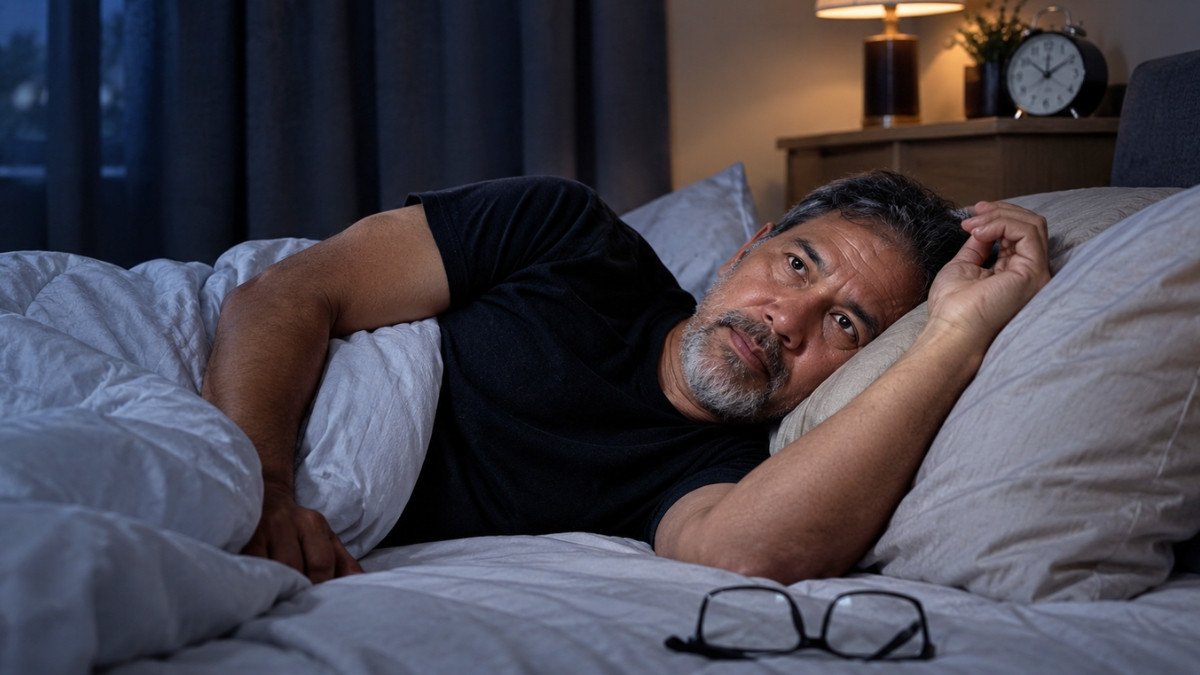
You wake at 3 a.m., stare at the ceiling, and tell yourself this is just what getting older feels like.
That assumption can be expensive. Poor sleep after 65 keeps showing up in the research next to dementia, heart disease, diabetes, falls, and depression.
Turns out the full story is more interesting than that, and the fixes are more realistic than most people expect.
Before making any changes based on this article, talk to your doctor, especially if you take medication or have a diagnosed condition.
Why Poor Sleep After 65 Is Not Just Normal Aging
Sleep does change as you get older. Nights get lighter and more fragmented, and total sleep time slips by roughly ten minutes per decade. retirementlivingnih
What does not shrink is the amount your body needs. A National Sleep Foundation expert panel reviewed hundreds of studies and settled on 7 to 8 hours a night for adults 65 and older. healthinagingaarp
A UCLA sleep specialist who helped write those guidelines says older adults usually sleep less because something is getting in the way. Pain, sleep apnea, anxiety, depression, and certain medications are the usual suspects. newswise
That reframes the whole issue. Short sleep after 65 is often a symptom of a fixable problem, not a built in feature of age.
What Poor Sleep Does to the Aging Brain
Start with the finding that gets the most attention. In a small National Institutes of Health study, 20 healthy volunteers ages 22 to 72 had their brains scanned after a night of rested sleep and again after a night without sleep. nih
Beta amyloid, a protein tied to Alzheimer’s disease, rose by about 5 percent in the hippocampus and thalamus. Those are two regions that Alzheimer’s tends to affect early. nih
The volunteers were adults of all ages, not only seniors, so this is a clue and not a verdict. Scientists suspect sleep helps power a natural waste removal system that clears material like amyloid from the brain. expressandstar

A larger look at real seniors came from Brigham and Women’s Hospital. Among Medicare beneficiaries 65 and older, people who reported sleeping fewer than 5 hours a night had double the dementia risk of people sleeping 7 to 8 hours. harvard
Here is the honest part. The authors say more study is needed to understand cause and effect. harvard
Sleeping far more than usual has been flagged too. One large English study of adults 65 and older linked sleeping over 8 hours to a 64 percent higher dementia risk, yet a genetic analysis in the same study found no causal relationship. physiciansweekly
Researchers suspect an underlying health problem may drive both the extra sleep and the memory decline. NBC News
How Poor Sleep Strains the Heart, Blood Sugar, and Balance
Your Heart Never Gets Its Overnight Break
During healthy sleep, blood pressure drops, which lets the heart and blood vessels rest. Cut sleep short and the heart spends less time at that lower pressure. carp
A Japanese study followed 1,255 people with high blood pressure, average age about 70, for roughly four years. Sleeping under 7.5 hours predicted more heart attacks, strokes, and other cardiovascular events. contemporaryobgyn
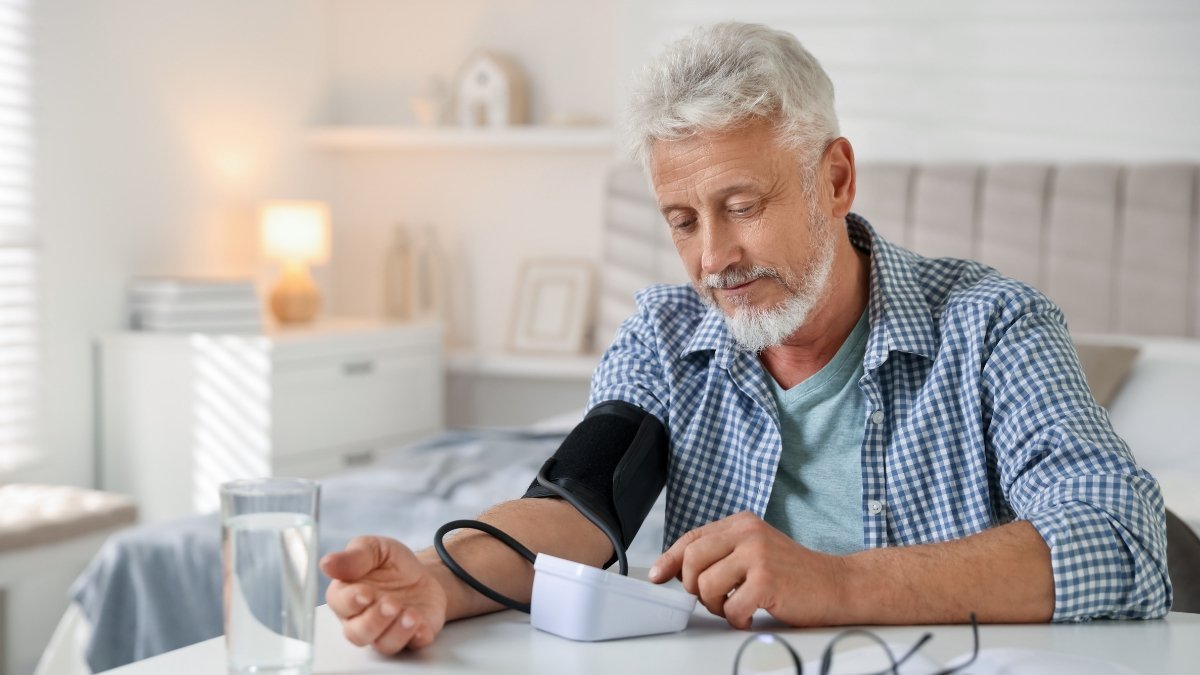
The danger was highest in people who slept less and whose blood pressure also rose overnight. Their rate of events was more than four times higher than people with longer sleep and normal overnight pressure. contemporaryobgyn
Everyone’s body responds differently, so check with your doctor before acting on any numbers here, especially if you have high blood pressure or take medication.
Blood Sugar Takes a Hit Too
The Cardiovascular Health Study followed 5,888 adults age 65 and older. Observed pauses in breathing during sleep were linked to an 84 percent higher risk of developing type 2 diabetes,
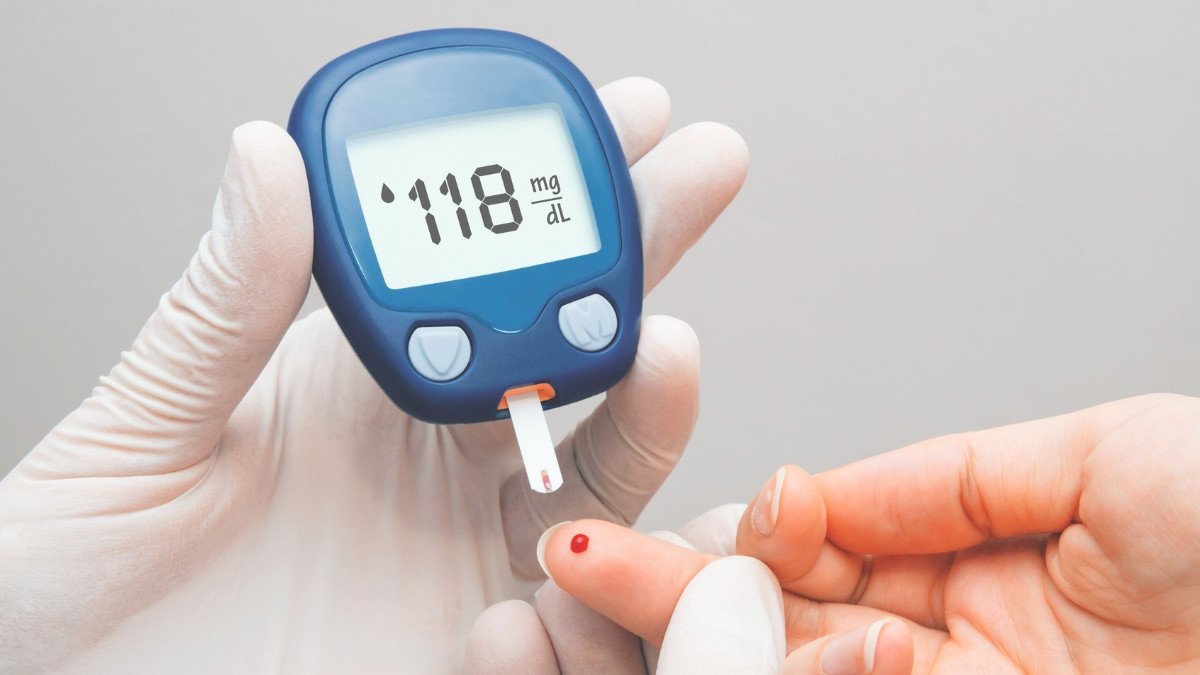
and daytime sleepiness to a 54 percent higher risk. chs-nhlbiescholarship
Insomnia symptoms were not consistently linked to diabetes in that study. Breathing trouble at night was the stronger signal. escholarship
Why Falls Follow Bad Nights
In Italian patients age 75 and older, poor sleep quality was tied to about double the odds of a higher estimated fall risk, and excessive daytime sleepiness to about 2.5 times the odds. dp
A US study of nearly 10,000 older adults found that sleep problems raised fall risk, and adding sleep medication raised it further. vcu
Why Poor Sleep and Low Mood Feed Each Other
A randomized trial published in JAMA Psychiatry enrolled 160 adults over age 60, including 53 with insomnia. Researchers gave participants a controlled inflammatory challenge and tracked their mood. sleepreviewmag
Older adults with insomnia showed a threefold greater increase in depressed mood than healthy sleepers.
Separately, insomnia is associated with a nearly doubled risk of depression. sleepreviewmagnih
Researchers believe disturbed sleep activates inflammatory signaling and primes the immune system. That is why UCLA researchers advise doctors to watch for depression in older adults with insomnia who develop an infection. nihuclahealth
The Full Picture at a Glance
Here is how the research stacks up, along with the type of study behind each finding.
The Sleep Health & Risk Matrix
Clinical evidence connecting insufficient or disrupted sleep to serious chronic health outcomes across adult populations.
Dementia Risk
Under 5 hours of sleep is linked to double the risk of cognitive decline.
Survey of Medicare enrollees aged 65 and older.
Heart Disease
Sleeping under 7.5 hours predicted significantly more cardiovascular events.
Four-year follow-up study on high blood pressure groups.
Type 2 Diabetes
Breathing pauses and daytime sleepiness linked to higher metabolic risk.
Cohort study of 5,888 adults aged 65 and older.
Fall Risk & Mobility
Poor sleep quality is tied to about double the odds of higher fall risk.
Cross-sectional study of patients aged 75 and older.
Depression & Mood Drops
Insomnia is tied to a threefold bigger mood drop when combined with body inflammation.
Randomized clinical trial involving 160 adults.
Notice what this table does not say. None of these studies prove that poor sleep alone causes the disease.
Illness can wreck sleep too, through pain, breathing trouble, or early memory changes. The relationship very likely runs in both directions, which is exactly why fixing sleep is worth a serious try.
The Hidden Culprit Most Seniors Never Get Checked For
Sleep apnea deserves extra attention. A pooled analysis of many studies estimated that roughly 36 percent of older adults have obstructive sleep apnea, and it was tied to obesity, cardiovascular disease, diabetes, and daytime sleepiness. nih
In a Swedish study of 71 year old men, about 29 percent had it, and severe cases carried more than double the odds of atrial fibrillation. That is an irregular heart rhythm.
Each pause in breathing can jolt the brain out of deep sleep. You can spend eight hours in bed and still wake up unrefreshed, without ever remembering the interruptions.
When to See a Doctor Soon
Call your doctor if you notice any of these:
- Loud snoring with gasping, or pauses in breathing that someone has noticed
- Falling asleep during the day without meaning to
- Low mood, hopelessness, or loss of interest lasting more than two weeks
- New confusion, memory lapses, or a fall you cannot explain
What Actually Works, and It Is Not a Pill
The American College of Physicians recommends cognitive behavioral therapy for insomnia, often shortened to CBTi, as the first treatment for chronic insomnia. Its benefits tend to last longer than those of sleep medication. The RESTING Insomnia Study: Randomized Controlled Study on Effectiveness of Stepped-Care Sleep Therapy +2
In older adults with insomnia, CBTi cut new and returning major depression by 51 percent compared with sleep education. Most programs take about 4 to 8 hours of training spread over several weeks. nihalosahealth

A shorter version focuses on limiting time in bed, using the bed only for sleep, and basic sleep habits, and it has also been shown to work. immattersacp
Sleeping pills are a different story. The American Geriatrics Society’s Beers Criteria, a list of medications that carry extra risk after 65, advises avoiding benzodiazepines for insomnia and limiting newer prescription sleep drugs to under 90 days. clinicaltrials
Insomnia Treatment & Clinical Guidelines
Official medical guidance for adults aged 65 and older regarding chronic insomnia therapies, prescription drugs, and over-the-counter aids.
CBT-i (Cognitive Behavioral Therapy)
First-line treatment for chronic insomnia, with longer-lasting benefits than pills.
Ask your primary doctor for a formal clinical referral.
Benzodiazepines (e.g., Temazepam)
Avoid for insomnia due to high risks of confusion, severe falls, and bone fractures.
Never stop on your own; ask your doctor about a safe tapering schedule.
Zolpidem & Similar Drugs
Not recommended for continuous use beyond 90 days.
Keep usage strictly short-term under strict medical guidance.
OTC Sleep Aids (Diphenhydramine)
Avoid entirely for sleep, except for treating severe allergic reactions.
Carefully read product ingredient labels before buying over-the-counter meds.
Remember the fall study from earlier, where sleep medication added risk on top of sleep problems. That is one more reason to ask about CBTi first.
Quick Answers Readers Ask Most

Is 6 hours enough if I feel fine?
The National Sleep Foundation panel noted that some people need slightly less or more than the standard range, so treat 7 to 8 hours as a guide. If 6 hours comes with daytime sleepiness or a low mood, take that as a signal. healthinaging
Which comes first, bad sleep or the health problem?
Often they feed each other. That is why treating sleep apnea or insomnia is worth doing even when another condition is also in play.
Should I sleep in to catch up?
Consistency matters more. A study of lower income older adults found that people whose sleep duration shifted in less than ideal ways over about five years had a 20 to 69 percent higher dementia risk than those who stayed in the 7 to 9 hour range. vanderbilt
Try This Today: The Sleep Reset Checklist
- Pick one wake up time and keep it every day, weekends included.
- Get outside within an hour of waking so morning light can anchor your body clock.
- Keep naps to about 30 minutes or less, and earlier in the day.
- Move coffee and tea to the morning.
- Jot down bedtime, wake time, and night waking for two weeks, then bring that log to your doctor.
The Bottom Line on Sleep After 65,
Poor sleep after 65 is not a harmless quirk of age. It sits alongside dementia, heart disease, diabetes, falls, and depression, and the evidence suggests the link runs both ways.
The encouraging part is that the biggest drivers, such as sleep apnea and chronic insomnia, are treatable. Start with the two week log, book the conversation, and ask about CBTi.