

It is a common scenario: unwinding after a long day, often well past 9 PM, with a bowl of cereal, a few slices of pizza, or a “harmless” snack. A prevailing belief has been that a “calorie is just a calorie,” and as long as total daily intake is managed, the time of consumption is irrelevant.
However, a significant body of 2025-era research directly challenges this notion. The evidence is increasingly clear: the human body’s metabolism is not a 24/7 operation. This report will expose the silent damage—from weight gain and metabolic chaos to severe digestive issues and sleep disruption—caused by eating after dark.
It will explore the science of ‘chrononutrition’ and provide an actionable, evidence-based plan to mitigate these risks, even within the constraints of a modern, busy schedule. The dangers of late-night eating are not a myth; they are a biological reality rooted in the body’s internal clock.
The Midnight Myth: Why a Calorie at 10 PM Is Not the Same as a Calorie at 10 AM

The most critical health lesson of 2025 may not be what people eat, but when they eat it. The disconnect lies between our modern 24/7 lifestyles and our ancient biological programming.
The Body’s Master Clock
The human body operates on a natural 24-hour internal clock called the circadian rhythm. This “master clock,” located in the brain, governs nearly every bodily function, including sleep-wake cycles, hormone release, and, crucially, digestion and metabolism.
This internal clock is synchronized by external cues, primarily light, but also by food intake.
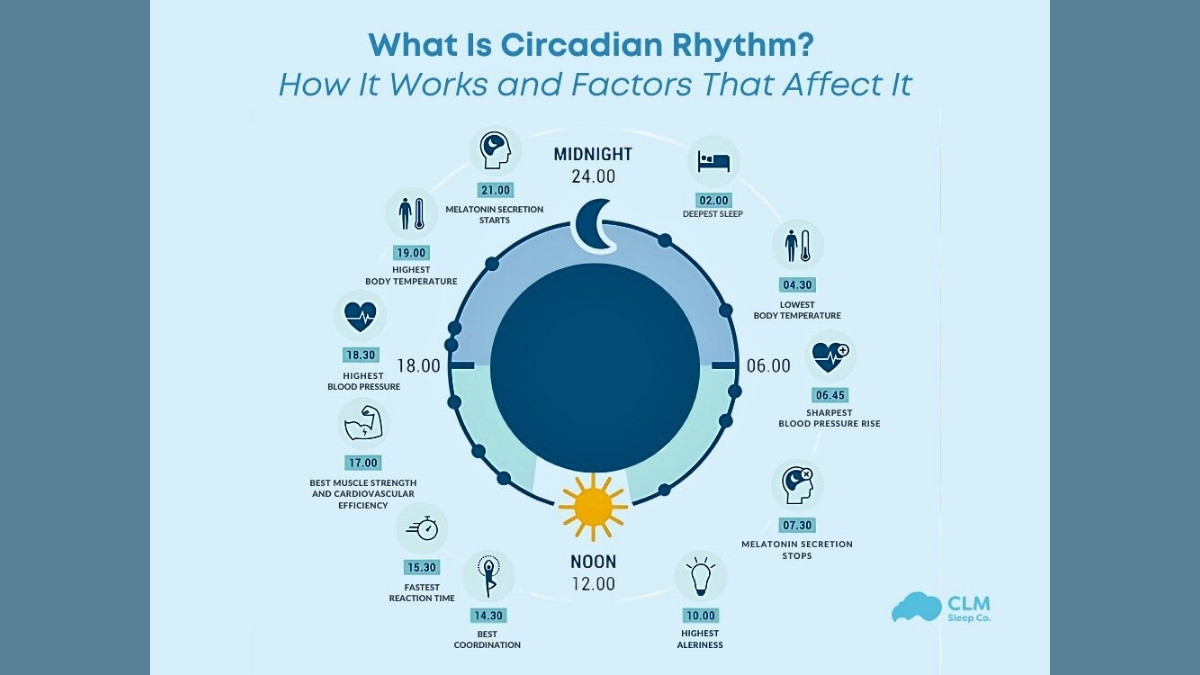
The emerging field of chrononutrition and metabolism studies this exact interaction: how the timing of food consumption impacts health. Research in this area reveals that our bodies are metabolically “primed” for food intake during the day.
The “Metabolic Sunset”
As daylight fades, the body’s systems begin to slow down and prepare for a state of rest and repair. This “metabolic sunset” includes two critical changes:
- Slower Digestion: Gastric emptying (the speed at which food leaves the stomach) peaks in the morning. Food eaten late at night simply sits in the stomach longer, taking more time to break down and leading to discomfort, bloating, and disturbed sleep.
- Lowered Insulin Sensitivity: This is the most significant metabolic danger. Insulin sensitivity—the body’s ability to efficiently use insulin to clear sugar (glucose) from the bloodstream—is highest in the morning and lowest at night.
This means the same meal eaten at 10 PM will provoke a vastly different and more harmful biological response than if it were eaten at 10 AM. A small 2023 crossover study published in The Journal of Nutrition provided direct proof:
When healthy men followed a late eating schedule (all meals between 12 PM and 11 PM), they experienced, on average, 8-point higher 24-hour glucose spikes compared to a standard schedule.
Circadian Misalignment: The Root of the Problem
Eating late at night, when the body is biologically preparing for sleep, creates a state of “circadian misalignment”. This is akin to asking the body’s digestive organs—the liver, pancreas, and stomach—to run a marathon just as they are clocking out for their nightly shift. This misalignment is the foundational mechanism behind the diverse health risks associated with eating after dark.
The “Destruction” Part 1: Your Body in Fat-Storage Mode
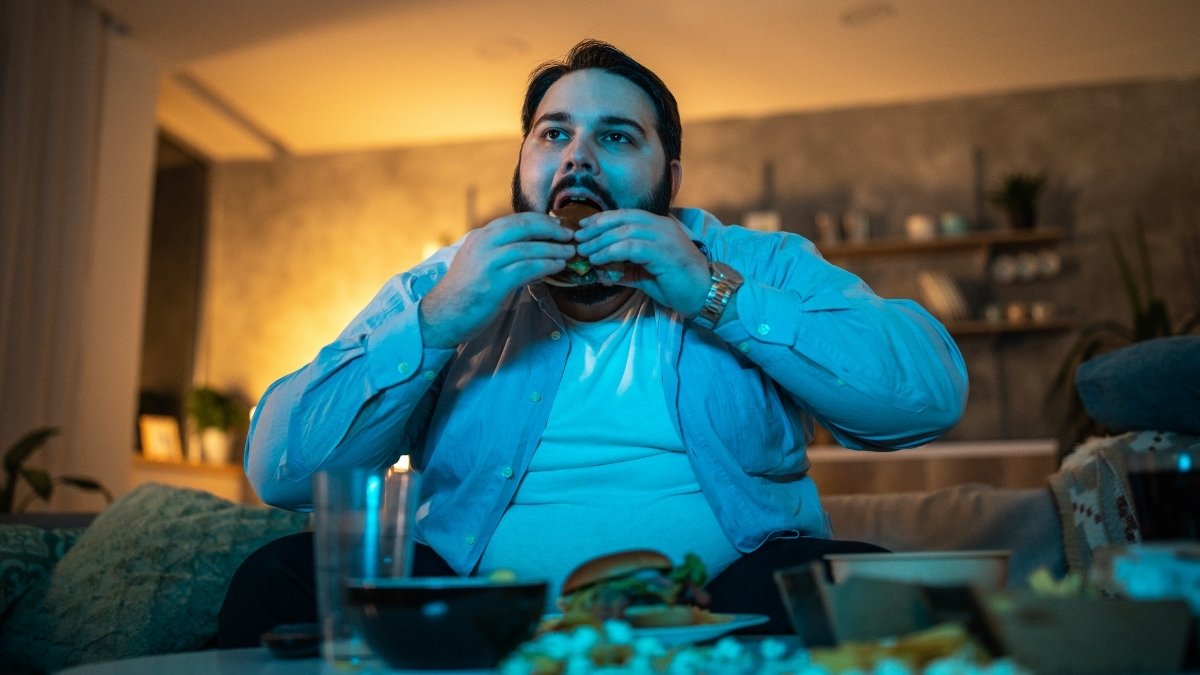
The most visible effect of this misalignment is often on the waistline. Regularly eating after dark is scientifically and directly linked to weight gain, and the mechanisms go far beyond simple “extra calories”.
How Late Eating Promotes Fat Storage
The body’s response to late-night food actively promotes fat storage. Studies indicate that eating later in the day decreases the number of calories a person burns. Furthermore, eating during the biological sleep window results in less efficient energy use and a greater potential for fat storage.
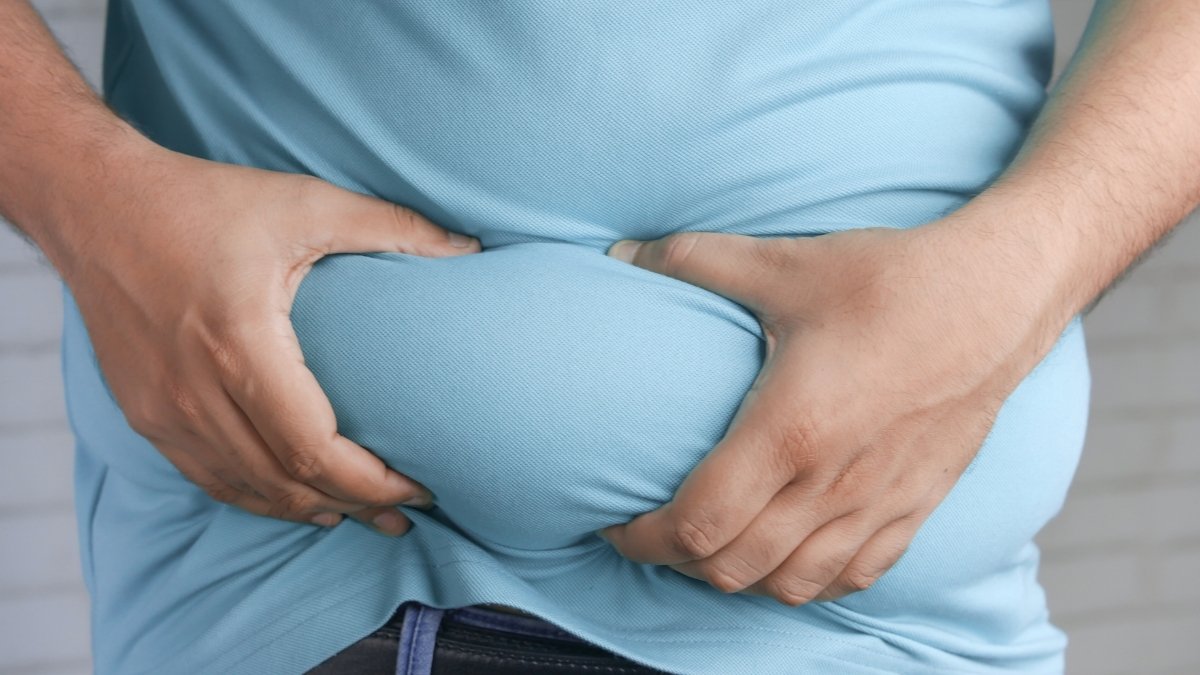
When insulin sensitivity is low (at night), the body struggles to use the glucose from food for energy; instead, it is more readily converted and stored as fat.
A key study tracking individuals over several years provided startling evidence. It found that “Nighttime Eaters” (NEs) gained, on average, 6.2 kg (13.6 lbs) during the study period. In contrast, non-NEs gained only 1.7 kg (3.7 lbs), despite other factors being controlled.
A 2024 pre-print study explicitly linked modern habits, such as extended work hours and late-night eating, to this “circadian misalignment” and its associated health risks, including weight gain.
The Vicious Sleep-Eat Cycle

The weight gain from a late-night snack is not a single event; it is the trigger for a devastating feedback loop that can sabotage health goals for days to come.
- Late Eating Disrupts Sleep: Consuming food, especially heavy, spicy, or fried meals, close to bedtime can trigger acid reflux and general discomfort, interfering with sleep quality.
- Poor Sleep Dysregulates Hormones: Falling short on sleep (less than the recommended 7-9 hours) is linked to the dysregulation of key hunger hormones. Levels of ghrelin (the “I’m hungry” hormone) increase, while levels of leptin (the “I’m full” hormone) decrease.
- Hormones Drive Poor Choices: This hormonal imbalance makes a person feel hungrier the following day, specifically crave less healthy (high-sugar, high-fat) foods, and possess less energy for physical activity.
- The Cycle Repeats: This leads to overeating the next day, often culminating in another late-night meal, and the entire cycle repeats, creating a perfect storm for progressive weight gain.
Thus, the 10 PM snack is not just harmful in the moment; it is a catalyst for hormonal chaos that drives poor food choices and low energy the following day.
The “Destruction” Part 2: Your Blood Sugar on a 10 PM Timer
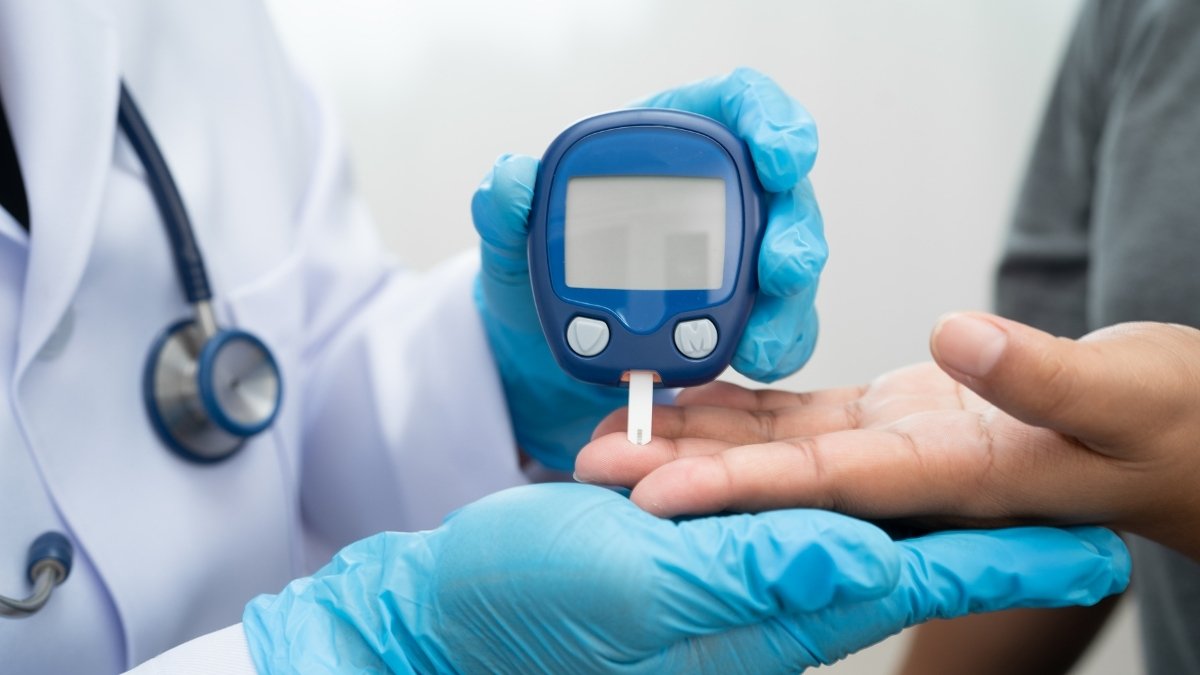
While the impact on the scale is visible, the invisible damage to metabolic health may be far more dangerous. The dangers of late-night eating are most pronounced in their effect on blood sugar and insulin sensitivity.
As established, insulin sensitivity is naturally lower at night. The body simply does not handle sugar and carbohydrates as efficiently in the evening.
The Unavoidable Blood Sugar Spike
The consequence of this lowered sensitivity is that eating at one’s “biological night” (when the body expects to be asleep) leads to significantly higher postprandial (after-meal) blood sugar excursions. A systematic review and meta-analysis confirmed this, finding a consistently poor glucose tolerance at night compared to the day.
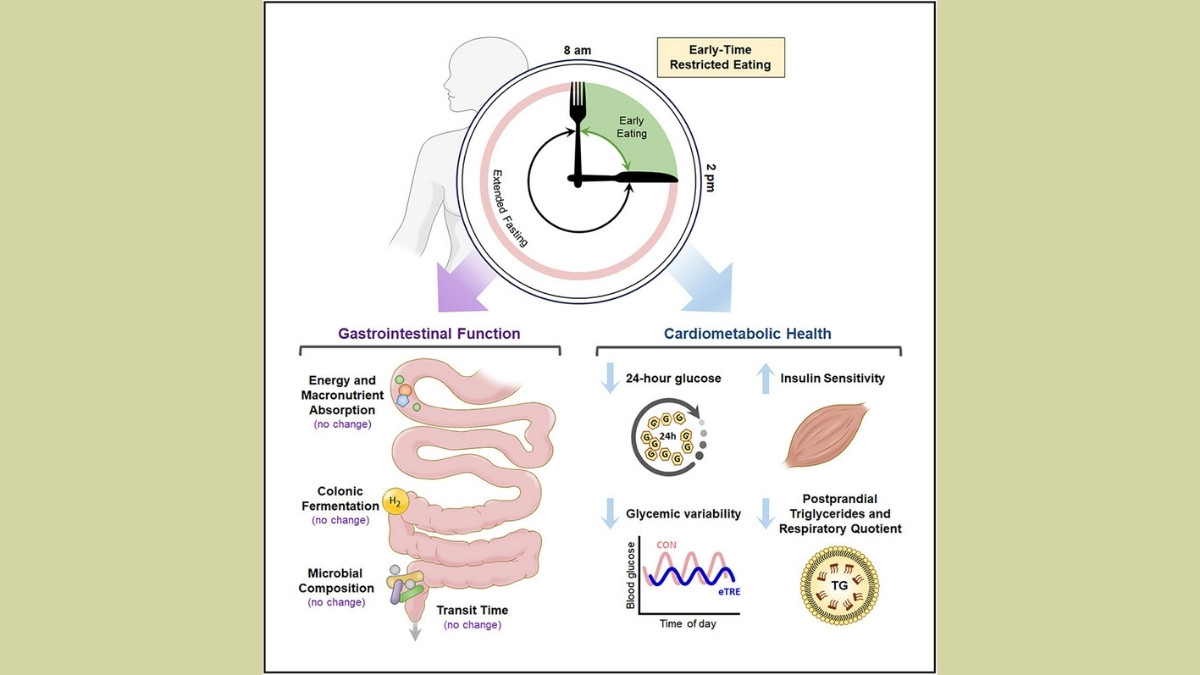
This is true even if the meal itself is healthy. A “healthy” bowl of oatmeal or a piece of fruit eaten at 10 PM will cause a larger, more sustained blood sugar spike than the same food eaten at 10 AM. This finding fundamentally challenges the “healthy food is always healthy” myth; the context and timing of the food are just as important as its composition.
The Long-Term Risk: Diabetes
For individuals with existing diabetes, eating outside of planned meals can disrupt sleep and alter hunger levels the next day, making management more difficult. For healthy individuals, the long-term prognosis is equally concerning.

Each late-night meal that causes a large glucose spike places a heavy demand on the pancreas to produce more insulin to clear the sugar. When this happens repeatedly, night after night, the body’s cells can become “resistant” to the insulin’s signal. This insulin sensitivity reduction is a direct pathway to metabolic dysfunction.
As one health expert noted, constantly eating heavy meals late at night means blood sugar levels will be consistently high, leading over time to elevated blood sugar levels and even pre-diabetes. Ongoing 2024-2025 clinical trials are investigating this direct link between late-night eating behaviors, reduced insulin sensitivity, and increased cardiac risk.
The “Destruction” Part 3: The Immediate Damage (Acid Reflux & Poor Sleep)
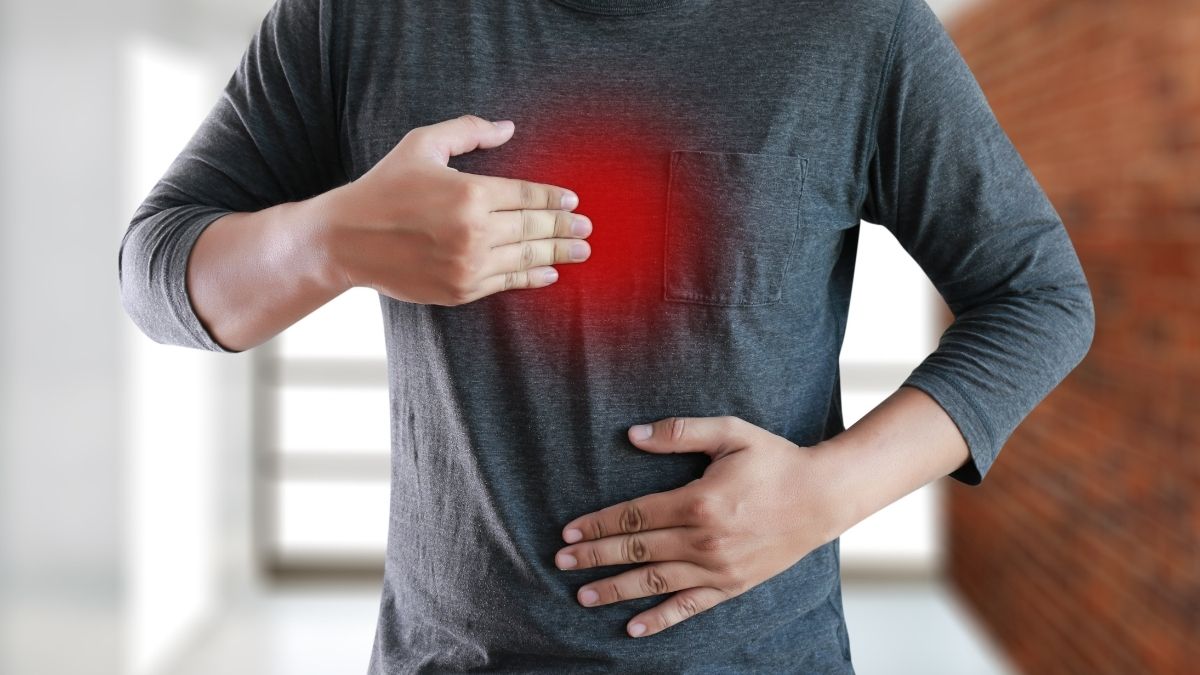
If the long-term, silent dangers of metabolic dysfunction are not convincing enough, the damage that can be felt tonight is often the most compelling. This immediate feedback includes acid reflux and the subsequent poor sleep it causes.
The 3-Hour Rule for Digestion
The single most significant trigger for gastroesophageal reflux disease (GERD), or acid reflux, is eating within two to three hours of bedtime. The mechanism is simple: gravity.
When a person is upright, gravity helps keep stomach acid and food down. When a person lies down with a full stomach, that food can press against the lower esophageal sphincter, allowing acid and partially digested food to seep back up into the esophagus. This causes the burning pain of heartburn, discomfort, and throat irritation.
The data on this is exceptionally clear. One landmark study found that the odds ratio for GERD was 7.45 times higher for patients whose dinner-to-bed time was less than three hours, compared to those who maintained a 4-hour or more window.
While occasional reflux is an annoyance, chronic, untreated GERD can lead to ulcers, chronic suffering, and even permanent damage to the esophagus. This digestive strain, bloating, and gas directly disrupts sleep quality.

This, in turn, closes the loop, triggering the “Vicious Sleep-Eat Cycle” of hormone disruption and next-day weight gain. The “minor” heartburn is not a separate issue; it is the physical trigger that can set the entire metabolic cascade in motion.
The 2025 Action Plan: How to Stop Eating After Dark (Even When You’re Busy)
The data is alarming, but the solution is practical. The goal is not perfection, but progress. For many, long commutes, late-night work, or family dinner schedules make a 6 PM dinner unrealistic. This actionable guide is designed for modern realities.
Strategy 1: Front-Load the Day

The best defense against late-night snacking is a good offensive strategy during the day. The primary goal should be to finish dinner by 7:30 PM, or 8:00 PM at the latest. This dinner must be a proper, balanced meal—not a light snack.
It should include protein, fiber, and healthy fats, as this combination promotes satiety and nourishment, preventing true hunger later in the evening. Biasing more calories to earlier in the day, when insulin sensitivity is high, is a core principle of chrononutrition and metabolism.
Strategy 2: Audit Your Hunger
Before reaching for a snack, it is critical to pause and “audit” the feeling. Ask: “Am I truly hungry, or am I tired, stressed, or bored?”. These feelings are often mistaken for hunger.
- If it is emotional or habitual hunger: Address the underlying need. Solutions can include a glass of water, a cup of herbal (non-caffeinated) tea, a short walk, or simply going to bed earlier.
- If it is true hunger: Proceed to the Harm Reduction Guide below.
Strategy 3: Create a “Kitchen is Closed” Routine
Behavioral cues can be powerful. One simple but effective trick is to brush teeth right after dinner. This simple habit sends a powerful psychological signal to the brain that the “eating time” is over for the day, helping to prevent mindless snacking. Other routines include cleaning the kitchen and packing a healthy lunch for the next day.
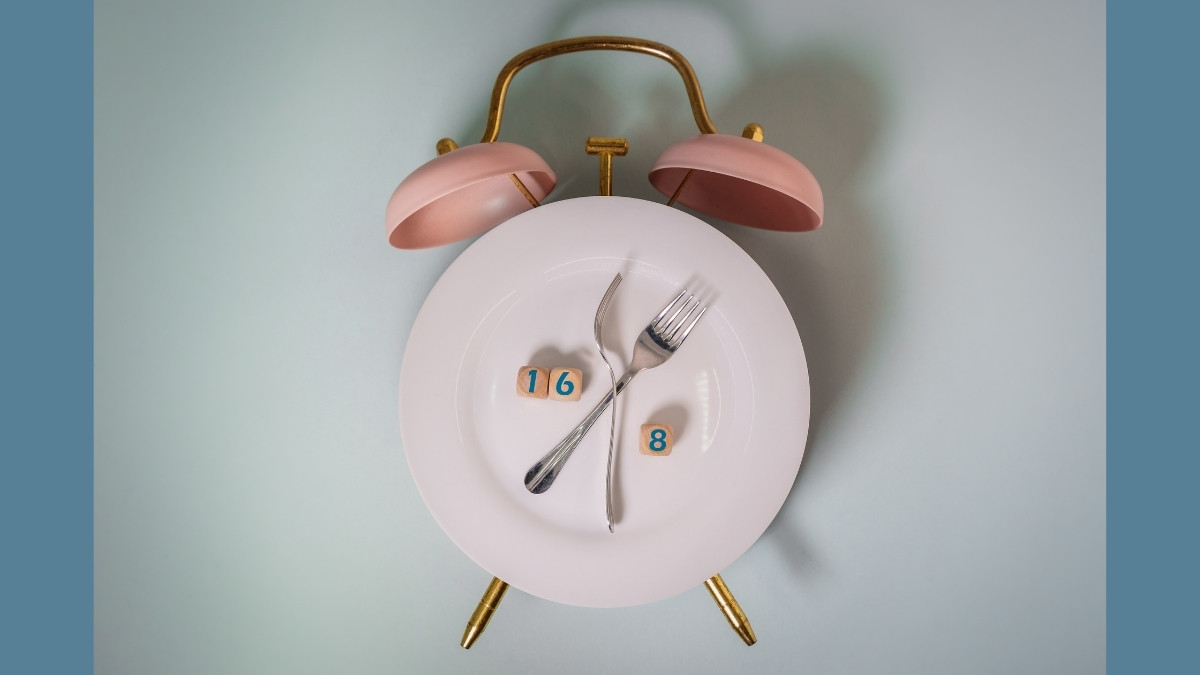
Strategy 4: Adopt the 3-Hour Rule
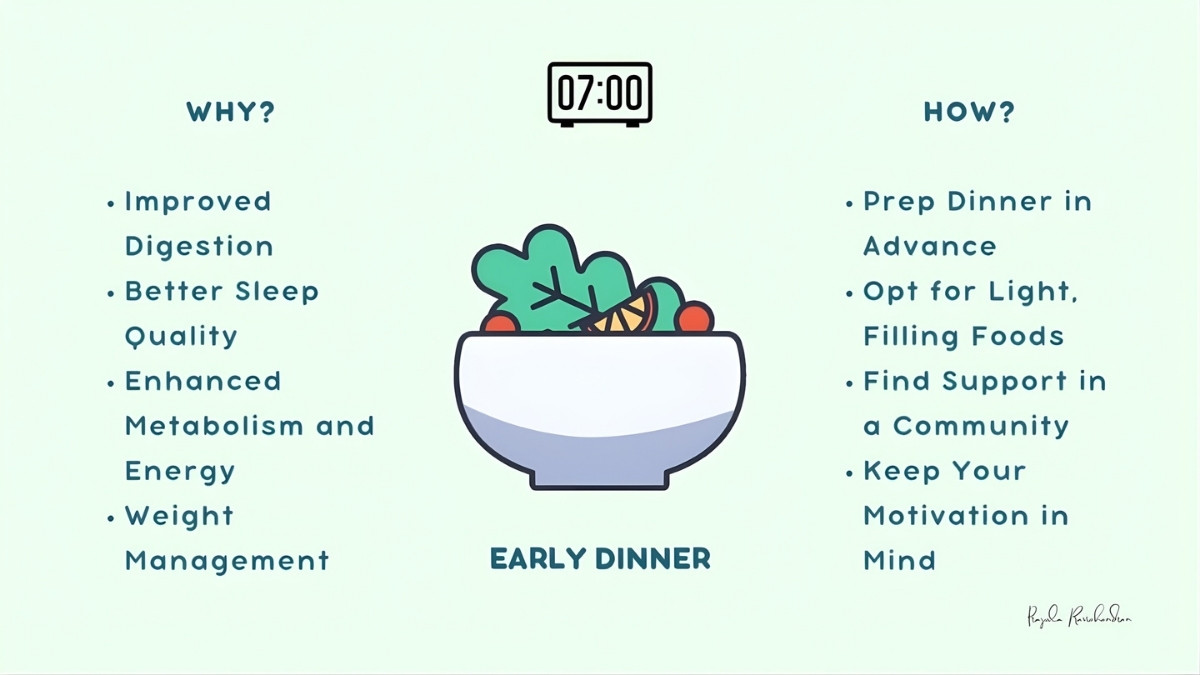
This is the single most actionable rule for mitigating the dangers of late-night eating. As cited by multiple experts, including registered dietitian Zoë Atlas, MPH, RDN, a good rule of thumb is to stop eating about three hours before bed. This 3-hour window is the minimum time needed to avoid bedtime hunger while still allowing enough time for digestion, which dramatically reduces the risk of acid reflux when lying down.
What to Eat If You Must Snack Late: The 2025 Harm Reduction Guide
Sometimes, life intervenes. A workout ends late, a meeting runs over, or true, physical hunger strikes at 10 PM. In these unavoidable cases, the goal shifts from prevention to “harm reduction.” As Dr. Abhinav Singh, a sleep expert, advises, “Less is more when it comes to bedtime snacking”.
Foods to Avoid at All Costs
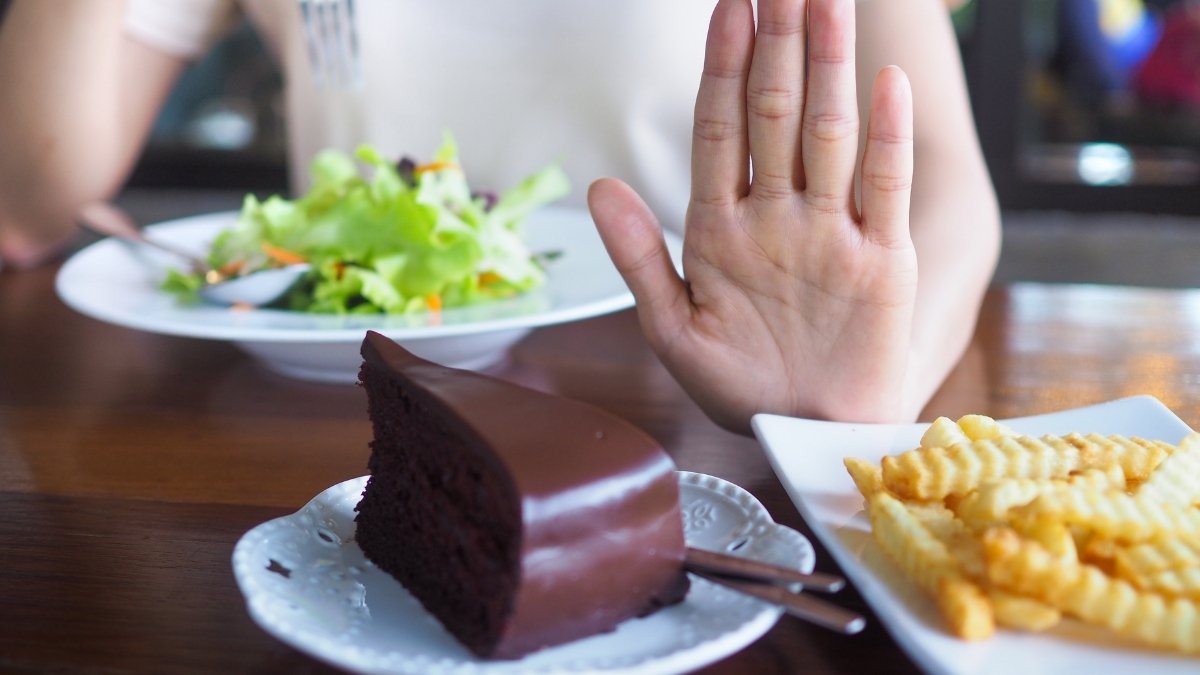
The goal is to choose a snack that minimizes the metabolic and digestive damage. This means avoiding:
- High-Fat, Spicy, or Fried Foods: These trigger acid reflux and are hard to digest.
- High-Sugar, High-Carb Snacks: These will cause a significant blood sugar spike when insulin sensitivity is at its lowest.
- Caffeine, Alcohol, and Chocolate: These are well-known sleep disruptors and can also relax the esophageal sphincter, worsening acid reflux.
The Smart Swap Guide
If a snack is necessary, it should be light and balanced.
- For Acid Reflux: Choose vegetable-based snacks, nuts, or nut butter. Avoid high animal protein like meat and cheese, which require more acid for digestion.
- For Blood Sugar: A balanced combination of protein, fiber, and healthy fat can help maintain stable blood sugar levels.
- General: A small fruit (like a banana), a handful of nuts, or herbal tea are safe options.
The following table provides actionable swaps based on common late-night cravings.
🔄 Smart Food Swaps for Anti-Aging
Make these simple switches to satisfy cravings without accelerating cellular aging.
💡 The Core Principle: You don’t need to eliminate cravings—just redirect them. These smart swaps satisfy taste and texture desires while actively supporting cellular longevity and reducing systemic inflammation.
Sweet Treat
Ice Cream, Cookies
Greek Yogurt + Berries
🧬 Why This Swap Works
Greek yogurt delivers 15-20g of protein to stabilize blood sugar and block insulin spikes that accelerate skin aging. Berries provide anthocyanins that protect cellular DNA from oxidative damage, satisfying your sweet tooth without harmful AGEs (advanced glycation end products).
High protein content prevents age-related muscle decay.
Berry antioxidants preserve memory and cognitive function.
Probiotics actively reduce systemic inflammatory markers.
Salty & Crunchy
Potato Chips, Crackers
Almonds & Walnuts
🧬 Why This Swap Works
Nuts satisfy your crunch and salt desires while supplying heart-healthy omega-3 fatty acids. Walnuts contain specific polyphenols that defend neural pathways, providing sustained cellular energy without the crash caused by refined chips.
Supports healthy blood vessels and lipid profiles.
Healthy fats promote steady metabolic function.
Regular nut intake correlates with reduced mortality risk.
Creamy & Hearty
Pizza, Heavy Cheese
Apple + Nut Butter
🧬 Why This Swap Works
Apples deliver prebiotic fiber and quercetin (a potent anti-aging antioxidant), while nut butter provides clean fats and protein. This combination satisfies rich cravings without inflammatory trans fats or refined carbs.
Prebiotic fiber nourishes beneficial gut bacteria.
Quercetin protects cells from oxidative stress.
High fiber promotes fullness and curbs late-night snacking.
Late-Night Hunger
Heavy Full Meal
Steamed Edamame
🧬 Why This Swap Works
Edamame delivers complete plant protein and gentle fiber that satisfies appetite without overloading your digestive system before bed. Heavy late-night meals disrupt restorative sleep and spike cortisol, both of which accelerate biological aging.
Light protein intake preserves nighttime repair cycles.
Natural soy isoflavones support healthy endocrine function.
Prevents overnight blood sugar rollercoasters.
At the Last,
The evidence for 2025 is clear: eating after dark is not just a matter of extra calories; it is a matter of timing. By eating late at night, individuals are forcing their bodies into a state of “circadian misalignment,” fighting their innate biological rhythms.
This disruption is not a “wellness” myth; it is a physiological reality scientifically linked to weight gain, blood sugar disruption, increased diabetes risk, and severe digestive distress.

A radical overhaul is not required. The solution can begin with a single, powerful change. For the next seven days, the most actionable step is to commit to the “3-Hour Rule”: stop eating at least three hours before bedtime. This one change, which aligns eating patterns with the body’s natural clock, could be the most significant step toward better health.