

Chronic stress does not clock out when you turn 60.
If anything, it lingers. For older adults, the cortisol surge after a stressful moment is stronger and takes longer to settle. Month after month, that slow reset can show up as higher blood pressure, broken sleep, and a memory that feels a step behind.
One large study tracked cortisol in more than 4,000 older adults. Those with the highest levels did worse on memory tests and had lower overall brain volume.
Researchers have now measured five daily habits that reduce chronic stress in older adults, using real markers like cortisol, inflammation, and heart rate variability. Most take under 30 minutes, and one takes about 5. None need a gym or special equipment.
You cannot remove stress from your life, and you do not need to. What you can do is help your body recover from it faster. Here is how.
The top disclaimer blockquote can go right after this intro, as in the full draft. The phrase “daily habits that reduce chronic stress” lands inside the first 100 words, and the intro has no dashes.
Why Chronic Stress Hits Differently After 60
Here is the surprise. Older adults are often better than younger people at handling a single stressful event.
The trouble starts underneath. Elevated cortisol in older adults has been tied to weaker cognitive performance and changes in memory related brain areas like the hippocampus. Cortisol also tends to trigger stronger inflammatory responses in older people.

One study in the journal Neurology tracked cortisol in more than 4,000 older adults. Those with the highest levels did worse on memory tests and had lower overall brain volume.
None of this means stress is destiny. The goal is not zero stress, because that is impossible. The goal is helping your body come back down faster.
Most of the studies behind the habits below are small, and several were pilots. Treat them as promising evidence, not guarantees.
The 5 Daily Habits That Reduce Chronic Stress at a Glance
1. Slow Breathing: The Five Minute Nervous System Reset
Breathing is the only part of your stress response you can steer on purpose.
When you slow it down, the vagus nerve, which helps switch the body into rest mode, becomes more active. The measurable sign is heart rate variability (HRV), the natural variation in time between heartbeats.
In a 2021 study in Scientific Reports, 22 older adults and 25 younger adults did one session of deep, slow breathing. Vagal activity rose and anxiety dropped in both groups, and the vagal boost was larger in the older adults.

A small Portuguese study of 12 older adults in residential care found that learning slow abdominal breathing lowered heart rate and blood pressure for a short time, mostly in people whose pressure started above normal.
The word “short” matters. It is why this works best as a daily habit, not an occasional fix.
Here is a number that makes the pace feel real. One study of people aged 59 and older found the average breathing rate at age 60 was about 14.8 breaths per minute.
Slow breathing for stress means cutting that to roughly a third. It feels strange for the first minute, then it feels like exhaling a long day.
How to do it: Sit with your back supported and one hand on your belly. Breathe in through your nose for about 5 seconds, then out through pursed lips for about 6 seconds. That is roughly 5 to 6 breaths per minute, the range often cited as best for raising HRV. Keep going for 5 to 10 minutes. Keep it gentle, because forcing big gulps of air defeats the purpose.
Everyone’s body responds differently. If you have COPD, heart failure, or feel dizzy when you breathe slowly, ask your doctor before trying this.
2. Mindfulness: The Quiet Habit With Blood Test Results
Mindfulness sounds soft. The lab results were not.
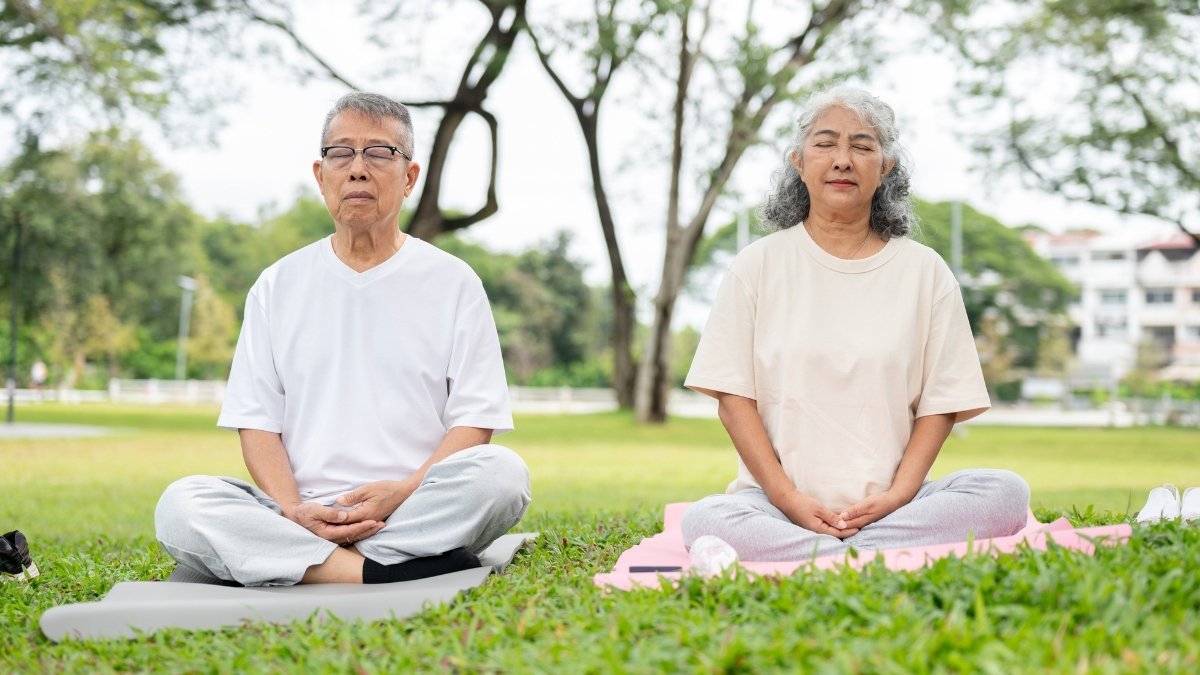
In a UCLA randomized trial, 40 adults aged 55 to 85 were assigned either to an 8 week Mindfulness Based Stress Reduction program or to a control group. The meditators attended a weekly two hour class, practiced 30 minutes a day at home, and joined one daylong retreat.
They reported feeling less lonely. Their blood also showed a significant drop in the activity of inflammation related genes.
One caveat is worth knowing. The volunteers were healthy older adults who answered newspaper ads because they wanted to learn meditation, so they were already motivated.
Why would loneliness show up in blood? Lonely older adults tend to have more activity in genes tied to inflammation, which helps explain why loneliness carries physical health risks. One idea is that mindfulness teaches you to notice a stressful thought without feeding it, so that whole chain quiets down.
A larger trial of 190 adults aged 65 to 85 with moderate to high loneliness compared the same program with a health education program. Researchers reported improvement in one immune function marker, but cautioned that more work is needed to know whether that leads to better health outcomes.
How to do it: Start with 10 minutes. Sit comfortably, follow the feeling of your breath, and when your mind wanders (it will), gently bring it back. Build toward 30 minutes over several weeks, the daily amount used in the UCLA trial. A guided recording or a local class makes the first month easier.
3. A Daily Walk Where There Is Something Green
Walking is already on every doctor’s list. Where you walk may matter more than you think.
In a Slovak study of older adults, a month of repeated forest walks lowered cumulative hair cortisol, a measure of stress hormone built up over weeks, compared with the month before. Urban walks did not produce the same drop. Salivary cortisol fell in the forest group only, and emotional wellbeing improved.
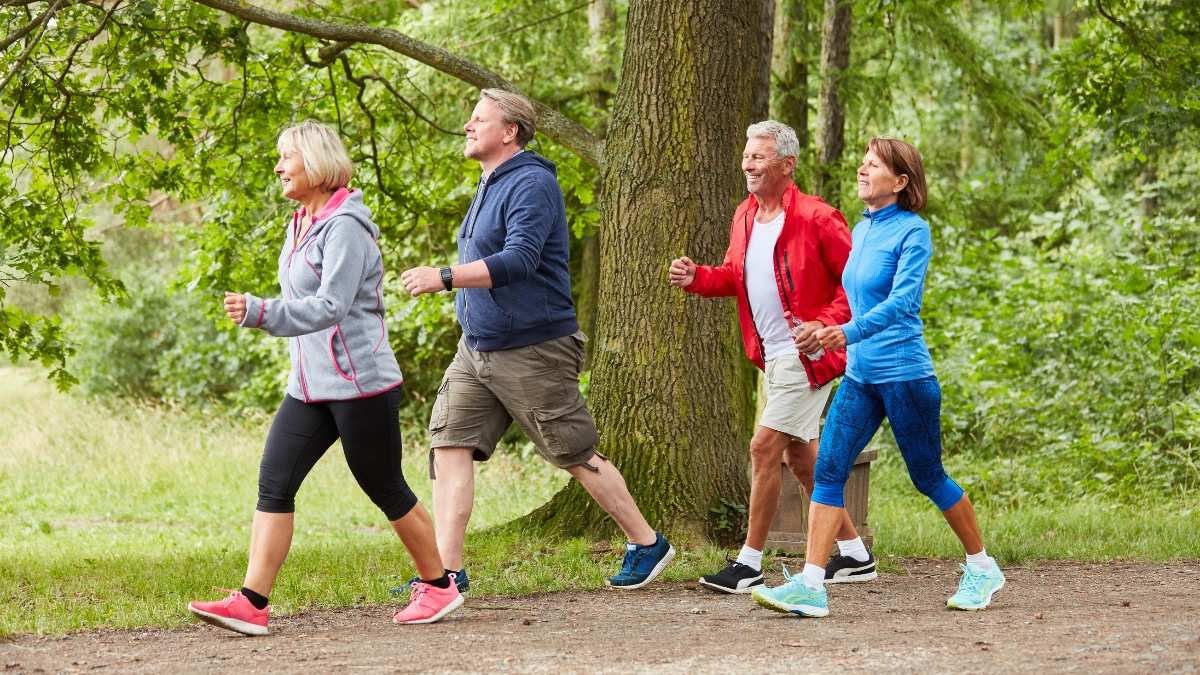
Researchers also noted that the walking did not disrupt the body’s normal daily rhythm of stress hormones. A related Slovak study reported that cortisol declined significantly over a month of nature walks, while the mental health side of quality of life rose.
A separate pilot of 21 adults aged 65 to 85 found significantly lower salivary cortisol after a six week nature based program.
Walking itself helps, and evidence suggests that being outdoors in nature adds to the benefit. If there is no forest nearby, a park or a street lined with trees is a fine place to start.
How to do it: Aim for 20 to 30 minutes. Choose flat, firm ground, but also somewhere interesting, because you are more likely to keep going when the view is good. A cane or walker is fine, since the Slovak study allowed walking aids.
4. One Real Conversation a Day
Loneliness is not rare. Harvard Health reports that about 17% of American adults over 60 say they feel lonely often or much of the time.
It is also physical. Harvard Health notes that loneliness may slightly raise the risk of heart attack and stroke, perhaps by increasing stress hormones that can harm the cardiovascular system. One explanation is that solitary people have nobody to help them work through a stressful moment.

Researchers who study close relationships describe them as a stress buffer that lowers cortisol and reduces illness risk. The Harvard Study of Adult Development, running since 1938, linked the quality of close relationships to both health and happiness.
Harvard researchers have also pointed out that this may be one of the cheapest health strategies there is. It costs nothing and needs no equipment. Studies they cite link a network of supportive relationships to a lower risk of dementia in people over 75, though that is an association, not proof.
Quality beats quantity here. Scrolling social media to keep up with people is a weak substitute for a conversation where someone hears your voice.
How to do it: Pick one person and one time of day. A 15 minute phone call after breakfast works. So does coffee with a neighbor, a class, a book club, or volunteering. A fixed time turns it from a good intention into a habit.
5. A Sleep Schedule You Never Break
Stress wrecks sleep, and poor sleep feeds stress. It is a loop.
When stress puts your brain on high alert, your body releases adrenaline and cortisol, which raise blood pressure and heart rate. A review of insomnia in aging found it affects roughly 30 to 50% of older adults, and one study it cites linked sleep disorders to high cortisol in adults aged 60 to 90.
Mayo Clinic notes that older adults need just as much sleep as younger ones, 7 to 9 hours a night. The simplest fix is a fixed bedtime and wake time every day, weekends included.
Two more rules help. Stay active during the day, and skip the time in bed spent awake. One sleep specialist’s advice for people with insomnia is usually to avoid napping.
If trouble sleeping continues, ask about CBT for insomnia. It typically runs about six to eight sessions with a therapist, who helps you spot the thoughts and habits keeping you awake. Mayo Clinic says research suggests it works better than prescription medication for older adults, who are also more likely to get side effects from prescription sleep aids.
How to do it: Anchor your wake time first, because it sets your body clock for the whole day. Then work backward to a bedtime that gives you 7 to 9 hours.
Mind-Body Recovery Matrix
Scientific breakdown of daily restorative practices, what biological pathways they target, and how researchers clinically measure their impact.
Slow Breathing
Vagus nerve activation and autonomic tone
Heart rate variability (HRV) and clinical anxiety levels
Mindfulness Practice
Loneliness and systemic inflammatory pathways
Inflammation-related gene activity markers
Walk in Green Space
Cumulative stress hormone load reduction
Cortisol concentration measured in saliva and hair
Daily Social Contact
Emotional stress buffering and social connection
Cortisol reactivity and long-term heart disease risk
Fixed Sleep Schedule
Circadian alignment and sleep disruption prevention
Insomnia clinical severity and cortisol rhythm links
How Long Until You Feel a Difference?
It depends on the habit, and the studies give a rough timeline.

Slow breathing showed effects within a single session. The loneliness and inflammation changes from mindfulness took an 8 week program. Forest walking showed lower cortisol after a month, and the nature based pilot ran six weeks.
Sleep and social habits build more quietly. Give each one at least a few weeks before you judge it.
Build the Routine in 4 Weeks
Starting all five on day one is a recipe for quitting by Thursday. Stack them instead.
4-Week Habit Progression Roadmap
A structured, step-by-step framework to seamlessly integrate restorative wellness habits into your weekly routine.
Week 01
Slow breathing practices and a consistent, fixed wake time.
5 to 10 minutes
Week 02
A refreshing daily walk in a green spot or park.
20 minutes
Week 03
A meaningful call or in-person visit with one person.
15 minutes
Week 04
Mindfulness meditation, building progressively toward 30 minutes.
10 minutes to start
By week 4 you are doing all five, and most of them overlap. Breathing can open your meditation, and a phone call can happen on a walk.
Try This Today: The Five Minute Starter
- Set tomorrow’s alarm for a fixed wake time and keep it all week.
- Breathe in for 5 seconds and out for 6, for 5 minutes, before lunch.
- Call one person you have not spoken to in a while.
- Take a 20 minute walk on the greenest route near your home.
- Write down how tense you feel from 1 to 10, before and after.
When to See a Doctor Instead
Stop reading and call your doctor if you notice any of these:
- Chest pain, fainting, or shortness of breath, especially with stress or exertion.
- Sadness, hopelessness, or loss of interest that lasts more than two weeks, or any thoughts of harming yourself. Seek urgent help right away.
- Trouble sleeping at least three nights a week for three months or longer.
- New memory problems that get in the way of daily life.
Small Habits, Measurable Shifts
Chronic stress after 60 is not just a feeling. It leaves traces in cortisol, inflammation, sleep, and blood pressure.
The good news is that so do the fixes. Slow breathing, mindfulness, a green walk, daily conversation, and a steady sleep schedule each have measured effects in older adults, even if the studies are still small.
Pick one today. Add the next one next week.
This article is for informational purposes only and is not a substitute for professional medical advice, diagnosis, or treatment. Always consult your doctor or a qualified healthcare provider before making changes to your routine, sleep habits, or medications, especially if you have an existing health condition.