
You walk most days and figure that covers your health after 65.
It might not.
The gaps arrive quietly, as weaker legs, a shrinking social circle, or a blood pressure number nobody has checked in years.
Stanford Medicine clinicians name three things that exercise cannot do for you, and many older adults are missing at least one.
Here is what they are, and how to fix each one.
Before making any changes based on this article, talk to your doctor, especially if you are currently taking medication or have a diagnosed condition.
Does Stanford Really Say These Beat Exercise?
Not exactly, and it is worth being straight about that. No Stanford research we could find ranks these three things above exercise.
Exercise is still a heavyweight. A Stanford study tracked 538 runners over age 50 and compared them with 423 non runners. Nineteen years in, 34% of the non runners had died, compared with 15% of the runners. skinincskininc
The study’s senior author said that if he had to pick a single thing for healthier aging, it would be aerobic exercise. skininc
So where does the headline come from? In January 2026, Stanford Medicine clinicians laid out five habits to prioritize in your 60s and 70s. stanford
Two of the five involve moving: strength training and balance work. The other three are not workouts at all. They are nutrition, staying socially and mentally connected, and keeping up with preventive care.
Think of exercise as the engine. These three are the fuel, the company, and the maintenance schedule.
Nobody has counted how many older adults are missing all three. But the numbers on each gap suggest they are common.
1. A Social Circle That Shows Up Every Week
Abby King, a Stanford professor who co chaired the 2018 U.S. Physical Activity Guidelines Advisory Committee, says staying engaged with others through community groups, volunteer work, or close friendships ranks among the best protections for long term health. stanford
Read that again. A person who helped write the national exercise guidelines is telling you to call a friend.
There is a mechanism behind it. Conversation makes your brain listen, process, remember context, and respond. Studies have also linked stronger social connection with better cognitive function and memory. stanfordstanford
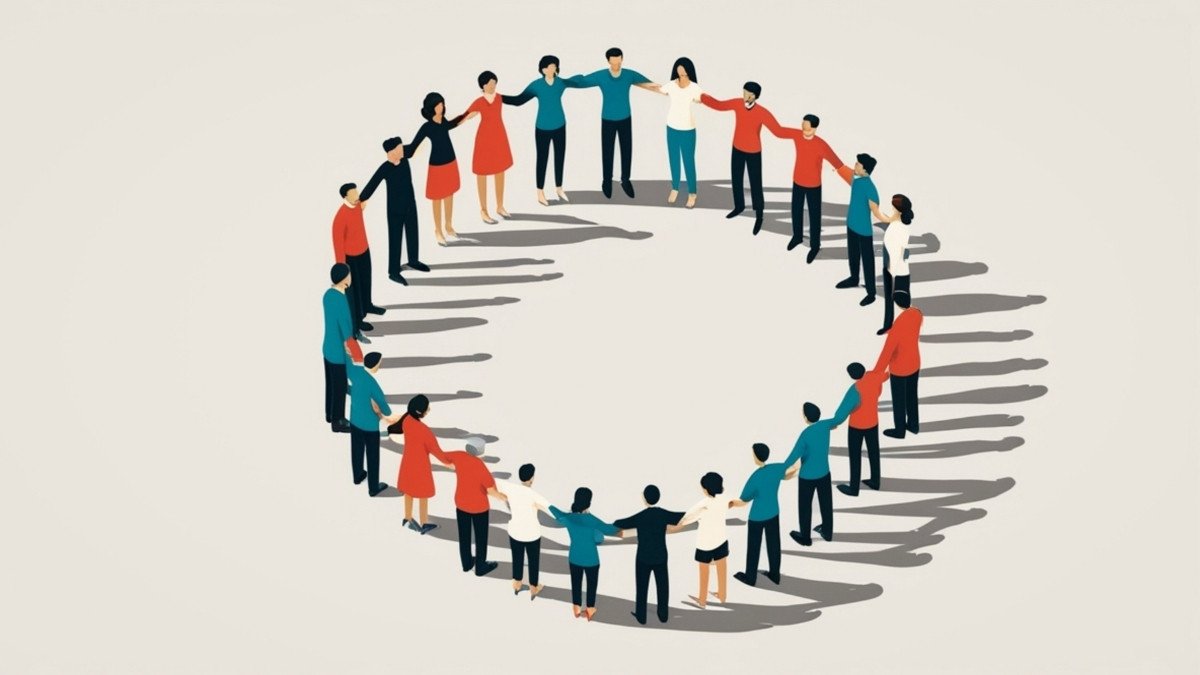
Now the scale of the problem. A National Academies report found that 24% of community dwelling Americans age 65 and older are socially isolated, and 43% of adults over 60 report feeling lonely. nih
The report also cites research linking social isolation to a 29% higher risk of death from any cause, and loneliness to a 45% higher risk of death. Those are associations, not proof of cause and effect. But they point in one direction. vumc
Isolation and loneliness are not the same thing. Isolation means having few relationships or little contact, while loneliness is a subjective feeling. You can have a busy calendar and still feel lonely. asahp
Mental activity counts too. Stanford neurologist Victor Henderson says activities like reading, taking classes, or learning a language or instrument likely help, though most of the evidence is observational. stanford
How to do it: Pick one recurring plan with other people and give it the same slot every week. A walking group, a volunteer shift, a standing coffee with an old friend, or a class at the library all work.
A walking group does double duty. You close two gaps in one hour.
2. Protein at Every Meal, Not Just Dinner
As we age, our bodies get less efficient at building and keeping muscle, so we need more protein even when we eat fewer calories. stanford
Harvard Health reports that adults who skip regular strength training can lose 4 to 6 pounds of muscle per decade. That age related muscle loss, called sarcopenia, affects nearly half of people over 80. harvardharvard
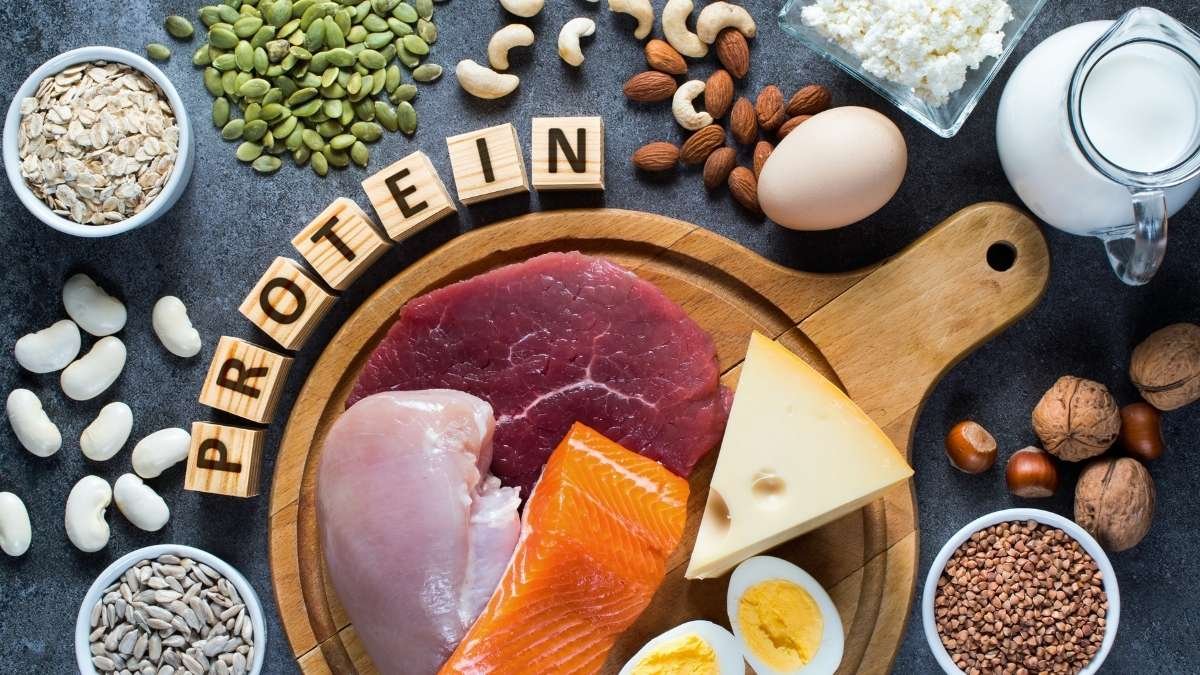
Here is the part that surprises people: exercise needs protein to work. Research cited by Harvard shows that protein combined with heavy resistance exercise produced the biggest gains in muscle mass and strength in healthy older adults. harvard
A set of chair squats without enough protein is a half finished job.
Timing matters too. Aging muscle responds less to amino acids, so small doses of protein do less than they used to. A tiny breakfast followed by a huge dinner shortchanges you. preparedfoods
What Stanford recommends: About 1.0 to 1.3 grams of protein per kilogram of body weight daily, which is roughly 68 to 88 grams for a 150 pound person. Studies suggest more than a third of adults over 50 fall short of protein recommendations. stanfordphysiciansmutual
To find your own range, divide your weight in pounds by 2.2. Then multiply that number by 1.0 and by 1.3.
These are general ranges for healthy older adults. If you have kidney disease or another health condition, ask your doctor what amount is right for you before you raise your protein.
Stanford’s example is three meals with 20 to 30 grams of protein each. Here is what that looks like in real food: stanford
Everyday Protein Staples
A quick guide to accessible, high-protein foods, their recommended serving sizes, and practical ways to include them in your daily meals.
Scrambled with fresh spinach for a quick, nutritious breakfast.
Topped with mixed berries and nuts for added texture and healthy fats.
Mixed with olive oil and finely chopped vegetables for a light lunch.
Perfectly sliced and served over a large, leafy green salad.
Stir-fried quickly with a colorful mix of seasonal vegetables.
Stanford frames nutrition at this stage as protecting strength and independence, not losing weight. Beyond protein, the experts point to a Mediterranean style plate: half fruits and vegetables, whole grains over refined ones, healthy fats like olive oil and nuts, enough calcium and vitamin D, and fewer ultraprocessed foods. stanfordstanford
3. A Checkup Routine You Actually Follow
High blood pressure often causes no symptoms, yet it raises the risk of heart disease, stroke, and cognitive decline. stanford
The CDC reports that about 7 in 10 U.S. adults age 65 and older have high blood pressure, and nearly half of them do not have it under control. ishn
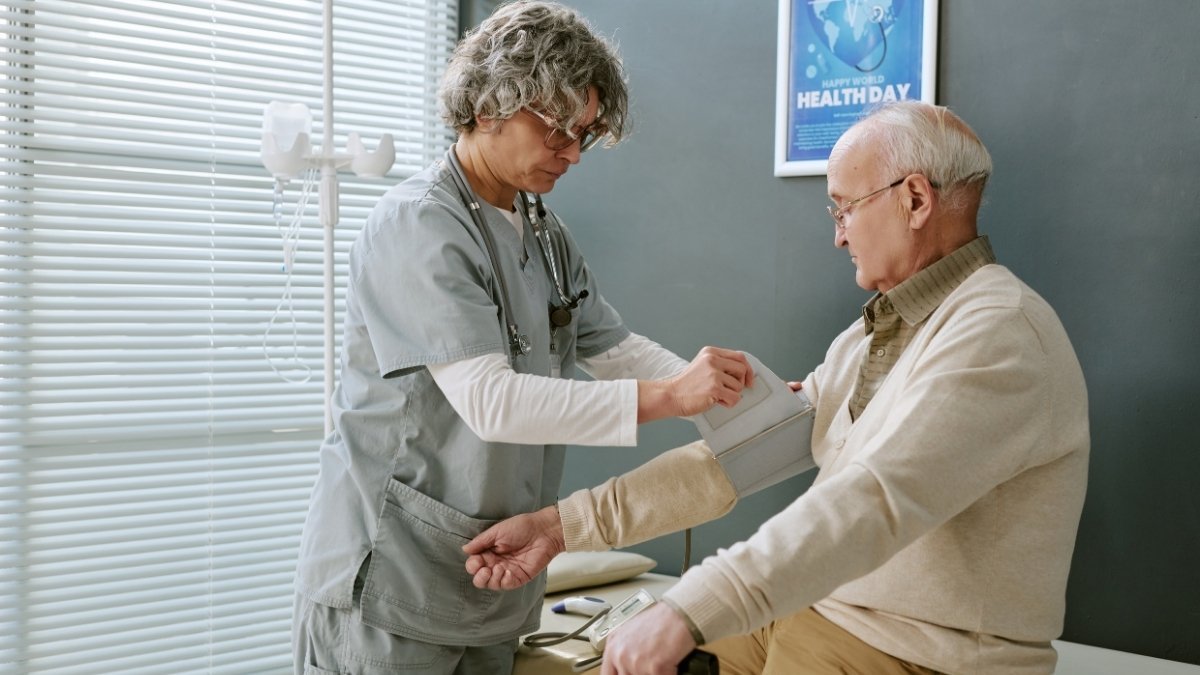
Exercise can help bring those numbers down. But only a cuff or a clinic visit can tell you what yours are.
Screening also stops being one size fits all after 65. Stanford geriatrician Silvia Tee says the decision often depends on overall health and whether a patient is likely to have 10 or more years ahead. stanford
A healthy 80 year old with a strong family history may keep up colonoscopies or mammograms, while a 75 year old with complex conditions may be advised to skip them. That is why the right list is one you build with your own doctor. stanford
Here are the core checks Stanford experts highlight for people in their 60s and 70s:
The Preventive Care Checklist
A comprehensive guide to essential health screenings, revealing why these routine checks are critical for long-term health and longevity.
Blood pressure (yearly)
Often completely silent, but significantly raises your risk for heart disease, stroke, and cognitive decline over time.
Cholesterol Panel
Helps doctors accurately assess your overall cardiovascular risk and prevent arterial blockages.
Diabetes Screening
The risk of insulin resistance and type 2 diabetes naturally rises as we age, making early detection crucial.
Bone Density Scan
Checks for osteoporosis and bone thinning, which is especially important for women over the age of 65.
Vision and Hearing Tests
Both senses directly affect your daily quality of life and significantly impact your risk of accidental falls.
Flu and COVID Vaccines
Getting a flu shot yearly, plus an updated COVID vaccine, provides critical protection against severe respiratory illness.
Annual visits with your primary care provider help track your risks and goals, and many people with chronic conditions need visits every three to six months. stanford
King adds that home blood pressure checks help some people make better decisions, while others become anxious from too much data. Know which type you are. stanford
Try This Today: Close Your Three Gaps
- Text one friend and set a recurring plan, like a weekly walk or coffee.
- Add 20 to 30 grams of protein to breakfast, such as three eggs or a cup of Greek yogurt.
- Find out when your last blood pressure reading was. If you cannot remember, book a visit.
- Keep moving too. National guidelines call for 150 minutes of brisk activity a week plus muscle strengthening at least twice a week. stanford
When to Call a Doctor Right Away
Do not wait on these:
- A blood pressure reading of 180/120 or higher with chest pain, shortness of breath, vision changes, severe headache, or weakness. Call emergency services. With no symptoms, call your doctor the same day.
- A new fall, or new trouble standing from a chair without using your hands.
- Unplanned weight loss or muscle weakness that keeps getting worse.
- Low mood, hopelessness, or pulling away from people for more than two weeks. If you ever have thoughts of harming yourself, contact emergency services or a crisis line immediately.
The Short Version
Exercise is not being replaced. It is being joined.
Stanford’s guidance treats movement, protein, connection, and checkups as a set. Miss one, and the others do less for you.

Try a 30 second self check. Do you have a weekly plan with another person? Did you eat real protein at breakfast? Do you know your last blood pressure reading?
If any answer is no, start there. As King says, “It’s never too late to start.” stanford
This article is for informational purposes only and is not a substitute for professional medical advice, diagnosis, or treatment. Always consult your doctor or a qualified healthcare provider before making changes to your diet, exercise routine, or medications, especially if you have an existing health condition.