

Most people quietly accept that once you hit your 70s or 80s, slowing down is just what happens. It feels like the natural order of things.
That belief is exactly what causes the problem. The less a body moves, the faster it forgets how to move at all, and by the time someone notices, strength and balance are already gone.
Dick Van Dyke, who just turned 100 and is still working, singing and showing up to the gym, credits one daily habit for keeping that decline at bay.
It is not a supplement, a diet, or a secret regimen, and there is real research explaining exactly why it works.
Before making any changes based on this article, talk to your doctor, especially if you are currently taking medication or have a diagnosed condition.
The Real Daily Habit Behind His Century Mark
Van Dyke’s own explanation for his longevity has stayed remarkably consistent for years, and it is simpler than most people expect. He goes to the gym three days a week, and in his memoir “100 Rules for Living to 100,” he describes doing a circuit, moving from the sit up machine to leg machines to upper body work without stopping in between.
On the days he is not at the gym, his wife Arlene Silver keeps him in near constant motion.
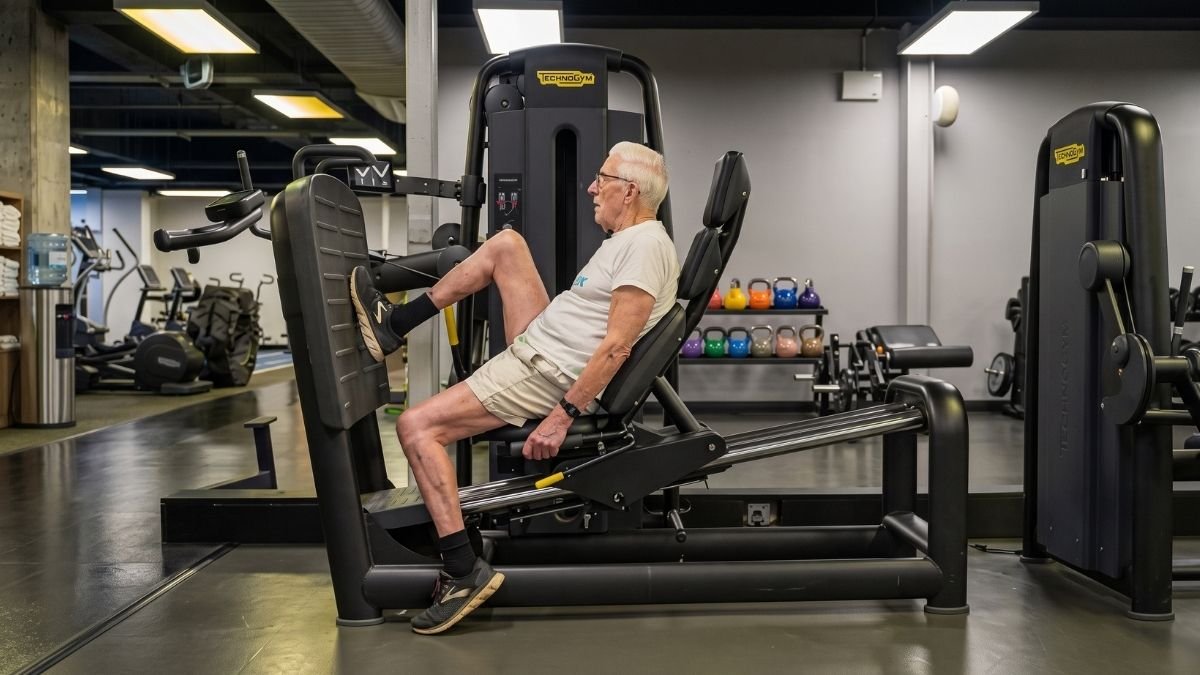
Filmmaker Steve Boettcher, who directed a documentary on Van Dyke’s 100th birthday, told reporters that Silver keeps him active every single day through singing, dancing, and simply staying up and moving rather than sitting still.
Van Dyke has also said singing is part of his morning ritual, and he hums or sings between gym sets rather than resting quietly. The common thread is not intensity. It is frequency. His body rarely goes more than an hour or two without some form of movement, even in small doses.
Why Moving In Small Doses Beats One Long Workout
There is a name for what Van Dyke has apparently been doing his whole life without calling it anything special. Exercise scientists call it “exercise snacking,” short bursts of movement scattered through the day instead of one continuous session.
A 2022 study published in Nature Medicine followed thousands of adults and found that brief bouts of vigorous activity woven into daily life, sometimes lasting only a minute or two, were linked to meaningfully lower rates of death and cancer compared with staying sedentary. The people in the study were not doing formal workouts. They were climbing stairs quickly, carrying groceries at a brisk pace, or power walking to catch a bus.
A separate 2012 study in the journal Diabetes Care found something just as useful for older adults. Breaking up long periods of sitting with short walking breaks reduced the blood sugar and insulin spikes that follow meals, an effect that matters more with age since insulin sensitivity naturally declines over time.
The mechanism makes sense once it is explained. Muscles pull sugar out of the bloodstream every time they contract, so a body that moves every hour keeps blood sugar steadier than a body that sits for six hours and then does one long workout. Frequent movement also keeps joints lubricated and muscle fibers active, which matters enormously for preventing the muscle loss, called sarcopenia, that drives most falls and hospitalizations in people over 70.
Everyone’s body responds differently, so check with your doctor before trying this if you have an existing condition or take medication.
The Other Half Of The Equation: His Attitude
Van Dyke has repeatedly pointed to something less physical when asked about his longevity. At 98, he told Entertainment Tonight that his attitude about life probably has as much to do with his age as anything else, saying he has always looked at the good side and expected good things to happen.
That is not just a nice sentiment. A widely cited 2019 study led by researchers at Boston University followed nearly 70,000 men and women and found that the most optimistic people had significantly higher odds of what researchers call “exceptional longevity,” meaning they lived to 85 or beyond.
The effect held up even after accounting for other health and lifestyle factors, and some estimates from that research suggest optimism was linked to roughly 11 to 15 percent longer lifespans.
Researchers believe optimism and low stress reduce the kind of chronic, low grade inflammation that speeds up aging in nearly every organ system. Combined with someone who is also moving constantly, the two habits appear to reinforce each other rather than working in isolation.
Exercise Snacking Versus The Advice You Usually Hear
Movement Patterns · What The Research Supports
You Don’t Need One Big Workout — You Need to Not Sit Still
Three ways people structure daily movement, and what actually holds up.
Traditional Workout Block Reliable
Works: One 45–60 minute session, several days a week.
Best for: People with reliable schedules and no joint limitations.
The catch: Easy to skip entirely on busy or low-energy days.
Exercise Snacking Van Dyke’s Pattern
Works: Several short movement bursts spread across the day.
Best for: Older adults, beginners, anyone easily discouraged by long sessions.
The catch: Requires remembering to move regularly, not one big effort.
Sedentary, Occasional Activity Avoid
Works: Long periods of sitting, broken up rarely.
Best for: No one, according to current research.
The catch: Linked to higher rates of diabetes, heart disease, and early death.
Try This Today
The Daily Habit That Actually Works
- Stand up and move for one to two minutes every hour, even just marching in place
- Put on one song a day and actually dance to it, the way Van Dyke does between gym sets
- Take the stairs once a day instead of the elevator, even if it is only one flight
- Sing along out loud while doing chores instead of listening quietly
- Walk a lap around the house or yard during television commercial breaks
A Quick Reference For Building The Habit
Daily Micro-Movements
Small, consistent habits for massive health benefits.
Stair Climbing
1-2x dailyEven one flight a day builds aerobic capacity and vital leg strength.
Standing & Walking
Every 60-90 minsTaking breaks lowers blood sugar and smooths out insulin spikes after meals.
Singing or Humming
Daily, anytimeAn easy way to support mood, regulate breath control, and boost social connection.
Short Dance Breaks
Once dailyA fun method that significantly improves full-body balance and coordination.
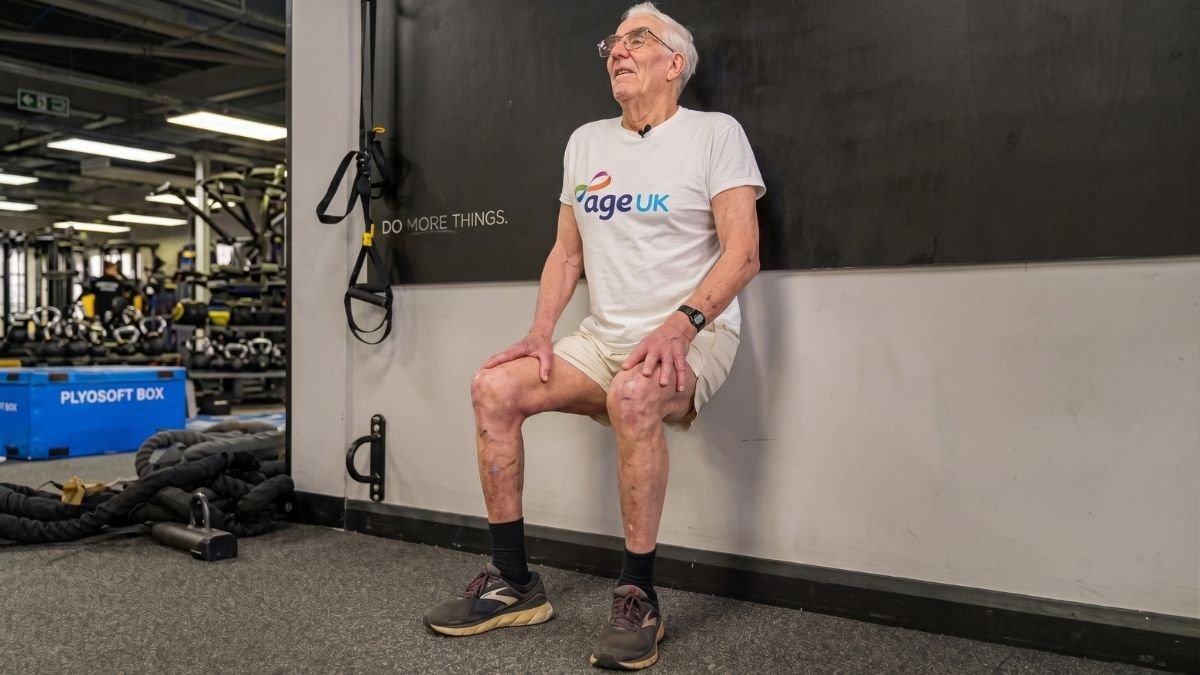
Sit to Stand Reps
A few times dailyMaintains core and leg strength needed for long-term physical independence.
What People Get Wrong About This
The most common mistake is all or nothing thinking, waiting for a real workout window that never quite arrives, then doing nothing at all that day. Exercise snacking works specifically because it removes that excuse.
Another mistake is assuming this replaces structured exercise entirely. Van Dyke still goes to a gym three days a week.

The daily movement snacks are what fills the gaps between those sessions, not a substitute for all physical activity.
People also underestimate how quickly the body responds. Improvements in blood sugar control from broken up sitting can appear within days, while cardiovascular gains from consistent short bursts have shown up in studies within a few weeks.
When To Slow Down And Call A Doctor

Warning signs that mean stop and get medical advice before continuing:
- Chest pain, pressure, or tightness during or after movement
- Sudden shortness of breath that feels different from normal exertion
- Dizziness, lightheadedness, or fainting
- New or worsening swelling in the legs or ankles
These symptoms do not automatically mean something serious is happening, but they are never something to push through.
How Long Until You Notice A Difference
Weeks 1 to 2: Blood sugar responses after meals tend to steady out first, since that effect shows up almost immediately once sitting is broken up regularly.
Weeks 3 to 4: Balance and everyday stamina, like climbing stairs without getting winded, typically start to feel noticeably easier.
Month 2 and beyond: Muscle tone and joint comfort continue improving, and the habit starts to feel automatic rather than effortful.
Dick Van Dyke did not build a hundred year track record by chasing a trend or following a rigid program. He built it by refusing to sit still for very long and by choosing, apparently on purpose, to expect good things. Both habits are available to anyone starting today, regardless of age or current fitness level.
This article is for informational purposes only and is not a substitute for professional medical advice, diagnosis, or treatment. Always consult your doctor or a qualified healthcare provider before making changes to your diet, exercise routine, or medications, especially if you have an existing health condition.