
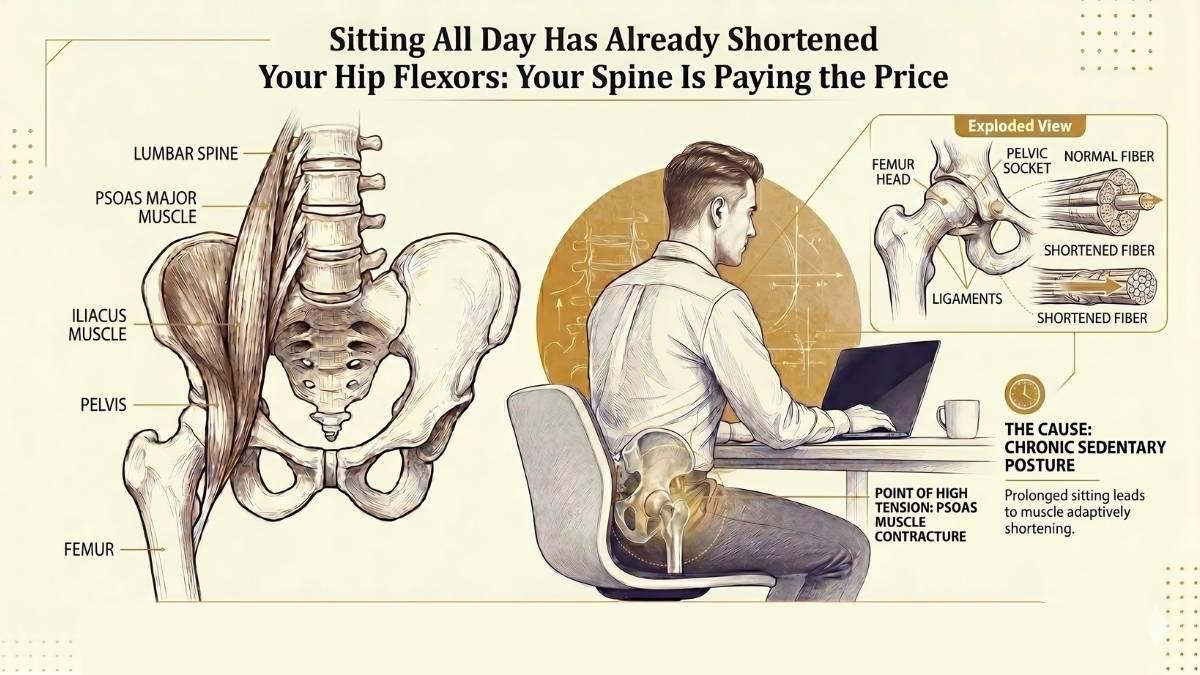
You stand up from your desk at five o’clock and your lower back instantly locks up. Sitting all day physically shrinks your hip muscles, which drags your lower spine out of line and creates daily back pain.
If you are an office worker dealing with lower back pain, rubbing sore back muscles will never fix the root cause. The real issue is hip flexor shortening from sitting.
Reversing the damage requires looking away from your aching back and focusing entirely on the front of your legs.
By the end of this page, you will know exactly how to physically lengthen your front hips to release the constant tension on your spine for good.
Hip Flexor Shortening From Sitting Changes Your Muscle Length
Stiffness hits the second you stand up from your desk because your body is literally changing shape. Hip flexor shortening from sitting is linked to those front muscles bunching up.
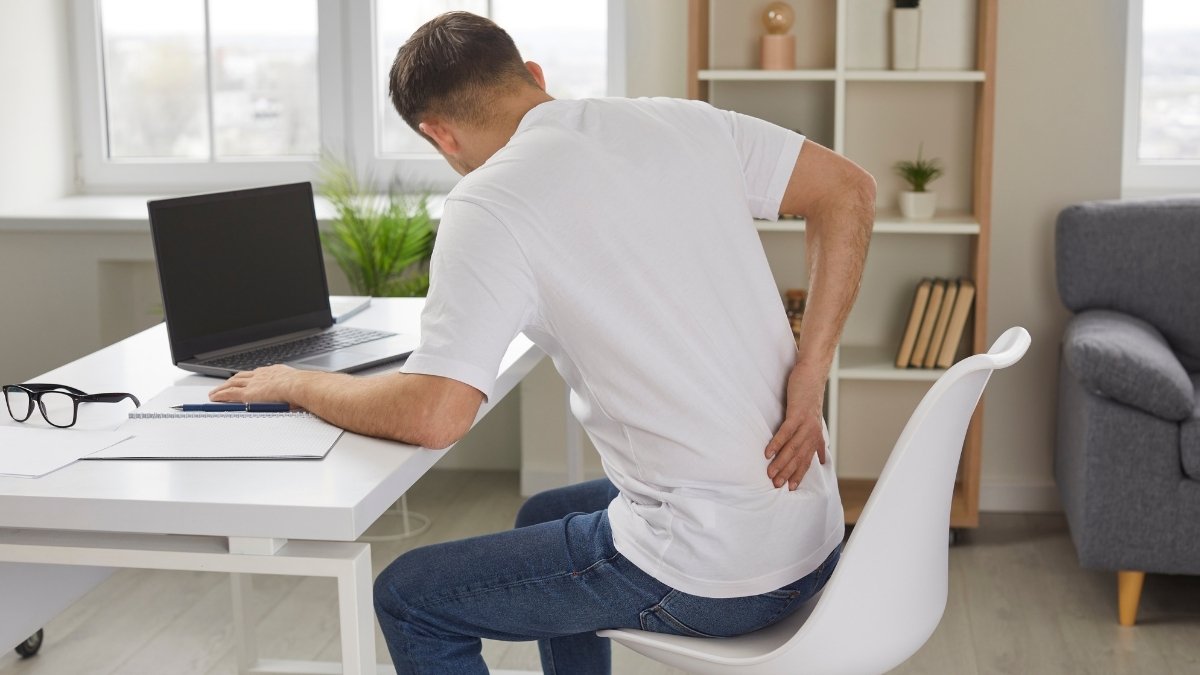
Natural resting length disappears as these muscles physically shorten over time. Your body is highly efficient and adapts to the position you hold most often.
When you sit for eight hours, your brain assumes you want short hips. The main victim is your iliopsoas [the primary muscle connecting the lower spine to the thigh].
You feel the stiffness after a long car ride because this muscle physically pulls tighter and forgets how to let go. Bending your knees and hips in a chair trains the front of your body to stay folded.
Muscle fibers adapt to this folded state by shedding sarcomeres, which are the basic units of muscle contraction. Your legs literally lose the physical tissue required to stand up straight easily.
Reaching a full standing position becomes a strenuous physical effort rather than a natural resting state. This adaptation happens subtly over months of desk work.
You might not notice the loss of length until reaching for something on a high shelf feels unusually tight in your stomach area. You understand the physical change, but you still need to see how it specifically damages your spine.
The Front of Your Body Is Pulling Your Back Out of Place
The pain hits your back, but the threat lives in front. Your lower back hurts because your shortened hip muscles are treating your spine like a tug-of-war rope.
This pull becomes obvious when you finally stand up. These tight muscles refuse to stretch and are associated with pulling your spine forward.²
Your belt line might dip forward in front. This creates an anterior pelvic tilt [a forward rotation of the hip bones].
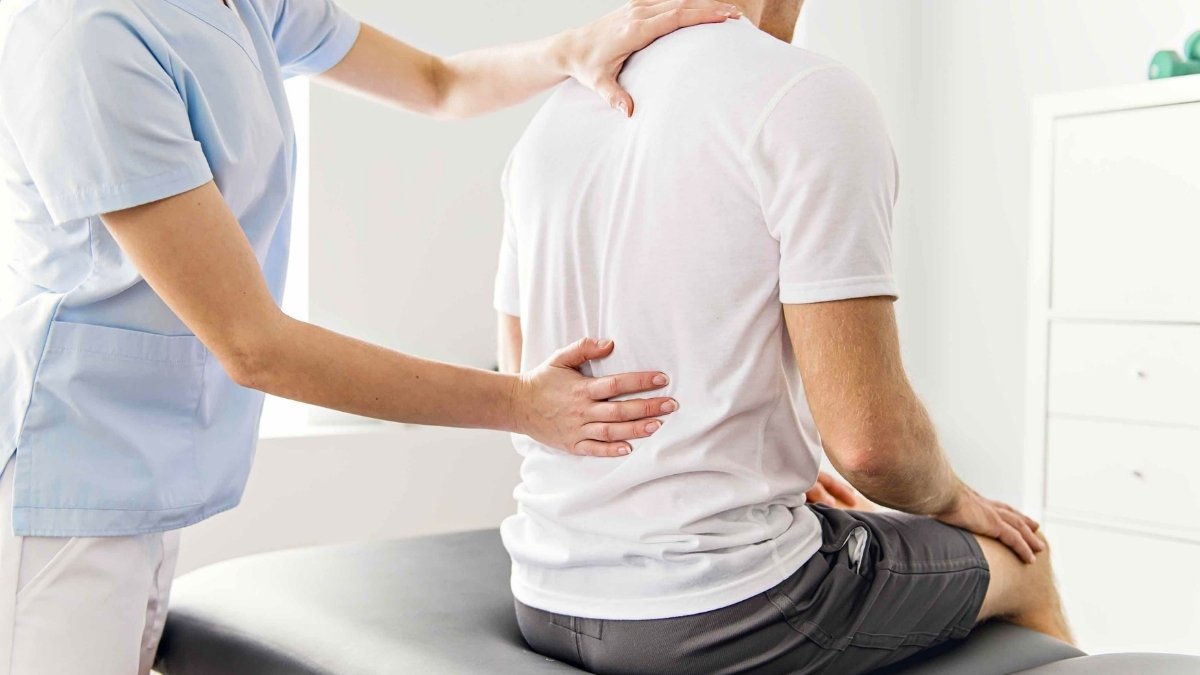
You force your back muscles to pull backward constantly just to keep you standing upright. They become exhausted, cramped, and highly sensitive to movement.
Your lower back is essentially doing double duty by holding up your torso and fighting the resistance of your own legs. This constant state of tension restricts blood flow to the lower back tissues, which magnifies the feeling of soreness.
Every step you take forces the spine to overextend backward to compensate for the hips refusing to open forward. The lower vertebrae take the brunt of this impact during normal walking.
Your core muscles also shut down because the extreme pelvic tilt stretches them beyond their functional limit. A weak core leaves the spine completely unsupported against the downward pull of the hip flexors. You see the mechanical battle, but you still need to know why your current treatments are failing.
Stop Treating Your Back for a Front Problem
You probably try massaging your sore lower back for quick relief. This feels great in the moment, but it only addresses a symptom.
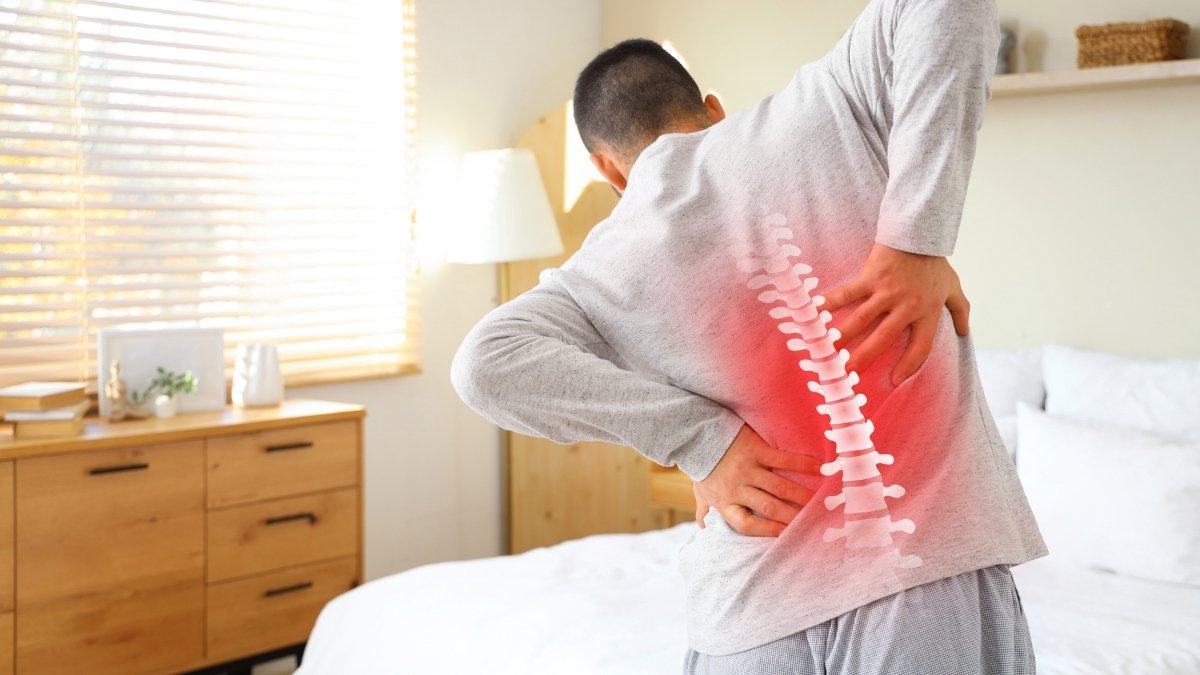
You exhaust your back muscles by forcing them to fight your tight hips. Massaging an overstretched muscle might feel nice, but it is not associated with fixing alignment.
Loosening the front of your body is required before doing anything to the back.
The relief from a massage fades within one hour of returning to your desk. You have to stop treating the victim and start treating the cause.
Applying heat to the lower back makes the muscles feel warm, but it does absolutely nothing to change the mechanical angle of your pelvis. Stretching your hamstrings is another common mistake that provides zero benefit.
Your hamstrings are actually already overstretched because the tilted pelvis pulls them tight from the top down. Continuing to stretch a muscle that is already pulled taut will only increase the feeling of instability in your lower body.
True relief only comes when the front of the body is addressed first. Talk to your doctor before doing a kneeling hip extension stretch if you are pregnant, on medication, or managing a chronic condition. To stop the pain permanently, you need a specific movement that physically stretches the hip.
The Single Stretch That Reverses Chair Posture
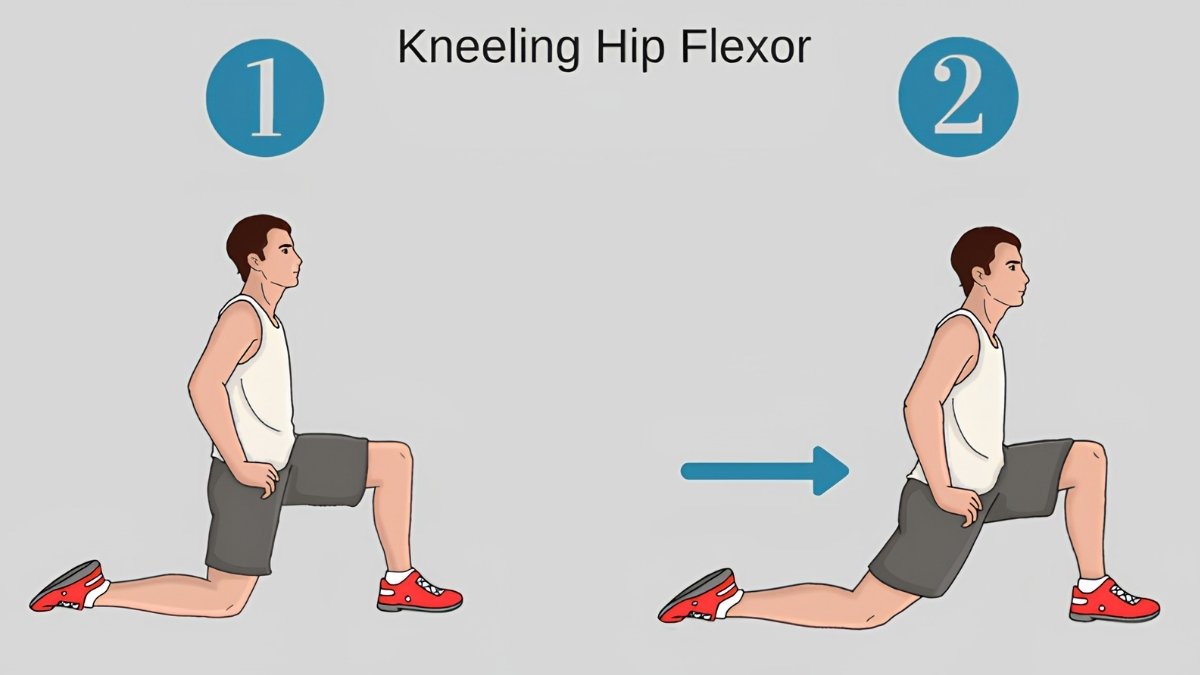
You need a practical and immediate fix you can do anywhere. The kneeling hip extension stretch isolates the exact muscle group causing your pain.
You can physically force your hips to open and reverse the tight angles of your chair. Doing this daily is linked to restoring natural alignment.
Performing the correct stretch requires strictly avoiding the common mistake of simply lunging forward as far as possible. Pushing your hips too far forward forces the lower spine to arch aggressively, which immediately recreates the exact pain you are trying to eliminate. The goal is mild tension, not extreme flexibility.
Daily Posture Reset Protocol
- Kneel on a soft floor with your right knee down and your left foot forward.
- Tuck your pelvis under firmly and actively squeeze your right glute muscle.
- Shift your entire body weight forward slightly without arching your lower back.
- Hold this mild stretching position for 30 full seconds while breathing deeply.
- Switch your legs and repeat the exact same process on the other side.
Performing this sequence targets the deepest hip muscles directly. You should feel a deep, warm pull in the front of your thigh, never a sharp pain in your back.
Maintaining the tucked pelvis is the secret to isolating the iliopsoas without involving the spine. You must perform this movement consistently to see lasting structural changes.
Doing it once feels good, but doing it daily rewires the nervous system to accept a longer resting muscle length. You have lengthened the front, but you still need to build glute strength to hold this new position.
Rebuilding Glute Strength to Hold the New Position
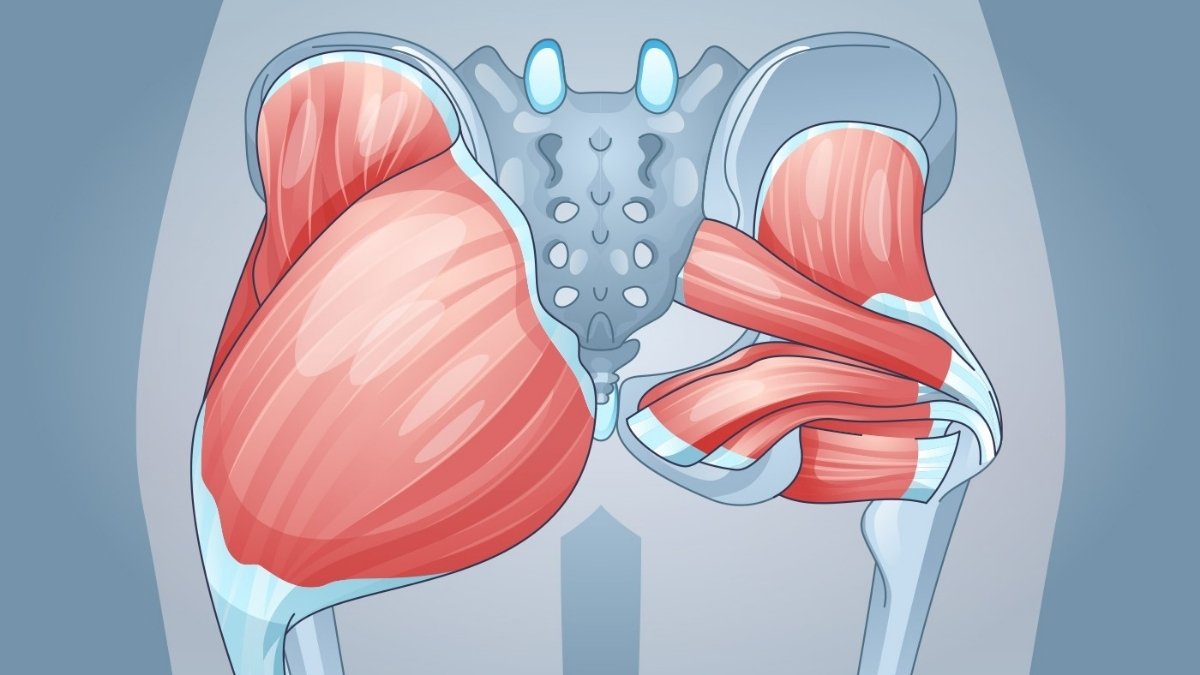
You will notice the back pain returns quickly if you only stretch the front. Sitting all day is linked to gluteal amnesia [the inability to properly use your butt muscles].
When you sit on your glutes for eight hours, they stretch out and basically turn off. Weak glutes cannot pull your pelvis into a neutral resting position.
Testing this right now is as easy as clenching your glutes while standing up straight.
Fixing this weakness requires practicing a basic floor glute bridge every single evening. Lie on your back, bend your knees, and lift your hips high.
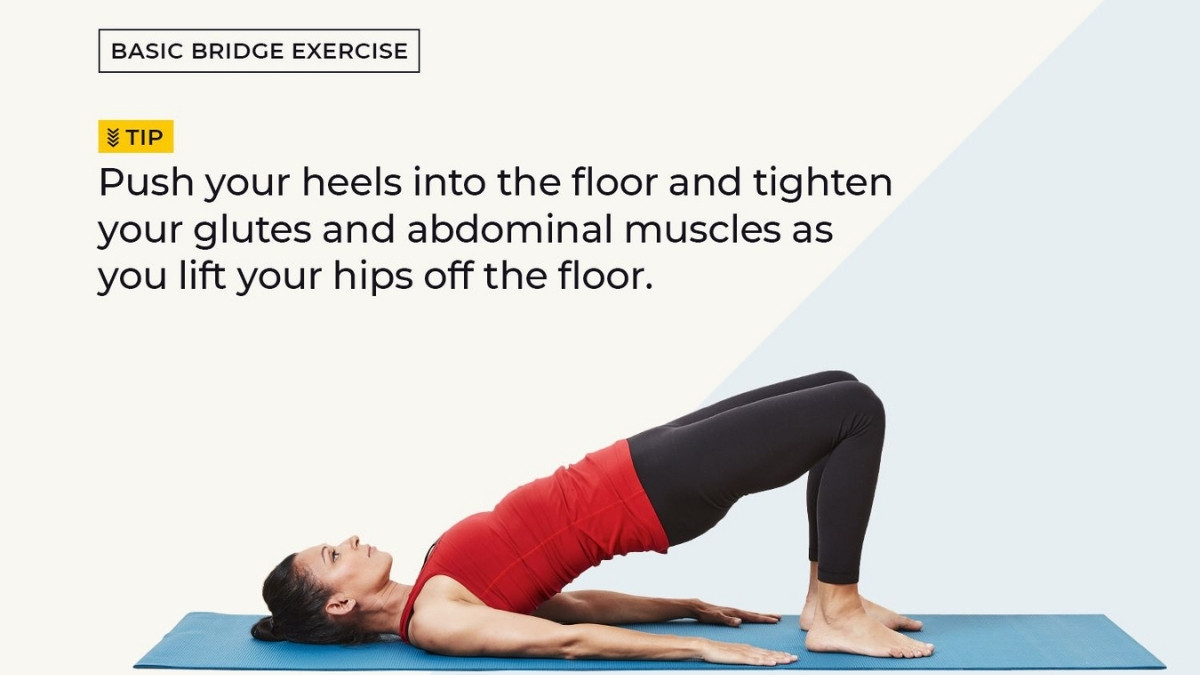
Squeeze hard at the top of the movement and hold it for two seconds before lowering back down. This basic bridge forces the glutes to fire aggressively against gravity.
Reawakening these powerful posterior muscles provides the counter-pull needed to keep the hips balanced. A strong set of glutes acts as an anchor for the pelvis, preventing it from tipping forward even when the front muscles get tight again.
Building this strength takes only a few minutes a day but provides a lifetime of spinal protection. Your muscles can now hold the right position, but you still need a strategy to protect them during your normal workday.
How to Sit Without Resetting the Damage
You have to go back to work eventually, which means returning to your chair. Sitting is unavoidable, but sitting completely still is what causes the damage.
Protecting your back starts by simply changing your chair position every 30 minutes. Small physical shifts are associated with preventing your hip muscles from locking into place permanently.
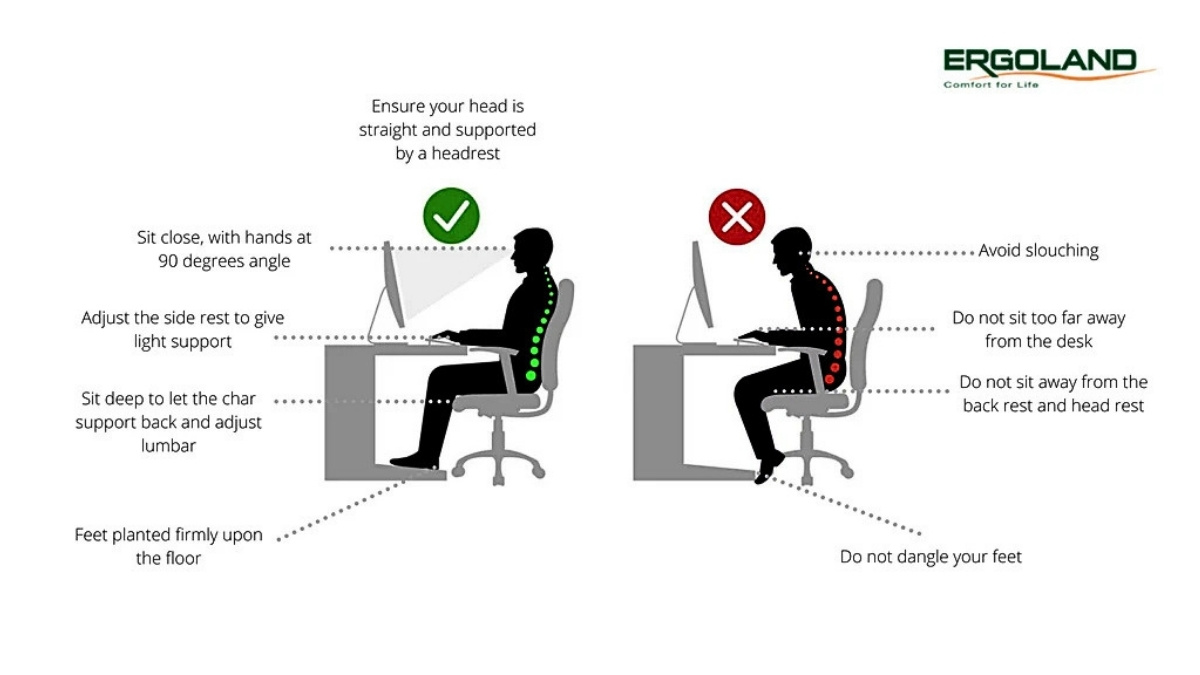
Try adjusting your seat height so your knees rest slightly below your hips. This opens your hip joint angle and creates less muscle compression immediately.
Setting a timer to stand up and walk a few steps helps immensely. Movement is the ultimate defense against a chair trying to ruin your posture.
Standing desks offer a great alternative if you transition slowly between standing and sitting throughout the day. Standing for eight hours straight presents its own set of joint issues, so the real magic lies in constant variation.

Drink more water during your shift so you are forced to get up and use the restroom frequently. These micro-breaks disrupt the mechanical shortening process before it becomes a permanent physical change. You have the daily strategy, but you still need to commit to the final action that guarantees a pain-free back.
Lastly,
Release the front of your hips today to save your lower back from agony. You need to stand up and perform a standing hip extension stretch every two hours. This simple daily habit actively fights the hip flexor shortening from sitting that destroys your posture. You do not have to live with a stiff back just because you work in an office. Take control of your muscle length right now and force your spine back where it belongs.