
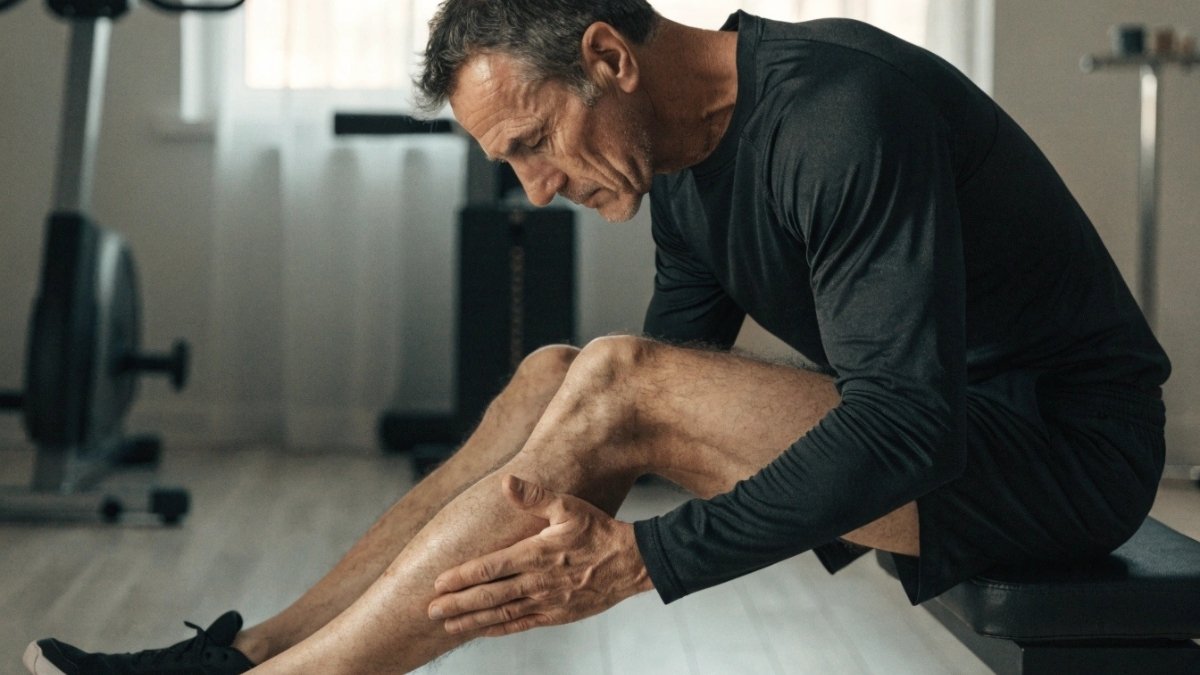
You feel fine. That’s the problem.
Most people have already lost a measurable amount of leg muscle by the time they reach their 40s, and they have no idea. This article is for adults in their 30s, 40s, and 50s who feel physically fine but want to stay strong as they age.
Sarcopenia [the gradual, age-related loss of muscle mass and strength] does not announce itself. It starts quietly, it starts early, and it starts in your legs first.
By the time you finish reading, you’ll know exactly when the loss begins, why your legs take the hardest hit, and what two things you can do this week to slow it down.
Your Legs Start Losing Muscle Before You Turn 40
You probably assumed muscle loss was something that happened in your 60s or 70s. It doesn’t.
Your body’s muscle clock peaked before you turned 30. Muscle mass reaches its highest point between ages 20 and 30, and after that the body begins losing it at roughly 3–8% per decade. That rate picks up sharply after age 60.
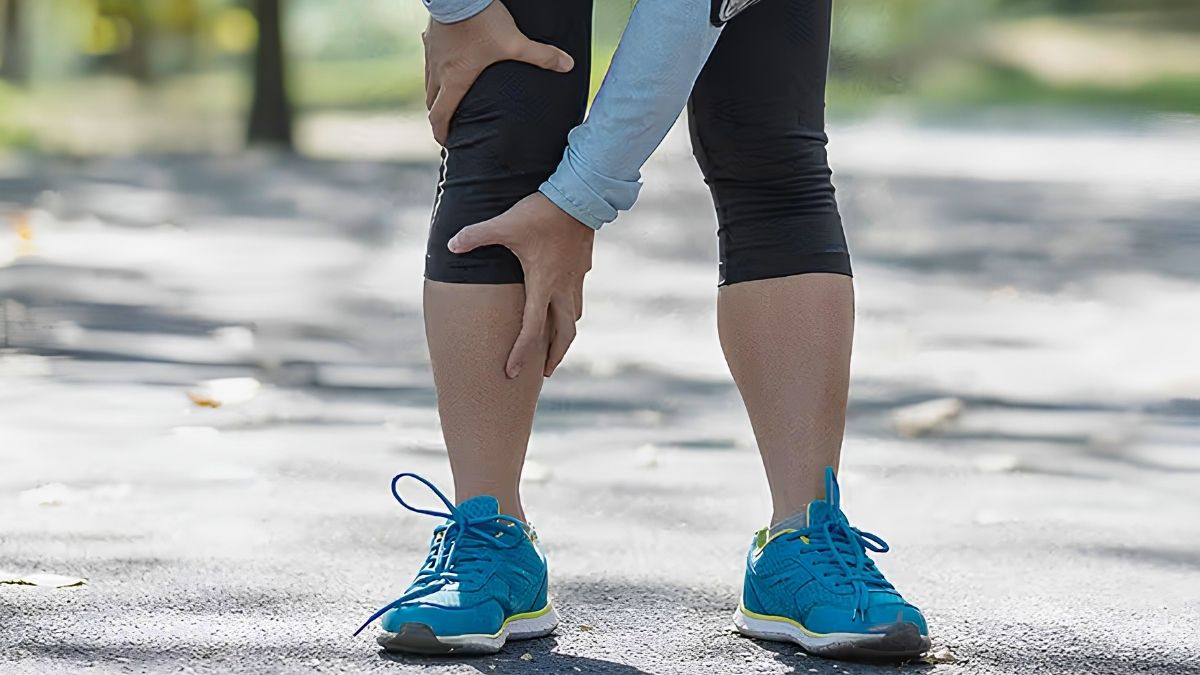
By the time most people encounter the word sarcopenia, it’s already affected more than 20% of adults between 60 and 70, and approaches 50% in those over 75.
That is not a reason to panic. It is a reason to pay attention now, not later.
Why it matters at 35, not 65: The math is simple. If you lose 5% of muscle per decade and don’t start protecting it until 65, you’ve already given away 15–20% of the muscle you had at your peak, silently, without a single symptom.
The loss is not uniform across the body. One part goes faster than the rest. The next section names it and explains what the research found.
Why Legs Go First: The Science Behind Leg Muscle Loss With Age
Your legs are losing muscle faster than any other part of your body right now, and your body will not tell you until it is too late to treat it easily.
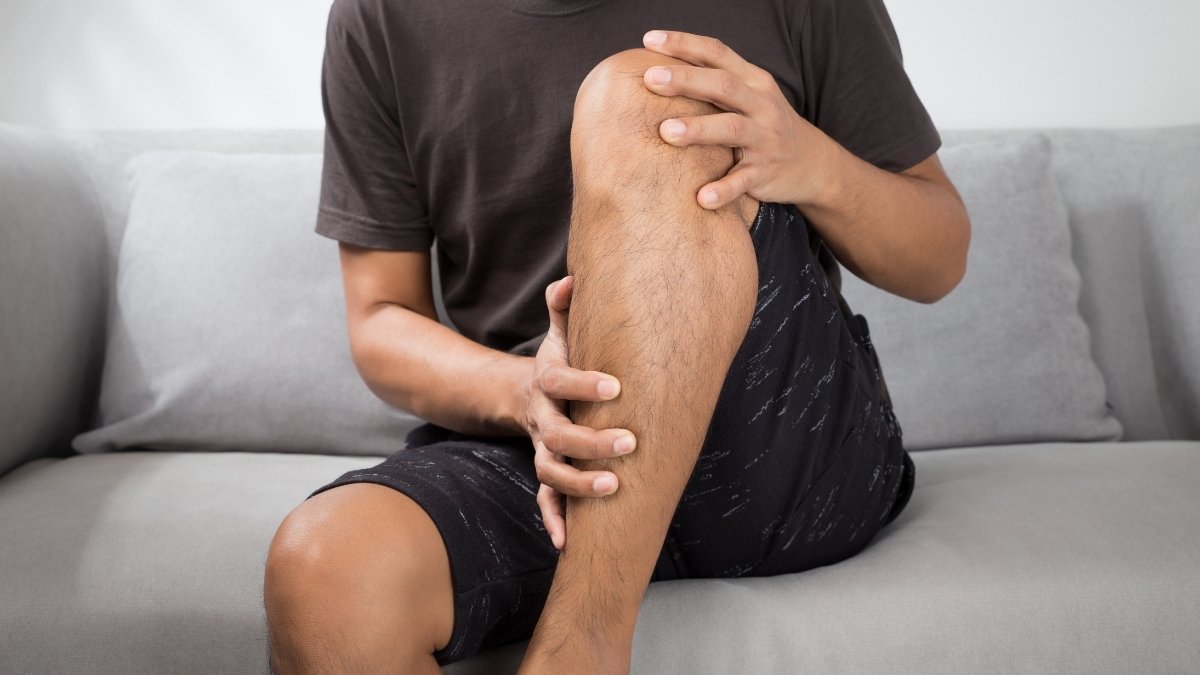
That is not a guess. It is documented in research. In aging — in both animals and humans — leg muscles are more severely affected than arm muscles. Scientists studying this noted something important: lower body strength has a stronger impact on independence and quality of life in old age than upper body strength.
This is why a weak grip is inconvenient, but weak legs change whether you can live alone.
Strength in lower limbs [the muscles of the thighs, calves, and hips that carry your body weight and power your movement] declines faster with age than strength in the upper limbs. This matters because your arms can compensate. They can grab a railing, push off a chair, steady you on uneven ground. Your legs cannot delegate that work to something else.
Why this hits early:
- Leg muscle loss with aging is measurable before the 50s in most people
- Fat tissue can replace lost muscle volume, so the leg looks normal even as it gets weaker
- The change happens in the structure of the muscle, not just its size
Most people notice nothing. The next section explains exactly why, and what you find there is more unsettling than the loss itself.
What Early Sarcopenia Feels Like (Before You Feel Anything)
Here’s what makes early sarcopenia unusual: there may be nothing to feel.
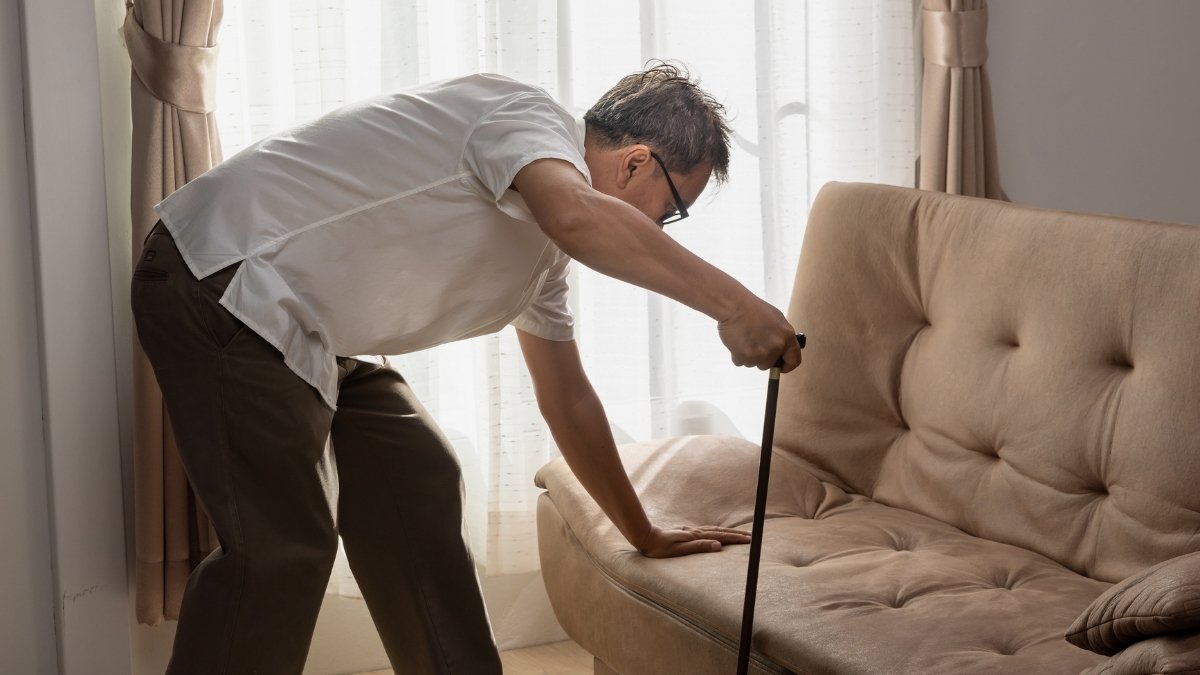
Sarcopenia [the age-related loss of muscle mass, strength, and function] may have no symptoms until it is severe, and it is often unrecognized. This is not because the body hides it intentionally.
It’s because fat tissue can move in and fill the space left by shrinking muscle. The leg looks the same in the mirror. The scale may not even change much.
Your weight might not even change. Sarcopenic obesity [a condition where fat mass increases as muscle mass decreases, often keeping body weight stable while muscle is disappearing] makes this especially hard to catch.
A person can appear to be a healthy weight while losing significant muscle underneath. This is one reason sarcopenia is a rising but often undiagnosed health problem.
What you might notice first, if anything:
- Tasks that used to feel easy now feel like mild effort
- Getting up from a low chair or the floor takes a small extra push
- Stairs feel slightly heavier in the afternoon than they used to
None of these feel alarming. That’s the issue. The signals exist, but they’re quiet. The next section names the specific physical moments that are telling you something real.
The Warning Signs Hidden in Daily Life
You don’t need a lab test to catch the early signs of sarcopenia. Clinicians use a few simple physical tasks to screen for it, and you can pay attention to the same things.
Early sarcopenia signs showing up in everyday life:
- Slower walking pace than you had five years ago. Doctors use gait speed [how fast a person walks over a set distance, measured as a clinical marker of muscle function and physical performance] as a diagnostic tool for sarcopenia.
- Difficulty standing from a chair without using your arms. The chair stand test — counting how many times you can sit and rise in 30 seconds — measures leg muscle strength directly.
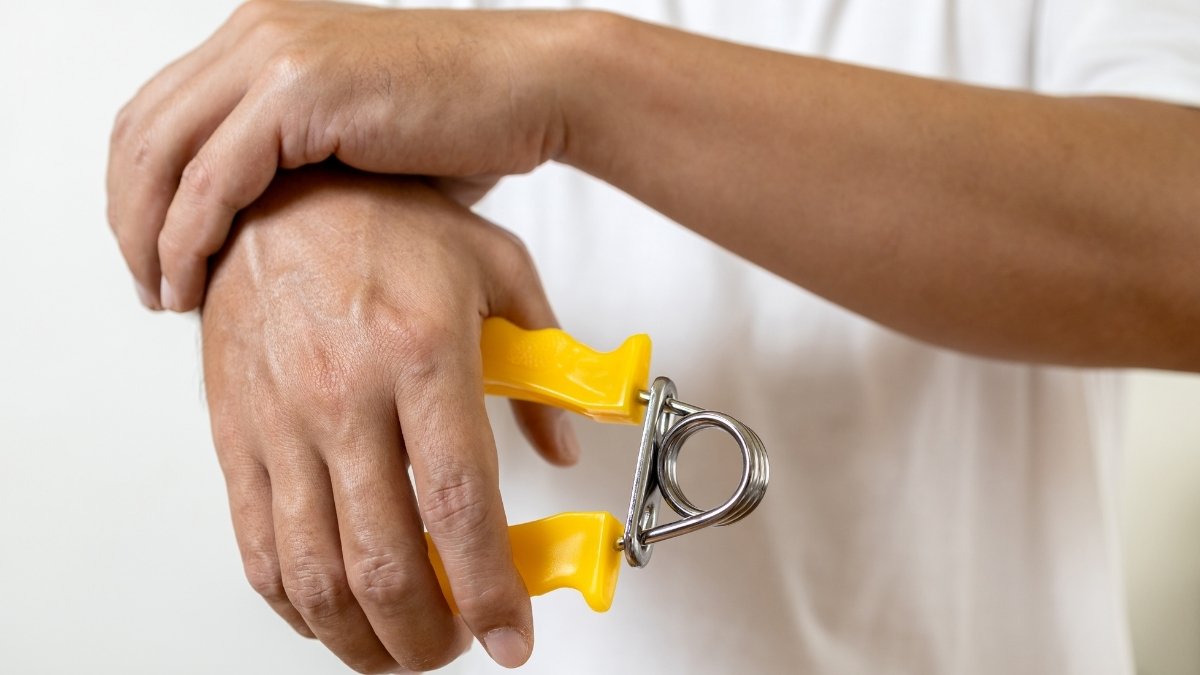
- Reduced grip strength. Research supports adding handgrip strength [a measure of overall muscle strength used because it correlates strongly with muscle mass and function throughout the body] to routine care because it identifies early declines. Weak grip often signals broader muscle loss.
- Taking longer to recover after physical effort than you did in your 30s.
None of these alone confirms sarcopenia. Two or more together, especially if they’re new, are worth taking seriously.
The clinical red flag list used by healthcare providers includes: falling, feeling weak, walking slowly, difficulty rising from a chair, and unintentional weight loss. If you recognize any of these, bring them up at your next appointment.
Don’t wait to see if they get worse.
The good news is real. The next section covers the two interventions with the strongest evidence behind them, and one of them you can start today.
How to Slow the Loss: Resistance Training and Protein
Talk to your doctor before starting a new exercise program or changing your diet if you’re managing a chronic condition, recovering from injury, or on medication that affects muscle or bone.
You don’t need to run marathons or lift like an athlete. Two specific things have the clearest research support for slowing and even reversing sarcopenia: resistance training and adequate protein.
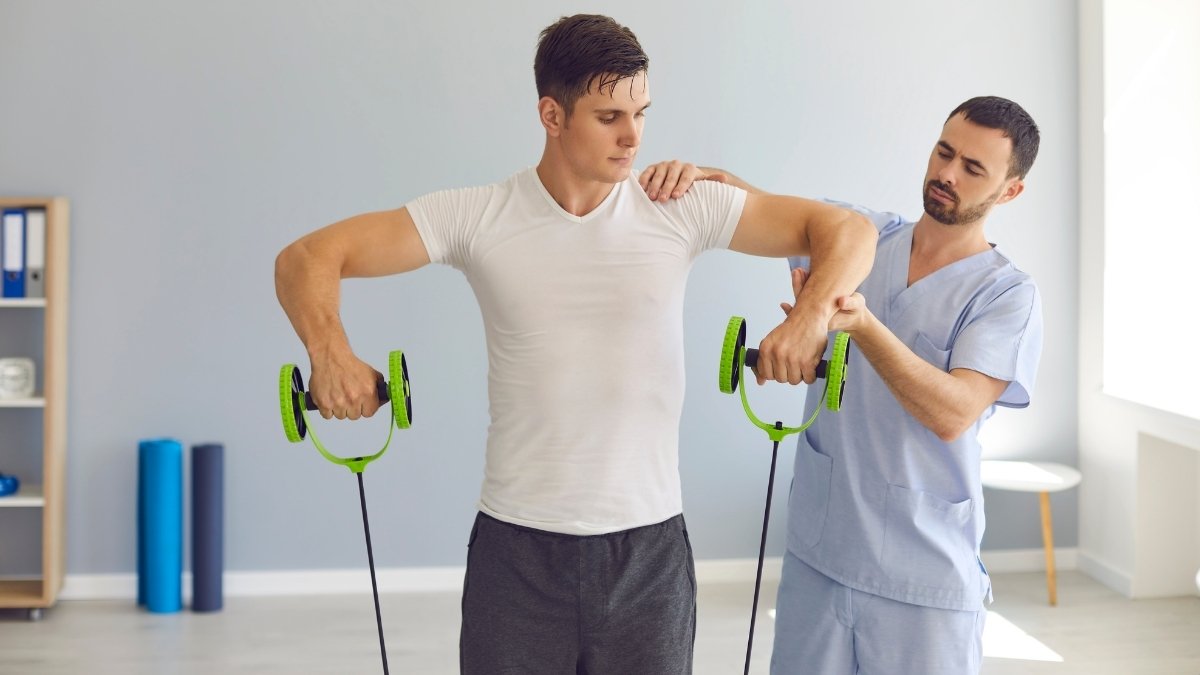
The most proven tool you have is resistance training [any exercise that works muscles against an opposing force, including weights, resistance bands, bodyweight exercises, or machines]. It is the primary non-drug treatment for sarcopenia with the strongest evidence base.
A meta-analysis of randomized controlled trials found it significantly improved grip strength, walking speed, and skeletal muscle index [a measure of total muscle mass relative to height, used to assess sarcopenia severity] in older adults with sarcopenia.
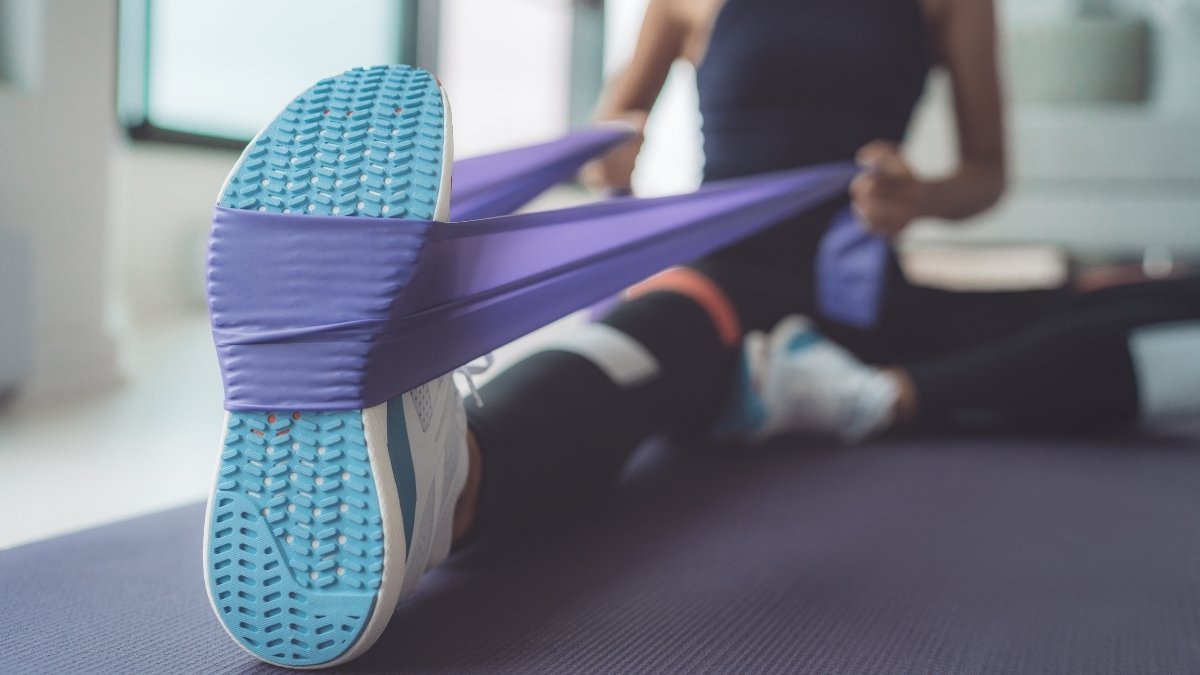
Elastic band training is one of the best-studied options. Research found that sessions of 40 to 60 minutes, more than three times per week for at least 12 weeks, were among the most effective approaches tested. Machine-based progressive resistance training has also shown the potential to reverse sarcopenia even in the oldest adults.

On protein: the standard dietary recommendation of 0.8 grams of protein per kilogram of body weight per day is likely not enough. Research using a 12-week trial of elderly females aged 60–75 with sarcopenia found that 1.0 to 1.2 grams per kilogram per day was more effective for preserving lean muscle mass, strength, and physical function.
Combining both gives better results than either alone.
The last section turns this into a starting plan. No gym membership required.
Starting From Where You Are: What to Do This Week
The best time to start protecting your leg muscles was ten years ago. The second best time is this week.
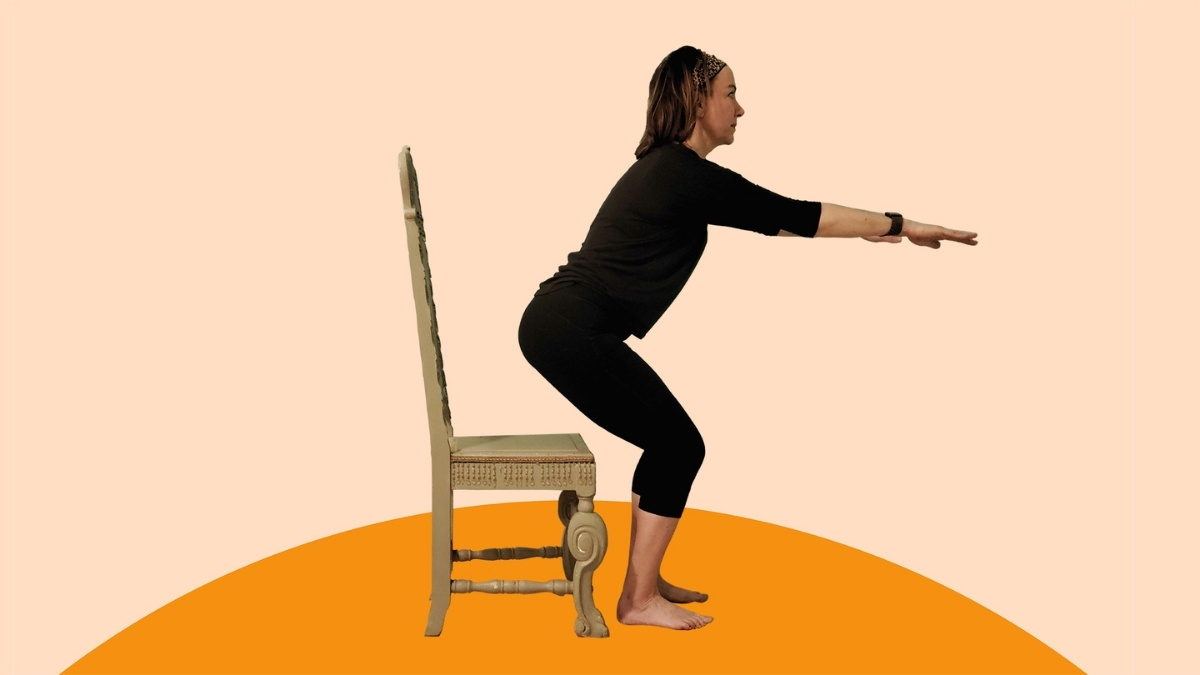
You don’t need a gym. The exercises used in sarcopenia research include bodyweight squats, chair stands, step-ups, and resistance band work, all doable at home.
A simple starting plan:
- Two resistance sessions per week. Research on healthy older adults supports this as an effective starting dose for reducing sarcopenia risk.
- Target your legs first. Chair stands, bodyweight squats, and step-ups directly address the muscle groups most affected earliest.
- Spread your protein across three meals. Spreading protein across three meals matters more than most people realize. A study of community-dwelling adults aged 55 and older found that higher protein intake at breakfast and lunch was linked to better total daily protein intake across the day. Concentrating protein at dinner only leaves two meals doing very little.
- Aim for 1.0 to 1.2 grams of protein per kilogram of body weight each day. For a 70 kg (154 lb) person, that’s roughly 70–84 grams of protein daily.
What progress looks like:
It won’t feel dramatic at first. The point is not transformation — it’s maintenance and then gradual rebuilding. You can slow it, and slowing it now keeps more options open at 60 and 70.
Lastly,
The single most useful thing you can do today is make two resistance training sessions a non-negotiable part of this week. Start two resistance training sessions this week and aim for 1.0 to 1.2 grams of protein per kilogram of your body weight every day.
To prevent sarcopenia, you don’t need a perfect plan. You need a start. The loss is already happening. The response is up to you.
DISCLAIMER⚠️:
This article is for informational purposes only and does not constitute medical advice, diagnosis, or treatment. The content addresses age-related leg muscle loss and sarcopenia prevention and is intended for general educational purposes only. Health conditions vary significantly between individuals — always consult a licensed physician or qualified healthcare provider before making any decisions about your health or medical care.