
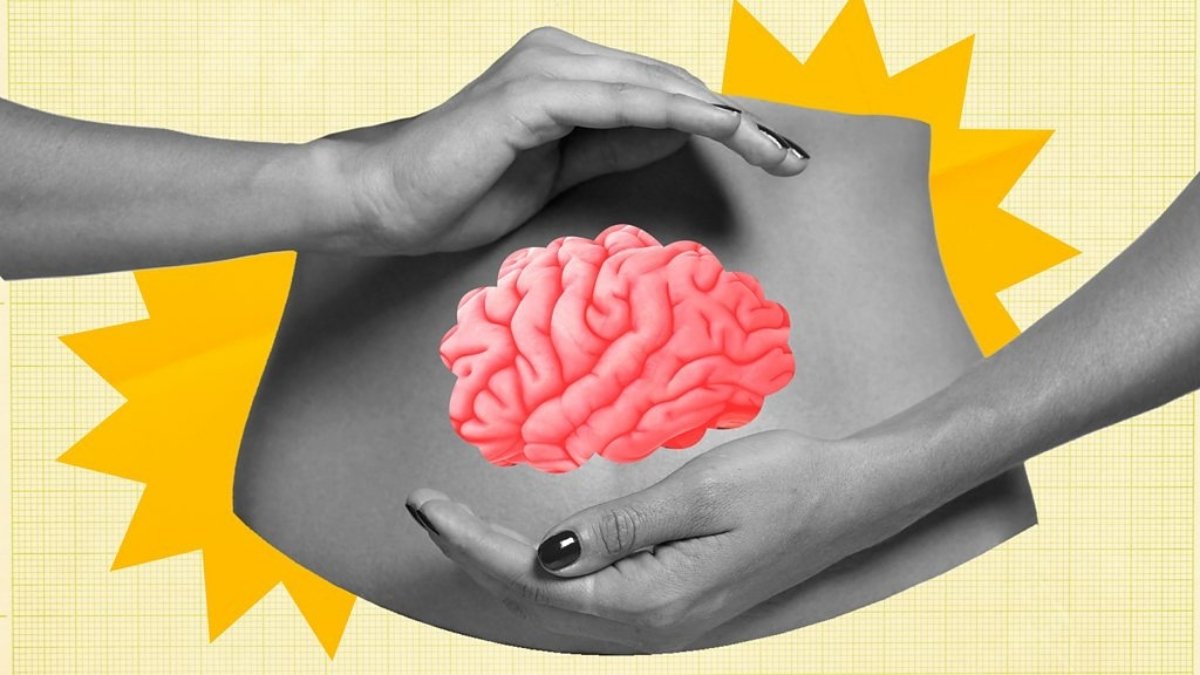
You’re standing in the kitchen at 10 a.m. The coffee is made. The to-do list is written. And you can’t remember why you walked in.
You haven’t told anyone, but you’ve started to wonder if something is wrong. Not just “busy” wrong. Something deeper.
Here’s what almost no one tells adults over 50 who are already doing everything right.
The memory lapses and mood shifts you’ve been blaming on age may not be a brain problem at all. They may be a signal from the trillions of tiny organisms living in your gut.
The gut-brain connection after 50 is one of the most important things you can learn, and it’s one of the least talked about.
What the Gut-Brain Connection After 50 Actually Means
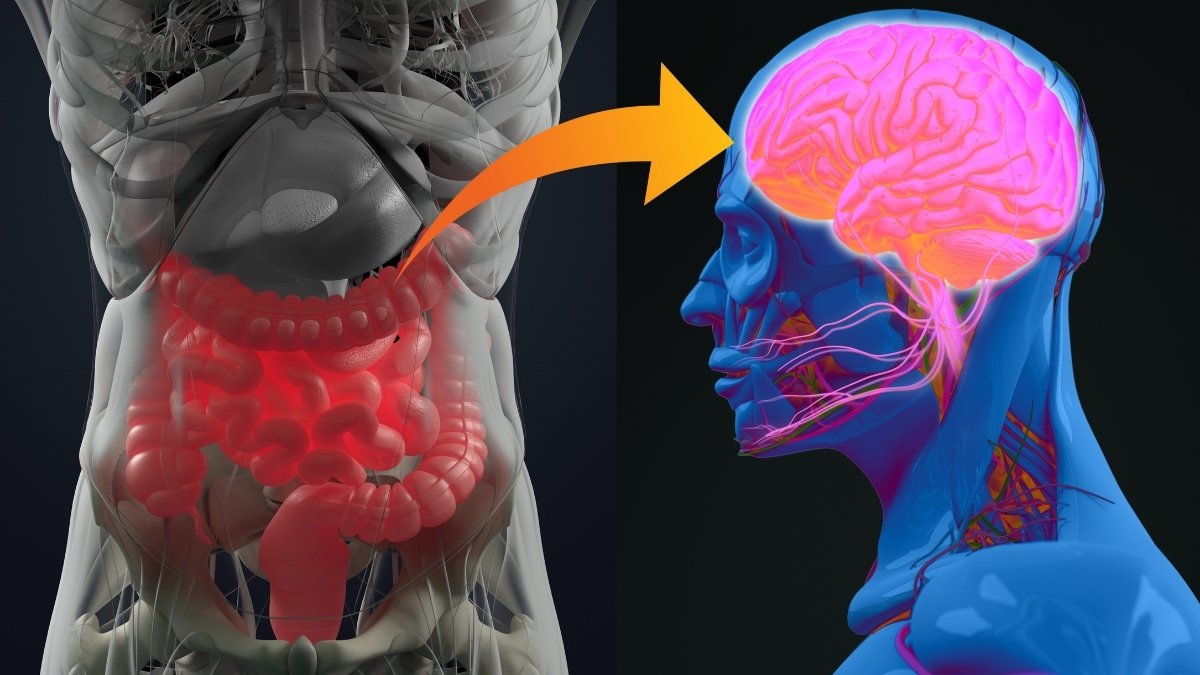
You feel the fog. Your gut may be causing it.
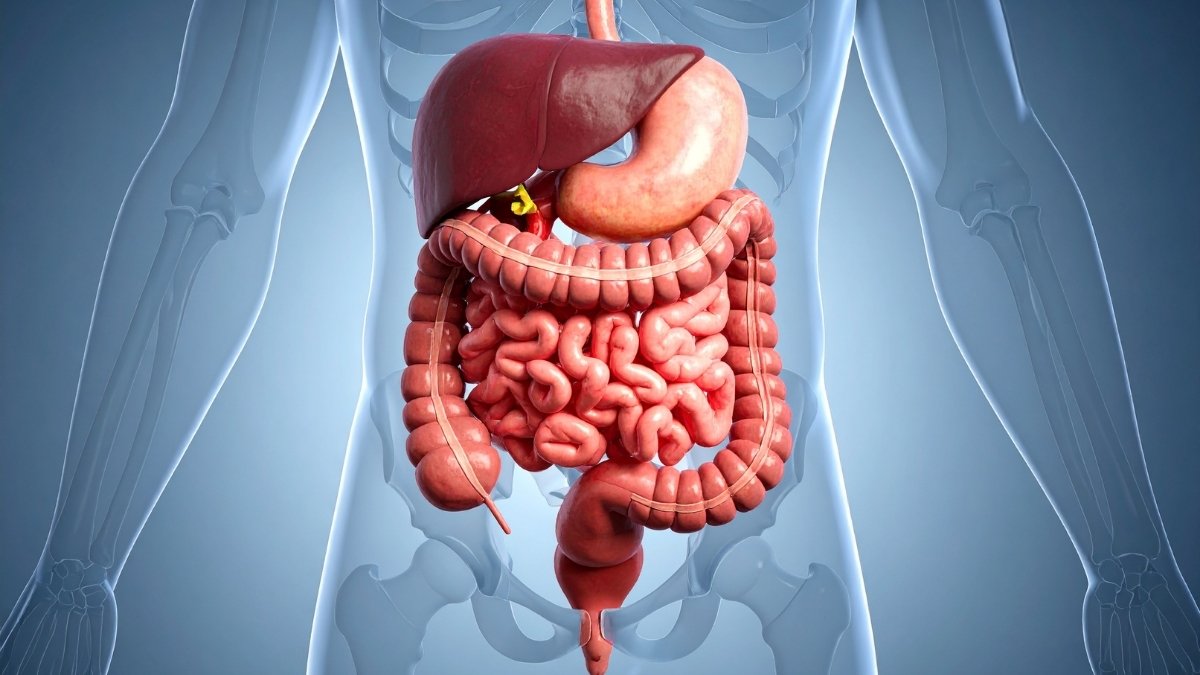
Your gut isn’t just a digestion tube. It contains more than 500 million neurons.
That’s a full nervous system of its own, running from your throat to your colon. Scientists call it the enteric nervous system [ENS].
A long nerve called the vagus nerve connects your gut directly to your brain. Think of it as a telephone line.
Most of the calls go one way: gut to brain, not brain to gut. Your gut is talking to your brain all day. Your brain mostly listens.
Here’s the part that changes everything: about 95% of your body’s serotonin is made in your gut, not your brain.
That’s 19 out of every 20 units of the chemical most linked to mood and calm.
Your gut also drives memory signals. A 2024 study from USC found that gut signals sent up the vagus nerve reach the hippocampus.
The hippocampus is the part of your brain that forms and stores memories.
So when your mood drops and your memory slips, your gut may be sending a distress signal upward. Your brain is just the receiver.
5 Symptoms That Start in Your Gut, Not Your Brain
You’ve probably named these as “just aging.” They’re not.
5 Gut Symptoms
Blamed on the Brain
Morning brain fog
Your gut bacteria make short-chain fatty acids [SCFAs] that fuel your brain cells. When those bacteria drop off, so does mental clarity.
Unexplained low mood
Specific bacteria make GABA and serotonin building blocks. When those bacteria disappear, your brain gets fewer of the raw materials it needs.
Afternoon energy crash
This isn’t always about blood sugar. Inflammatory compounds from a disrupted gut reach the bloodstream and tax the whole body.
Anxiety without a cause
When harmful bacteria overgrow in your gut, they release signals that raise systemic inflammation. That inflammation talks to your nervous system.
Mild memory slippage
Forgetting words, names, or what you just said. Research shows that gut imbalance reduces a protein your brain uses to grow and repair nerve cells.
A 2022 study of 1,054 people found that those with depression were missing the exact bacteria that produce your brain’s calming chemicals.
If three or more of these feel familiar, your gut’s microbial community may already be under strain. The cause is worth knowing.
Why Gut Diversity Collapses After 50

Why does this happen at 50 and not 30? That’s the right question.
Gut diversity, the variety of different bacteria living inside you, starts to thin out as you age. Multiple population studies confirm this.
It’s not one dramatic event. It’s a slow shift.
But it’s not just age doing this. A study of 251 people aged 18 to 80 found that medications drive gut diversity loss just as much as age does.
Things That
Speed This Up
A diet low in fiber and high in processed foods
A single course of antibiotics
Diversity loss can last months
Chronic stress
Less physical movement
Common medications like PPIs and NSAIDs
When protective bacteria disappear, the gut lining weakens. The immune system starts overreacting. A slow, low-grade inflammation builds in the body. Researchers call this inflammaging.
That inflammation doesn’t stay in your gut. It crosses into the bloodstream. It reaches the brain.
A 2024 meta-analysis found that gut imbalance may damage your brain’s ability to protect and repair itself over time, raising the risk of cognitive decline.
What’s actually worth changing, and will it make a difference?
The Gut-Repair Protocol: 6 Habits That Rebuild Your Microbiome
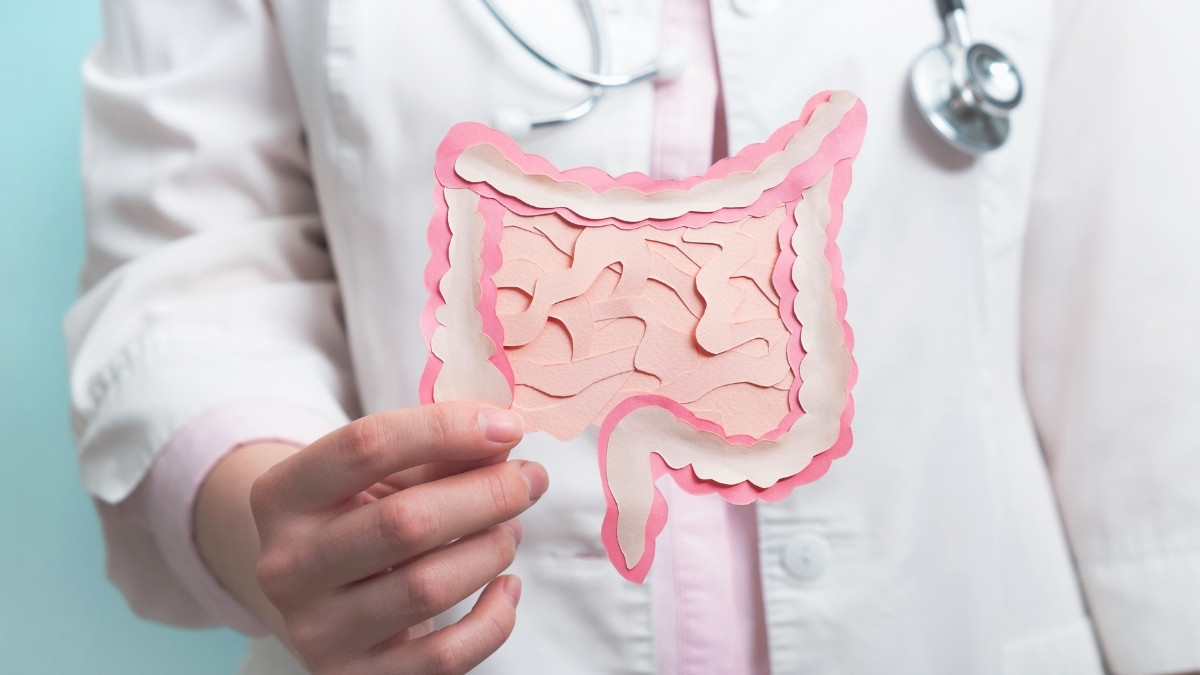
Most gut health advice out there was designed for 25-year-olds. These six habits come from clinical trials that studied people over 65.
Talk to your doctor before making major changes if you’re on medication, managing a chronic condition, or pregnant.
The Six Habits
For Your Gut
Listed in order of ease
Add one fermented food each day
Yogurt, kefir, kimchi, or sauerkraut all count. A 12-week trial found that Bifidobacterium probiotics improved memory and mood in healthy adults over 65.
Eat more fiber
Aim for 25 to 38 grams per day. Fiber feeds the bacteria that produce SCFAs. SCFAs protect your gut lining and reduce inflammation.
Walk 30 mins, 3x a week
Exercise at a moderate pace for eight or more weeks measurably changes your gut’s bacterial makeup.
Be careful with antibiotics
Use them only when medically needed. Even one course causes measurable diversity loss that can last months.
Manage stress consistently
Cortisol, the stress hormone, disrupts gut bacterial balance and weakens the gut wall.
Sleep seven to eight hours
Your gut bacteria follow a daily rhythm. Disrupting sleep disrupts that rhythm in both directions.
Quick reference: the gut-repair checklist
- One fermented food today
- Fiber at every meal
- 30-min walk, 3x this week
- Antibiotics only when essential
- Stress reduction practice in place
- Sleep consistent, 7 to 8 hours
One habit, started this week, matters more than six habits started next month and abandoned.
The Foods That Are Quietly Destroying Your Gut Microbiome
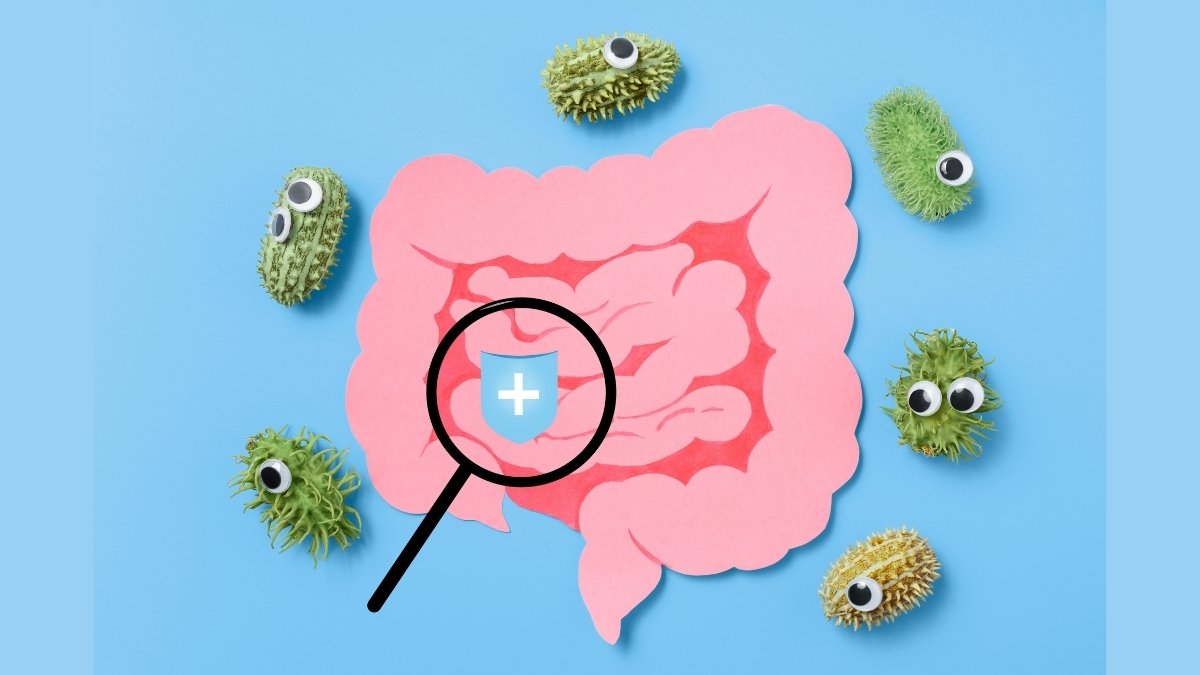
Some of what’s in your kitchen right now is breaking down the bacterial community you’re trying to build.
Ultra-processed foods [UPFs] are the biggest offender. They contain synthetic emulsifiers, artificial sweeteners, and almost no fiber.
A 2025 review found that UPFs are directly linked to decreased gut diversity and higher levels of pro-inflammatory organisms.
A review of 26 observational studies found that people who eat more UPFs have a higher risk of depression.
Some “Healthy” Foods
Qualify As UPFs
Flavored yogurt with additives
Store-bought granola bars
Most packaged “gut health” snacks
Low-fat salad dressings with emulsifiers
A simple test: if the ingredient list has more than five items you can’t pronounce, treat it as a UPF.
Whole foods, plain fermented foods, and diverse fiber sources protect your microbiome. They do what supplements alone can’t.
Removing UPFs alone won’t repair your gut, but keeping them will slow every other habit you add.
What Happens to Your Memory and Mood at 30, 60, and 90 Days

Here is what the research actually says will happen, and when.
When You Will
Notice Changes
Physical Changes First
At 30 days, most people notice physical changes first. Less bloating. More regular digestion. Better energy before noon. The microbial shifts happening inside you are real, but still early.
Mood Shifts Appear
At 60 days, mood changes start to appear. In clinical trials, participants reported less flat affect and reduced anxiety symptoms around the six-to-eight week mark.
Memory Becomes Measurable
At 90 days, memory improvements become measurable. In a 12-week trial, healthy older adults who took a Bifidobacterium longum supplement scored nearly 19 points higher on cognitive tests.
That includes short-term memory and attention, two of the first things people notice slipping.
Most people begin to notice initial changes within two to four weeks. Real mood and memory shifts usually take two to three months of consistent habits.
Progress is not a straight line. Your baseline matters. Medication load, diet quality, and sleep quality all affect your speed. The two biggest predictors are consistency and fiber intake.
Three things to track without any test:
- How much energy you have before noon
- How easily words and names come to you
- How you feel before a social event, not after
Those three measures will tell you more than any tracker will.
Start Today,

Start with the single most actionable step from everything above.
Pick one habit from the list above: one fermented food, one prebiotic fiber, or one 10-minute walk. Start it today. Your gut can begin rebuilding its community within two weeks.
The gut-brain connection after 50 isn’t a trend. It’s the biology of how you feel every single day.
Please Read Our
Medical Disclaimer
Savvy Hipster is for informational purposes only and is not a substitute for professional medical advice, diagnosis, or treatment. Always consult a qualified healthcare professional before making any changes to your diet, exercise, or supplement routine.
Health results vary individually, and you should stop immediately and seek medical help if any unusual symptoms occur. By using this website, you take responsibility for your own health decisions.