

In five corners of the world, regular people are reaching their 90s with almost no heart disease, no diabetes, and no dementia. Scientists have spent over 20 years studying why.
These places are called Blue Zones. Researcher Dan Buettner identified them: Okinawa in Japan, Sardinia in Italy, Ikaria in Greece, Nicoya in Costa Rica, and Loma Linda in California.
The Adventist Health Study followed over 96,000 people from Loma Linda alone and found that those eating plant-heavy diets lived significantly longer with far less chronic disease.
This is not another
diet plan.
These are real meal habits.
Backed by real population data.
What Makes Blue Zone Meals Different From Everything You’ve Been Told

Most diets tell you what to eat. Blue Zone research tells you how people actually live. That is a big difference.
Buettner and his team studied more than 150 dietary surveys from the world’s longest-lived populations. They were not looking for a magic food. They were looking for patterns. And they found them.
Here is the key fact: all five Blue Zones eat completely different foods. Okinawans eat sweet potatoes and tofu. Sardinians eat fava beans and barley. Nicoyan eat corn and black beans. The food is different. The habits are the same.
Roughly 95% of what Blue Zone people eat comes from plants. Not because they follow a strict rule. It is simply what was available and affordable in their regions. And the results are hard to ignore. Adventist men who follow these habits live 7.3 years longer than average. For vegetarian Adventists, that gap grows to 9.5 years.
These are not outliers. These are patterns you can copy.
3 Tips to Apply This Today:
- Stop looking for a perfect diet and start looking for repeatable daily habits
- Focus on what these populations have in common, not what makes them different
- Know that 80% of your longevity is lifestyle-driven, not genetics
Habit 1 — They Stop Eating at 80% Full, Not 100%

Before every meal, Okinawans say “hara hachi bu.” It is a 2,500-year-old Confucian saying. It means: stop eating when you are 80% full.
This sounds simple. But most people eat until they are stuffed. That extra 20% adds up every single day, for decades.
Here is the science behind it. The hormones that tell your brain you are full take about 20 minutes to reach peak levels in your blood. If you eat fast, you will already be overfull by the time your body sends the signal. Eating slowly and stopping early gives your body time to catch up.
This is caloric restriction without counting a single calorie. No app. No scale. No tracking. Just a pause before the last few bites.
People in Blue Zones do not diet. They eat less by habit. That is completely different from restriction. One creates stress. The other creates longevity.
3 Tips to Apply This Today:
- Put your fork down between every bite and wait a few seconds
- Use a smaller plate — it creates visual fullness faster
- Eat away from screens so you can actually notice when you feel satisfied
Habit 2 — They Make Legumes the Star of Every Meal, Not a Side
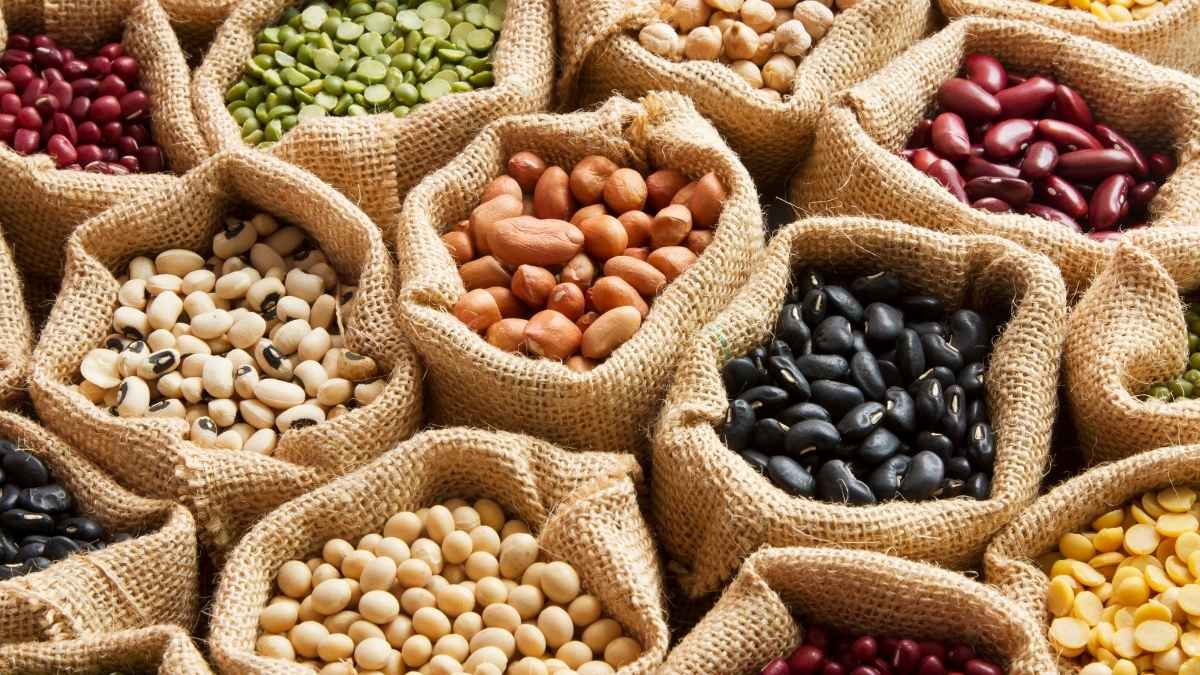
If one food links all five Blue Zones, it is beans. Black beans in Nicoya. Lentils and chickpeas in the Mediterranean. Soybeans in Okinawa. People in Blue Zones eat at least four times more beans than the average American.
The target is roughly one cup per day. A 2025 study in Food and Nutrition Research found that diets heavy in legumes correlated with longer telomere length. Telomeres are the protective caps on your DNA. Shorter telomeres mean faster cellular aging. Longer telomeres mean slower aging.
Beans are also high in fiber, plant protein, and resistant starch. All three feed good gut bacteria, stabilize blood sugar, and keep you full longer.
And here is the practical truth: beans are one of the cheapest foods on the planet. They store for months. They work in soups, salads, wraps, and stews. There is almost no easier change you can make to your meals starting tonight.
3 Tips to Apply This Today:
- Add a half cup of canned lentils to any soup or stew — no prep needed
- Swap white rice for black beans in one meal per week
- Keep a can of chickpeas in your bag for a fast, filling snack
Habit 3 — They Eat Their Biggest Meal Early and Their Smallest Meal at Night

Most people eat a light breakfast, a medium lunch, and a heavy dinner. Blue Zone people do the opposite. Their biggest meal is in the morning or early afternoon. Their smallest is in the evening.
This matches what modern biology is now confirming. Your body processes calories more efficiently earlier in the day. Your metabolism slows as the sun goes down. Eating a large meal late at night means your body stores more of it as fat and works harder to process it while you sleep.
In Blue Zones, dinner is light. Sometimes it is just soup, bread, and a small portion of vegetables. Nothing heavy. Nothing late.
Your body is not designed to digest a big meal and then go to sleep an hour later. But that is exactly what most modern people do every night.
Start small. Try moving 30% of what you normally eat at dinner over to lunch. Do this for two weeks and pay attention to your energy levels and sleep quality.
3 Tips to Apply This Today:
- Make breakfast your most filling and nutritious meal of the day
- Aim to finish eating dinner at least 2–3 hours before sleep
- Have a simple soup or salad for dinner instead of a full cooked meal
Habit 4 — They Use Olive Oil at Almost Every Meal

In Ikaria, researchers found that middle-aged people who consumed about six tablespoons of olive oil daily cut their risk of dying in half compared to those who used less. That is not a small finding.
Olive oil raises good cholesterol (HDL) and lowers bad cholesterol (LDL). The PREDIMED trial — one of the most rigorous diet studies ever conducted — showed a 30% reduction in cardiovascular events among people on a Mediterranean diet supplemented with olive oil or nuts, compared to a control group.
Blue Zone people use olive oil the way most people use butter. They cook with it. They drizzle it on bread. They finish soups with it. It is not a special occasion ingredient. It is part of every single meal.
It is also worth noting: olive oil is a plant-based fat. All plant-based oils are better for long-term health than animal-based fats. But olive oil is the one that appears most consistently across the Blue Zones research.
3 Tips to Apply This Today:
- Replace butter with extra-virgin olive oil for all cooking and spreading
- Add a drizzle of olive oil to soups, salads, and cooked vegetables before serving
- Buy a good-quality extra-virgin olive oil — the polyphenol content matters for health benefits
Habit 5 — They Eat Meat as a Garnish, Not a Main
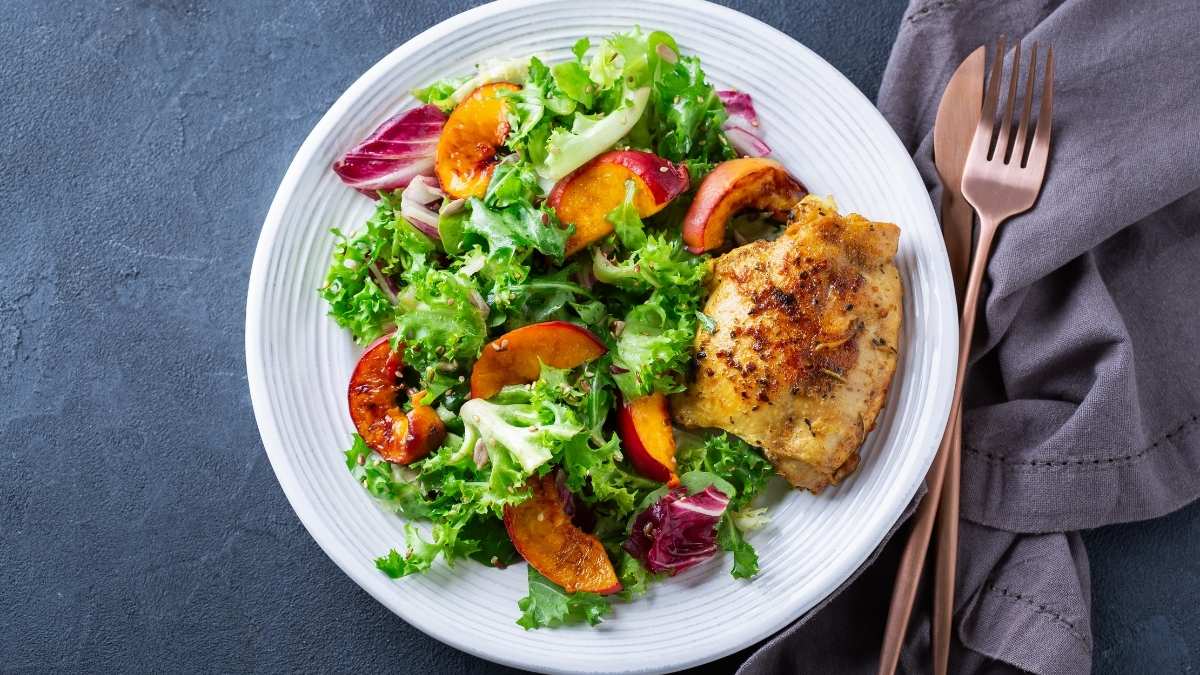
Meat in Blue Zones is not a daily staple. It is an occasional food. On average, it appears on the table about five times per month. And when it does, servings are small — 3 to 4 ounces. About the size of a deck of cards.
This is not about being vegetarian. Most Blue Zone populations are not vegetarian. They simply treat meat differently. It adds flavor to a dish. It is not the dish itself.
Large population studies consistently show that swapping red and processed meat for plant proteins significantly lowers the risk of heart disease, cancer, and early death. This is not fringe science. It is one of the most repeated findings in nutrition research.
The mindset shift is this: stop building your meals around meat and start building them around vegetables, beans, and grains. Add a small amount of meat for flavor if you want. That is it.
One meat-free day per week is a real, meaningful start. Most people who try it are surprised by how easy it becomes.
3 Tips to Apply This Today:
- Choose one day per week as a fully plant-based day
- When you do eat meat, treat it as a side or flavoring — not the center of the plate
- Replace processed meats (deli meat, sausage) with legumes or nuts as your protein first
Habit 6 — They Never Eat Alone

In Blue Zones, meals are almost never eaten standing up, in front of a screen, or alone at a desk. They are shared. With family. With neighbors. With community.
This matters more than most people realize. Eating with others naturally slows you down. And slower eating means you consume less before your fullness hormones catch up (this connects directly back to Habit 1). Research shows that communal meals encourage people to make more mindful, nutrient-dense food choices.
In Loma Linda, Adventists hold weekly communal meals. In Sardinia, families gather at a set table every day. In Okinawa, close groups of friends called “moai” meet regularly — often over food. These are not coincidences. They are health habits disguised as social rituals.
You do not need a large family or a tight community to apply this. You need one other person and one shared meal per day with no phones on the table.
That single change reduces how fast you eat, how much you eat, and how stressed you feel afterward.
3 Tips to Apply This Today:
- Commit to at least one screen-free, shared meal per day
- Put your phone in another room during meals — not just face-down on the table
- Invite a neighbor, friend, or coworker to share lunch once a week
Habit 7 — They Drink Water, Herbal Tea — That’s It

Blue Zone populations do not drink soda. They do not drink energy drinks. They do not drink processed fruit juice. Their liquids are simple: water, herbal tea, coffee in some regions.
In Ikaria, herbal teas are made from rosemary, sage, and wild herbs picked off hillsides. These herbs are high in antioxidants and have anti-inflammatory properties. People drink them daily, not as medicine, but as routine.
The real point here is what Blue Zone people do not drink. Sugary drinks drive insulin spikes, inflammation, and weight gain. Cutting just one sugary drink per day creates a measurable health improvement over time.
3 Tips to Apply This Today:
- Replace one daily sugary drink with water or an unsweetened herbal tea
- Try brewing rosemary or sage tea — both are easy to find and linked to antioxidant benefits
- Give up alcohol completely.
Habit 8 — They Eat Whole Foods That Have Very Few Ingredients
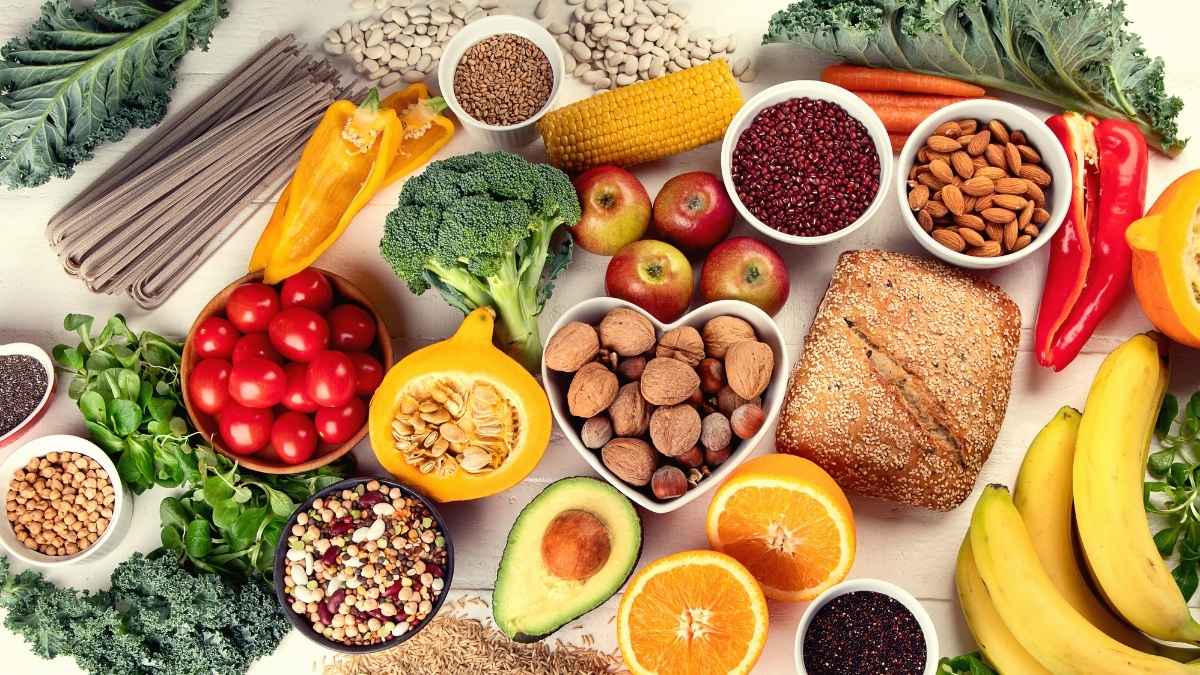
Blue Zone centenarians do not read nutrition labels. They do not need to. The food they eat does not have a label. It is a vegetable. A bean. A piece of whole grain bread. A handful of nuts from a tree.
The less processed food has been, the more nutritious it remains. That is not an opinion. Whole foods like fruits, vegetables, nuts, and healthy fats help preserve telomere length — the biological marker of how fast your cells are aging. Ultra-processed foods do the opposite. They accelerate cellular aging.
A practical rule for your grocery shopping: if a packaged product has more than five ingredients, or contains words you cannot say out loud easily, put it back. This is not about being perfect. It is about creating a useful filter.
Blue Zone people are not counting macros or tracking anything. They are simply eating food that looks like food. That mental shift alone — from “diet” to “real food” — changes how you shop and what ends up on your plate.
3 Tips to Apply This Today:
- Use the 5-ingredient rule when buying packaged foods
- Replace one processed snack per day with a whole food option — fruit, nuts, or raw vegetables
- Cook one meal per week from scratch using only whole, recognizable ingredients
Habit 9 — They Eat Nuts Every Day
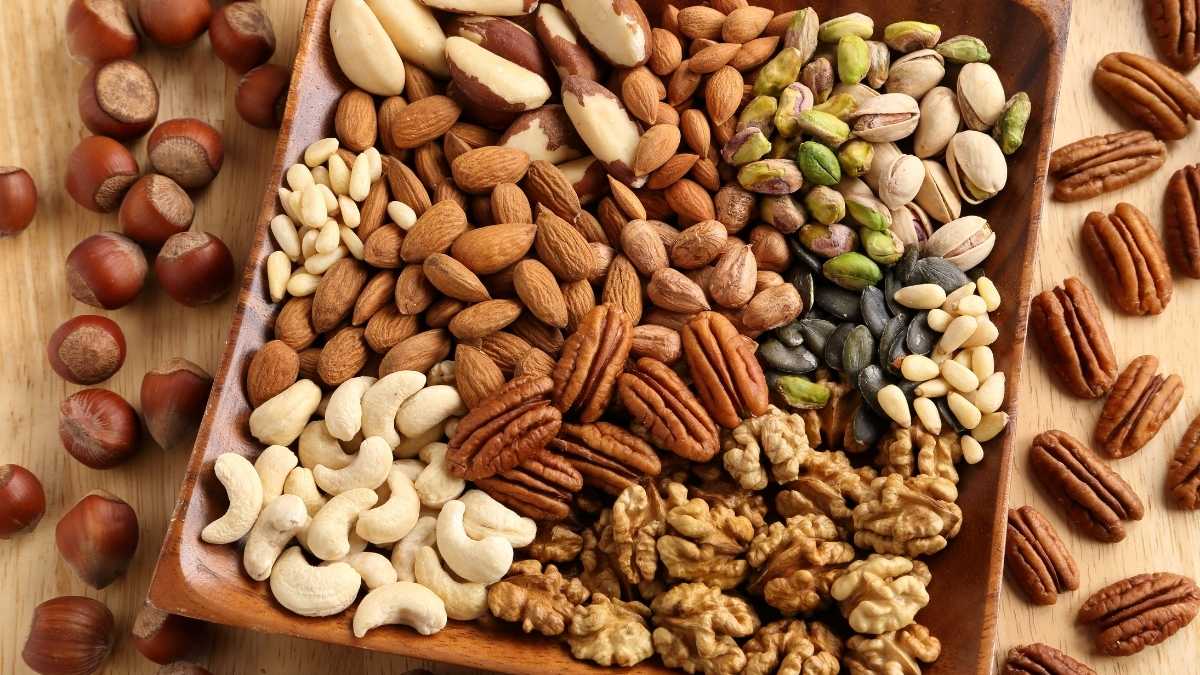
The Loma Linda Adventist community in California outlives the average American by a full decade. Their daily diet is built around three things: legumes, leafy greens, and nuts. Nuts appear every single day.
This surprises many people because nuts are high in calories. But populations that eat nuts regularly tend to have lower body weight, not higher. The reason is that nuts are deeply satisfying. When you eat a handful of walnuts as a snack, you are less likely to reach for chips or crackers an hour later.
Nuts also raise good cholesterol and support heart health. Walnuts, almonds, and pistachios are the most studied and consistently linked to cardiovascular benefits.
The target amount is small: about one ounce, or a small handful per day. That is roughly 23 almonds, 14 walnut halves, or 49 pistachios. It does not take much.
The most effective swap: replace your current afternoon snack — whatever it is — with a small handful of mixed nuts. That one swap has a measurable effect on cardiovascular risk over time.
3 Tips to Apply This Today:
- Keep a small container of mixed nuts at your desk, in your bag, or in your car
- Choose raw or dry-roasted nuts with no added salt or sugar
- Pair nuts with a piece of fruit for a filling snack that stabilizes blood sugar
Habit 10 — They Eat Seasonally and Locally Without Thinking About It

In Ikaria, people pick wild greens off hillsides. In Okinawa, sweet potatoes and seaweed come from nearby farms. In Nicoya, squash and corn grow in the garden out back. Blue Zone people eat what is available around them — and what is available changes with the seasons.
This naturally creates variety in their diet across the year. Different vegetables carry different nutrients, antioxidants, and minerals. By eating what is in season, Blue Zone populations rotate their nutrient intake without planning for it.
Seasonal food also costs less. A tomato in summer is cheaper and more nutritious than a tomato shipped across the world in winter.
You do not need a garden. In 2026, farmers markets exist in most cities. Community-supported agriculture (CSA) boxes deliver local, seasonal produce directly to your door at reasonable prices. Even a windowsill pot with fresh herbs — rosemary, basil, or mint — puts you one step closer to this habit.
The goal is not perfection. It is proximity to real, fresh, local food as often as possible.
3 Tips to Apply This Today:
- Visit a local farmers market once per week and buy one vegetable you have never cooked before
- Search for a CSA box delivery service in your city — many offer affordable weekly options
- Grow one herb on your windowsill — it builds the habit of proximity to fresh food
Habit 11 — They Have a Reason to Sit Down and Eat

This is the habit that no supplement can replace.
In Okinawa, it is called “ikigai” — your reason for getting up in the morning. In Nicoya, it is “plan de vida” — your life plan. In both cultures, that sense of purpose shows up at the meal table. People sit down with intention. They are not rushing. They are not eating to fuel the next task.
A meal in Blue Zones is a ritual. It is a moment to be present, connect with people around you, and appreciate the food in front of you. This is not a spiritual practice. It is a daily stress reset.
Okinawans pray or drink tea with close friends daily. Sardinians rest in the afternoon. Adventists gather weekly as a community. These rituals reduce chronic inflammation — the biological driver behind most age-related diseases.
Mindful eating is not a wellness trend here. It is culture. And the effect on longevity is real.
Before your next meal, stop for ten seconds. No phone. No TV. Just a breath and a moment of stillness. That is the modern version of hara hachi bu — for your mind.
3 Tips to Apply This Today:
- Sit down for every meal — no eating while standing at the counter or walking
- Take three slow breaths before your first bite to slow your nervous system
- Think of one thing you are grateful for before eating — it shifts your mindset from rushed to present
11 Essential
Habits
Stop at 80% full
Prevents decades of overeating without dieting
Put your fork down between bites. Stop before you feel stuffed.
Legumes every day
Longer telomeres, stable blood sugar, gut health
Eat one cup of beans, lentils, or chickpeas daily.
Biggest meal early
Body burns calories better earlier in the day
Heavy breakfast, light dinner. Stop eating 2–3 hrs before bed.
Olive oil at every meal
30% fewer heart events (PREDIMED trial)
Replace butter with extra-virgin olive oil for all cooking.
Meat as a garnish
Lower cancer, heart disease, and early death risk
Eat meat 5× per month max. Keep portions to 3–4 oz.
Never eat alone
Slows eating pace, improves food choices
Share one meal daily with others. No phones at the table.
Water & herbal tea only
Reduces inflammation and daily calorie load
Cut one sugary drink today. Replace it with water or herbal tea.
Whole foods only
Protects telomere length, slows cellular aging
If it has more than 5 ingredients, put it back on the shelf.
A handful of nuts daily
Raises good cholesterol, supports heart health
Swap your afternoon snack for 1 oz of mixed nuts.
Eat seasonally
Rotates nutrients naturally, costs less
Buy what is in season. Visit a farmers market once a week.
Eat with intention
Lowers stress hormones and chronic inflammation
Sit down. Take 3 breaths before your first bite. No rushing.
Final Words,
None of these 11 habits require money, a strict plan, or superhuman willpower. They require attention and small, repeated decisions. The people living to 95 without disease are not special. They just have better daily defaults than most of us.
Pick one habit. Apply it to your next meal. That is where it starts.