

It happens every day. Around 3 PM, your head starts to hurt. You take a painkiller, feel better for a while, and then it comes back tomorrow.
You are not alone. Millions of working adults deal with this exact pattern. And the worst part is that most of them never find out why it keeps happening at the same time every day.
Here is the truth. Your afternoon headache every day is not random. It is caused by a chain of six specific triggers that build up from the moment you wake up. Daily headache causes are actually very predictable once you understand them.
By the end of this article, you will know exactly why you get a headache at 3 PM — and you will have a clear, simple plan to stop it for good.
Point One: The Biological Clock That Makes 3 PM Your Brain’s Most Vulnerable Hour
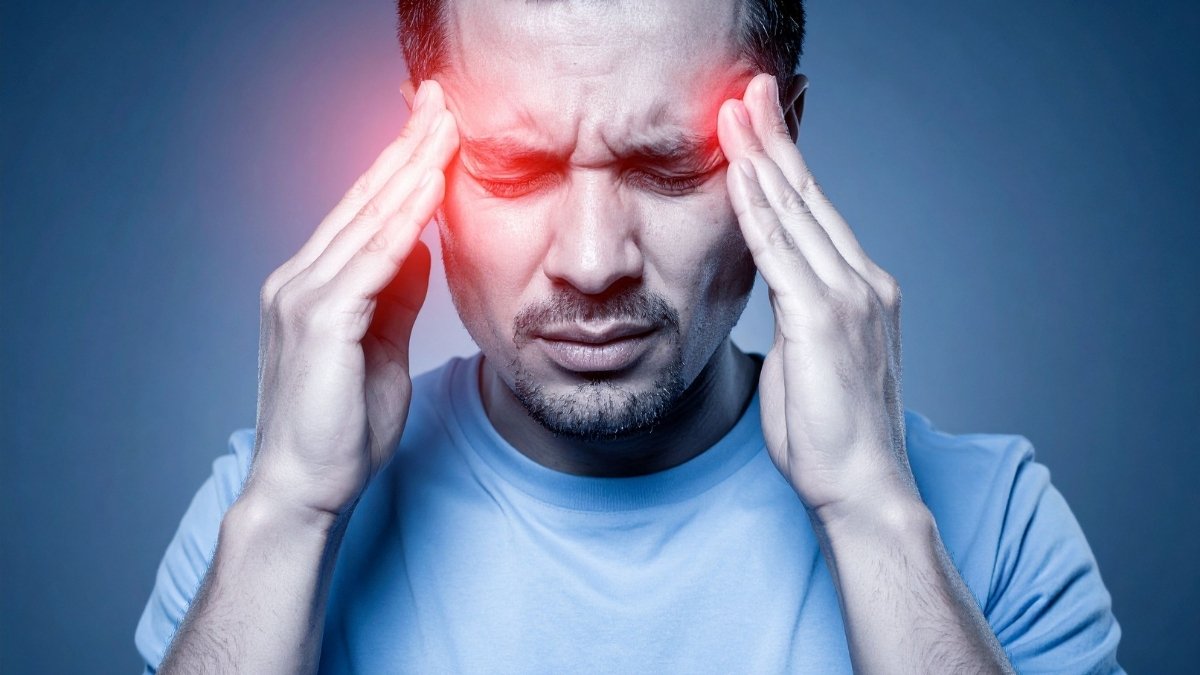
Your body runs on a 24-hour internal clock. A tiny part of your brain called the hypothalamus controls this clock. It tells your body when to be awake, when to be alert, and when to start winding down.
One of the key hormones it controls is cortisol. Cortisol is your body’s natural alertness hormone. It peaks high in the morning — that is what helps you wake up and feel ready to go. But by early afternoon, it starts dropping. Between 2 PM and 4 PM, this drop is at its steepest.
This is completely normal. Your body is not broken. It is preparing for evening rest. But if you are already dehydrated, hungry, or tense by 2 PM, that cortisol drop becomes the final push that triggers pain.
Research published in Acta Physiologica confirms that headache disorders — including migraines and tension headaches — all follow strong circadian patterns. Dr. Jennifer Chima, a neurologist at Neura Health, explains that headaches striking at the same time daily are directly tied to this hypothalamus clock cycle.
3 Tips:
- Wake up and sleep at the same time every day to stabilize your circadian rhythm
- Get 15 minutes of morning sunlight to anchor your cortisol peak early
- Avoid naps after 3 PM — they confuse your internal clock and worsen the afternoon drop
Point Two: Dehydration Is Already Winning Against You by 2 PM — Here Is Why
Most people wake up already slightly dehydrated. You have gone 7 or 8 hours without drinking anything. Then you have a coffee, which pulls more water out of your body. Then the morning rush starts and you forget to drink water entirely.
By 2 PM, your fluid deficit has been building for 14 to 16 hours straight. That is a long time.
Here is what dehydration does to your head. When your body lacks water, brain tissue temporarily contracts. It pulls slightly away from the skull. This activates pain-sensitive nerves, and the result is a dehydration headache. Cleveland Clinic confirmed this in their updated February 2025 guidelines.
Dehydration also throws off your electrolytes — sodium, potassium, and magnesium. These minerals keep your nerves and muscles working properly. When they drop, muscles tighten and nerves become irritated. That irritation travels straight to your head.
Around 75% of adults experience tension headaches — and dehydration is one of the most overlooked causes among all daily headache causes.
3 Tips:
- Drink 500 ml of water the moment you wake up, before coffee
- Set phone alarms at 10 AM and 1 PM as water reminders
- Check your urine color — if it is darker than pale yellow by afternoon, drink more now
Point Three: Your Blood Sugar Has Already Crashed Before You Even Notice the Headache
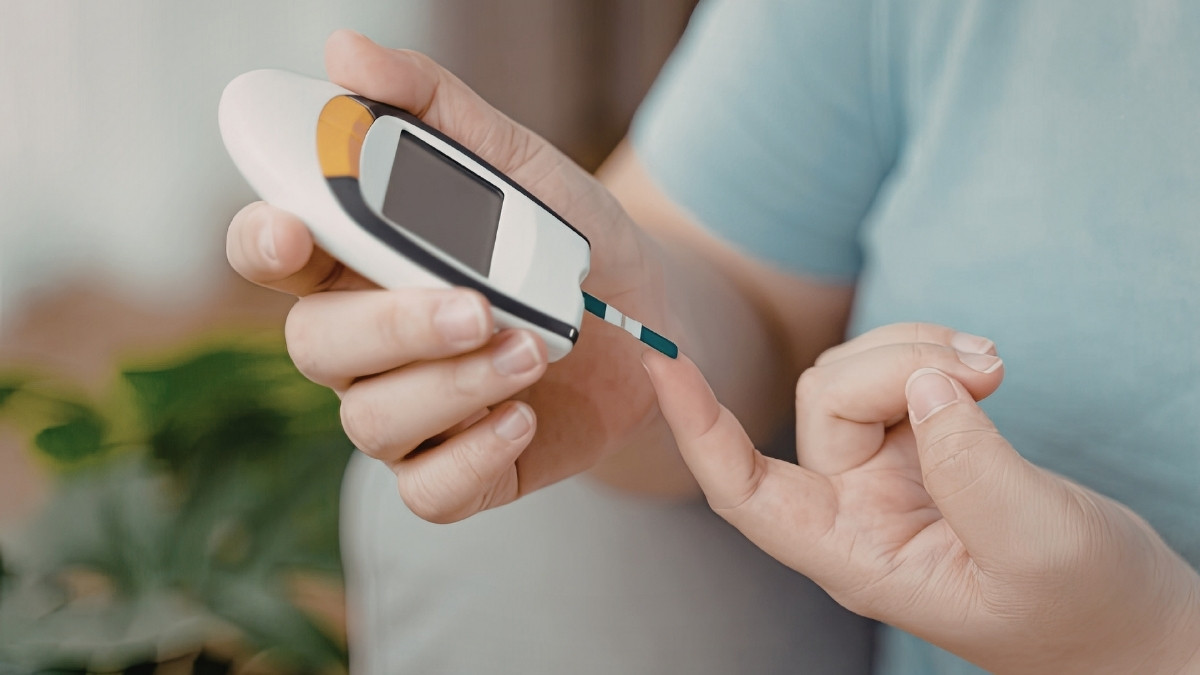
Think about what you ate for lunch. If it was white rice, bread, or anything mostly made of refined carbs, your blood sugar spiked sharply. Then, about 2 to 3 hours later, it crashed. That crash lands right in the 2 to 4 PM window — exactly when your head starts hurting.
Your brain runs almost entirely on glucose. When blood sugar drops too low, your brain sends out distress signals. One of the first ones is a dull, throbbing ache across the forehead or temples. This is called reactive hypoglycemia, and it can happen to anyone — not just people with diabetes.
The worst pattern is rapid blood sugar swings, going from high to low quickly. Affinity Health confirmed in September 2025 that this unstable pattern is the most strongly linked to recurring afternoon head pain after lunch.
Even the CDC lists headache as a recognized symptom when blood sugar falls below 70 mg/dL.
3 Tips:
- Always pair carbs with protein at every meal — never eat carbs alone
- Have a small protein snack at 2:30 PM — almonds, a boiled egg, or Greek yogurt work well
- Avoid sweetened drinks or pastries as your only afternoon snack
Point Four: Screen Time Is Doing Physical Damage to Your Neck and Eyes Every Single Day

By 3 PM, the average office worker has stared at a screen for 7 to 9 hours. Their eyes have been locked at the same distance for hours. Their neck has been slightly bent forward the whole time.
This forward head posture is a real problem. Every inch your head moves forward from your shoulders doubles the effective load on your neck muscles. Those muscles get tight, blood flow drops, and chemical pain signals get released. Those signals travel directly up into your skull.
A study published in February 2025 found that 90% of people who used screens for 7 to 9 hours daily experienced headaches, mostly in the front of the head. The same study found a very strong link between screen time and headache duration — one of the strongest in recent research.
Blue light from screens also disrupts melatonin, which throws off your cortisol balance. This makes the 3 PM biological clock problem from Point One even worse.
3 Tips:
- Use the 20-20-20 rule: every 20 minutes, look 20 feet away for 20 seconds
- Place your monitor so the top of the screen is at or just below eye level
- Try blue-light filtering glasses if you spend more than 5 hours daily on screens
Point Five: Caffeine Withdrawal Is Secretly Scheduled for Mid-Afternoon in Your Body

If you drank your last coffee at 8 AM, your caffeine levels have been dropping since around noon. By 2 or 3 PM, your brain is running on less caffeine than it expects. And it punishes you with a headache to tell you.
Caffeine withdrawal headache is a clinically recognized condition. It feels throbbing and sits across both sides of your head. It is not in your imagination. Your brain became dependent on that morning coffee, and now it is demanding more.
Here is the trap. You drink another coffee to kill the headache. It works. But now your body expects caffeine at 3 PM too. The cycle continues, and tomorrow’s afternoon headache becomes slightly harder to break.
Caffeine also depletes magnesium and water from your body — two things you already need to prevent headaches. Eli Health’s 2026 review recommends cutting all caffeine after 2 PM to protect your natural cortisol and melatonin cycle.
3 Tips:
- Set a hard rule: no coffee after 12 PM noon
- If you drink 3 or more cups daily, cut down by half a cup every 3 days to avoid rebound pain
- Replace afternoon coffee with peppermint tea or plain water with electrolytes
Point Six: Magnesium Deficiency Is the Hidden Factor Most Doctors Do Not Test For
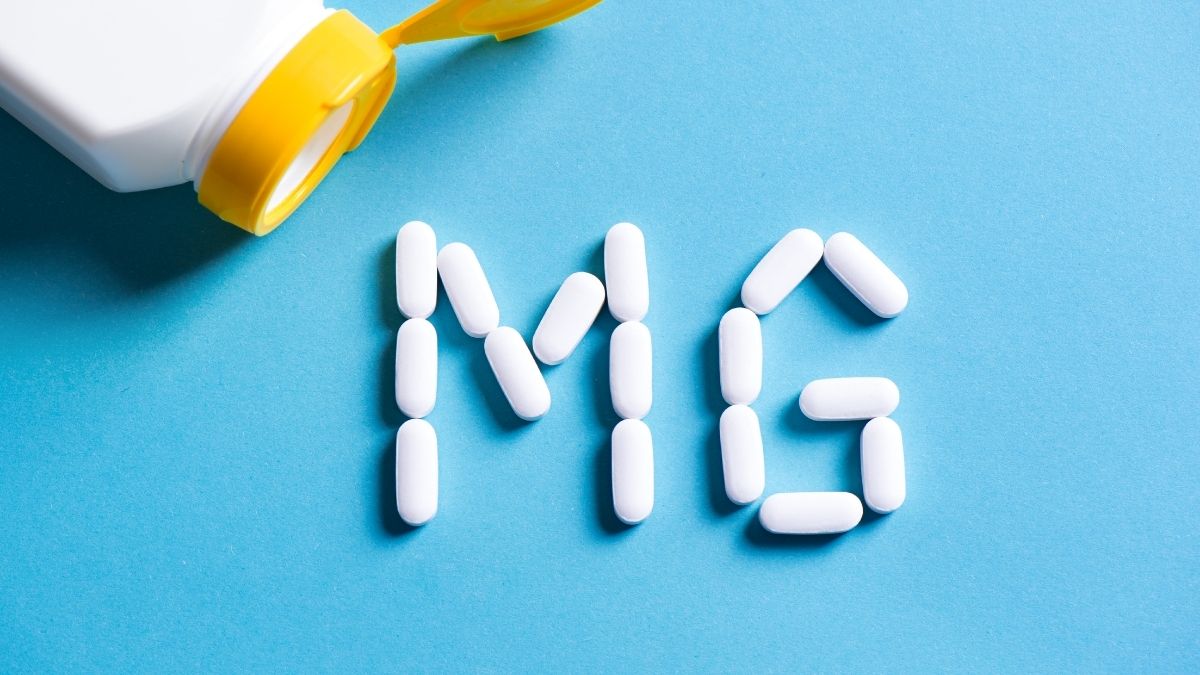
Magnesium is involved in over 300 processes in your body. It relaxes muscles. It calms nerves. It stabilizes blood sugar. It helps control cortisol. In other words, it is directly connected to every single headache trigger covered so far.
When your magnesium is low, your nerve cells become more excitable. They fire too easily. Your blood vessels constrict faster. Your pain threshold drops. All of this means a headache needs far less to start.
Up to 50% of people with migraines have lower-than-normal magnesium levels, according to research reviewed by Transcend Headache Clinic in November 2025. The Kaiser Permanente Headache Guideline, updated January 2025, now officially recommends 600 mg of elemental magnesium daily for headache prevention.
Modern diets — full of processed food and sugar — are very low in magnesium. Stress and coffee make it worse. Most people are deficient without knowing it, because standard blood tests rarely catch it early.
3 Tips:
- Start with 200 to 400 mg of magnesium glycinate daily, taken in the evening
- Eat more spinach, pumpkin seeds, almonds, black beans, and dark chocolate
- Talk to your doctor before supplementing if you take blood pressure or kidney medication
Point Seven: Your Posture and Workspace Are Building Your 3 PM Headache From 9 AM Onwards

Your headache does not start at 3 PM. It starts the moment you sit down at your desk in the morning. You just do not feel it yet.
Tension-type headaches build slowly. Hours of sitting with a rounded back, a forward neck, and a low monitor create muscle micro-damage in your neck and upper shoulders. Inflammatory chemicals build up quietly. By mid-afternoon, they cross the pain threshold and you finally feel it.
Three specific workspace problems drive this process. First, a monitor that is too low forces your neck to bend downward for hours. Second, a chair that is the wrong height throws your entire spine out of alignment. Third, cradling a phone between your ear and shoulder locks your neck muscles in a painful position.
The Kaiser Permanente Headache Guideline recommends moving your screen to eye level, adjusting your chair so thighs are parallel to the floor, and using a lumbar roll for lower back support — all as headache prevention tools.
3 Tips:
- Set a timer for every 50 minutes — stand up, stretch your neck gently, and roll your shoulders back 10 times
- Place your monitor top at or just below eye level, and at arm’s length distance
- Use headphones for all phone calls — never hold the phone with your shoulder
Point Eight: Your Seven-Day Plan to Stop the 3 PM Headache for Good
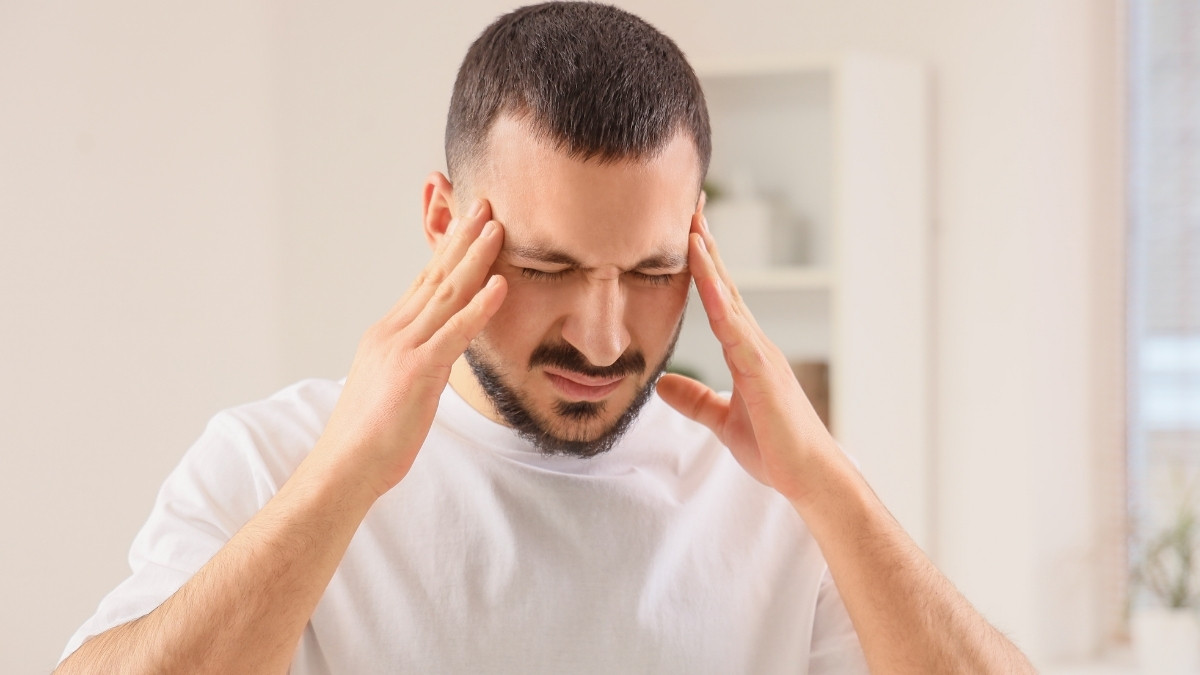
Now you know the six reasons your head hurts every afternoon. Here is how to stop all of them at once with a simple daily routine.
Headache Prevention
Track your headache days, water intake, and meal times in a notes app for 7 days. Most people spot their main trigger within a week. The goal, as stated in the Kaiser Permanente Guideline, is fewer than 5 headache days per month.
3 Tips:
- Start with just two changes: morning water and a 2:30 PM protein snack — do not try to fix everything at once
- Keep a 1-liter water bottle visible on your desk so you drink consistently without thinking about it
- If headaches continue daily for more than 4 weeks despite these changes, see a doctor — especially if you have vision changes, nausea, or sudden severe pain
Conclusion:
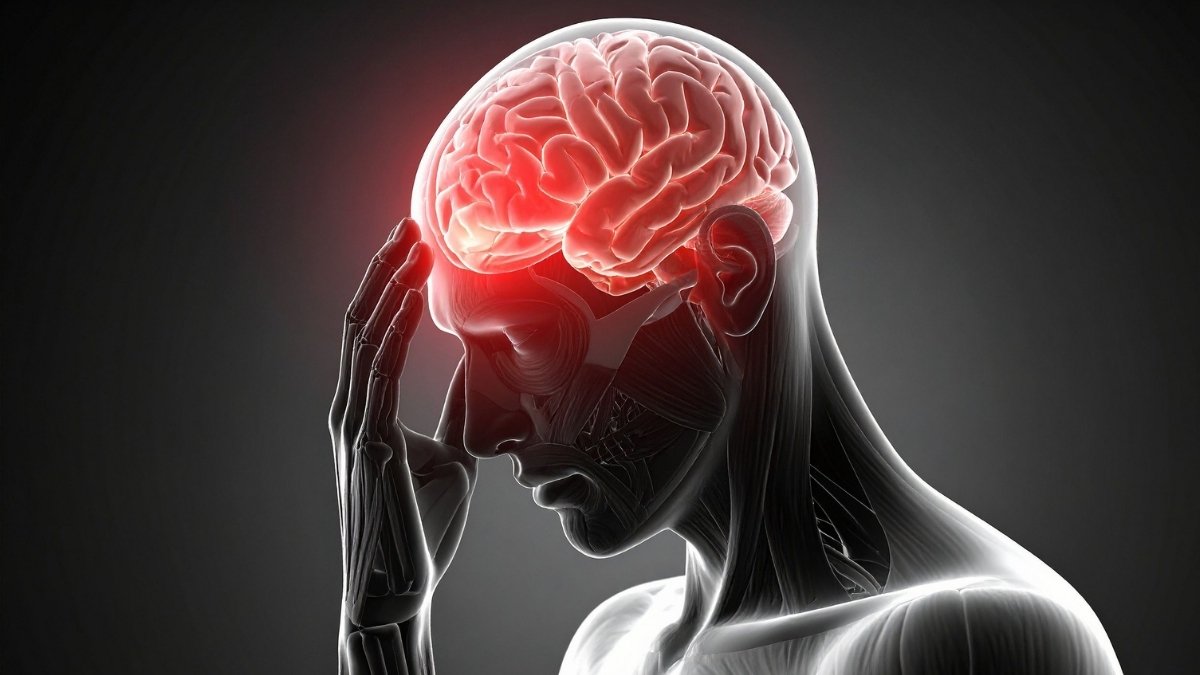
Your 3 PM headache has six clear causes: a cortisol drop, dehydration, blood sugar crash, screen-driven muscle tension, caffeine withdrawal, and low magnesium. None of them are permanent.
All of them are fixable. Start with two changes today — morning water and a 2:30 PM protein snack — and build from there. Your body is telling you something simple. Now you know how to listen.