7 Simple Memory Ideas That Reduce Loneliness, According to Hinge Research

Most people trying to fix loneliness are making it worse. And a global study of 10,000 people just proved it.
You go to the dinner. You show up to the group chat. You scroll for an hour. But you still feel empty. That’s because big plans and long catch-ups don’t actually make you feel close to someone.
54% of people globally almost always choose alone time — even when a chance to socialize exists. They think it’s self-care. It’s not. It’s self-isolation. (Hinge Social Energy Study, 2025)
Hinge’s licensed therapist and Love and Connection Expert, Moe Ari Brown, has a real fix. It’s called “simple memories.” Small, focused moments shared with one person. They cost almost nothing. And they work.
Here are 7 ideas you can try this week.
This article is structured into 7 points—read them one by one to explore simple memory-building ideas that research suggests may help reduce loneliness and strengthen connection.
Point One: Share Your Favorite Childhood Snacks

Most people think you need a reason to reach out. You don’t. You just need a snack.
Think about the chips you loved at age 10, or the candy bar you’d beg for at the store. Those memories carry real feelings. When you share them with someone else, you’re sharing a piece of who you are — not just what happened in your week.
78% of people find a one-on-one interaction energizing. A simple snack run beats a $50 dinner every time. (Hinge Social Energy Study, 2025)
Consumer prices are up over 24% since the pandemic. The “cost of friends” is a real issue people are feeling. This idea removes that barrier completely. You’re not organizing a big social event. You’re just sitting together, eating something that makes you both smile.
The science backs it too. Sensory memory — taste, smell — is one of the strongest memory-encoding paths your brain has. That’s why a specific snack can instantly take you back 20 years.
Action step: Text one friend right now. Ask: “What was your favorite snack growing up?” Plan a $5 store run together this week.
Point Two: Play a Card Game Together

Catching up over dinner sounds good in theory. But it usually turns into two people trading life updates, then going home feeling no closer than before.
Card games fix that. They give you something to do together. There’s laughter, light competition, and real focus on one another. That combination is a formula for actual bonding.
51% of people feel drained after group gatherings of 15 or more people. Card games work best with just 2 to 4 people. (Hinge Social Energy Study, 2025)
Laughter during play releases oxytocin — the chemical your brain uses to build trust. Even 30 minutes of Rummy, Exploding Kittens, or Taco Cat Goat Cheese Pizza is enough to shift how you feel about a friendship.
Hinge’s research is clear on this: “Simple memories are low-intensity, high-focus moments that build deeper bonds than catch-up loops.” A card game hits both of those marks perfectly.
Action step: Pick up a card game this week. Invite one person. No agenda — just play.
Point Three: Have a Two-Song Dance Party with a Throwback Track

This sounds silly. That’s exactly why it works.
Each person picks their favorite song from high school. You play both songs back to back. You dance, laugh, or just sit there listening together. It takes less than 8 minutes total.
Music is one of the strongest memory tools the brain has. Songs from your teens are tied to your identity, your emotions, and your personal story. Sharing them with someone is more intimate than most people expect.
The search term “hot girl walk” grew over 4,000% in recent years. That tells you something. People are actively looking for free, low-key ways to feel alive and connected. (Hinge, 2025)
Moe Ari Brown explains it clearly: “Memories build a sense of ‘we,’ and updates only reinforce ‘me.’ Co-creating experiences moves the relationship from feeling like parallel timelines to something more integrated.”
A two-song dance party is a co-created experience. It takes 8 minutes. You can even do it over a video call — distance is no excuse here.
Action step: Ask one friend to send you their favorite high school song today. Play both songs together this week.
Point Four: Start a Mini Book Club for Two

This idea works because it gives your friendship a shared timeline. You’re not just checking in when life allows. You’re building something together, on purpose.
Pick a short book together. Set two check-in moments over two weeks — a text, a voice note, a quick call. That’s it. Keep it casual. This is not a homework assignment.
57% of Americans report feeling lonely, according to Cigna’s 2025 Loneliness in America Survey. Passive digital connection — scrolling, liking posts, reacting to stories — is not solving the problem.
What makes this powerful is the commitment. You both agreed to the same thing. You’re experiencing the same story at the same time. That’s the opposite of two people living completely separate lives with nothing real in common.
Moe Ari Brown’s point is worth repeating: when you co-create experiences, you stop narrating your separate worlds and start building a shared one. A book gives you that shared world.
Action step: Pick a short book — under 200 pages — with one friend today. Use Goodreads if you need ideas. Set your first check-in for 7 daysout.
Point Five: Make Moodboards or Collages Together
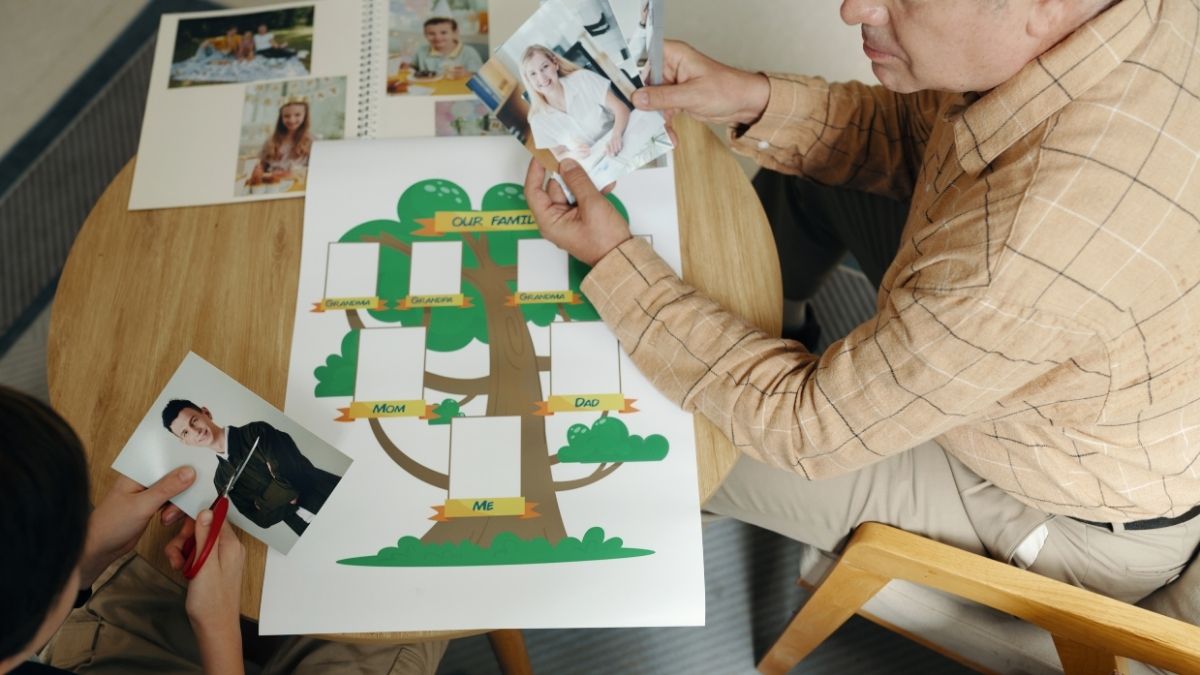
Here’s what makes this different from just spending time together. When you make something, you leave with physical proof that the moment happened.
A moodboard doesn’t have to be fancy. Cut up old magazines. Print out photos. Or open a shared Canva board online and do it over a call. The theme can be anything: “What does summer feel like to you?” or “What do you want your life to look like next year?”
The process of choosing images forces you to share things you wouldn’t normally say out loud. Psychologists call this mutual self-disclosure. And it’s one of the fastest ways to build real closeness between two people.
Hinge’s Social Energy Study covered 10,000 people across the U.S., U.K., Australia, France, and Germany. The consistent finding: memory-making creates deeper bonds than exchanging life updates ever will.
You can make this a recurring ritual too. Seasonal moodboards — one every few months — give you a standing reason to reconnect without needing a special occasion.
Action step: Open Canva for free. Invite one friend to a shared board. Pick a theme. Spend 30 minutes on it together over a call this week.
Point Six: Take a Walk with a Shared Scavenger List

A walk is free. It works anywhere. And science shows that walking side-by-side — rather than sitting face-to-face — makes people more relaxed and more honest in conversation.
Here’s how to make it a memory. Before you go, both of you build a list of 10 things to spot: a yellow door, someone wearing red, a dog, a piece of street art, a cloud that looks like something. Make the list together. Then go find them.
78% of people find a one-on-one walk energizing — more than almost any other type of social activity. (Hinge Social Energy Study, 2025)
The list does two things. First, it gives you a shared goal to work toward. Second, it keeps your attention on the world around you — which naturally removes awkward silences and the pressure to keep the conversation going.
This works in any city, any suburb, any neighborhood. It costs nothing. And it builds a real memory you’ll both reference later: “Remember when we finally found that ridiculous cloud?”
Action step: Write your scavenger list today. Text it to one friend and pick a day this week to walk together.
Point Seven: Draw Your Bond and Explain It
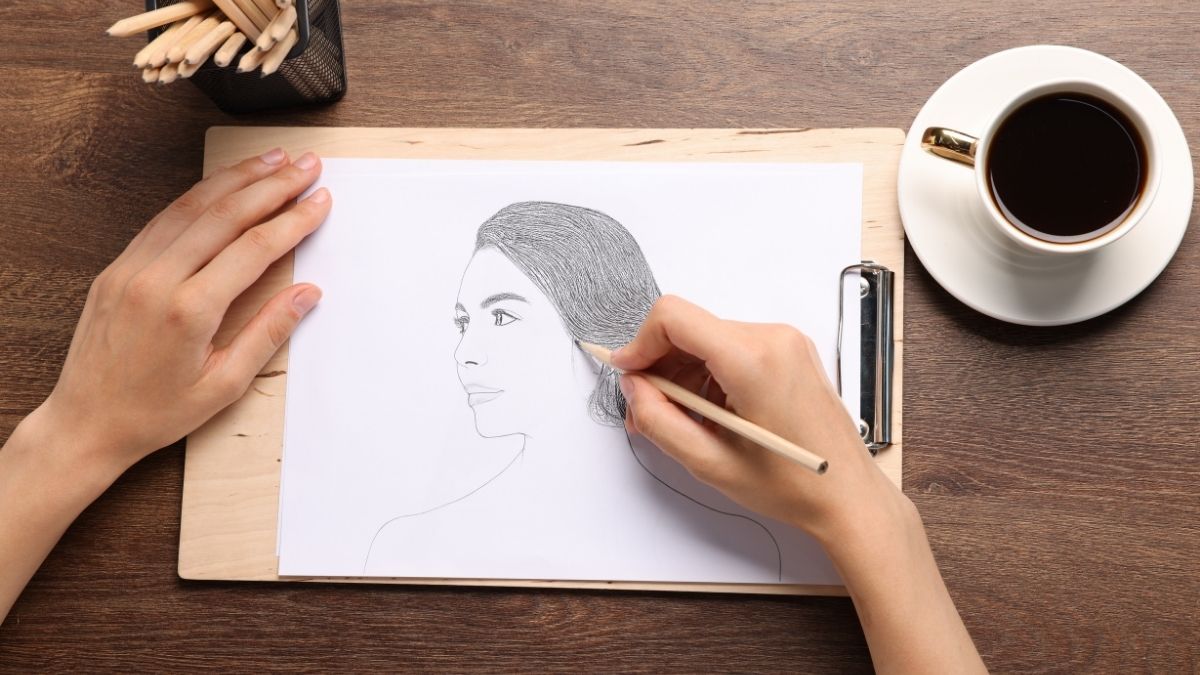
This is the most personal idea on this list. Save it for someone you already trust. But don’t skip it — because it’s also the most powerful one here.
Each person draws a picture that represents your friendship. It can be stick figures, abstract shapes, or random symbols. The quality of the drawing does not matter at all. Then you both share what everything in the picture means.
The conversation that follows is the real activity. You’ll hear how the other person actually sees your bond. Most friendships never go that deep.
People who are both socially isolated and lonely show the greatest decline in memory over time — and it gets worse over six years. (University of Waterloo research via ScienceDaily) That’s the real cost of not investing in connection.
Moe Ari Brown says it best: “When we create memories, we are no longer just narrating our worlds while orbiting others — we are inviting those worlds to merge in meaningful ways.” A drawing does exactly that.
No artistic skill needed. The point is never the art. It’s what happens when you explain it.
Action step: Try this the next time you’re with a close friend. All you need is paper and a pen.
Final Words,

These 7 ideas share one thing in common. They trade performance for presence. You don’t need a big budget or a packed calendar to feel genuinely close to someone.
Pick one idea from this list and try it this week. A walk, a card game, a childhood snack. Small memories add up to real closeness — and now there’s research to prove it.