
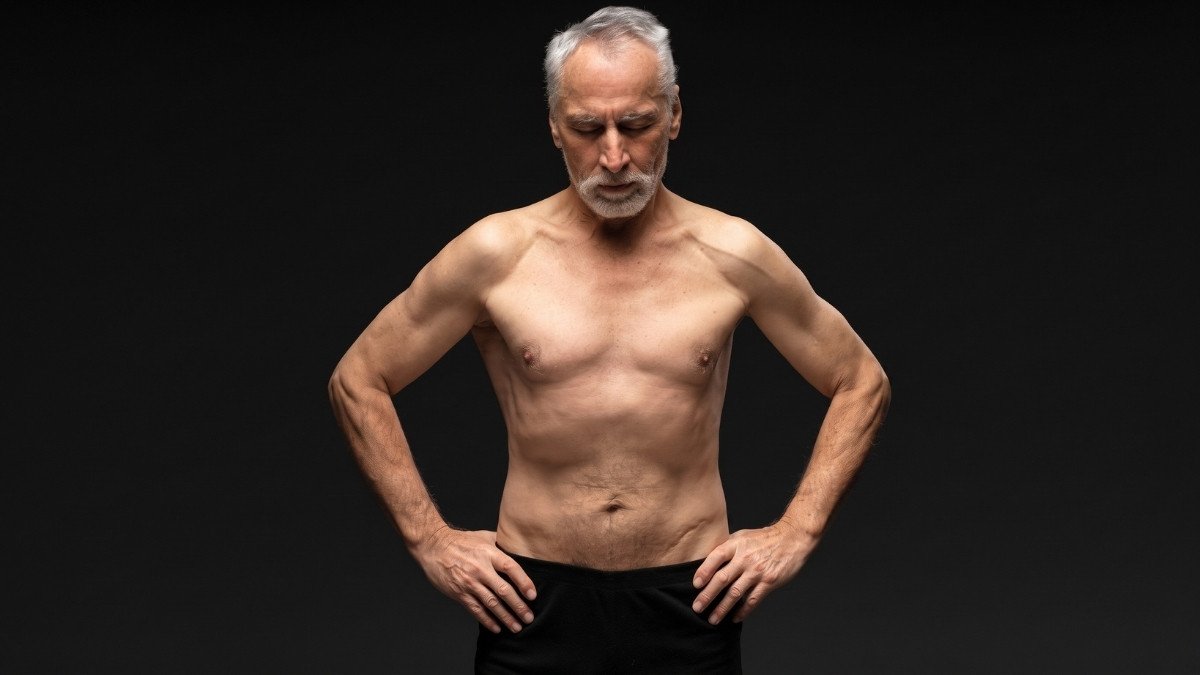
Somewhere around 60, muscle starts disappearing faster than most people notice.
Stairs get a little harder. Grocery bags feel heavier than they used to. A bad flu or a few weeks off your feet knocks out more strength than it once did, and getting it back takes months instead of weeks.
Left alone, this quiet muscle loss, known in medicine as sarcopenia, is one of the strongest predictors of falls, hospital stays, and losing the ability to live independently.
There is still no pill for it. Not one drug is approved for sarcopenia as of 2026, despite well over a decade of research.
But there is a real, well tested way to slow it down, and in many cases rebuild some of what has already been lost, and most people never hear about it from their doctor until after a fall sends them to the emergency room.
Before making any changes based on this article, talk to your doctor, especially if you are currently taking medication or have a diagnosed condition.
What Sarcopenia Actually Is (And Why 60 Is When It Speeds Up)
Sarcopenia [pronounced sar co PEE nee ah, from Greek words meaning “poverty of flesh”] is the progressive loss of muscle mass, strength, and physical function that comes with age.
Everyone loses some muscle over time. It is not optional. What varies is how much, and how fast.
Muscle mass typically starts declining in a person’s 30s, at a rate of roughly three to eight percent per decade. After age 50, that loss speeds up further, to about one to two percent of muscle mass a year. Strength drops even faster than size does.
Research published in the Journal of Cachexia, Sarcopenia and Muscle found strength declines by about one and a half percent a year through someone’s 50s, then closer to three percent a year after 60.
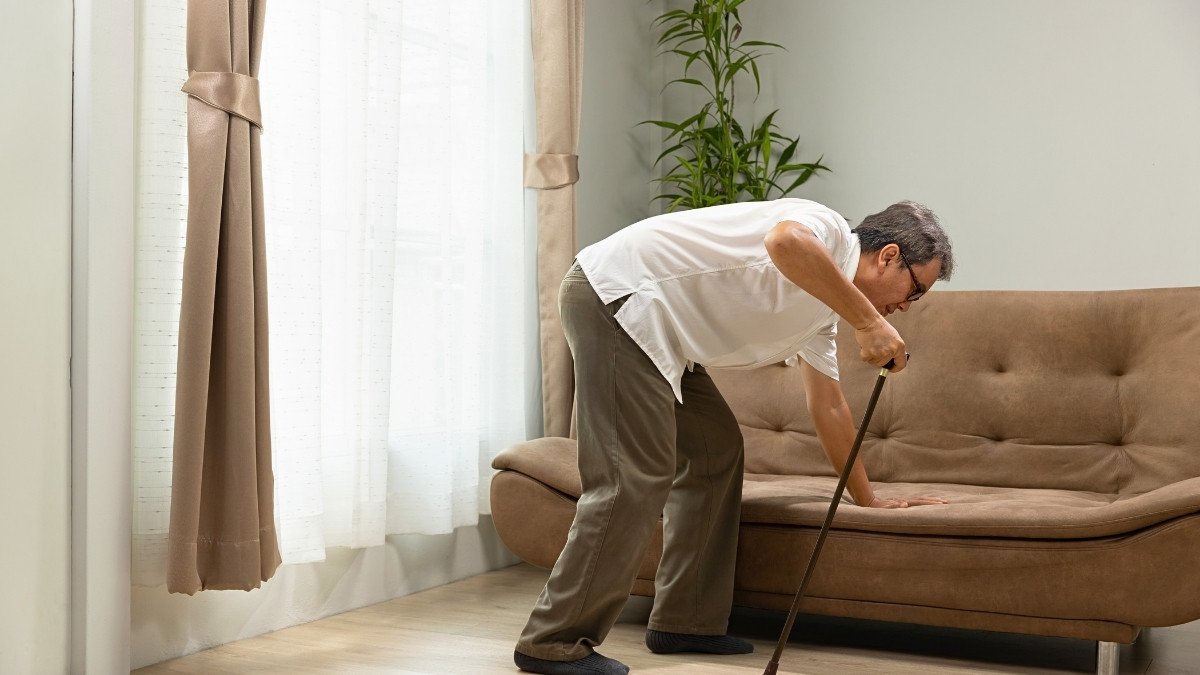
The mechanisms behind this are specific, not vague “getting older” hand waving. Nerve cells that control muscle fibers gradually die off, a process called denervation, which leaves muscle fibers without a signal to contract.
The fast twitch fibers responsible for power and quick movement, the ones you use to catch yourself from a stumble, get converted into slower, weaker fiber types.
Fat also begins infiltrating the muscle tissue itself, which is part of why body weight can stay steady even as real strength is quietly disappearing underneath it.
About That 50 Percent Number
Here is where a lot of health headlines oversimplify things, and it is worth slowing down on.
Studies using strict diagnostic criteria generally find that somewhere between five and thirteen percent of people in their 60s meet the clinical definition of sarcopenia. That number climbs steadily with age.
By the time people reach their 80s, published estimates range from about eleven percent up to fifty percent or higher, depending on which measurement method researchers use to define it.
One widely referenced industry analysis of the sarcopenia treatment landscape puts the broader picture at roughly thirty percent of Americans over 60 affected to some degree, and about half of those over 80.

The honest takeaway is not that half of every 60 year old today already has diagnosable sarcopenia. It is that measurable muscle loss is already underway in most people by 60, it accelerates hard after 75 or 80, and by then it touches an enormous share of the older population.
That is exactly why catching it early, while it is still easy to slow down, matters more than waiting for a diagnosis.
Everyone’s body responds differently, so check with your doctor before trying anything below if you have an existing condition or take medication.
Why There Is Still No Drug for This
Drug companies have been chasing a sarcopenia treatment for well over a decade, and the reason nothing has reached the market is not lack of trying.
Muscle growth and breakdown are controlled by a signaling pathway involving a protein called myostatin, along with a related protein called activin A.
These proteins normally act as brakes on muscle growth. Block them, and muscle tissue grows. That sounds like a clean solution, and several companies built compounds to do exactly that.
The problem is what happened in the actual trials. Novartis tested a myostatin blocking antibody called bimagrumab in adults with sarcopenia. It reliably increased lean muscle mass, in one trial by about six percent more than placebo.
But when researchers looked at whether people could actually move, climb stairs, or walk farther, the improvement was not statistically meaningful.
A later meta-analysis of bimagrumab trials summed it up plainly: real gains in body composition, but limited translation into the functional strength that regulators, and patients, actually care about.

That mismatch is the core obstacle. The Food and Drug Administration also does not treat sarcopenia as a clearly defined, approvable condition the way it treats osteoporosis, which makes designing an approvable trial harder still.
Newer combination approaches are being tested to try to close that gap. A trial pairing two experimental antibodies, trevogrumab and garetosmab, together with a widely used weight loss medication, is expected to report results sometime in 2026.
Other drugs in development include selective androgen receptor modulators, ghrelin receptor agonists, and antibodies targeting a protein called GDF15.
Doctors have also tried repurposing denosumab, an osteoporosis drug, in people who have both weak bones and weak muscles at once. None of it has crossed the finish line yet.
Check Yourself: Simple Tests You Can Try at Home

Because there is no simple blood test for sarcopenia the way there is for diabetes or high cholesterol, doctors rely on a handful of physical checks. You can try a rough version of several of these yourself.
Self-Check Diagnostics
Assess your functional health and mobility at home to identify early warning signs of physical decline.
Cross your arms and stand up and sit down five times in a row, as fast as you can, without using your hands.
Measure around the widest part of your calf with a soft, flexible tape measure.
Squeeze a hand dynamometer as hard as possible, or simply notice if opening jars has become difficult.
Complete a five-question self survey covering strength, walking ability, chair rises, stair climbing, and history of falls.
None of these replace an actual clinical diagnosis, which typically involves a scan to measure muscle mass directly. But if two or more of these flag a concern, it is genuinely worth bringing up at your next checkup rather than waiting.
Try This Today
- Add a palm sized portion of protein, eggs, Greek yogurt, chicken, fish, or beans, to breakfast. It is usually the most protein deficient meal of the day.
- Do two short strength sessions a week targeting the legs, hips, and core. Body weight squats and sit to stand repetitions count.
- Practice standing up from a chair without using your hands, ten times in a row, as a built in mini workout during the day.
- Take a short walk after meals when you can. It supports both muscle and blood sugar control.
- Ask your doctor to check your vitamin D level at your next physical, since low levels are linked to weaker muscle function.
When Muscle Loss Is a Red Flag, Not Just Aging
Most muscle loss unfolds slowly, over years. Some patterns are different and deserve prompt attention.
Call your doctor if you notice:
- Sudden or rapid strength loss over a period of just a few weeks, rather than gradual decline
- Frequent falls or near falls that are new for you
- Unexplained weight loss happening alongside new weakness
- Trouble climbing a single flight of stairs or rising from a low chair without help, when that was not a problem before
These patterns can point to something beyond ordinary age related muscle loss, including thyroid disorders, undiagnosed diabetes, or a nutritional deficiency, all of which need their own diagnosis and treatment.
Longevity Habits
A direct comparison of actions that preserve muscle, mobility, and vitality vs. those that accelerate decline.
Muscle Maintenance
Resistance training two to three times a week.
Extended bed rest during a minor illness or recovery.
Protein Distribution
Protein spread across three meals, roughly 25 to 30 grams each.
Very low protein diets, crash dieting, or loading nearly all protein into dinner while skipping breakfast.
Vitamins & Supplements
Correcting a confirmed vitamin D deficiency.
Relying on supplements alone, without any exercise or lifestyle shifts.
Injury Recovery
Staying as active as possible during illness or injury recovery.
Embracing total inactivity, which rapidly accelerates muscle atrophy.
What Actually Helps (And What Doesn’t)

Resistance training is, by a wide margin, the intervention with the strongest evidence behind it. Research consistently shows it improves not just muscle mass, but the actual strength and physical function that determine whether someone can carry groceries, get off the floor, or catch themselves during a stumble.
An international panel of sarcopenia researchers recommends at least 1 gram of protein per kilogram of body weight daily for healthy older adults, and at least 1.2 grams per kilogram for those already dealing with sarcopenia or frailty.
Supplements like leucine and HMB, short for beta hydroxy beta methylbutyrate, appear to help most when paired with a training program, not used as a substitute for one.
Common Questions

How long before you see a difference?
Most resistance training research shows measurable strength gains within about eight to twelve weeks of consistent training, done two to three times a week.
Is walking enough on its own?
Walking and other aerobic activity are genuinely good for the heart and for insulin sensitivity. But the research specifically points to resistance training, not just general movement, as the piece that rebuilds lost muscle strength.
Who should be careful before starting a strength program?
Anyone with an uncontrolled heart condition, a recent joint surgery, or severe osteoporosis should get clearance from a doctor first, and may benefit from a supervised program in the beginning.
Do protein or HMB supplements work by themselves?
Research on protein supplements used alone has been inconsistent. Leucine and HMB have shown somewhat more promising, though still mixed, results. Most experts view all of them as support for an exercise program rather than a replacement for one.
The Bottom Line,
There is no approved drug that reverses sarcopenia, and based on where the research pipeline stands right now, that is not likely to change soon. What does work is available today, without a prescription:

Consistent resistance training, protein spread evenly through the day, and catching the warning signs early with a simple check instead of waiting for a fall to force the issue.