

Your birthday says one number, but your cells may be keeping a different score.
Scientists can now estimate how fast your body is aging at the molecular level. When that pace runs ahead of the calendar, it predicts a higher risk of illness and death.
So is there a proven way to turn it around? Not a miracle, but a stack of four layers that researchers keep testing in recent human trials.
Those layers cover what you eat, how you train, how well you sleep and manage stress, and how you measure your progress.
You will see what the studies actually found, where they fall short, and the simple, practical steps you can start today.
Some results are modest and early, and we say so plainly. Others are genuinely encouraging for adults in their 40s, 50s, and beyond.
No hype, no fake promises, just honest science you can truly trust.
Before making any changes based on this article, talk to your doctor, especially if you are taking medication or have a diagnosed condition.
Is This Reverse Aging Protocol Really Proven? Here Is the Honest Answer
Let’s be straight about the word “proven.” No lab has published one official protocol that turns back the clock for everyone, and some experts say scientists still do not know whether biological age can truly be reversed.

What does exist is a growing set of randomized trials where lifestyle changes moved the readings on epigenetic clocks.
hese are tests that read chemical tags on your DNA to estimate biological age more accurately than your birthday can.
When you line up the trials that moved the needle, the same four layers keep showing up. Here is what those studies found.
The Biological Aging Studies Matrix
Clinical trials exploring how targeted nutrition, calorie restriction, and lifestyle interventions measurably alter the pace of biological aging.
Diet and lifestyle pilot (2021)
43 men aged 50 to 72, evaluated over 8 weeks
Epigenetic age was 3.23 years lower than controls
CALERIE trial (2023)
220 adults eating 25% fewer calories for 2 years
Pace of aging slowed down by 2% to 3%
Multicomponent lifestyle trial (2026)
Overweight men aged 50 and older over 12 weeks
Pace of aging measured about 2.2% slower
Multivitamin trial (2026)
958 older adults (avg age 70) for 2 years
About 4 months less biological aging recorded
Notice what these have in common. They are small to medium trials, and the clocks they use are research tools.
A move on a clock is a promising signal, not a guarantee of a longer life.
The 2026 lifestyle trial is a good example of stacking habits. It combined exercise, dietary guidance and a daily yogurt with a probiotic, and the slower pace showed up independent of weight loss.
Because several things changed at once, the researchers say no single piece can take the credit. The trial was also exploratory, and the company that makes the yogurt was involved in the research.
1. Layer One: Fuel the Chemistry That Reads Your DNA
The first layer is your plate. One of the first randomized tests of it was the 2021 pilot trial, which paired an eight week eating plan with exercise, sleep and relaxation guidance.
The plan was plant centered and very specific. Daily targets included 2 cups of dark leafy greens, 2 cups of cruciferous vegetables, 3 more cups of colorful vegetables, one or two beets, and about a quarter cup each of pumpkin and sunflower seeds.

Garlic, berries, turmeric, rosemary and green tea were the flavor add ons. Liver and eggs showed up in set weekly amounts.
Why these foods? DNA methylation means attaching tiny chemical tags to your DNA, and your body needs raw materials to do it.
The researchers leaned on foods rich in folate, betaine, vitamins A and C, and plant polyphenols such as curcumin and quercetin.
The blood work moved too. Triglycerides fell about 25%, from 112 to 89 mg/dL, in eight weeks.
Now the fine print. The men also stopped eating between 7pm and 7am, skipped added sugar, dairy, grains and beans, and got regular coaching. They took a daily vegetable and fruit powder and a probiotic too, so it was not food alone.
The authors say they cannot attribute the results to any single element of the program.
Of the 18 men analyzed in the treatment group, 8 got younger, 9 stayed unchanged, and 1 got older.
The trial was funded by a grant from a supplement company that makes products used in the study. The paper has also been corrected twice since it was published.
A far bigger test of eating less comes from CALERIE. In that two year trial, 220 healthy adults were assigned either to cut calories by 25% or to eat normally, and the calorie cutters showed a 2% to 3% slower pace of aging.

That result came from DunedinPACE, which researchers compare to a speedometer for aging. The same trial did not significantly shift other clocks, including ones called PhenoAge and GrimAge.
One of the researchers also noted that calorie restriction is probably not for everyone.
You do not need to copy any of this exactly. The common threads are more vegetables and seeds, fewer sugary and refined foods, and a long overnight break from eating.
A gentler start: finish dinner a few hours before bed and add 2 cups of leafy greens to one meal a day.
What about pills? A 2026 randomized trial followed 958 healthy older adults and found a daily multivitamin was linked to about four months less biological aging over two years.
Only two of the five clocks showed a clear effect. One of the study’s researchers also cautioned that the result does not mean a multivitamin adds four months to your life.
Notably, the 2021 trial’s authors chose not to add extra folate or B12 pills, citing long term safety concerns. Food first, and ask your doctor before adding supplements.
2. Layer Two: Train Like Your Cells Are Listening
The second layer is structured exercise, and the research draws a line between exercise and simply staying busy.
A 2025 scientific review found that planned, goal directed routines seem to have stronger antiaging effects than general activity. It also found that high cardiorespiratory fitness is tied to slower epigenetic aging.

One study in that review found that older men with higher oxygen uptake, a marker of heart and lung fitness, had slower epigenetic aging.
The most useful human trial is small but telling. Eighteen sedentary women aged 50 to 70 did 60 minutes of combined aerobic and strength training, 3 times a week, for eight weeks.
Only the 8 women who started with the highest age acceleration changed. Their age acceleration fell from 3.6 to 2.2 years, while the others saw no change.
That fits a wider pattern. People who start out biologically older seem to benefit more from exercise, though researchers do not yet know why.
The 2021 diet trial used a simpler target: at least 30 minutes a day, 5 days a week, at 60 to 80 percent of perceived maximum effort. In plain terms, that is a pace that feels moderately hard.
Why does this matter beyond a lab test? Fitness is one of the strongest predictors of how long people live.
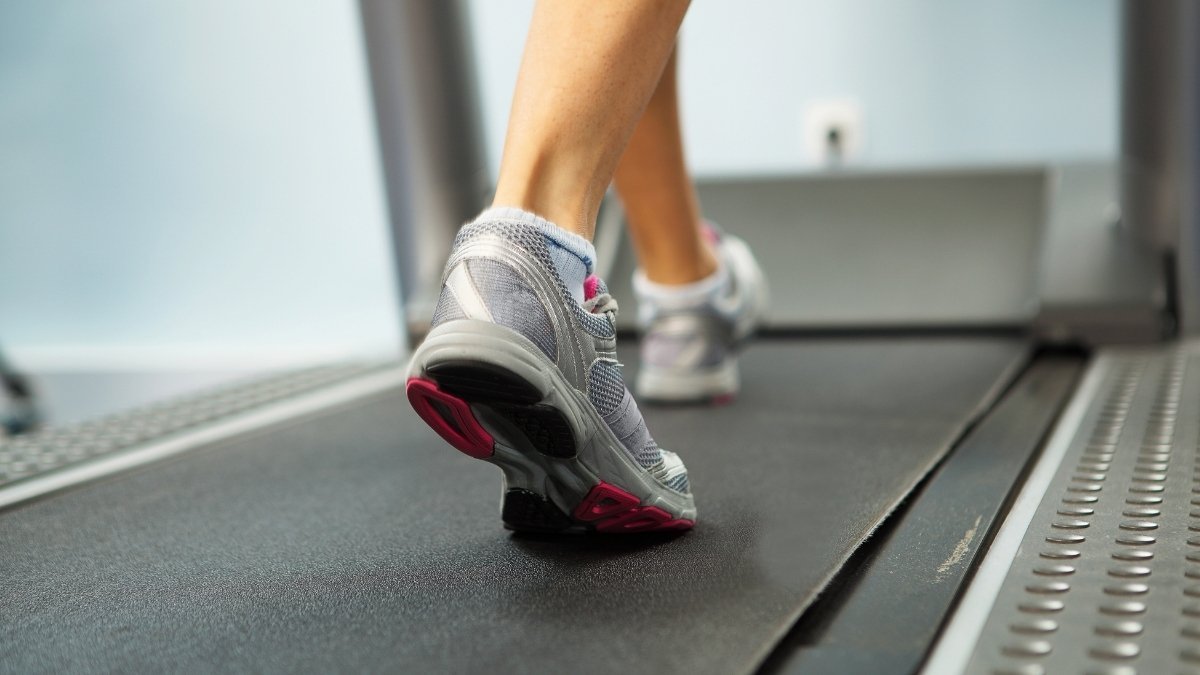
In a study of 122,007 adults who took treadmill fitness tests, those with the lowest fitness had about five times the risk of death of the fittest group.
Heart health experts point out that more than half of the drop in risk happens between the least fit group and the next one up. So the first steps off the bottom rung may count the most.
That study was observational, so it shows an association, not proof. The 2025 review adds that the benefits reach beyond muscle to the heart, liver, fat tissue and gut.
A simple weekly template built from these trials: three sessions that mix brisk cardio with strength work, plus shorter brisk walks on other days.
Exercise targets and food amounts in this article come from research studies, not personal prescriptions. Everyone’s body responds differently, so check with your doctor before trying this if you have an existing condition or take medication.
3. Layer Three: Repair While You Sleep and Breathe
Layer three is the one people skip, and the data suggests that is a mistake.
In a study of nearly 3,800 adults aged 56 to 100, short sleep was linked to about 1.3 extra years on the GrimAge clock, and insomnia to about half a year.
A much larger analysis of more than 440,000 people found a U shaped pattern, with the healthiest aging markers at around 7 hours of sleep a night. The 2021 trial set the same bar: an average of at least 7 hours.

Genetic analyses in that large study pointed to harm from too little sleep, not too much. The authors say further research is needed to confirm the mechanisms.
They did find one clue. Short sleep connected to faster aging through pathways tied to muscle maintenance and immune function.
The evidence is not perfectly consistent. In a large study of older women, insomnia symptoms were related to an older epigenetic age, but short sleep duration on its own was not.
Stress is the other half of repair. The 2021 trial asked men to practice a breathing routine designed to elicit the Relaxation Response, twice a day.
That idea came from a pilot study where 60 days of 20 minute sessions, twice daily, lowered a methylation age measure in healthy participants, though not in the patient group.
There is a plausible biological link. Almost a quarter of the sites in the clock used in that trial (85 of 353) sit in regions that respond to glucocorticoids such as cortisol.

The same paper notes that cumulative lifetime stress has been associated with faster aging of the methylome.
Start small. Pick a fixed wake time, keep your bedroom dark and cool, and try 5 to 10 minutes of slow breathing twice a day.
4. Layer Four: Measure Without Fooling Yourself
The last layer separates a real protocol from wishful thinking: checking whether it is working.
Researchers track change with epigenetic clocks. DunedinPACE is the one making headlines, and its developers suggest pace measures may respond to interventions more than fixed age estimates do.
In CALERIE, one clock shifted while others did not. That shows how much the choice of clock matters.
Here is the catch. Tests sold to consumers often cost a few hundred dollars, and experts caution that they are not ready for prime time.
One scientist explained that testing saliva versus blood can give substantially different results for the same person.
A 2026 survey of 189 epigenetics researchers across 31 countries found that a large proportion are concerned about the growing availability of direct to consumer epigenetic tests.

The takeaway: epigenetic clocks are research tools, not medical tests of your individual health.
So what should you track? Boring numbers your doctor already understands.
Triglycerides fell 25% in the 2021 trial, so a cholesterol panel is a good start. Ask about blood pressure and fasting glucose or A1C too, and repeat them on the schedule your doctor recommends.
You can also track fitness in everyday life. If a brisk walk that once left you winded starts to feel comfortable, that is progress you can feel.
Layer four also means patience. Researchers have been following CALERIE participants to see whether the effects last, and the answer matters for everyone.
Your Four Layer Cheat Sheet
The Longevity Framework
A simple, actionable four-pillar blueprint covering daily nutrition, physical loading, vital rest, and clinical tracking.
Fuel Layer
Vegetables at most meals, plus an overnight break from eating
Add 2 cups of leafy greens to one meal a day
Load Layer
3 sessions mixing cardio and strength, up to 60 minutes each
Start with brisk 30 minute walks on 5 days
Repair Layer
About 7 hours of sleep most nights, plus daily slow breathing
Fix your wake time and breathe slowly for 5 minutes
Track Layer
Routine labs and checkups on your doctor’s schedule
Book a visit and ask which numbers matter for you
Try This Today
- Add 2 cups of leafy greens or a cruciferous vegetable to your next meal.
- Close the kitchen 2 to 3 hours before bed tonight.
- Take a brisk 30 minute walk at a pace that makes talking slightly harder.
- Set one fixed wake time and aim for about 7 hours in bed.
- Spend 5 minutes on slow, steady breathing before sleep.
When to Stop and Call a Doctor
- Chest pain, pressure, or fainting during exercise
- Unusual shortness of breath or dizziness when you start training
- Loud snoring with gasping or choking at night, or insomnia that lasts more than a few weeks
- Unplanned weight loss or a low mood that will not lift
What to Remember,
Four layers, one theme. The same everyday habits keep showing up in the trials that moved the clocks: eat more plants, train with purpose, protect your sleep, calm your stress response, and track progress with numbers your doctor trusts.
The honest bottom line is that results are modest and early. Slowing the pace of aging by a few percent is encouraging, and researchers are still working to learn whether it lasts.
That is the real 2026 protocol: not a miracle, but a stack.
This article is for informational purposes only and is not a substitute for professional medical advice, diagnosis, or treatment. Always consult your doctor or a qualified healthcare provider before changing your diet, exercise routine, supplements, or medications, especially if you have an existing health condition.