
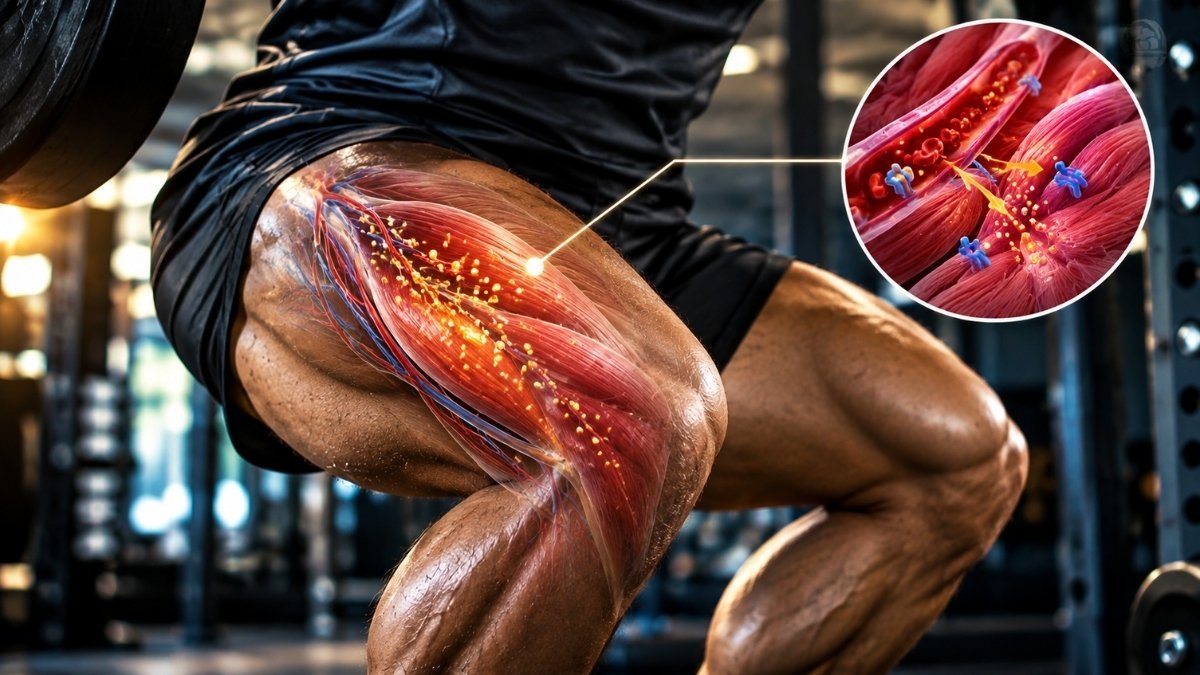
Most people trying to fix their blood sugar start with the belly. Crunches, planks, and cutting carbs until dinner feels like punishment.
Meanwhile, the biggest sugar sponge in your body is sitting under you right now, and it may be getting weaker every year. The good news is that the fix is simpler than any ab routine.
Before making any changes based on this article, talk to your doctor, especially if you take diabetes medication or have a diagnosed condition.
Why Your Thighs Matter More Than Your Six Pack
After you eat, glucose enters your bloodstream and has to go somewhere. Skeletal muscle is the main destination, and researchers describe it as the tissue that typically takes up most of the glucose that enters the blood after a meal.
Your thighs hold the largest muscles in your body. The quadriceps on the front and the hamstrings and glutes behind them make up a huge share of your total muscle mass.
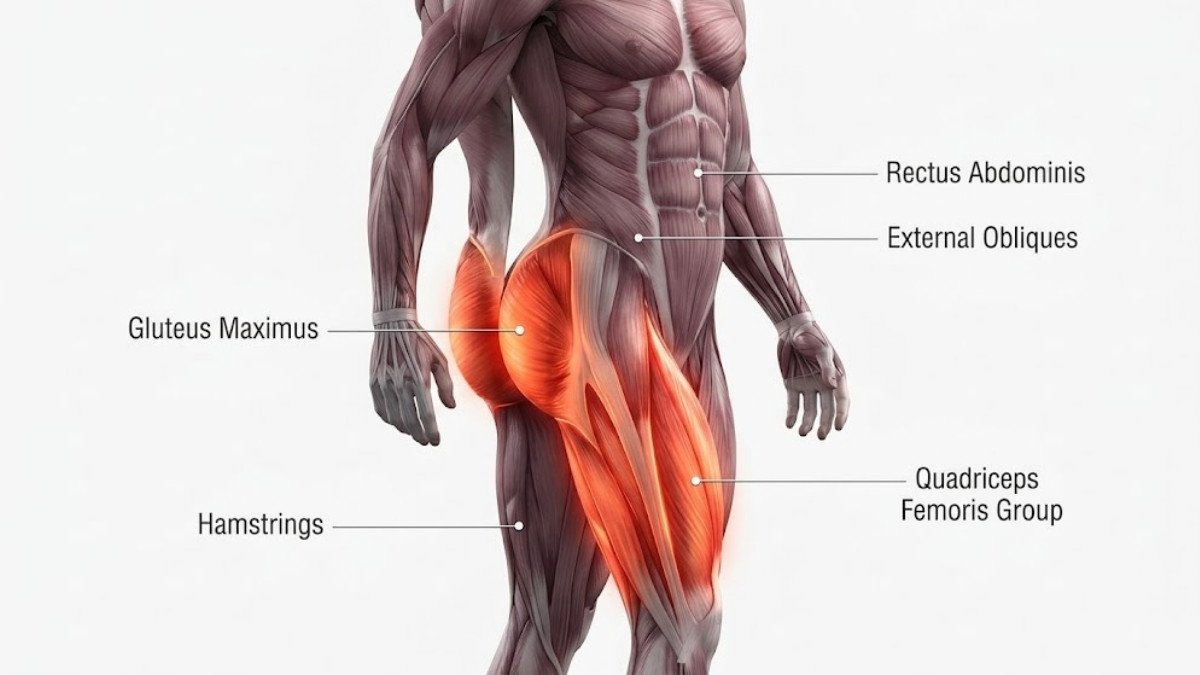
That size is the whole story. More muscle means more storage space for sugar, and bigger muscles clear more of it per minute.
Abs are a small muscle group by comparison. They matter for posture and core stability, but they are not where your blood sugar gets managed.
How A Muscle Actually Soaks Up Sugar
Muscle cells cannot just open the door and let glucose in. They rely on special transporters called GLUT4, which sit inside the cell until they get a signal to move to the surface.
There are two main signals. The first is insulin, released after you eat. The second is muscle contraction itself.
That second signal is the surprising part. When your leg muscles work, GLUT4 moves to the cell surface even when insulin is weak or ignored.
This matters a lot for anyone with insulin resistance. Contracting muscle gives glucose a back door into the cell.
The Numbers Behind The Claim
A human study of leg glucose uptake found it rose about threefold in the four hours after drinking a glucose solution. During moderate exercise, leg glucose uptake rose roughly 15 times above resting levels in the research reviewed.
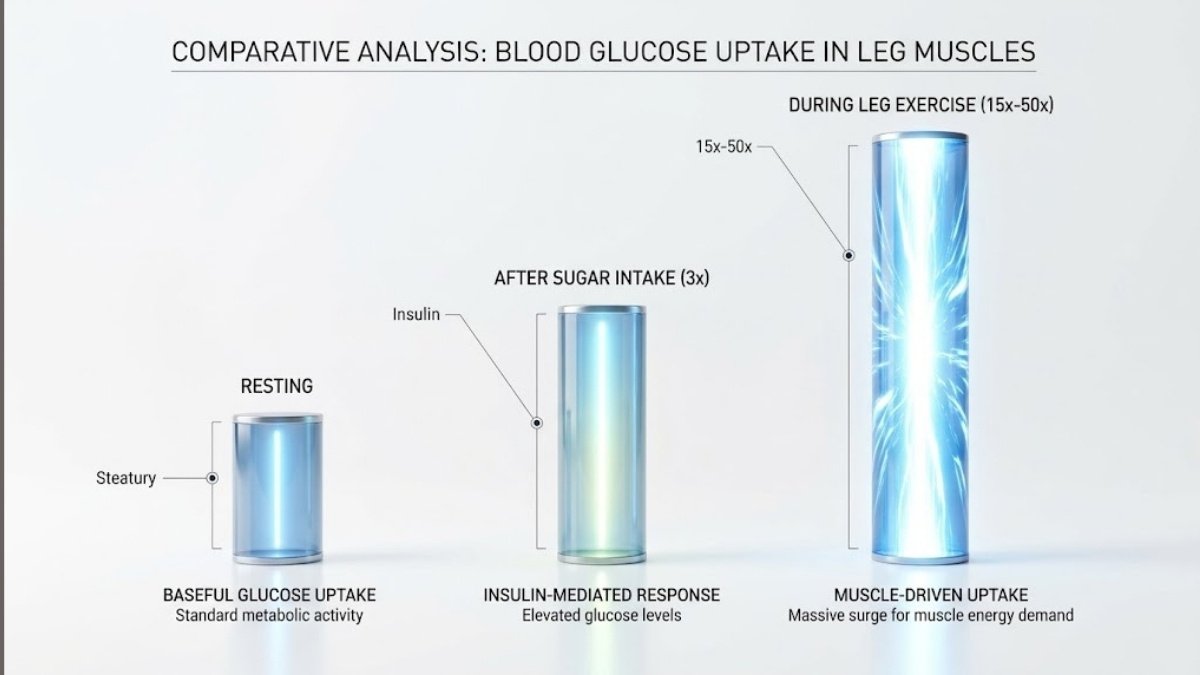
Reviews of muscle physiology report that glucose extraction by working muscle can climb up to 50 times higher than at rest. Those are lab findings, and real life results vary, but the direction is consistent.
Working leg muscles can pull far more sugar from the blood than resting ones. That is the mechanism behind every tip in this article.
Your Thighs Versus Your Abs
The Metabolic Engine
Comparing your body’s largest calorie-burning powerhouses against smaller stabilizing muscles to understand true metabolic impact.
Total Muscle Size
Largest muscle group in the entire body.
Relatively small in total mass.
Sugar Storage Capacity
High capacity; actively stores large amounts of glucose as glycogen.
Low storage capacity.
Effect of Contraction on Uptake
Large effect; vigorously pulls sugar in from the blood without needing insulin.
Modest effect due to smaller contraction force.
Everyday Use
Constantly engaged for standing, walking, and climbing stairs.
Mostly engaged for static posture and core stabilization.
What Happens When Thigh Muscle Fades
Here is the problem for adults over 50. Muscle mass declines gradually with age, and leg strength often drops first in people who sit for long stretches.
Less muscle means less sugar storage. Blood sugar then stays elevated longer after meals, and the pancreas has to work harder to compensate.
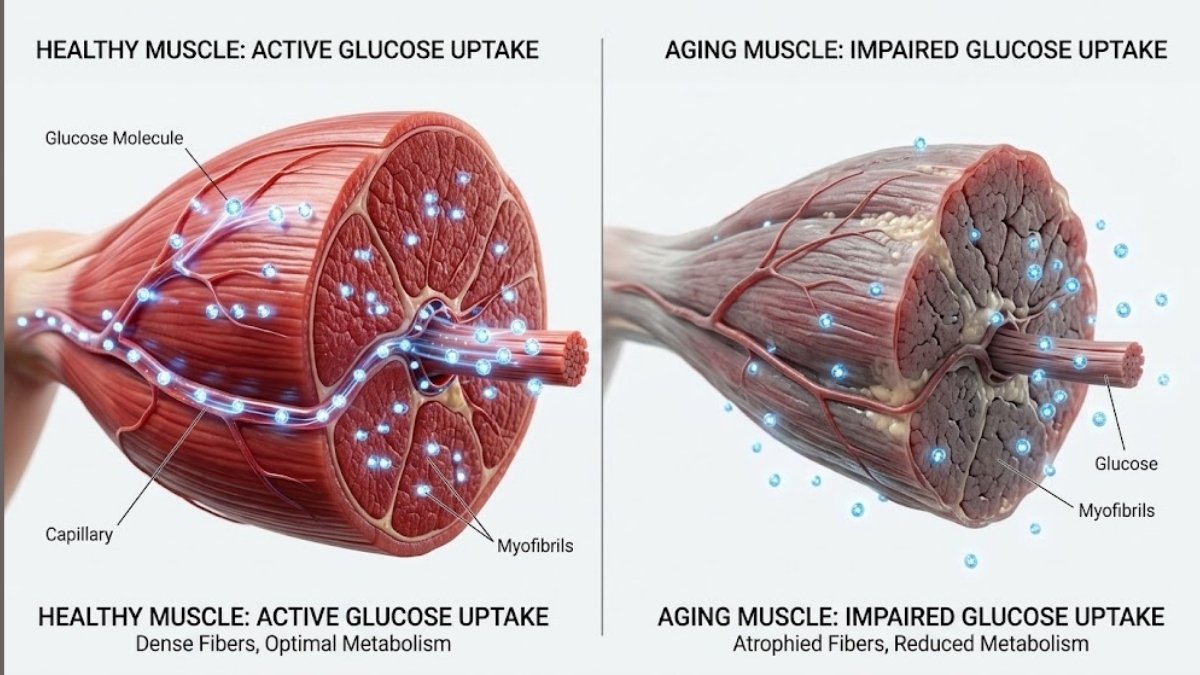
It becomes a loop. Higher blood sugar and lower activity feed each other, and the muscles that could help are the ones being used the least.
The pattern often shows up before any diagnosis. A person may feel fine, yet after a large meal their sugar lingers because the muscle “sponge” has shrunk.
The Sitting Problem Nobody Mentions
Long periods of sitting leave your thigh muscles almost completely switched off. The GLUT4 back door stays closed, and sugar from lunch or dinner has fewer places to go.
Studies on breaking up sitting time have found that short bouts of standing or light walking through the day can lower blood sugar after meals compared with sitting straight through. You do not need a gym for this effect.

A small laboratory study on a movement called the soleus pushup, which uses a deep calf muscle while seated, also suggested that even low effort muscle activity can improve how the body handles sugar. It was a small study, so treat it as promising rather than proven for everyone.
The Simple Ways To Wake Up Your Thighs

The best approach combines two things: frequent short activations and a little regular strength work. Neither needs to be intense.
Walk after meals. A 10 to 15 minute walk after eating puts your leg muscles to work right when glucose is arriving. This timing is what makes it so effective.
Stand up often. Rising from your chair every 30 minutes or so and standing or walking for a couple of minutes interrupts long stretches of muscle inactivity.
Do sit to stand repeats. Standing up from a sturdy chair without using your hands works the quads and glutes directly. Start with 5 to 10 repeats and build up slowly.
Add slow squats or step ups. A few sets a couple of times per week builds the muscle that stores sugar, and stronger muscle keeps helping around the clock.
Try This Today
The Thigh Wake Up Routine
- After your next meal: walk for 10 minutes, even around the house.
- Every 30 minutes of sitting: stand up and do 5 sit to stand repeats.
- Once today: hold onto a counter and do 8 slow, controlled squats to a comfortable depth.
- Tonight: stand while you talk on the phone or watch the first part of a show.
Everyone’s body responds differently, so check with your doctor before trying these exercises if you have joint problems, balance issues, or take medication that affects your blood sugar.
Quick Self Test: The Chair Stand
Sit on a sturdy chair with your arms crossed over your chest. Stand up fully and sit back down as many times as you can in 30 seconds.
This test is used by clinicians as a simple measure of lower body strength.
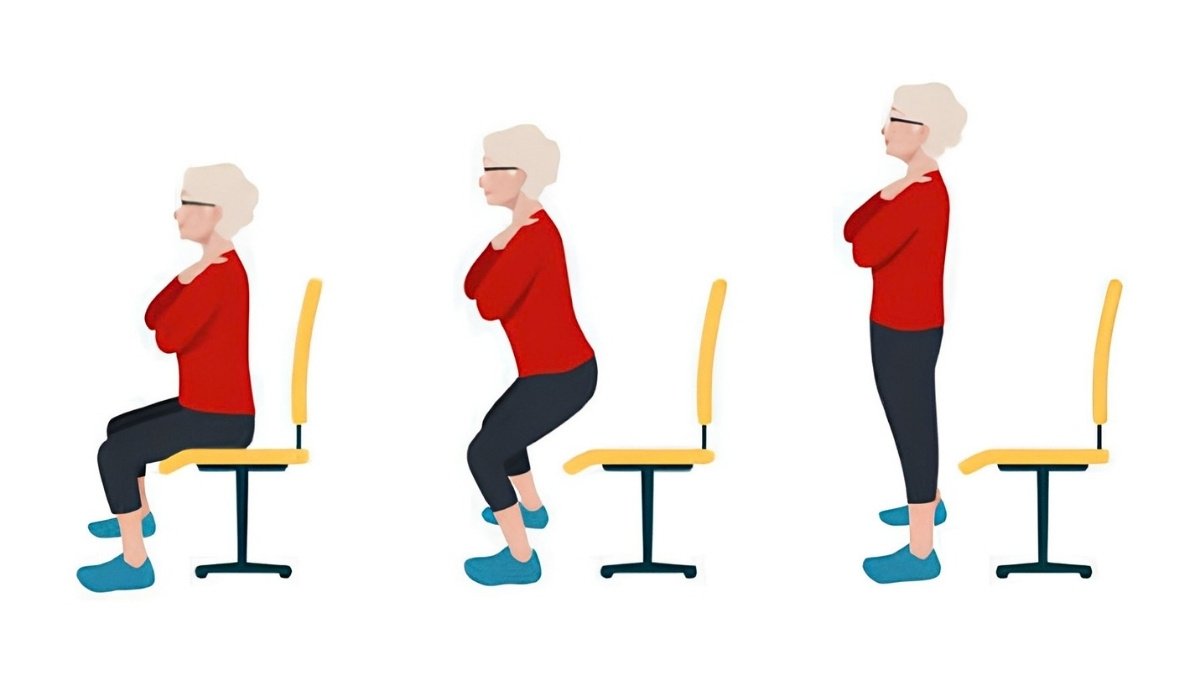
If you find it very hard, or you need your hands to push up, your thighs are asking for attention.
Do not treat it as a diagnosis. Think of it as a starting line that you can retest in a month.
How Long Until It Helps?
Some effects are immediate. A single walk after a meal can change how your body handles that meal’s sugar the same day.
Longer term benefits come from building and keeping muscle. Research shows that exercised muscle can stay more responsive to insulin for hours afterward, which is why regular activity adds up.
Metabolic Momentum
How introducing regular leg movement and strength work impacts your body over time, transforming basic habits into permanent physiological changes.
A noticeably lower blood sugar rise after meals when you choose to walk or stand more.
Easier, more fluid chair stands and significantly less leg fatigue when climbing stairs.
Noticeable, measurable strength gains developed through steady, consistent leg work.
Better, long-term muscle maintenance, which actively supports steadier baseline blood sugar.
Common Mistakes To Avoid

Doing only ab work. Core exercises have value, but they do not replace leg training for blood sugar support.
Going too hard, too fast. Sore, tender knees or hips can derail a routine. Start easy and let the habit build.
Skipping the post meal walk on busy days. Even a 5 minute version helps more than nothing.
Ignoring protein. Muscle needs raw material to stay strong. Ask your doctor or a dietitian how much protein suits you, especially if you have kidney concerns.
Who Should Be Extra Careful
Anyone who takes insulin or medication that lowers blood sugar should ask their doctor before increasing activity. More muscle work can lower sugar further, and dosing sometimes needs adjustment.
People with knee or hip replacements, severe arthritis, balance problems, or heart conditions should get guidance on which leg exercises are safe. A physical therapist can tailor a plan in one or two visits.
When To See A Doctor
Stop and call your doctor if you notice any of these:
- Extreme thirst, frequent urination, or blurred vision that does not go away
- Dizziness, shakiness, sweating, or confusion during or after exercise
- Chest pain, pressure, or unusual shortness of breath when you move
- Sudden leg swelling, pain, or warmth in one calf
The Takeaway,
Your abs are not the enemy, but they are not the main event either. Your thighs, glutes, and other big leg muscles do the heavy lifting when it comes to clearing sugar from your blood.

Keep them active through the day, strengthen them a little each week,
and give them a job after every meal. It is one of the simplest habits with one of the biggest payoffs.