
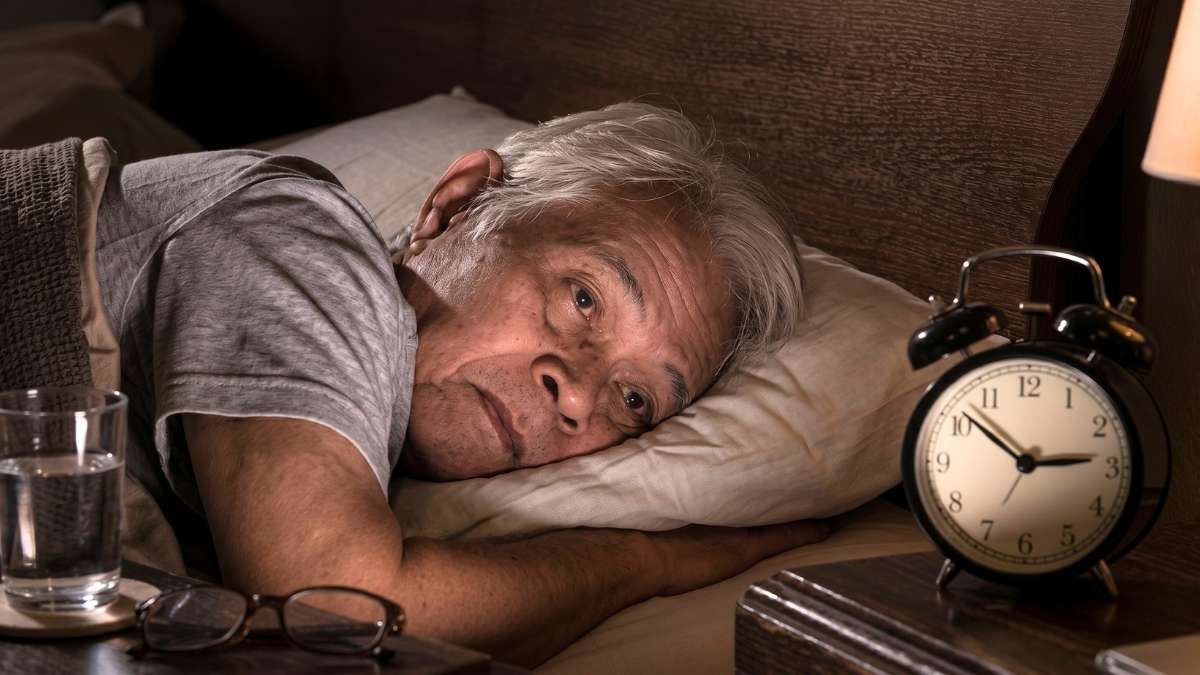
It’s nearly midnight. You’re still scrolling, and some quiet part of you already knows this is costing you something.
Sleep and biological aging are connected at the DNA level. Every night of disrupted or mistimed sleep speeds up the aging of your cells, and most people don’t know it’s happening to them right now.
At this age, that cost doesn’t stay invisible. It shows up in your energy, your recovery time, and the way you look in the mirror.
Health-conscious adults who are quietly aging faster than they should be deserve a real fix. This is it. And you can start tonight.
The Three-Step Protocol That Starts Working Tonight
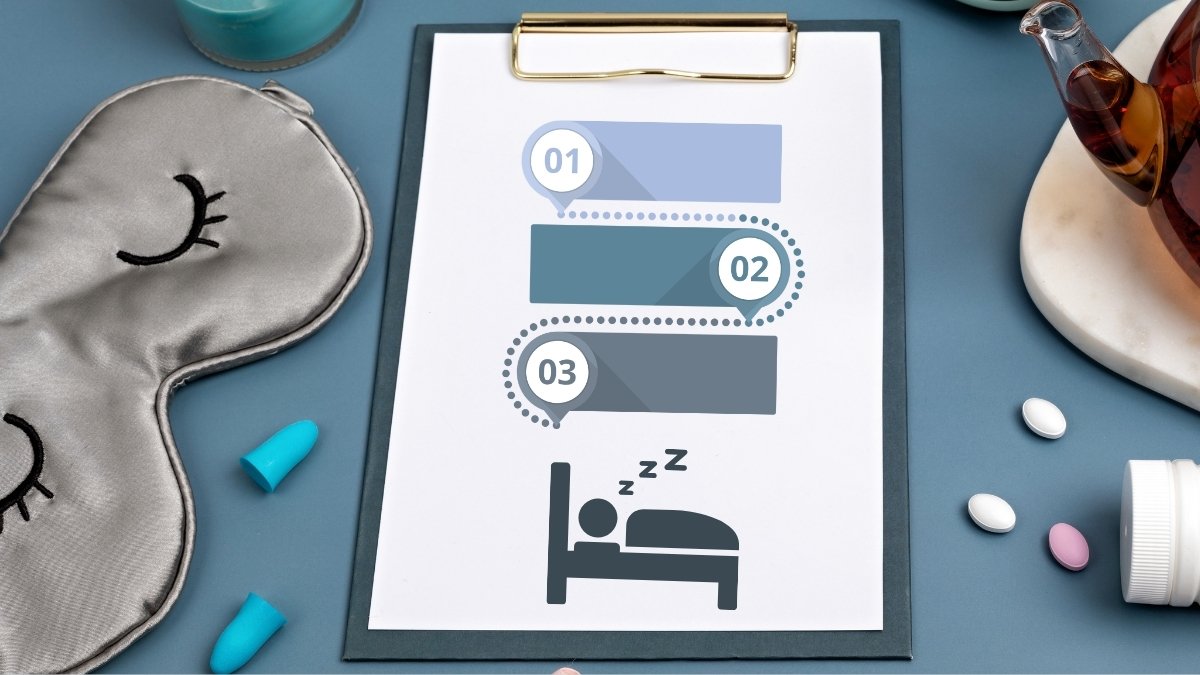
You’ve been told to sleep more. That’s the wrong advice.
The real variable in sleep and biological aging isn’t how long you sleep. It’s when. Here is the protocol.
Step 1. Set a fixed in-bed time. Keep it every night, including weekends.
Step 2. Turn off all screens 90 minutes before that time. All screens.
Step 3. Add one quiet, low-light activity to wind down. Reading on paper, gentle stretching, or a quiet conversation all work.
That’s the entire fix.
Here’s why the timing matters so much. Your body makes an enzyme called telomerase. It repairs the protective caps on your DNA.
This enzyme runs on a biological schedule.

It fires at the same point in your sleep cycle every night. When your bedtime keeps shifting, that schedule breaks. The enzyme fires late, or not at all.
Physicians on regular work schedules kept their telomerase rhythm. Emergency doctors working irregular hours lost it completely.
That’s the difference between DNA that gets repaired every night and DNA that doesn’t.
Most sleep articles tell you how to fall asleep faster. This one tells you what time to start trying. That difference changes everything.
Tonight’s Protocol
Fixed Bedtime
Pick one specific time to get in bed and stick to it every single night.
Cut All Screens
Turn off every single screen exactly 90 minutes before your bedtime.
Quiet Habit
Add one low-light, low-stimulation wind-down activity. Ten minutes is all you need!
What One Night of Poor Sleep Does to Your Cells
You followed the protocol last night. Here’s what happened inside your cells while you slept.
During sleep, your chromosomes physically move inside each cell. They search for breaks in your DNA and fix them.
During the day, those breaks build up.
Sleep is the only time your body can clear them. This doesn’t happen during a rest break or a couch nap. It requires actual sleep.
1 Night of Sleep Loss Causes…
DNA Damage
Switches on specific genes that are directly linked to damaging your DNA.
Cells Shut Down
Activates genes that force your healthy cells to completely stop working.
Toxic Chemicals
Broken cells begin releasing harmful chemicals into the tissue around them.
[DNA Damage Response, DDR; Senescence-Associated Secretory Phenotype, SASP; SOURCE: Carroll et al., Brain, Behavior, and Immunity, 2016, PubMed 26336034]
One night.
That isn’t a long-term risk you can plan for later. It’s something that happened last night.
The damage can be partially reversed. But only if the next night is better. And the night after that.
What if your nights are long enough but still timed wrong?
Sleep and Biological Aging: Why Eight Hours Isn’t Always Enough
You’re getting your hours. You’re still tired. You’re still noticing the signs.
The number isn’t the problem.
Sleeping late, even for eight full hours, is independently linked to shorter telomeres. Those are the protective caps on your DNA. They help determine how fast your cells age.
This link holds even after adjusting for total sleep time. [SOURCE: Snetselaar et al., Netherlands Study of Depression and Anxiety, N=2,936, SLEEP, 2019, PubMed 31270544]
Two people sleep the same number of hours.
The one who goes to bed at midnight instead of 10:30 PM has measurably shorter DNA caps. Not because they slept less. Because they slept at the wrong time.
Your body’s clock controls the enzyme that repairs those caps. When sleep shifts later, that enzyme fires at the wrong biological hour.
The repair window still opens. But it opens out of sync.
Nearly 39% of adults aged 45 to 64 don’t get enough sleep. [SOURCE: CDC FastStats, Adults, 2024] Many aren’t sleeping short. They’re sleeping late.
You already knew sleep mattered. What you didn’t know is that the amount was always only half the work.
The Cortisol Problem: Why Skipping Wind-Down Keeps Aging You While You Sleep
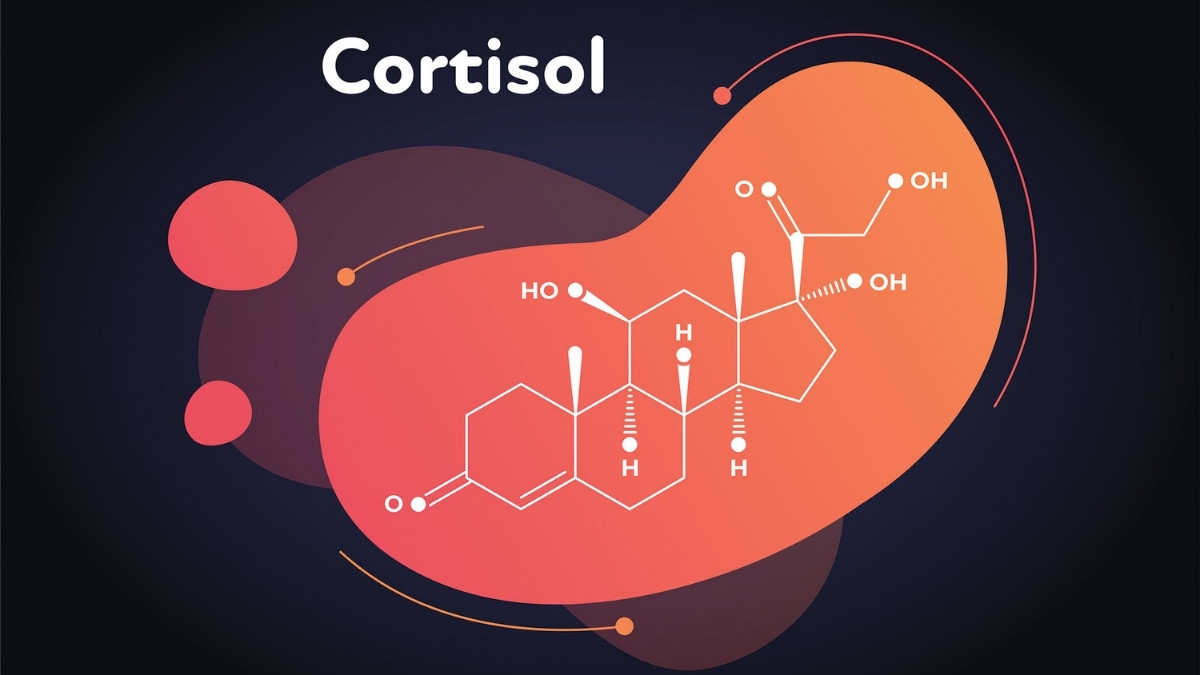
The phone goes down at 11:47 PM. But your stress hormone doesn’t get the message for another hour.
That hormone is cortisol. When you go to bed with lights still on and your mind still running, it stays elevated into the night.
It shouldn’t.
During deep sleep, cortisol drops to its lowest point. That’s when your body does the most repair work. When cortisol stays high, deep sleep gets cut short. Repair work gets skipped.
One night of partial sleep loss raised evening cortisol by 37 to 45% the following night, and delayed the nightly cortisol quiet period by at least one hour.
[SOURCE: Spiegel et al., 1997, PubMed 9415946]
That’s not a stress problem. That’s a cellular aging problem.
Chronically high evening cortisol is linked to shorter telomere length.
[SOURCE: Tomiyama et al., Brain, Behavior, and Immunity, 2012, PubMed 22138440] Shorter telomeres mean faster biological aging.
The wind-down step in the protocol isn’t about relaxing.
It’s the cortisol reset that makes everything else work. Without it, you can sleep eight hours at the right time and still miss the repair window.
And that window is more specific than most people know.
The Repair Window Your Body Opens at a Precise Hour Every Night
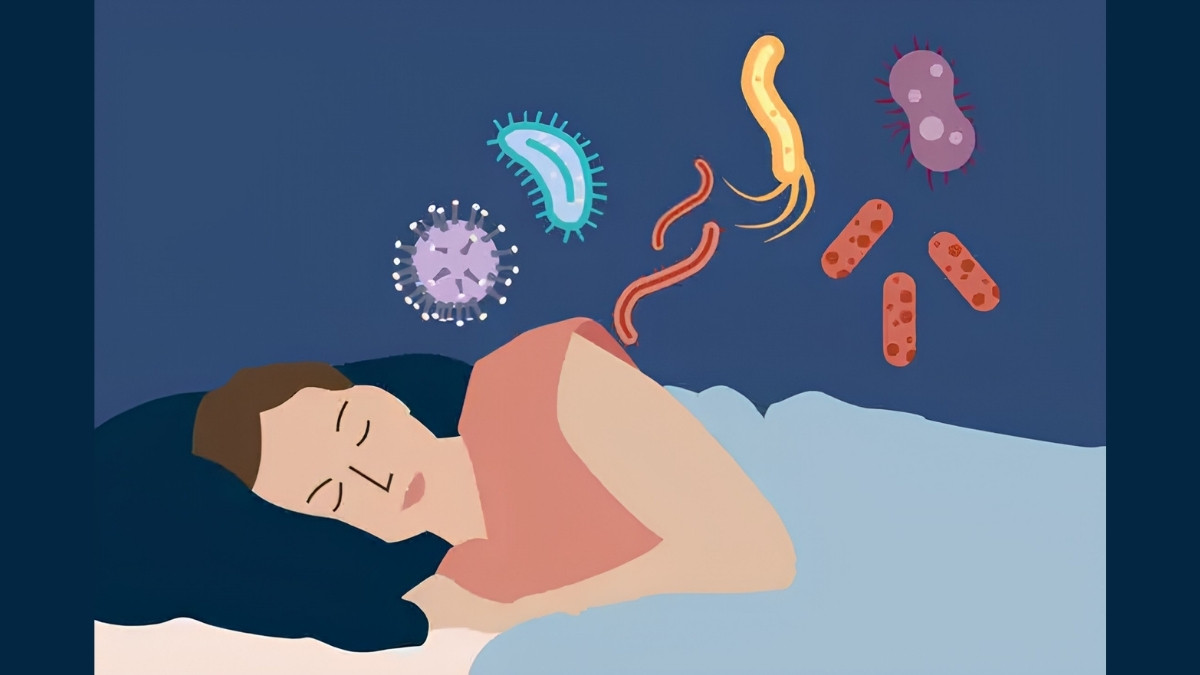
There’s a window early in your sleep that does most of the cellular repair work. Most people at this age are missing it by 45 minutes or less.
It opens during deep sleep.
Your body releases most of its cellular repair hormone, called growth hormone, during the first deep sleep phase of the night. In men, about 70% of the nightly growth hormone pulse happens during this phase.
The amount released directly matches how much deep sleep is achieved. [SOURCE: Van Cauter et al., Journal of Pediatrics, 1996, PubMed 8627466]
This phase doesn’t start at a set clock time.
It starts roughly 60 to 90 minutes after you fall asleep. The window isn’t tied to midnight or 11 PM. It’s tied to when you close your eyes.
Here’s the problem. If you fall asleep at 1 AM and wake at 6 AM, the window opens around 2:30 AM. It closes before your body finishes the job.
Fall asleep at 10:30 PM and wake at 6 AM. The window opens around midnight and runs its full course before 2 AM.
Same wake time. Different biological result.
And there’s one more thing you should know before tonight.
The Two-Week Window: What Happens If You Start Tonight

The cellular damage from poor sleep isn’t permanent. A randomized controlled trial tested this directly.
Researchers gave 43 healthy men aged 50 to 72 an eight-week program that included sleep guidance, diet changes, and stress management.
They measured biological age before and after using the Horvath clock, a DNA-based biological age test.
Men in the program ended up biologically 3.23 years younger than the control group at the end. [SOURCE: Fitzgerald et al., Aging (Albany NY), 2021, PMC8064200]
The difference wasn’t subjective. It showed up on a DNA test.
A separate review found that the biological aging caused by poor sleep may reverse with effective treatment. [SOURCE: Kishi et al., Current Opinion in Pulmonary Medicine, 2024, PubMed 39082896]
The reversal is real.
But it works fastest in the first two weeks. During that window, your cortisol profile starts to normalize. Your telomerase rhythm begins to reset. Your pattern of deep sleep starts to stabilize.
These aren’t small changes. They’re the biological foundation that everything else is built on.
Every additional night of mistimed sleep adds to a biological debt. The window doesn’t close permanently. But it gets harder to reopen with each week you wait.
Tonight is when the window is easiest to open.
Conclusion:

Pick a fixed in-bed time and start it tonight. Tonight, set a fixed sleep window, cut screens 90 minutes before it begins, and add one cortisol-lowering habit to your wind-down.
That’s the entire protocol, and it starts working in your cells before you wake up tomorrow. Sleep and biological aging are connected every night. Whether you act on that connection is the only thing that changes.